Back in 2024, a home owner walked out of his house and was shocked to find his gatepost had collapsed. On closer inspection, the insides were reportedly hollow. Instead of solid reinforced concrete to hold it up, there were only small construction debris piles. The incident went viral soon after and drew criticism online, with many questioning how it had passed quality control checks and inspections in the first place.
Still, beyond the online outrage, the incident raised a bigger question for home owners. During inspection day, how many people actually think about what sits inside and beneath the structures around them? For landed home owners, gateposts are often seen as functional features. They hold the gates in place, support sliding or swinging systems and sometimes even reflect the home owner’s artistic sense or architectural preferences. But structurally, a gatepost is more important than it looks.
A pillar supporting a gate does not behave like ordinary masonry. It functions more like a short reinforced column that absorbs repeated force every time a gate opens and closes. Heavy steel gates, autogate systems, vibrations and even wind pressure can slowly place stress on the structure over the years. Because of this, appearance alone says very little about quality.
It is the inside that counts
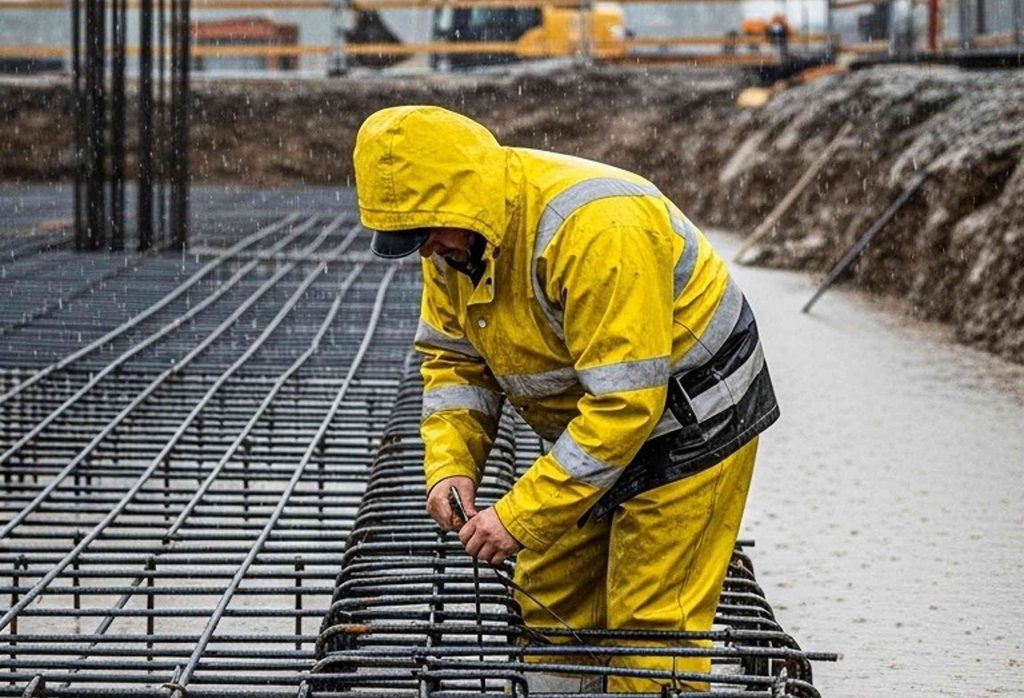
A properly designed gatepost would usually contain a reinforced concrete core strengthened with steel reinforcement bars. It should also sit on a stable footing below ground level. Brickwork, plaster and decorative finishes may shape the pillar’s appearance but the actual strength comes from within.
There may not be a dedicated engineering standard in Malaysia that focuses just on gateposts but that does not mean they are merely built quickly without any standards. In most cases, contractors and engineers rely on broader reinforced concrete and foundation standards. Combined with local authority requirements and established construction practices, these standards shape how gateposts are truly reinforced, supported below the ground and built to withstand all that repeated stress over time.
For heavier iron gates and autogate systems, engineers say gateposts should not simply rely on hollow brickwork. A proper structure would usually include a reinforced concrete core, steel reinforcement bars, sufficient concrete cover to minimise corrosion and a footing capable of resisting movement or overturning. Repeated opening and closing also matter. Over time, the constant force placed on the hinges can slowly weaken poorly built pillars. When these basics are compromised, that is when small problems turn into big ones.
Construction professionals say failures are often linked to poor reinforcement, weak footing support or poor concrete filling. Workmanship also plays a role. In more serious cases, hollow sections or unsuitable fill materials can significantly weaken a gatepost’s ability to withstand long-term loading.
That being said, one viral incident does not automatically point to a widespread problem across the industry. What it does highlight is a longstanding challenge in residential construction, particularly when it comes to consistency in workmanship for smaller external structures.
Compared to a building’s main framework, gates, fences and boundary walls may not receive the same level of scrutiny during construction. These components are often subcontracted separately and completed near the final stages of a project when handover deadlines are drawing closer. Industry observers say this is sometimes where cost and timeline pressures quietly emerge. Smaller external works may be treated as secondary despite facing considerable long-term stress.
Workmanship versus structural integrity
Malaysia does have systems in place to benchmark general construction quality. The Construction Industry Development Board’s (CIDB) Quality Assessment System in Construction, better known as Qlassic, was introduced to assess workmanship standards across building projects. Based on its Construction Industry Standard (CIS 7), it evaluates areas such as architectural finishes, mechanical and electrical works, along with external components like fences and gates.
Interestingly, residential projects make up a large portion of assessments. CIDB data reports showed that housing developments accounted for roughly 76% of projects assessed under Qlassic, with more than 1,000 residential projects scoring above the 65% benchmark.
At the same time, Qlassic was never meant to serve as a structural guarantee. Its role is largely concentrated on workmanship quality and visible construction standards. A structure may look acceptable on the surface but still face problems internally if construction quality is lacking. For home owners, these issues may only become obvious once cracks, movement or misalignment begin to show.
Cracks and squeaks during vacant possession
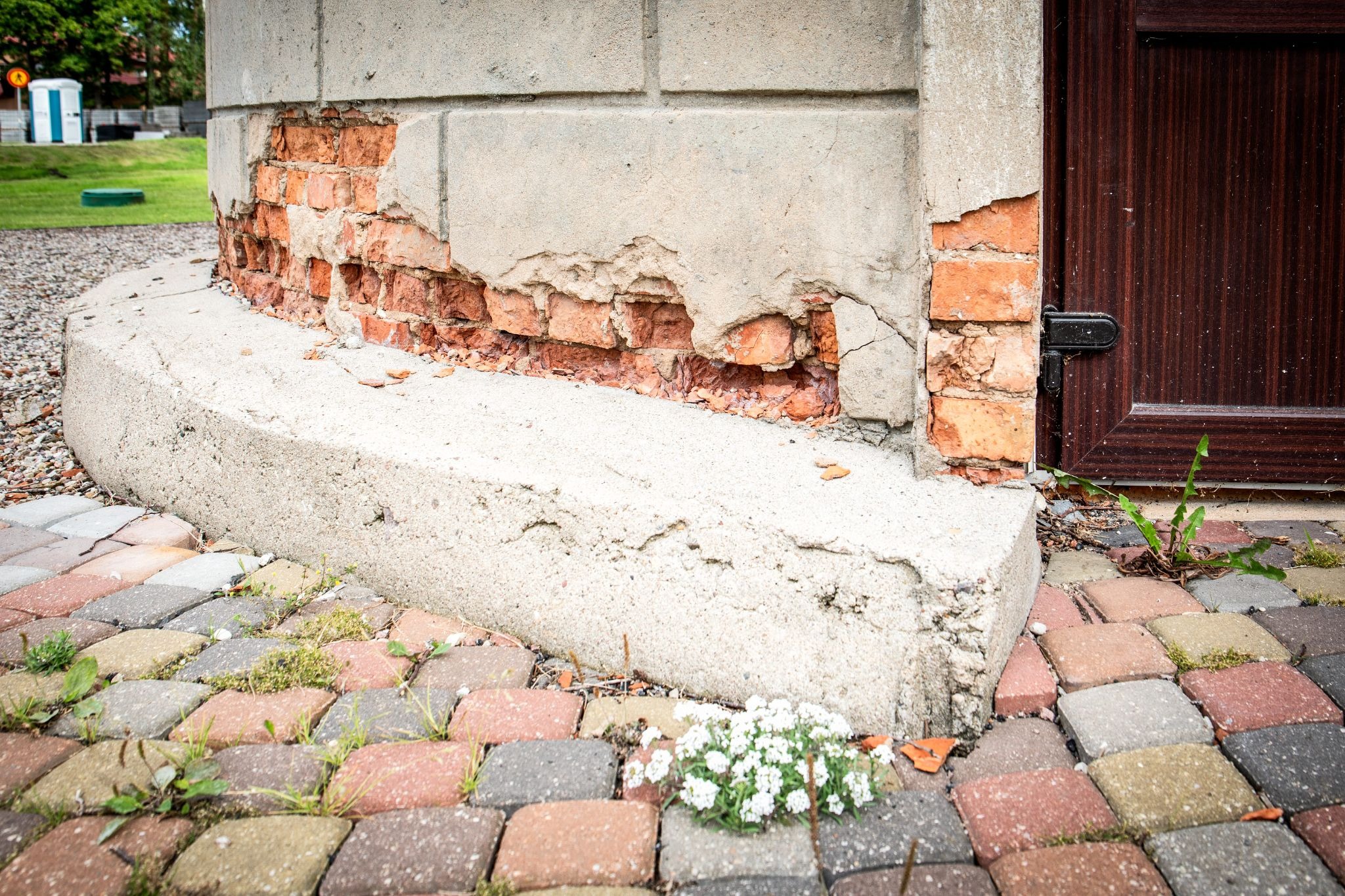
This is also why home owners may want to pay closer attention during vacant possession and the first few months of occupancy. While structural elements hidden beneath finishes are difficult to inspect without technical expertise, smaller external components should not be overlooked. A gatepost that feels loose, develops early cracks or begins shifting within the first few months may warrant closer attention. Even slight gate misalignment can sometimes point to movement beneath the surface rather than simple wear and tear.
Engineers generally advise keeping an eye out for hairline cracks around gateposts, leaning pillars, gaps that become wider and wider between the gate and post, unusual movement during opening or closing or gates that suddenly become misaligned. There is also the issue of sagging autogates which can sometimes point to deeper structural stress as well.
Within the defect liability period
Aside from the visible telltale signs, timing matters too. Fortunately, under Malaysia’s standard housing sale and purchase agreements, the 24-month defect liability period (DLP) is still there to protect home owners after their vacant possession. During this period, defects can be reported for rectification by the developer and warrant follow-ups. That period matters because once it passes, small issues can mutate into expensive repairs.
The viral gatepost case will likely remain a reminder that a finished home is not always a finished product. On the surface, everything may look fine but not everything that looks solid actually is. When something as strong and sturdy as a gatepost fails, it collapses hard. At that moment, the question becomes simple. What was actually holding it up in the first place?
Stay ahead of the crowd and enjoy fresh insights on real estate, property development and lifestyle trends when you subscribe to our newsletter and follow us on social media.