How the StarProperty Real Estate Developer Awards 2026 signify a resilient, multi-disciplinary real estate ecosystem
By Joseph Wong
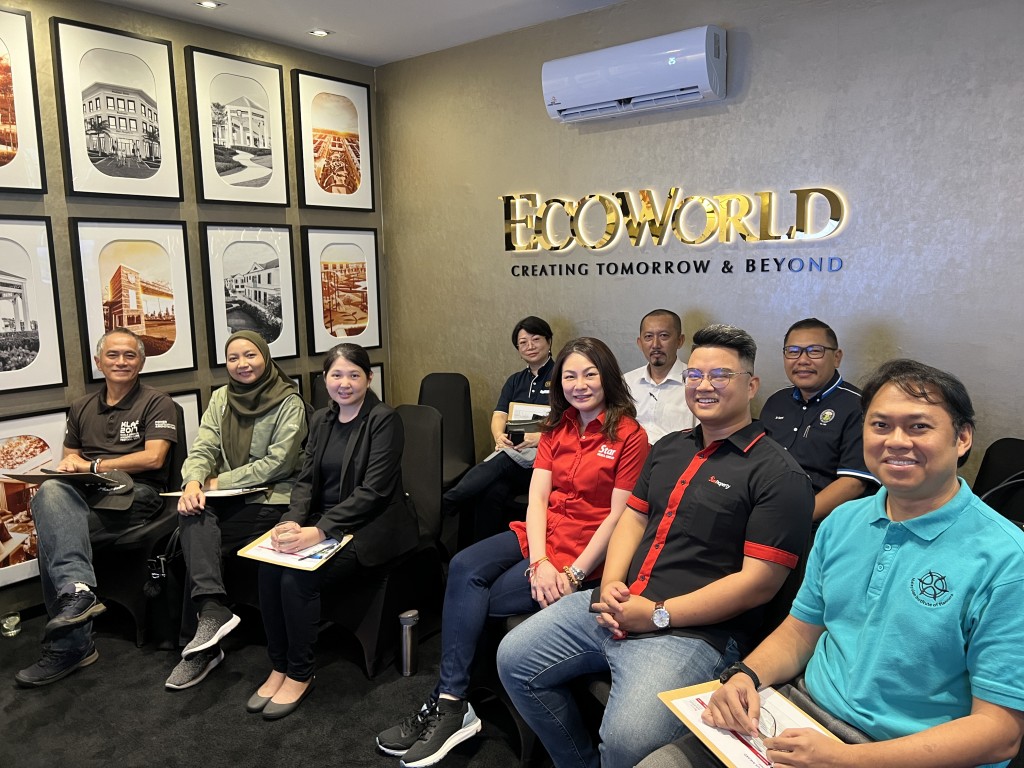
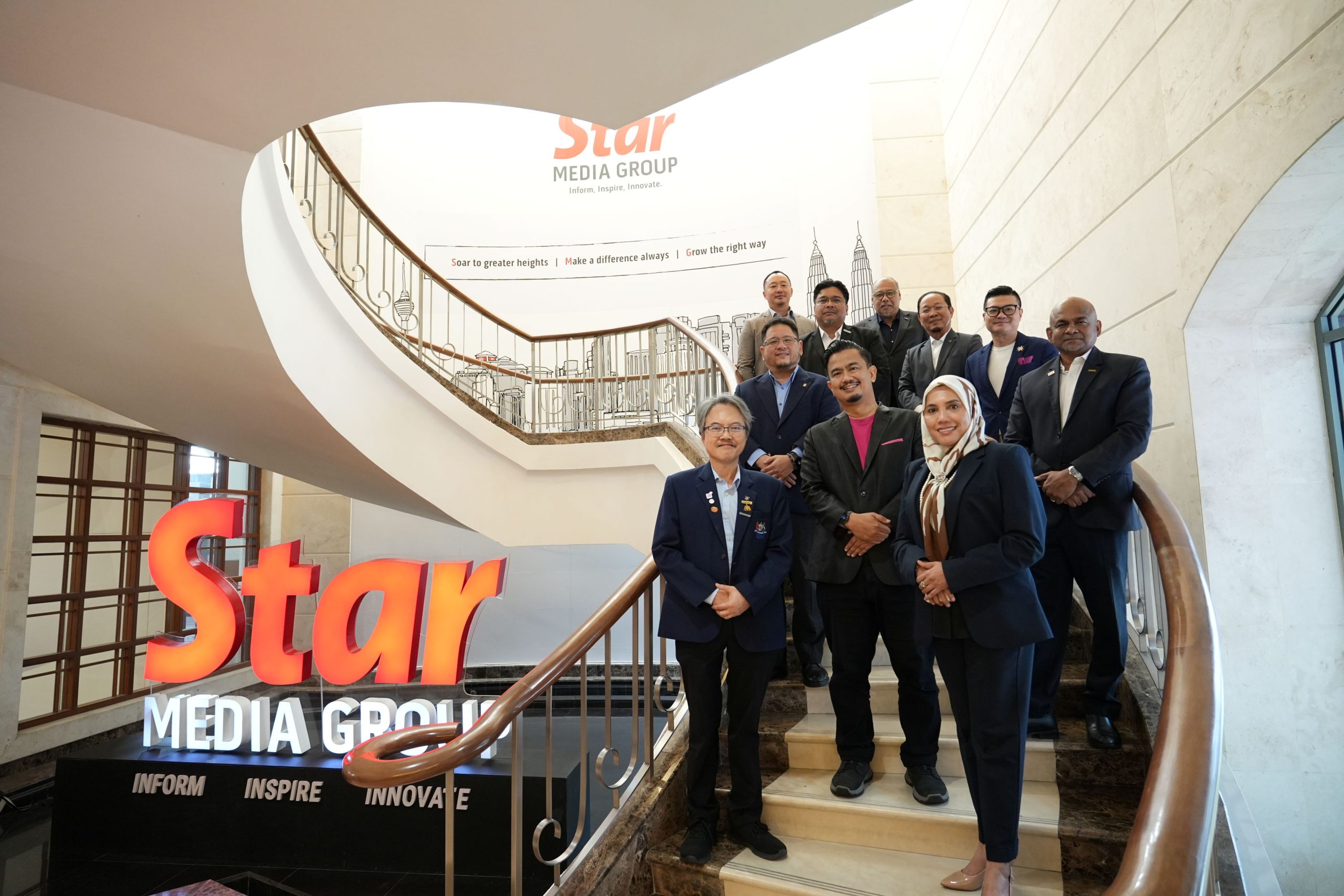
The intensive multi-panel judging of the 11th StarProperty Real Estate Developer Awards 2026 provided a definitive diagnostic assessment of the Malaysian real estate landscape. Far from a mere compilation of aesthetic and commercial triumphs, the submissions evaluated in 2026 reveal an industry undergoing a structural transformation.
Evaluated by an authoritative, multi-disciplinary panel of judges spanning valuation, urban planning, green building design, engineering and architecture, the consensus is absolute. The Malaysian real estate market has officially decoupled from transactional, greenfield-expansion models to enter a highly mature, resilient and human-centric lifecycle era.
Amidst macroeconomic adjustments, climate risks and shifting multi-generational demographics, the class of 2026 demonstrates that the definition of property development has changed. Success is no longer measured solely by Gross Development Value (GDV), scale or iconic facades. Instead, it is dictated by long-term operational sustainability, environmental performance, social value and technical execution.
Geographically balanced
A primary indicator of the industry's maturity in 2026 is the geographical decentralisation of real estate excellence. The evaluation revealed that institutional-grade development is no longer confined to traditional primary economic centres like the Klang Valley.
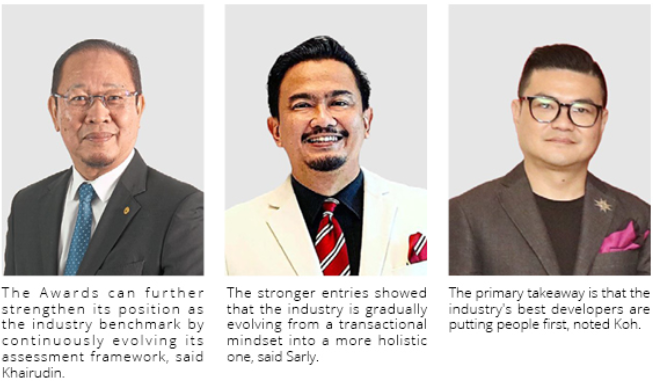
According to Royal Institution of Surveyors Malaysia (RISM) deputy president Prof Mohd Khairudin Abd Halim, the sheer breadth and depth of submissions from states such as Perak, Johor, Kedah, Penang and Negeri Sembilan indicate that top-tier quality has become nationally balanced. This spatial equity proves that secondary and tertiary regions are matching the technical rigour, master-planning parameters and execution capabilities historically reserved for major metropolitan centres.
This geographical evolution is driven by a smarter, highly discerning class of buyers. As consumers become more selective regarding financial commitments, developers are shifting away from superficial marketing narratives.
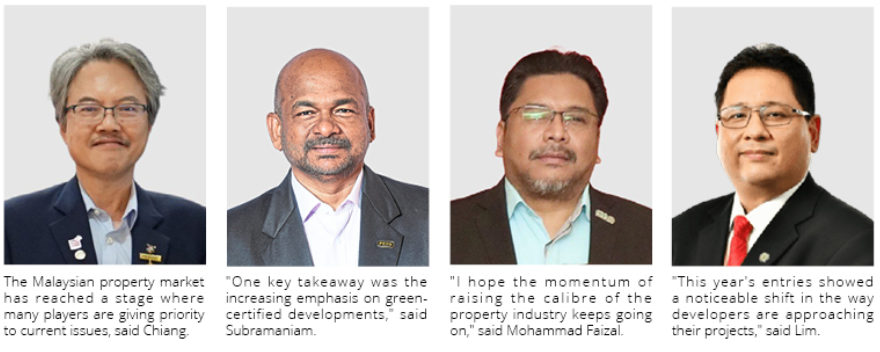
Association of Valuers, Property Managers, Estate Agents and Property Consultants in the Private Sector Malaysia (PEPS) president Subramaniam Arumugam observed that the wide range of categories introduced in 2026 reflects an inclusive and highly responsive industry. The entry criteria successfully pushed property players to prioritise real-world innovations such as EV charging infrastructure, green-certified systems and smart home tools that directly improve the daily living standards of local communities.
Building Materials Distributors Association of Malaysia (BMDAM) president Lim Chun Heng reinforced this observation, noting a distinct pivot toward structural practicality. Developers are closely analysing buyer demands, placing functional efficiency, transit connectivity and neighbourhood maintenance above complex architectural concepts. Even when navigating contemporary supply chain challenges and rising material costs, the baseline quality of submissions remained remarkably strong, showcasing a resilient sector capable of adapting to market realities.

No development is an island
A liveable city does not consist of isolated architectural islands. It relies on an interconnected network of physical and social infrastructure. Malaysian Institute of Planners (MIP) president Datin Mazrina Datuk Abdul Khalid emphasised that integration within a larger urban network is the foundation of genuine community liveability.
“Integrating the whole development into a bigger network is very important because the livability of an area is also ensured by how one is accessible to this facility," Mazrina stated in an interview during the judging session. "Then you are actually promoting active mobility.”
This structural emphasis on multi-modal connectivity and active mobility alters the relationship between private developments and the public realm. By designing layouts that seamlessly merge with mass transit systems and pedestrian corridors, developers are actively lowering the carbon footprint of daily commutes while improving public health outcomes.
Newly elected Malaysia Architect Association (PAM) president Dexter Koh highlighted that the industry's top players are executing this philosophy by designing high-density spaces that deliver micro-scale intimacy, community warmth, and an enduring sense of sanctuary.
Innovation in 2026 is found in the clever orchestration of natural light, adaptive spatial floor plans, and strategic transit links. This approach repositions the architect as a critical mediator between corporate commercial goals and long-term social responsibility, proving that when design integrity is prioritised, financial returns and community well-being improve together.
Shifting from traditional methods
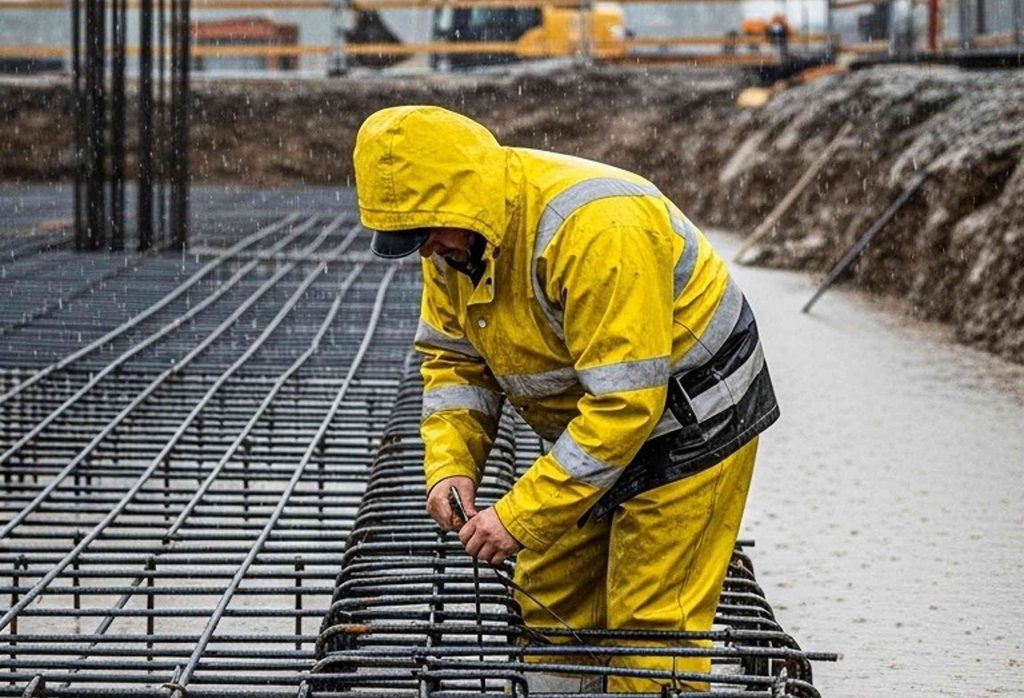
From a technical and structural execution standpoint, the focus has shifted toward site safety, environmental protection and building quality. Construction Industry Development Board’s (CIDB) Technology Development Division general manager Mohammad Faizal Abdul Hamid explained that the implementation of modern construction methodologies is central to the industry's long-term health.
He noted that the assessment and adoption of the Industrialised Building System (IBS) has become a mandatory component of responsible development. By shifting fabrication away from traditional, waste-heavy on-site construction to controlled, precision-engineered manufacturing environments, the property sector ensures higher structural integrity, minimal material waste, and maximum safety upon completion.
This technical evolution extends directly into the indoor environment. Malaysian Institute of Interior Designers (MIID) past president Adj Prof Mohamad Faisal Ghazali highlighted that the residential interior sector is experiencing a significant surge in wellness-oriented design. This trend focuses heavily on indoor environmental quality (IEQ), human-centred performance metrics, non-toxic building materials and acoustic insulation, ensuring that modern interiors function as healthy spaces for mental and physical recuperation.
Authenticity in ESG
Perhaps the most significant takeaway from the 2026 awards is the maturity of Environmental, Social and Governance (ESG) implementations. Green Building Index (GBI) chief executive officer Sarly Adre Sarkum explained that the leading developers have stopped treating sustainability as a secondary compliance checklist or a superficial sales narrative:
"Sustainability is no longer being viewed merely as an optional layer or marketing narrative. Increasingly, it is becoming part of strategic thinking - whether through passive design, energy performance, wellness, mobility, biodiversity, community integration or operational efficiency," he remarked.
This deep integration of passive architectural design, namely maximising cross-ventilation, shading and natural lighting, directly reduces energy consumption from the day a building is occupied. Forward-thinking property players recognise that a building's environmental and operational efficiency will directly dictate its future asset valuation, tenant retention rates and long-term market competitiveness.
Furthermore, the judging panel highlighted a critical industry shift toward lifecycle asset management. Historically, developers focused entirely on the completion stage and the immediate launch window. In 2026, the benchmark centres on how a project will perform 10, 20 or 50 years down the line. Overdesigned, complex buildings that ignore long-term maintenance costs risk becoming severe financial liabilities for future joint management bodies (JMBs) and residents. Today, true innovation requires a careful balance between structural creativity and practical, cost-effective maintainability, ensuring sinking funds remain healthy and property management processes stay streamlined.
Disruptive property demographics
As the industry evolves, demographic shifts are reshaping the legal and financial frameworks of real estate transactions. Institution of Engineers Malaysia (IEM) immediate past president Prof Jeffrey Chiang outlined a major shift in the aspirations of the newer generation of homebuyers. Confronted by evolving lifestyle requirements and a preference for geographic flexibility, younger buyers are increasingly avoiding long-term, rigid property debt commitments.
This cultural shift has led to the emergence of innovative alternative ownership models. Chiang noted that several standout projects in 2026 bypassed the traditional Sale and Purchase (S&P) agreement blueprint completely, offering entire developments structured around long-term leasehold and managed rental models instead.
This alternative model addresses the needs of a mobile, technology-driven workforce that values access over absolute ownership, opening up new avenues for institutional build-to-rent asset classes across Malaysia's urban core.
Path to the future gold standard
To ensure the StarProperty Real Estate Developer Awards continue to serve as the definitive benchmark of excellence, the judging panel outlined several strategic recommendations for future editions.
PAM's Koh proposed integrating a mandatory Post-Occupancy Evaluation (POE) component into the judging framework. Rather than evaluating a property solely at handover, future awards could audit projects two to three years post-completion. This verification step would ensure that green technologies, energy-saving systems and water-harvesting loops are operating efficiently in reality, not just inside a marketing brochure. Furthermore, aligning the awards criteria directly with the National Energy Transition Roadmap (NETR) would reward developments that chart a transparent, verifiable course toward achieving Net-Zero emissions.
Mohd Khairudin suggested expanding the assessment framework to include robust, data-backed measurements for AI-driven property management, renewable energy microgrids and localised climate resilience. He also advocated for a continued expansion of the evaluation panel to maintain a multidisciplinary balance.
"I would encourage continued diversification of judging panels to include valuers, planners, architects, engineers, property managers, academics, sustainability experts and financial practitioners. A truly multidisciplinary evaluation ensures developments are assessed holistically and equitably across all dimensions," he stated.
Institute of Landscape Architects Malaysia (ILAM) council member Charles Teo highlighted the importance of capturing the energy of younger property players. Emerging developers are introducing fresh perspectives, modern branding strategies and agile digital engagement tools into the ecosystem. By introducing progressive categories such as Adaptive Urban Living, Experiential Placemaking and Urban Renewal via Brownfield Regeneration, the awards platform can engage directly with younger audiences through contemporary digital storytelling and future-focused categories. This strategic pivot ensures the platform continues to shape behaviour, inspire fresh talent and guide the property market toward a progressive future.
The collective verdict of the 2026 judging panel is clear. Malaysia's property sector is successfully transitioning from a transactional industry into a mature ecosystem focused on sustainable communities. By integrating technical precision like mandatory IBS implementation, preserving local identity through urban renewal and protecting consumer capital through lifecycle asset planning, Malaysia's top developers are setting an international standard. Supported by an impartial, rigorous judging framework, the StarProperty Real Estate Developer Awards 2026 stands as a reliable guide for consumers and a visionary blueprint for the future of our shared urban landscape.
Stay ahead of the crowd and enjoy fresh insights on real estate, property development and lifestyle trends when you subscribe to our newsletter and follow us on social media.