the right culture and develop the right approach.
Tan Sri Ong’s journey from kampung boy to conglomerate powerhouse
By Joseph Wong
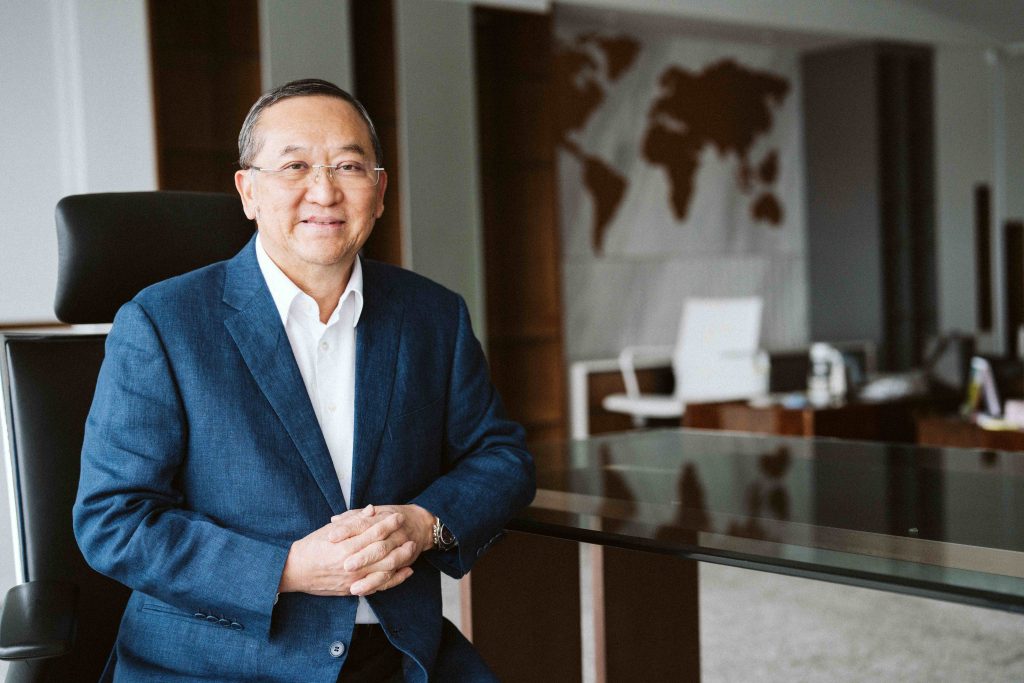
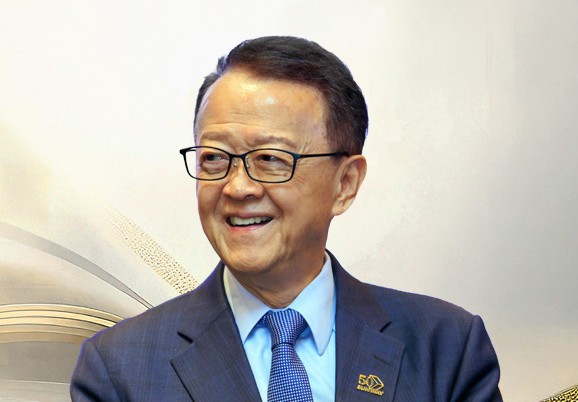
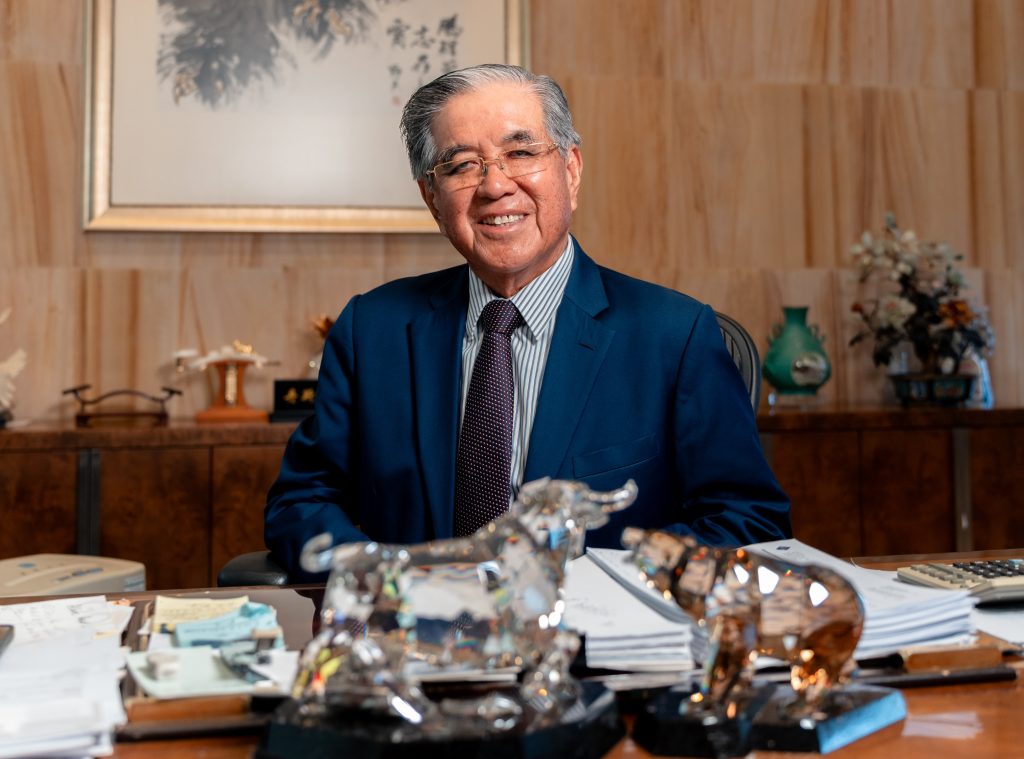
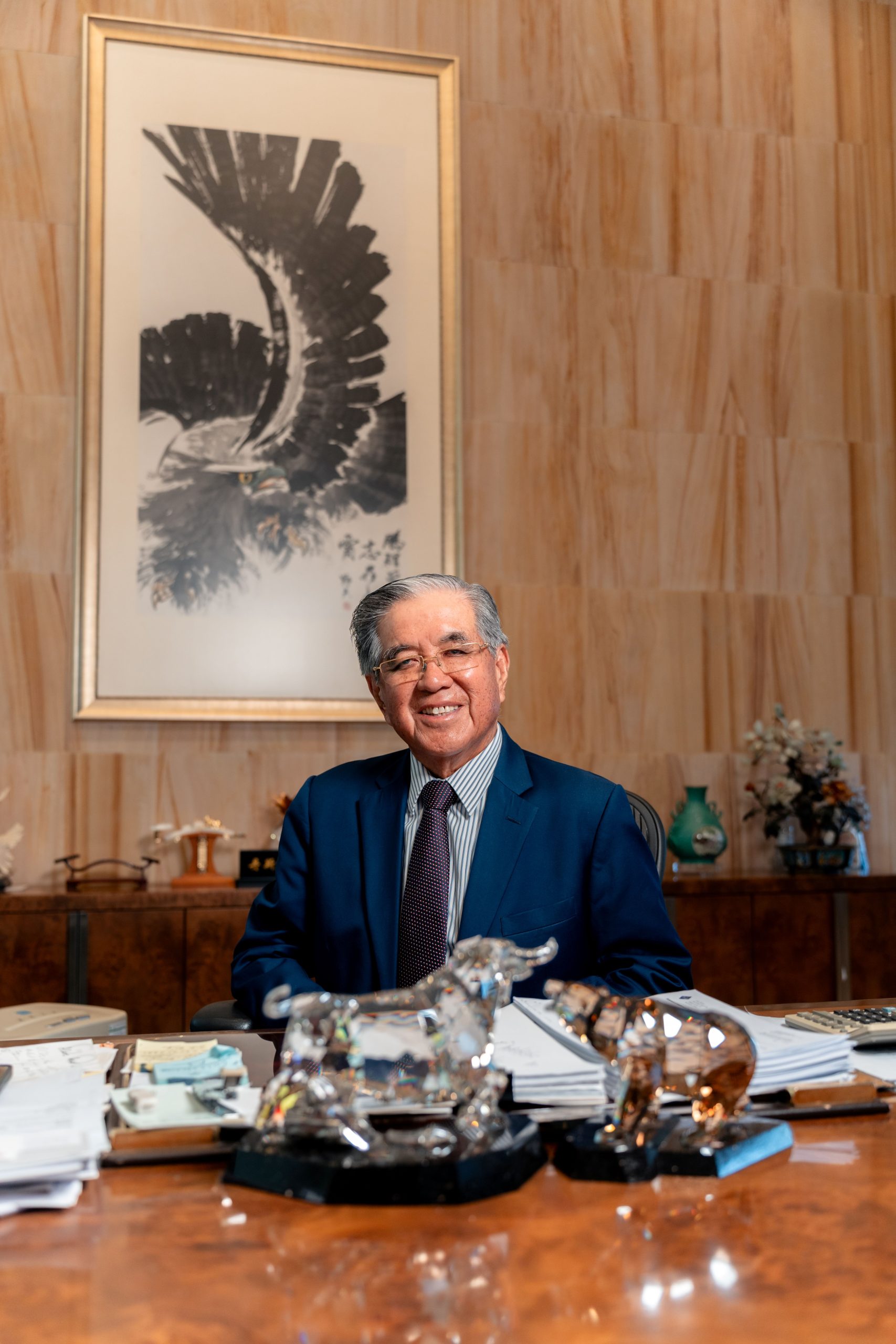
The story of modern Asian corporate dominance is frequently told through corporate balance sheets, aggressive market capitalisations and institutional asset growth. Yet, the foundational DNA of true enterprise is forged in the crucible of real-world adversity, structural volatility and human conviction. In the landscape of Malaysian commerce, few narratives capture this evolutionary arc as vividly as that of OSK Holdings Bhd founder and executive chairman Tan Sri Ong Leong Huat.
From his origins as a kampung boy born into a rubber tapper’s family of twelve, Ong navigated decades of profound economic shifts, cyclical market collapses and disruptive structural transformations. Ultimately, he steered OSK Group into a highly diversified conglomerate powerhouse spanning real estate development, financial services, industrial manufacturing and hospitality.
Speaking candidly about a career spanning more than half a century as both an employee and an employer, Ong reflects on the fine line between corporate survival and operational insolvency. He details the strategic philosophies that allowed him to build a legacy anchored in institutional trust, talent density and long-term value creation.
The crucible of crises
Every enduring corporate legacy undergoes a trial by fire, a moment where market forces threaten absolute liquidation. For OSK Holdings powerhouse, that foundational moment arrived in the mid-1980s during the devastating Pan-Electric crisis. The systemic shock caused both the Malaysian and Singaporean stock exchanges to shut down for several days, triggering severe damage across the financial systems of both nations.
At that point, a young Ong had been operating within the stockbroking sector for just over a year. Driven by a fast-moving market, the firm had pursued rapid, ambitious growth, leaving it highly vulnerable when the structural bust occurred.
"To be very honest with you, during the crisis—the Pan-El crisis—I was just in stockbroking for over one year," Ong shared. "We were in a hurry. We were ambitious. We wanted to grow fast but then it (the crisis) came and we got hit. Both the company and I were in serious financial trouble."
Faced with a situation that would have caused many market players to default or seek legal protection from creditors, Ong chose a path of absolute accountability. Guided by a core principle to honour all commitments, he refused to seek debt haircuts, waivers or sympathy from his institutional creditors.
Instead, he visited his creditor banks one by one to present a transparent proposal rooted in honour and time.
Ong offered his entire personal portfolio of possessions and assets to ensure every single cent would be repaid, asking the banking community for only one variable: time. He said that if the banks provided operational time and continued credit support, he could sustain the business core, generate fresh revenues and settle his obligations faster without causing asset write-downs for the lenders.
The strategy succeeded. As the macroeconomic storm passed and market conditions improved in the late 1980s, the business generated significant returns, cleared its entire debt registry and established a reputation for institutional credibility. This hard-won marketplace trust laid the foundation for the group's highly successful public listing in the 1990s, proving that corporate integrity is a highly valuable asset during market downturns.
The mechanics of risk mitigation
The lessons learned during the financial crisis of the 1980s transformed Ong’s approach to risk management. When the historic Asian Financial Crisis hit the region in 1997, OSK Group executed a perfectly timed counter-cyclical strategy that preserved its capital while competitors collapsed under heavy debt.
While the general market was driven by speculative euphoria in the mid-1990s, Ong deliberately chose to stay out of the herd mentality. He conserved capital, reduced corporate leverage and built up a large cash reserve.
As a result, when the Asian Financial Crisis triggered widespread defaults across the regional banking landscape, OSK entered the crisis with zero debt and over half a billion ringgit in liquid cash. When the Malaysian government moved to consolidate the fragmented stockbroking industry, Ong seized the opportunity amid the downturn.
Using the company's internal cash reserves, OSK bought out three competing brokerages without taking on any debt. This aggressive, un-leveraged expansion allowed the firm to secure Universal Broker status which it later leveraged to cross the RM1bil capital threshold required to transform into a full-fledged investment bank.
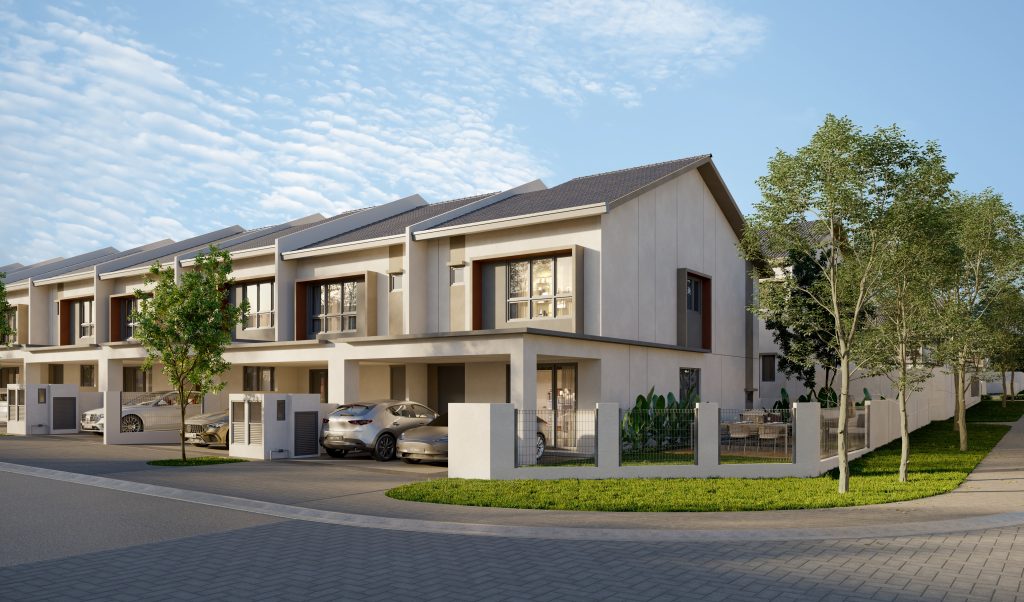
Ong applied this same discipline to the real estate market. During periods of widespread market distress when asset valuations plummeted, he acquired large premium land banks at deep discounts.
A key example was the acquisition of a 2,600-acre township site in Sungai Petani, Kedah, secured at a highly affordable price when capital was scarce across the development sector. By pairing low land acquisition costs with disciplined capital allocation, the group built a massive, high-margin land bank that fueled its real estate development engine for decades.

The intertwined nature of wealth and value creation
For Ong, the transition from a kampung boy to a conglomerate leader clarified the deep, functional relationship between short-term wealth creation and long-term value creation. He views these two concepts not as opposing forces but as an intertwined ecosystem where one cannot exist without the other.
Using a rustic farming metaphor derived from his early years in the village, Ong explained that to enjoy a sustainable harvest of high-quality fruit, one must first cultivate a healthy plant. In commerce, this healthy plant is built on strong corporate governance, a performance-based culture and consistent profitability.
"To me, if you are doing business, you want to make money," Ong said. "But in order to make money, you must have the right people, develop the right culture and develop the right approach. Success begets success. Talent begets talent. If you cannot make money, you have no money to develop infrastructure. Who is going to join a company that is not sustainable?"
This philosophy directly challenges the idealistic view that value creation can occur independently of financial performance. True value creation requires a continuous, self-funding cycle:
- Performance-driven profitability: The business must operate efficiently to generate consistent, healthy returns.
- Infrastructure reinforcement: Retained earnings are directly reinvested into building modern technology, institutional scale and operational capacity.
- Talent acquisition: High profitability allows the organisation to attract top-tier professionals and offer competitive reward packages.
- Sustained scale: This talent density drives further innovation and efficiency, allowing the business to navigate market shifts and expand across industries.
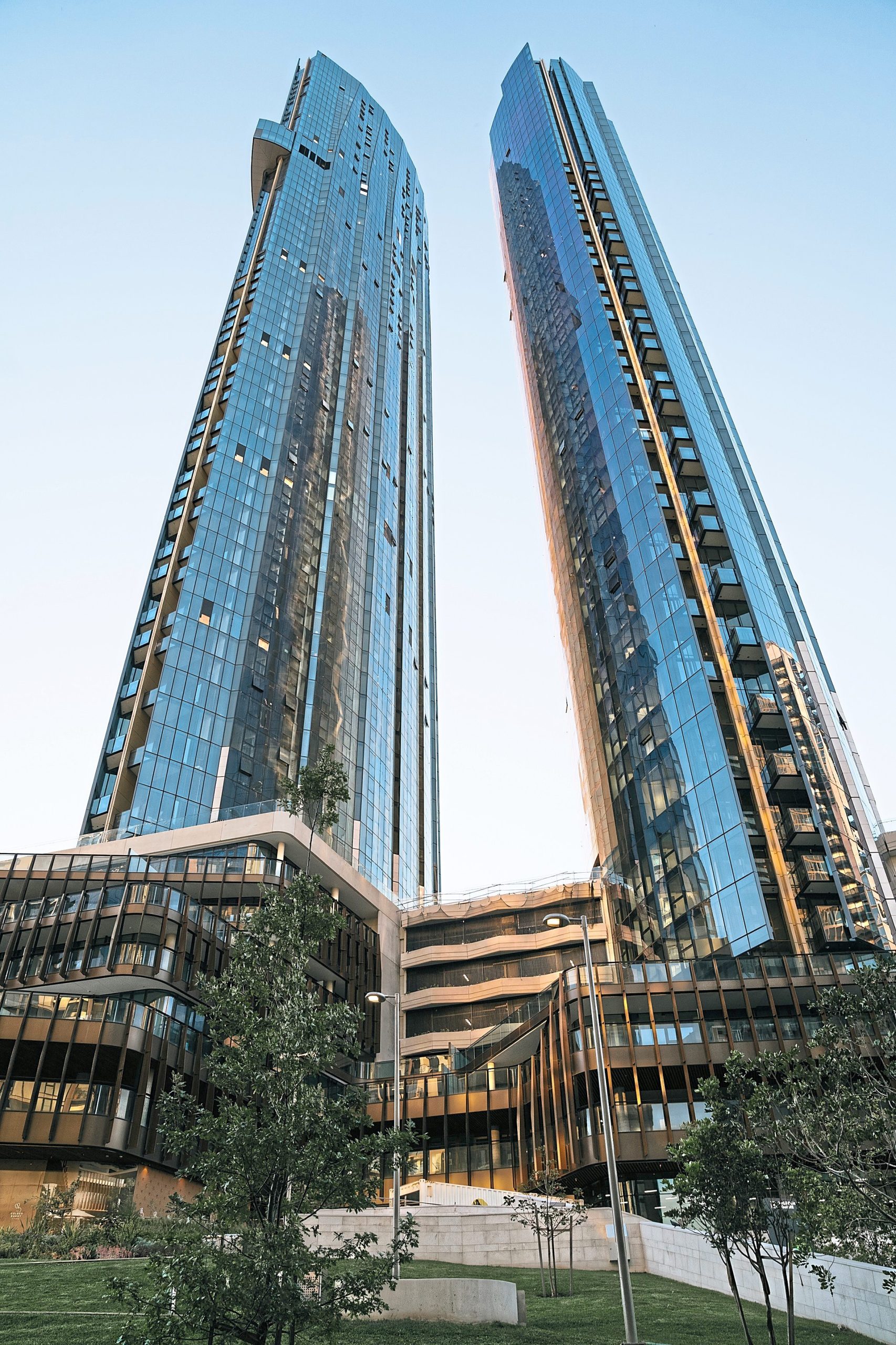
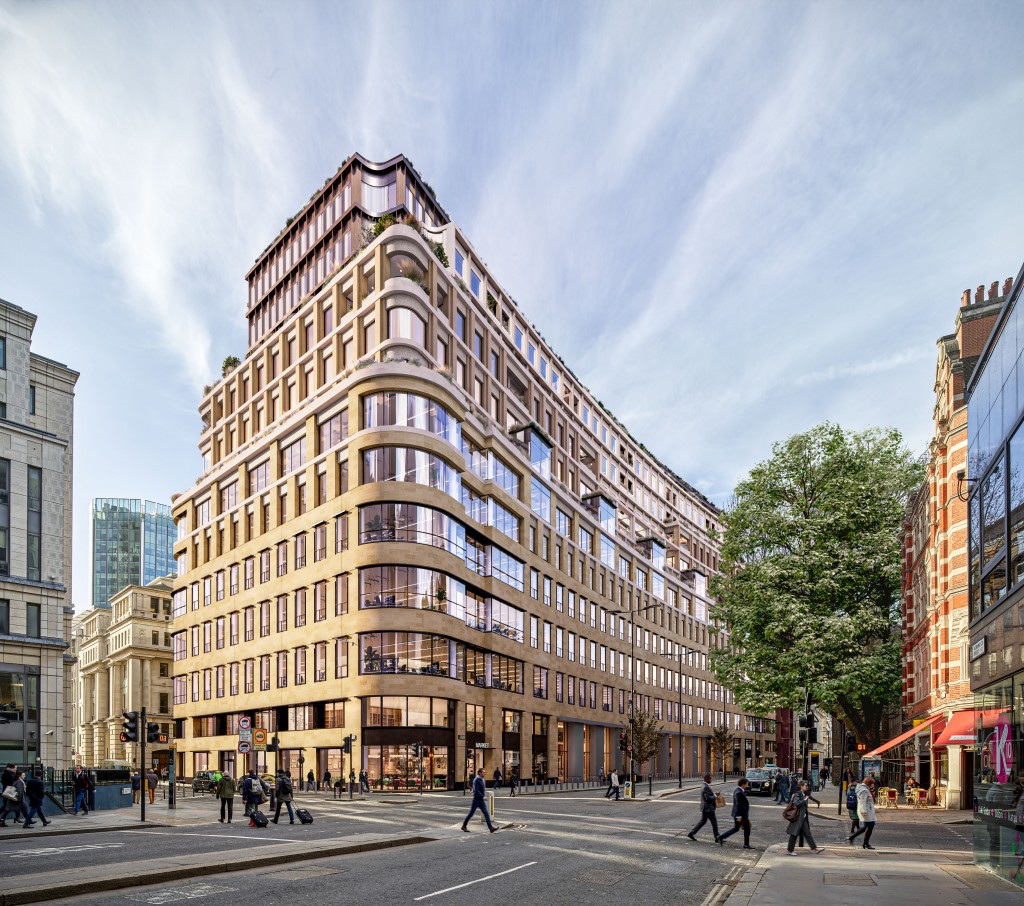
5-acre freehold mixed-use development in Southbank, Melbourne, which is a joint-
venture with the Employees Provident Fund (EPF).
Operational realism
A key trait of Ong's leadership is his commitment to operational realism and technological adaptability. Having witnessed the transition from manual ledger systems to mechanisation, computerisation, digitalisation and now artificial intelligence (AI), he stressed that corporate survival requires moving at the speed of global technological progress.
"If you want to be a swimmer, you must learn how to swim. Today, if you talk about farming, you need machines—no more cangkul (hoe) and spade. If you do that, you can't survive. Therefore, you have to catch up with the times. Technology has to be applied to improve efficiency, support productivity and meet competitive challenges," Ong remarked.
This focus on operational adaptability shapes how OSK prepares for future challenges. To insulate the conglomerate from modern digital threats, the group has built internal resources to continuously improve operational efficiency through the adoption of automation, digital systems and data analytics.
Crucially, Ong believed that true industry leadership requires setting trails rather than merely following existing tracks. By anticipating technological shifts and preparing talent pools early, an enterprise gains a vital head start, transforming emerging market challenges into long-term competitive advantages.
Strategic diversification is key
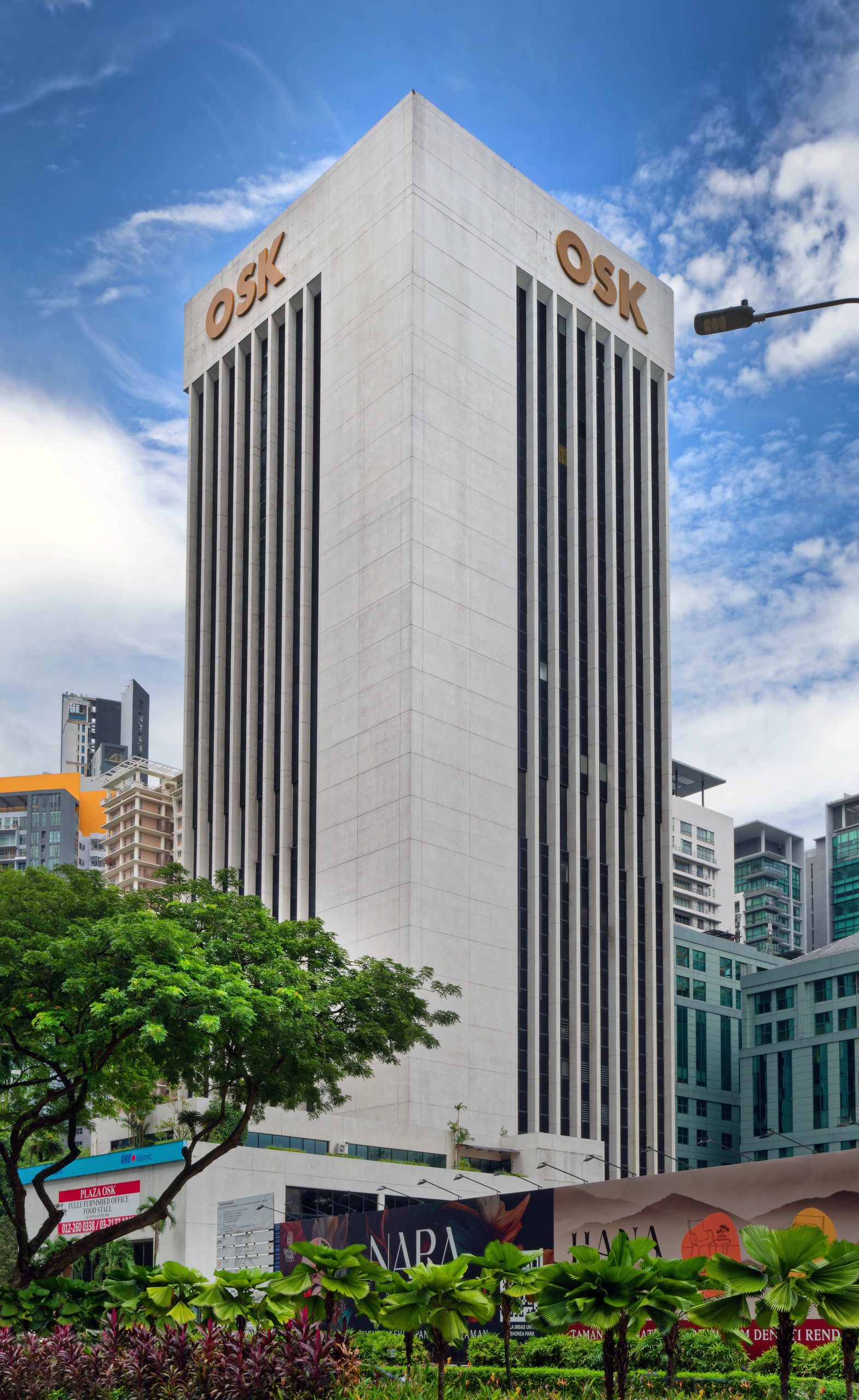
While OSK’s roots are deeply anchored in the stockbroking sector, the group’s evolution into property development, industrial manufacturing and hospitality was guided by a highly focused strategic matrix. Rather than diversifying randomly, Ong concentrated corporate capital into two foundational sectors that address baseline human needs: Property and Finance.
Ong’s diversification strategy is built on a simple premise that no human being or commercial enterprise can function without real estate or capital. Property provides the physical framework for society including residential homes, industrial factories, hospitality venues and retail malls.
Concurrently, finance provides the liquid capital required to fuel commerce. By mastering these two interdependent sectors, OSK built a balanced corporate ecosystem where the different business arms actively support and strengthen one another.
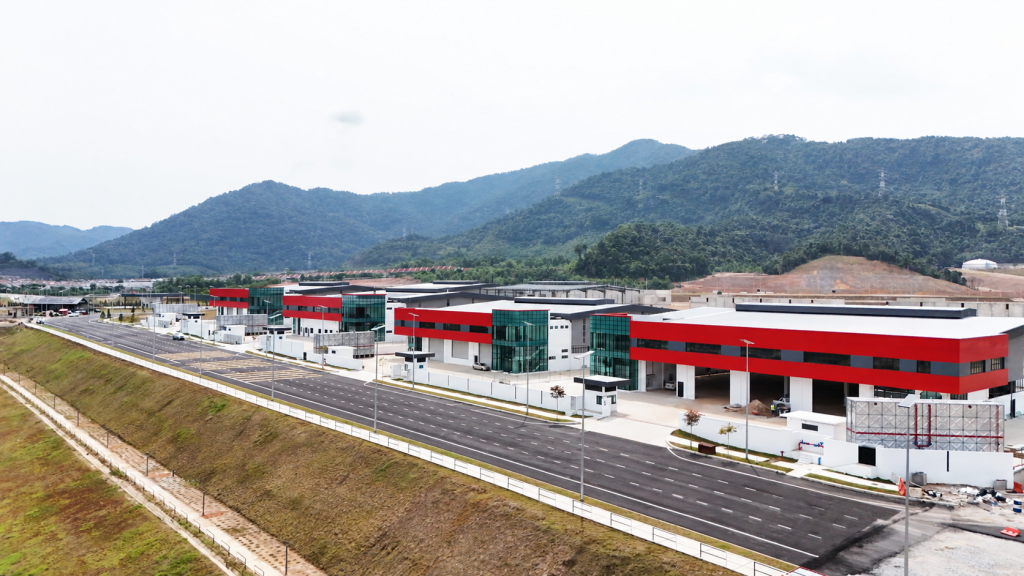
The group’s manufacturing operations are also explicitly aligned with its real estate and infrastructure strategies. For example, OSK’s cable manufacturing businesses supply critical components for national infrastructure and major real estate projects while its Industrialised Building System (IBS) wall panel operations provide modern, pre-cast components that speed up construction timelines and reduce on-site labour waste.
Within its financial services division, the group pairs its institutional equity investments with agile private credit operations. Operating across Malaysia, Singapore and Australia, OSK’s private credit funding division serves as an expedited bridge for corporate clients.
While traditional institutional commercial banks often require months to process and close complex corporate loans, OSK’s private credit arm can evaluate risks and deploy capital within a shorter timeframe. This agility allows clients to secure business opportunities quickly while OSK earns premium returns on the lending spread, bridging the gap between immediate market opportunities and long-term institutional financing.
The next generation of leadership
At this stage of his career, Ong has successfully transitioned from day-to-day operational management to long-term oversight, passing executive control to his two sons who serve as managing director and deputy managing director. This succession planning was executed over decades, with the elder son and younger son having worked directly under his mentorship for over 22 years and 16 years respectively.
This family leadership is supported by a large pool of corporate talent, featuring 11 dedicated divisional chief executive officers who independently manage individual business pillars across Malaysia, Singapore and Australia. This leadership structure ensures that every branch of the conglomerate operates with specialised expertise, utilising continuous innovation to navigate changing market dynamics.
The core guidance passed down to this next generation of leaders is rooted in operational discipline, financial prudence and absolute accountability, that is, always operate within your areas of verified expertise and maintain a culture of performance-based framework.
"I expect that they will inherit the culture of hard work and being prudent," Ong concluded. "What we need to spend, we spend; what we do not need to spend, we don't spend. We want our people to act responsibly.”
Ong’s journey from a young rubber tapper in a rural village to the leader of a diversified conglomerate offers a valuable masterclass for the modern business world. His career proves that enduring corporate success is not built on speculative spikes or chasing short-term trends but on the steady, disciplined application of foundational principles.
By prioritising talent density, maintaining low leverage during market peaks, honouring institutional commitments during downturns and building partnerships based on mutual prosperity, OSK Group built a framework designed to endure.
As the organisation faces a fast-moving future shaped by digital transformation and shifting global demographics, it remains anchored by the timeless values of its founder: an unshakeable commitment to integrity, operational realism and the continuous pursuit of human progress.
Stay ahead of the crowd and enjoy fresh insights on real estate, property development and lifestyle trends when you subscribe to our newsletter and follow us on social media.