

Looking beyond smart technologies, transport networks and ambitious infrastructure projects
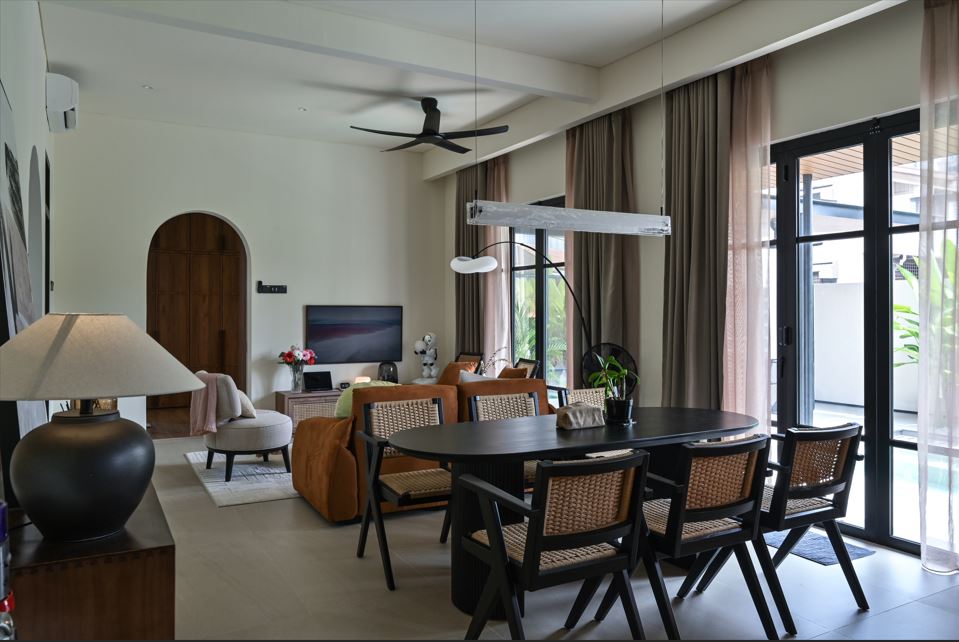
When conversations turn to future cities, the focus often falls on smart technologies, transport networks and ambitious infrastructure projects. Yet, one panel at the Future Cities Summit 2026, organised by Star Media Group, argued that creating liveable cities begins at a much smaller scale, within the buildings and spaces people occupy every day.
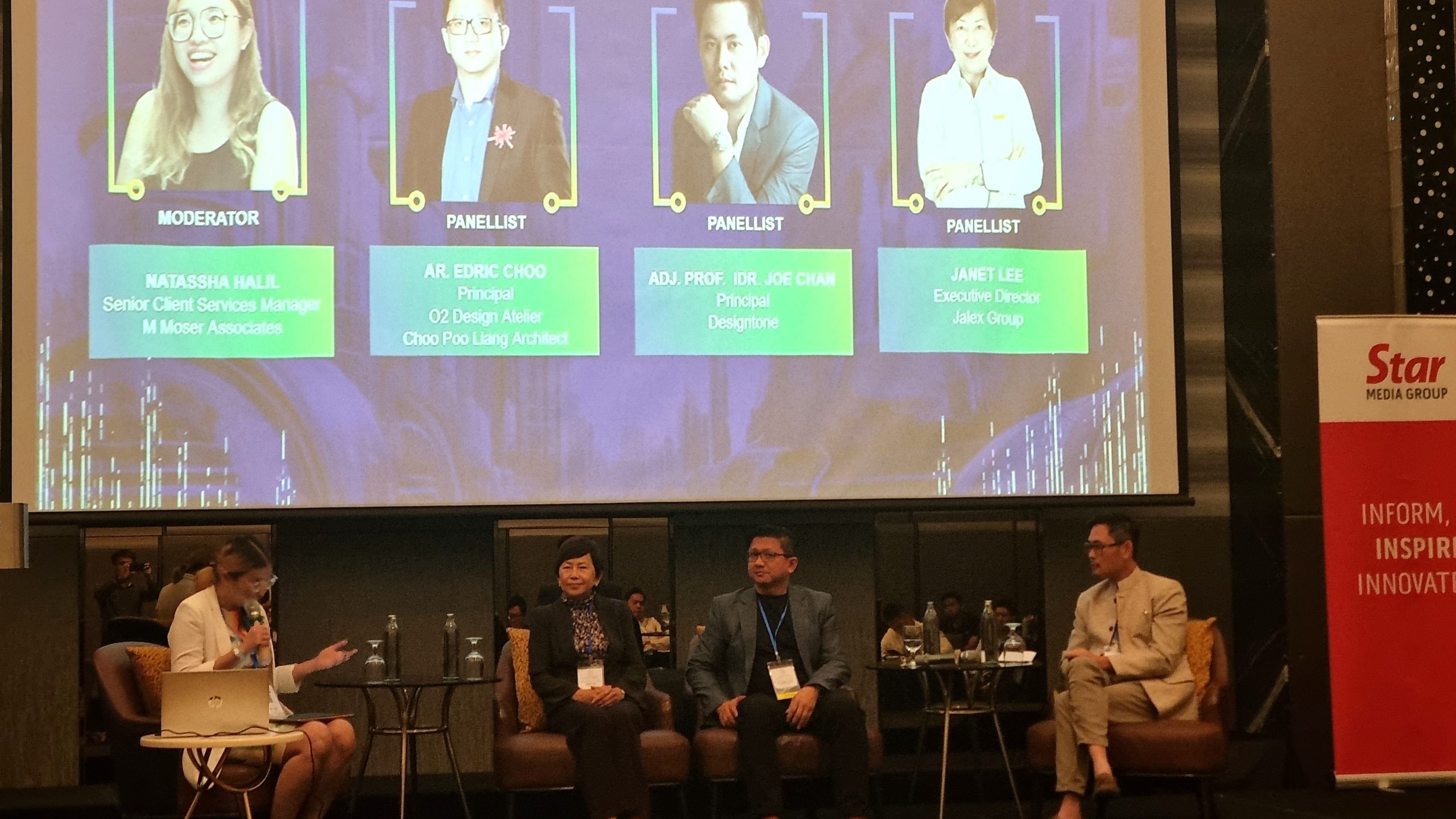
Moderated by M Moser Associates senior client services manager Natassha Halil, the panel brought together O2 Design Atelier executive director Edric Choo, Designtone founder and principal Joe Chan and Jalex Group of Companies executive director Janet Lee. Together, they explored how interior environments, construction and urban planning must work hand in hand to create cities that are not only smarter but also healthier, more inclusive and better equipped for the future.
A recurring message throughout the discussion was that buildings should no longer be viewed as isolated structures. Instead, the spaces within them should be recognised as part of the city’s broader infrastructure, shaping how people work, interact, learn and live on a daily basis.
From Chan's perspective, many of the concepts that are associated with future cities are not new at all. Connectivity, human-centric planning and integrating nature into developments have actually long been discussed within the design profession. Instead, he said the real challenge now lies in how consistently these principles are embedded into projects, rather than being treated as optional features or aesthetic enhancements.
Neurodiverse and sensory spaces
As developments become denser and more connected, Chan noted that designers must pay greater attention to the everyday experiences of the people using these spaces. This includes creating workplaces that support neurodiverse users, designing environments that respond to different age groups through colour and sensory experiences as well as providing spaces that promote wellbeing rather than simply fulfilling functional needs.
He also cautioned against adopting urban planning ideas without considering local conditions. While walkable cities and car-free developments are often held up as the benchmark for sustainable urban planning, Malaysia's tropical climate presents its own realities. Heavy rainfall and year-round heat mean that cities must be designed with climate-responsive connectivity. Past projects show that these can be achieved through sheltered pedestrian networks, integrated developments or indoor communal spaces that encourage organic interaction while providing comfort.
Beyond physical mobility designs
The conversation also broadened the meaning of inclusivity beyond meeting accessibility requirements. Rather than focusing solely on physical mobility, the panellists highlighted the importance of designing for deaf communities, neurodiverse individuals, ageing populations and users with varying sensory needs. They collectively agreed that inclusive design should be considered from the earliest planning stages so that buildings can remain properly adaptable to changing demographics and lifestyles over time.
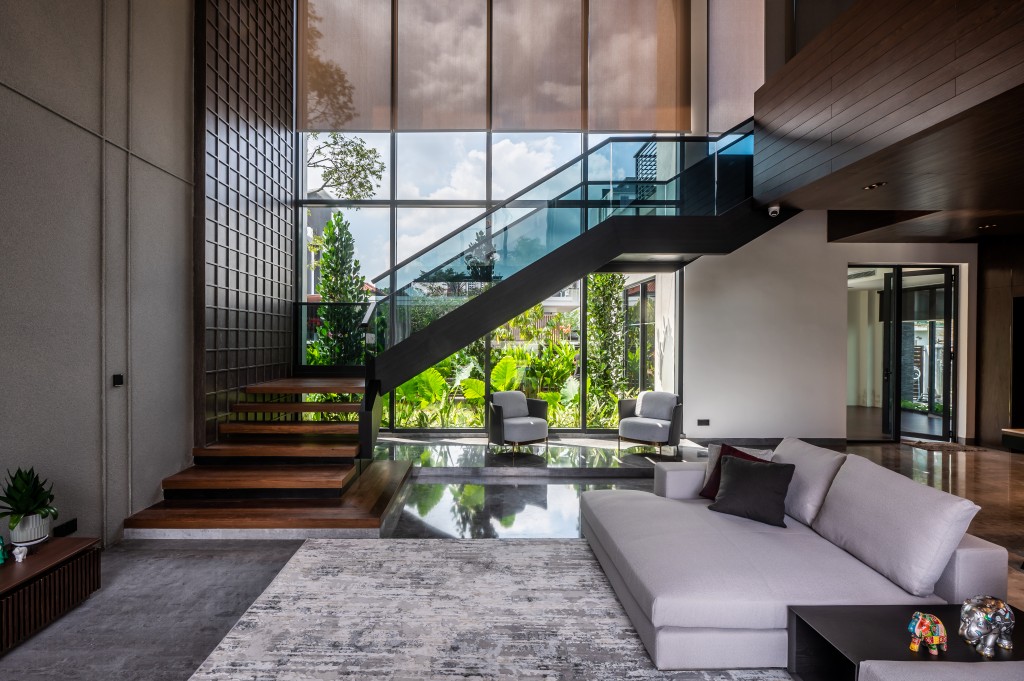
Beyond inclusivity, the panel highlighted the growing role of healthy buildings in supporting urban liveability. As awareness of indoor environmental quality increases, developers and occupiers are placing greater emphasis on healthier materials, improved ventilation, biophilic design and spaces that support mental wellbeing.
Lee observed that clients are increasingly requesting low- or zero-formaldehyde materials, reflecting a growing awareness of how building materials can affect occupant health. Chan added that many workplace projects now incorporate biophilic design, dedicated wellbeing spaces and environmental controls such as temperature management to create healthier indoor environments.
Proactive and anticipatory measures needed
While much of the discussion focused on aspirations for future cities, Lee offered a practical reminder that delivering these ambitions requires very early on in the collaboration, all across the development process.
Representing the construction and supply sector, she explained that builders and suppliers are typically engaged only during the final stages of a project, often after years of planning have already taken place. By then, shrinking budgets, compressed timelines and requests to substitute any specified materials can significantly alter the original vision. This ultimately affects the final quality, performance and long-term durability.
To avoid these compromises, Lee argued that builders and suppliers should be recognised as long-term project partners rather than participants brought in only at the execution stage. This means involving them earlier in the design process while investing in digital planning tools, modular construction methods and workforce upskilling to improve project delivery as developments become increasingly complex.
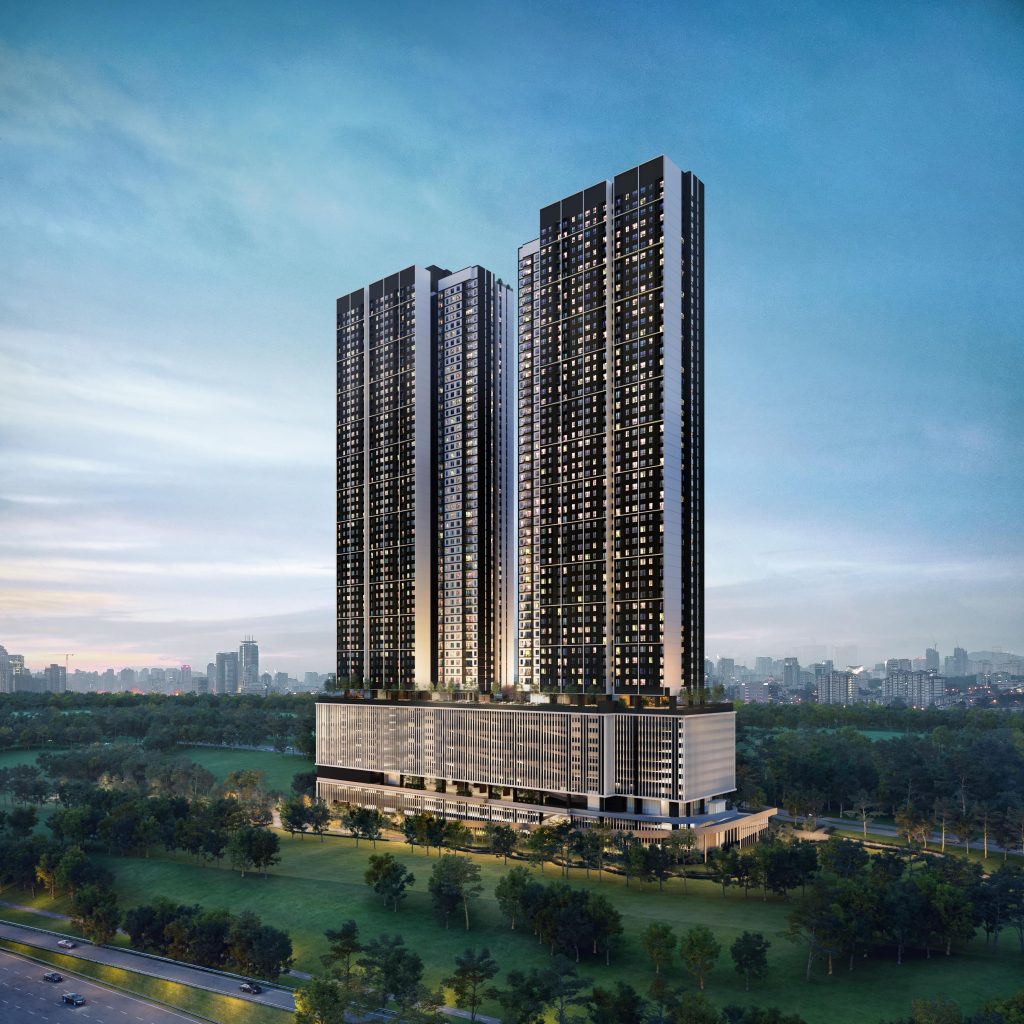
Looking ahead, Choo proposed rethinking how cities utilise increasingly scarce urban land. He suggested exploring developments above transport infrastructure and highways, allowing cities to create new housing while preserving more ground-level green spaces. Although highly ambitious, the idea reflected the panel's broader belief that future cities will require innovative planning approaches that balance growth, sustainability and human experience.
Overall, the discussion suggested that the success of future cities will not be determined solely by digital technologies or landmark infrastructure projects. Instead, it will depend on how effectively buildings support the people who use them every day through these healthier environments, inclusive design, thoughtful planning and collaboration across the entire development ecosystem.
As Halil concluded, future-ready cities are defined not simply by infrastructure or technology but by how successfully they connect people, communities and opportunities.
Stay ahead of the crowd and enjoy fresh insights on real estate, property development and lifestyle trends when you subscribe to our newsletter and follow us on social media.