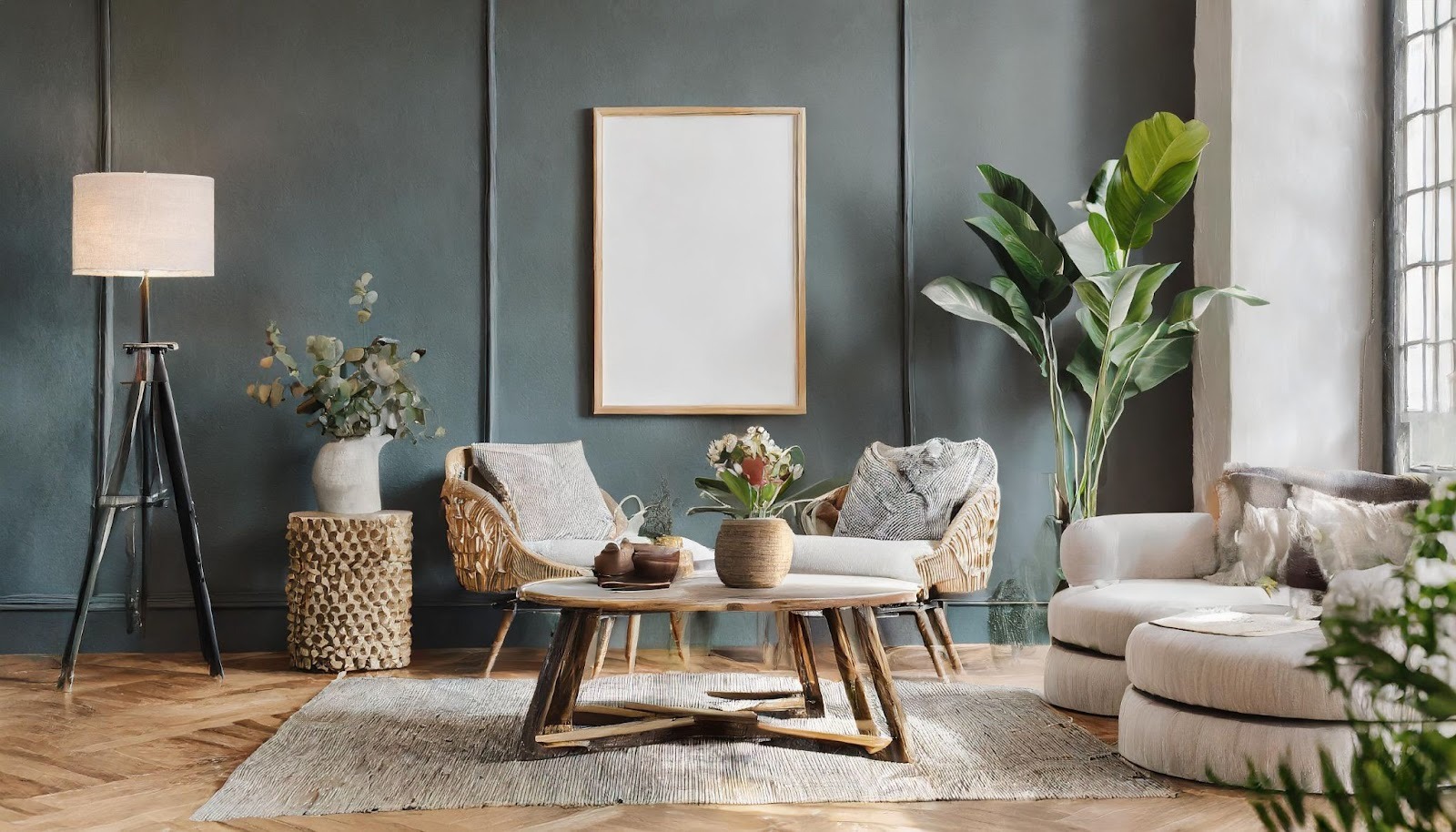
Where feng shui, wabi-sabi and minimalist flow meet in Malaysian homes
As the nation moves into 2026, interior design in Malaysia will be undergoing a quiet but intentional shift. Homes are no longer judged solely by how they look but by how they feel to live in. This depends on how smoothly they function, how intuitively they flow and how well they support everyday well-being. Feng shui, once widely associated with symbolism and ritual, has evolved into a form of spatial logic.
So when a designer says they are adopting feng shui today, they are usually using it as a holistic checklist to ensure a space feels balanced, safe and intuitive to move through. The result is a home that evokes a sense of natural tranquillity, even if the occupants aren't consciously thinking about Qi or luck.
Alongside this evolution, three major influences are shaping Malaysian interiors: the growing popularity of wabi-sabi and Japandi aesthetics, a more thoughtful approach to open-plan living and the strategic use of colour to shape mood and perception. Together, these elements reflect a modern, culturally sensitive interpretation of feng shui that aligns with contemporary lifestyles.
Embracing imperfection through wabi-sabi
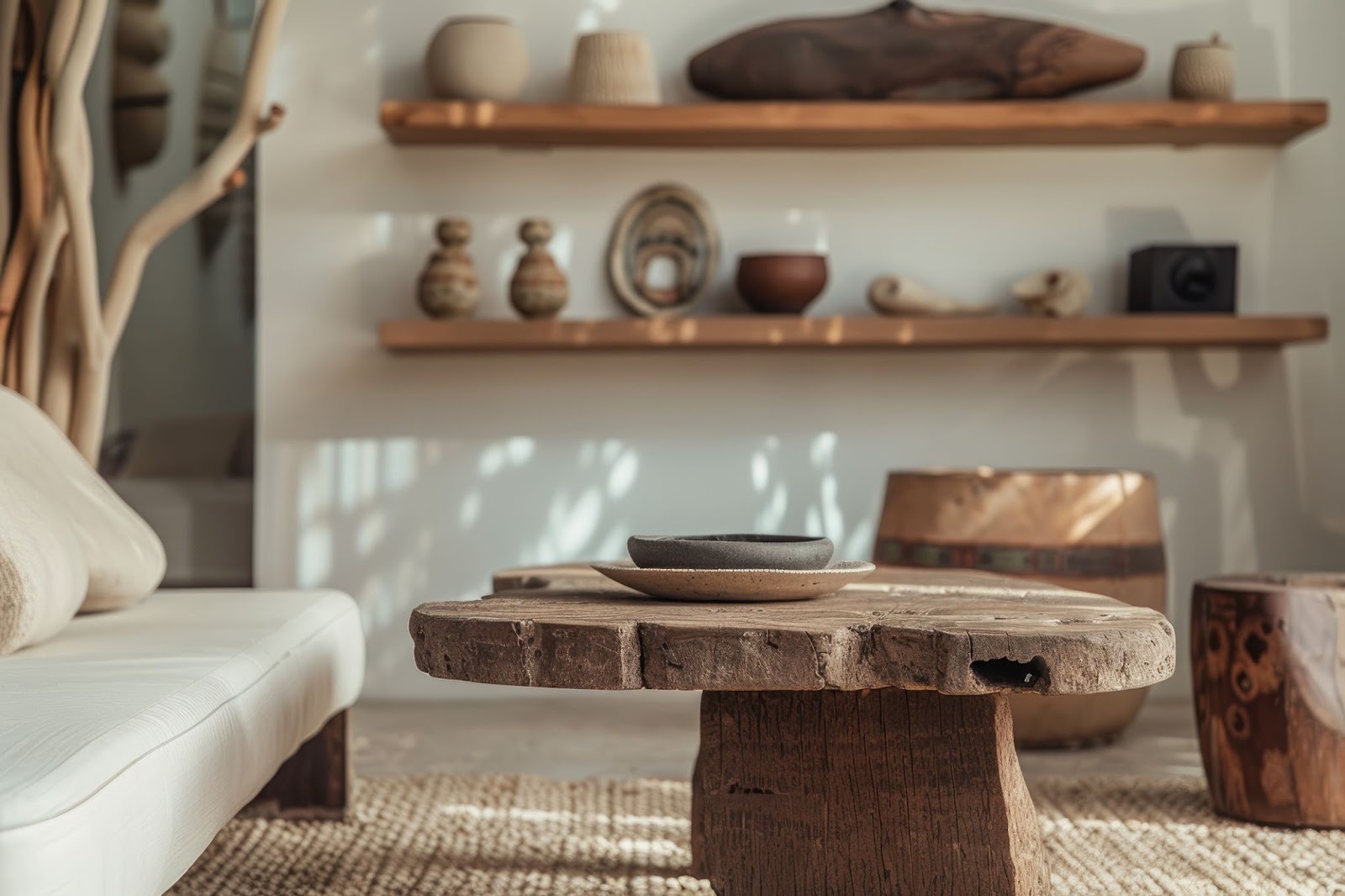
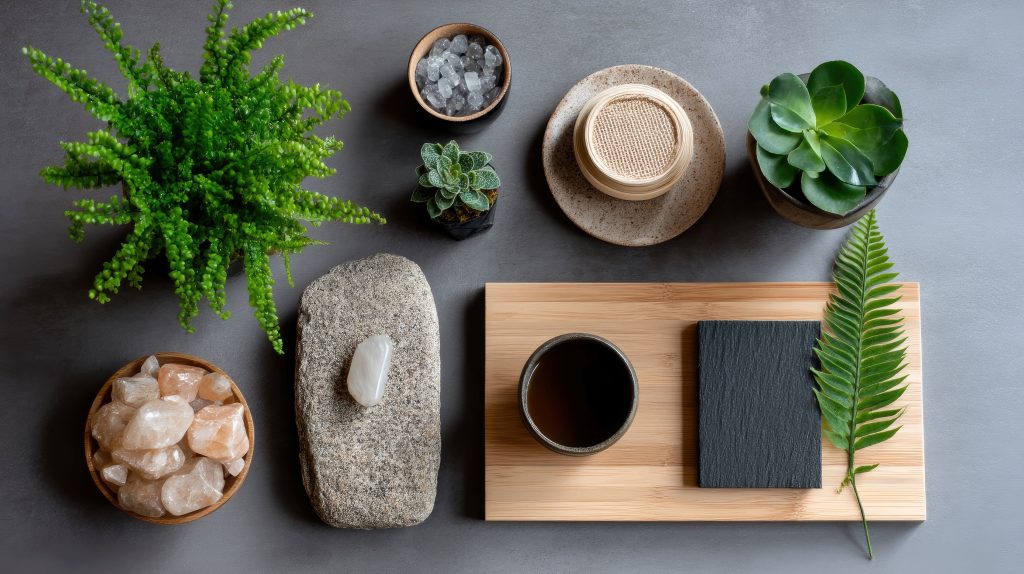
One of the clearest trends emerging in 2026 is a shift towards the philosophy of the Japanese wabi-sabi. By finding beauty in imperfection and the natural cycle of growth and decay, designers are prioritising texture, tactility and material honesty as their design choices.
There has been a rise in the preference for material honesty. Designers are reaching for the character found in clay-plastered walls, slight irregularities in stone surfaces and imperfect wood furniture. Textiles like cotton, wool and linen are chosen because of the way they wrinkle, soften and evolve over the years.
This preference for imperfection is not purely aesthetic. It reflects a desire to reduce visual tension and create interiors that feel restful and grounded. When combined with contemporary design, wabi-sabi produces spaces that feel deeply restful without having to try too hard.
Japandi: Calm, functional minimalism
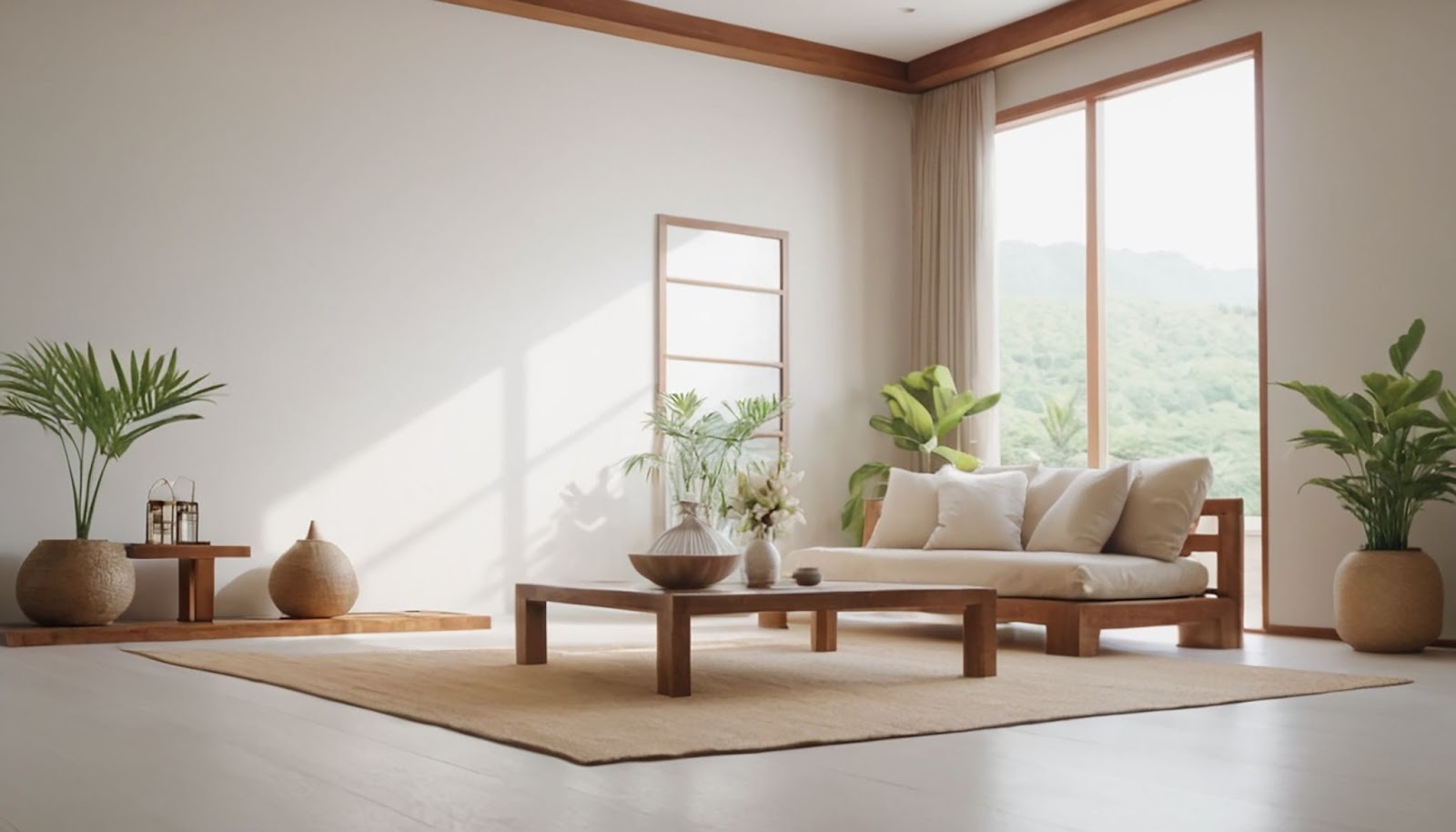
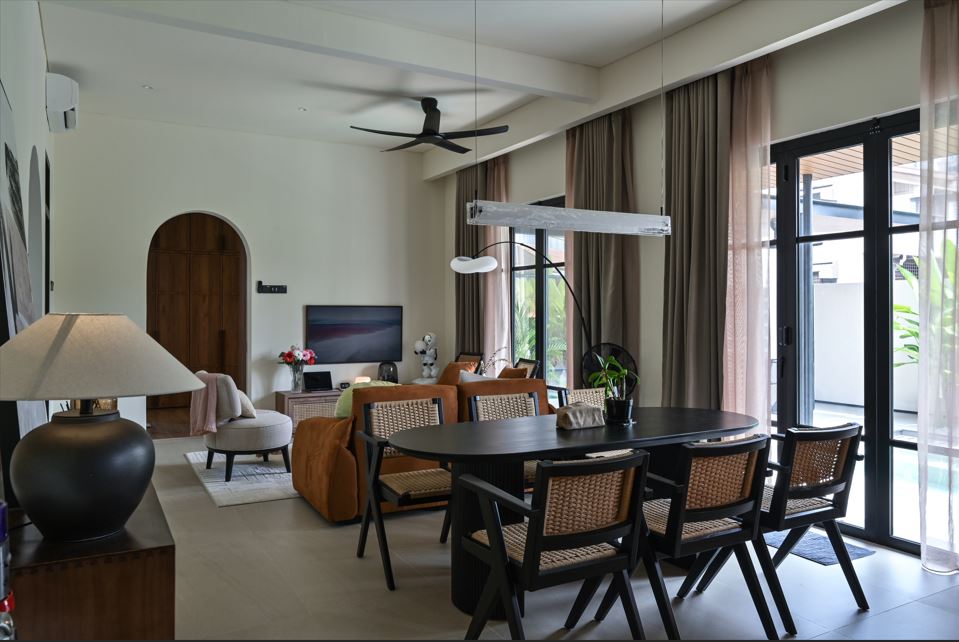
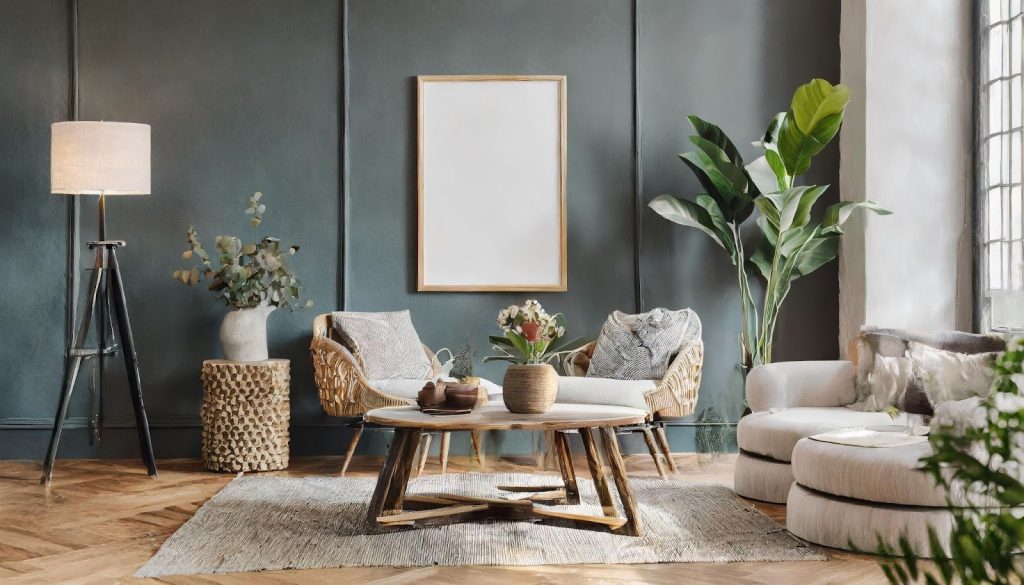
Complementing wabi-sabi is the continued rise of Japandi, a hybrid of Japanese restraint and Scandinavian functionality. In 2026, the Japandi take is all about simplicity with a purpose. It is that perfect middle ground where a room feels light and uncluttered, but every single object still feels like it belongs.
Lower furniture and rounded edges do more than just look good. They open up a room and make it easier to move around. There is a focus on leaving corners or spaces empty deliberately, giving the home breathing room. It’s a practical take on feng shui that feels essential for city living in Malaysia, turning a crowded space into a peaceful retreat.
Rethinking open-plan living
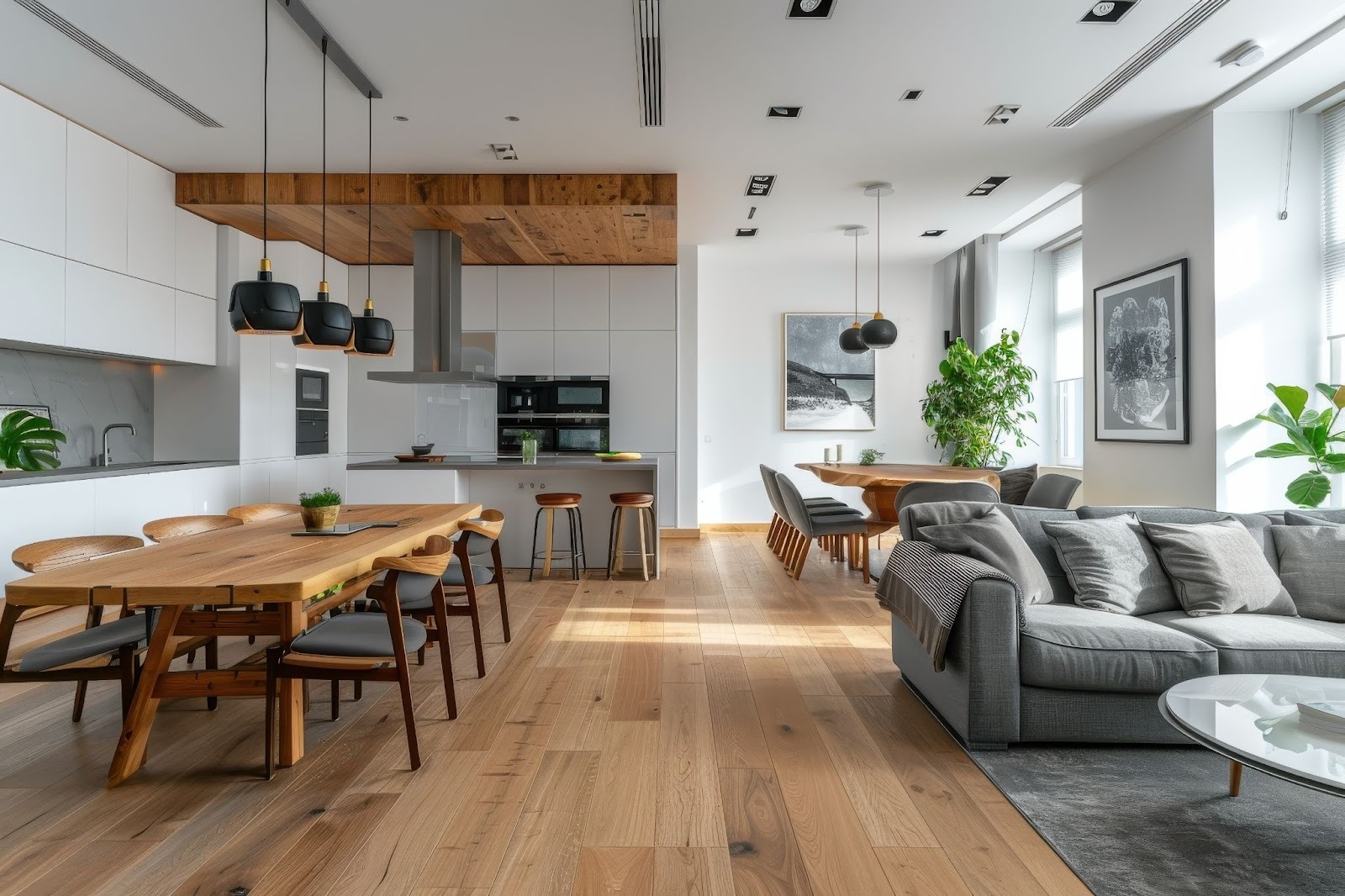
Open-plan layouts remain popular, but in 2026, they are becoming much more thoughtful and are approached with greater care. Instead of knocking down walls, designers focus on subtle visual anchors such as zoning techniques. Using soft rugs under the coffee table or dining table or a change in flooring to differentiate the area’s identity. This allows different functions to be created where a kitchen, living, dining and work zones can exist together without being a cluttered mess. By keeping storage tucked away and furniture low to the ground, energy or chi is permitted to flow naturally.
Colour as a design tool
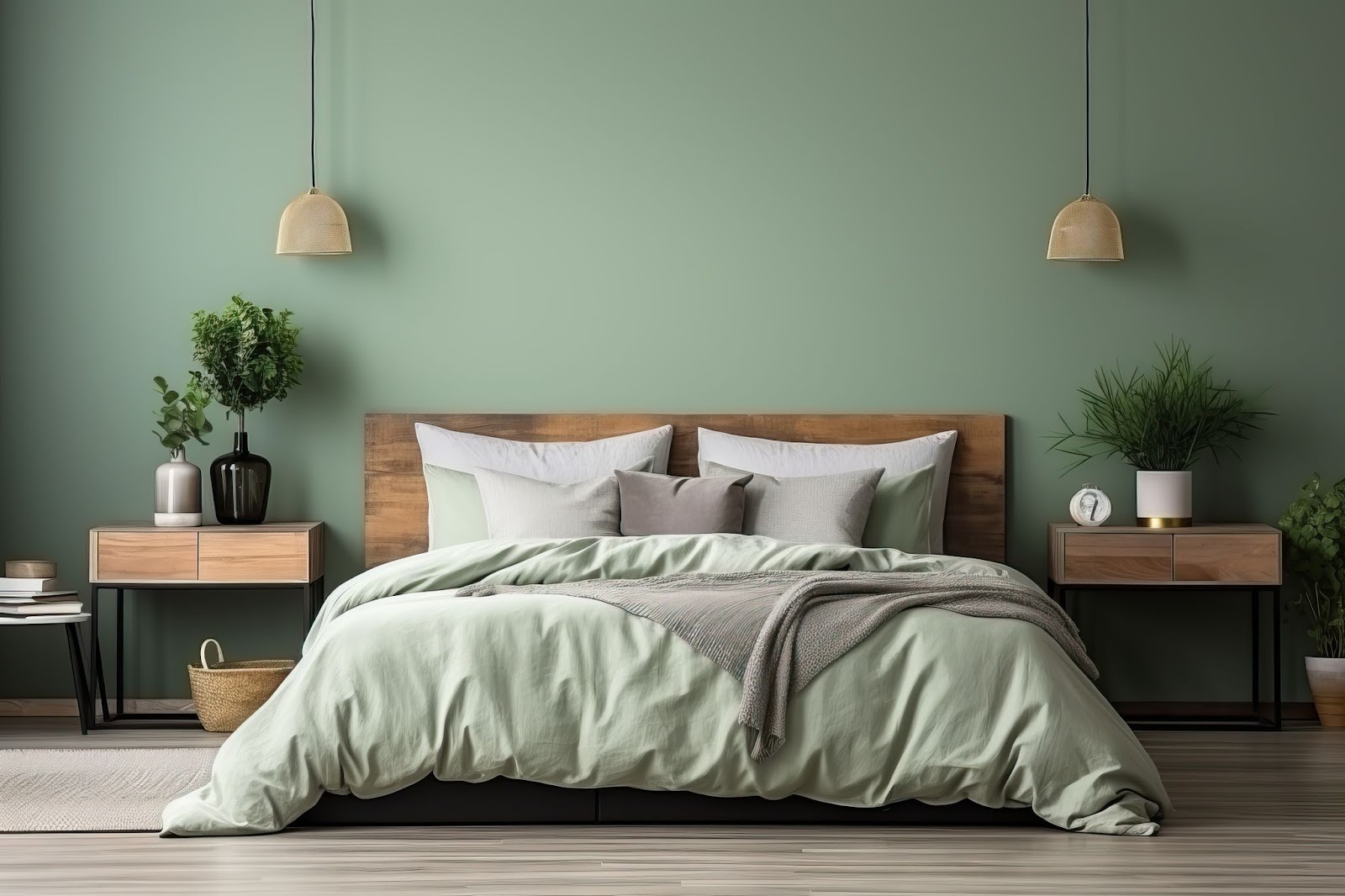
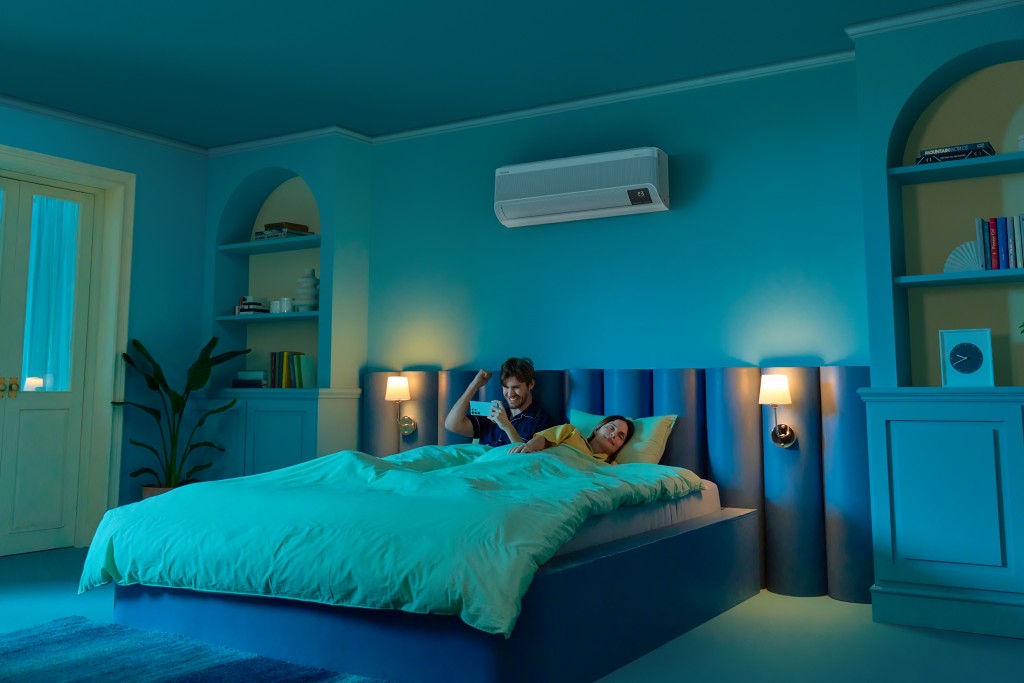
In 2026, colour serves as more than a decorative flourish and is becoming a functional tool for well-being. By using the same tones across walls, ceilings and trims, a technique known as colour drenching, where designers create seamless environments that feel far more spacious and less busy.
Especially in Malaysia’s bustling urban homes, this strategy helps lower the visual noise of multifunctional living. Pairing continuous colours with natural textures of Japandi style, the result is a home that doesn’t just look quiet, it actually helps feel more grounded.
This influence is also reflective towards Nippon Paint’s Colour of the Year 2026 palette featuring shades of Tree House, Woven Straw, Fern Fusion and Pioneer Red to reflect a deeper movement towards balance, calm and beauty.
Biophilic design beyond decoration
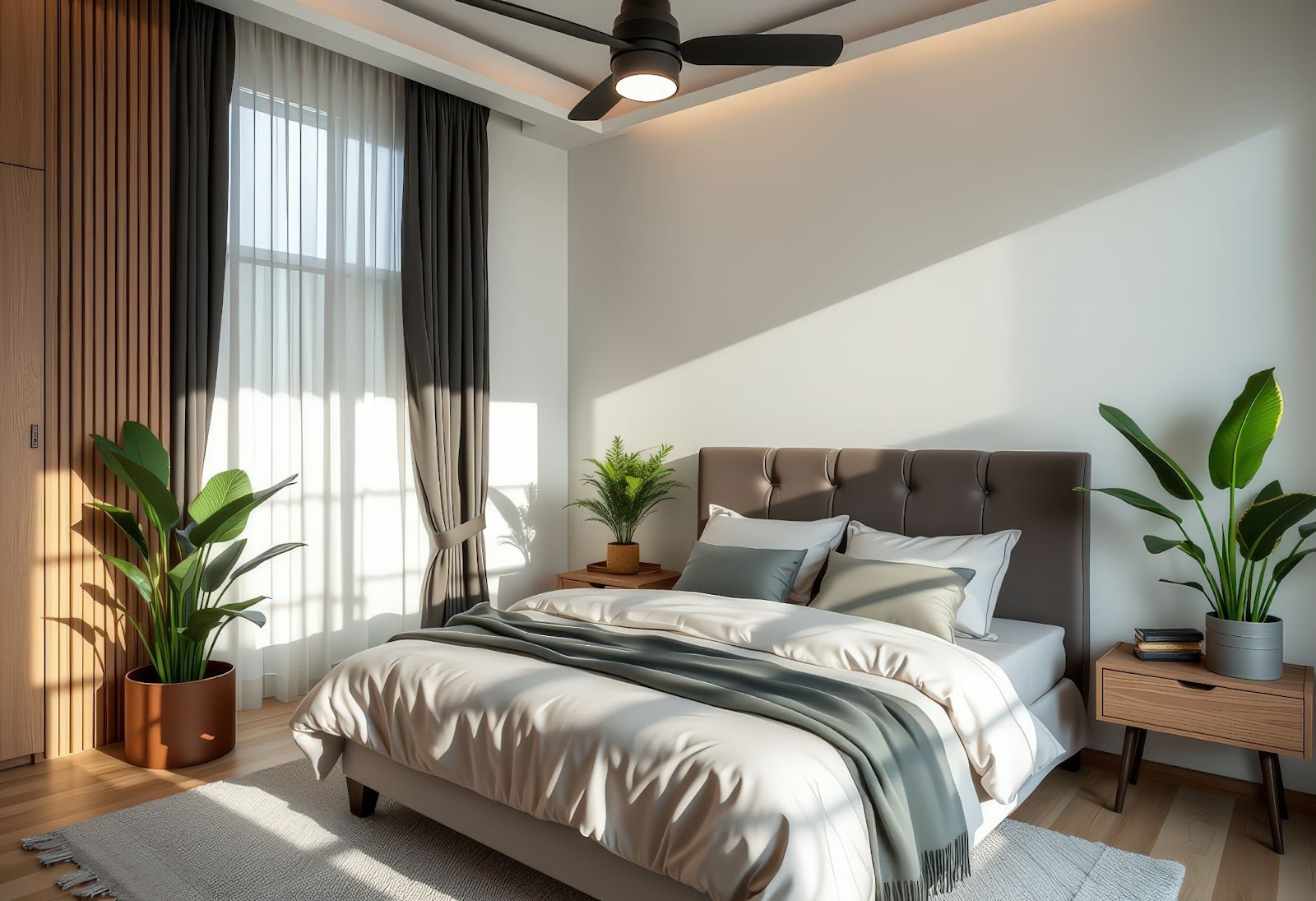
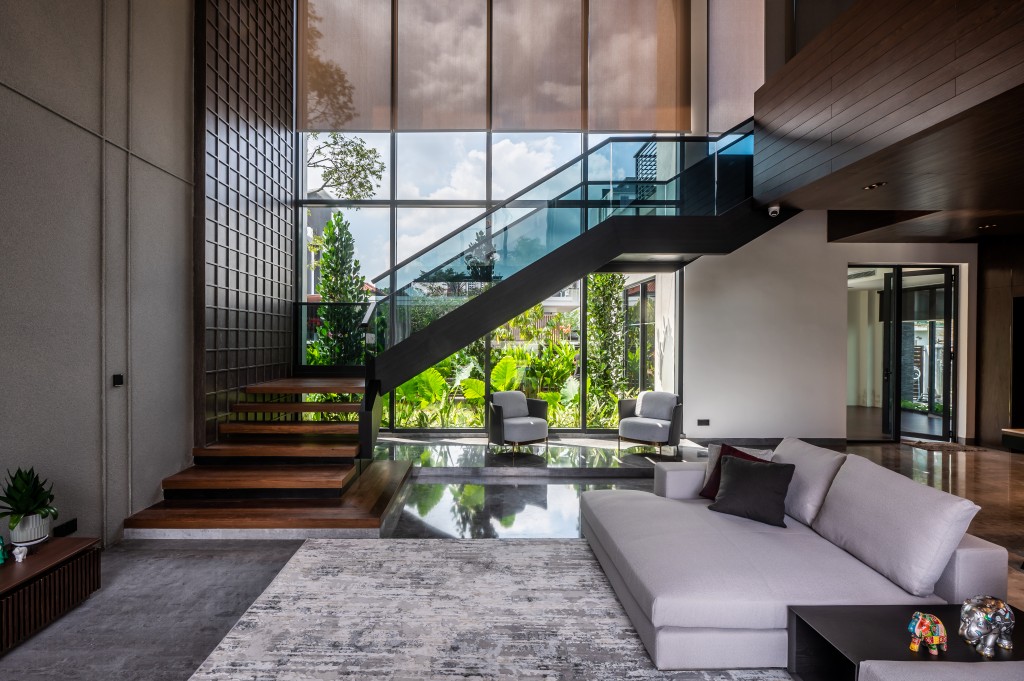
Biophilic design in 2026 moves beyond the addition of indoor plants. Natural elements are integrated architecturally with courtyards, airwells and generous openings bringing daylight and ventilation deep into the home. Sliding glass panels blur the boundary between indoors and outdoors while materials such as timber, stone, rattan and clay are used as core design elements rather than surface finishes.
In Malaysia’s tropical climate, this approach enhances comfort and reduces reliance on artificial systems. It also echoes feng shui’s long-standing principle of harmony between people and nature, interpreted through a contemporary lens.
Technology remains invisible
Modern interiors increasingly prioritise technology that supports daily life without dominating it. Lighting is recessed, wiring concealed and appliances integrated seamlessly into cabinetry. Adaptive furniture and built-in storage allow homes to function flexibly without visual clutter.
These choices align with both feng shui principles and modern expectations, supporting smooth movement, convenience and efficiency.
A calm and considered future
Despite strong global influences, cultural understanding remains essential in Malaysian design. Feng shui is no longer expressed through symbols, but through spatial clarity, orientation and circulation.
Design has moved beyond symbolic feng shui toward intentional layouts that prioritise circulation and natural light. By combining Japandi minimalism with biophilic elements, these homes create a quiet feng shui that isn’t just a look, but a felt experience of longevity and balance.
Stay ahead of the crowd and enjoy fresh insights on real estate, property development and lifestyle trends when you subscribe to our newsletter and follow us on social media.