

Automating the balance between heat and comfort
For first-time homebuyers stepping into 2026, the home is no longer just a place of shelter. It is a living system, shaped by predictive AI, connected devices and according to Chinese metaphysics, the energetic demands of the Year of the Fire Horse. Together, these forces position the smart home not merely as a modern convenience but as a kind of metaphysical filter, helping homeowners manage intensity, heat and volatility in the year ahead.
Technological advances have long shaped the way we live. From the introduction of the household refrigerator in 1913 to today’s voice-activated systems that regulate lighting, security and even the air we breathe, technology has steadily woven itself into the fabric of domestic life. What was once mechanical has become responsive and what was once manual is now intuitive. As the Fire Horse begins its energetic trot, families are increasingly considering how artificial intelligence (AI) and smart systems can act as a home’s modern guardian, quietly working in the background to restore balance.
In Chinese astrology, the Fire Horse is rare and famously intense. The Horse already symbolises speed, movement, independence and rebellion. Add the fire element and that restless energy becomes amplified. Metaphysical practitioners often associate this combination with heightened heat, emotional friction and confrontation. In practical terms, this intensity can manifest as restlessness, discomfort and a sense of things constantly being switched on. The question, then, is not how to avoid this energy but how homeowners can ride the wave while protecting their living spaces from its excesses.
Smart temperature control
Fortunately, Malaysians are no strangers to heat. Once again, as the Chinese New Year approaches, daytime temperatures regularly hover between 33°C and 34°C. Against this backdrop, smart HVAC systems and Internet of Things (IoT) enabled climate controls become the first line of defence. These intelligent thermostats analyse temperature patterns and humidity levels, automatically adjusting cooling output to maintain a comfortable and energy-efficient indoor environment without constant manual input.
Beyond cooling, smart air purifiers actively monitor indoor air quality, detecting pollutants and adjusting fan speeds in real time. The result is a home that feels consistently fresh and breathable, a subtle yet meaningful counterbalance to the fire element’s intensity.
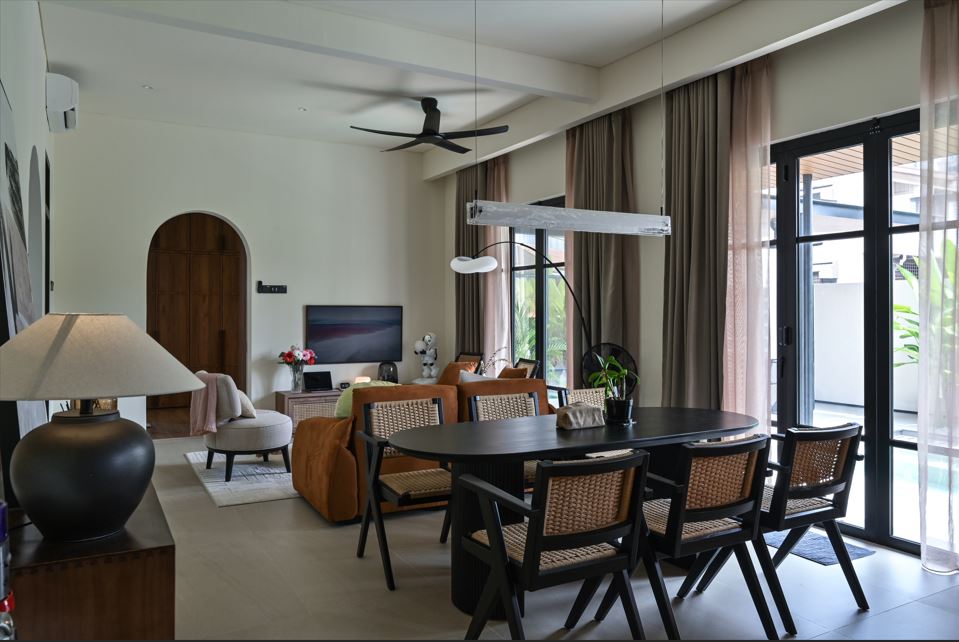
Comfort also extends beyond temperature alone. Automated blinds and curtains now respond to sunlight sensors, whirring and gliding shut the moment direct rays hit the floor. By limiting passive solar heat gain, these systems help prevent interiors from overheating and people from burning during peak afternoon hours. Paired with smart ventilation systems, connected exhaust fans and window actuators can open automatically when outdoor temperatures dip below indoor levels, enabling natural cooling through airflow and reducing reliance on air-conditioning.
Cooling from above
The roof plays a crucial role in regulating indoor heat, yet it is often overlooked. Borrowing inspiration from misting systems commonly seen at typical Malaysian restaurants, some homes are now adopting rooftop water spray systems. When sensors detect excessive surface temperatures, a fine mist is released over roof panels that reduces heat absorption before it transfers indoors. This added layer of protection helps keep internal temperatures just right, particularly during prolonged hot spells associated with the Fire Horse year.
Smart monitoring, safety and peace of mind
Right at the very heart of these systems is real-time monitoring. IoT sensors continuously track temperature, humidity and air quality in ways that allow homeowners to make adjustments directly from their smartphones. Fans can switch on automatically when humidity levels rise while alerts notify residents when conditions are not optimal any longer. For first-time homeowners, this automation reduces the stressful guesswork and decision fatigue. It is like getting reassurance as they learn how their home responds to different conditions.
Safety is another key concern, especially in a year associated with heightened fire energy. Smart fire detection systems beep early warnings by detecting smoke or abnormal heat levels and sending instant alerts to homeowners’ devices. In kitchens, connected appliances can now automatically cut power when smoke or excessive heat is detected, preventing small incidents from escalating into serious emergencies.
Over time, AI-driven systems have begun to learn household routines. They anticipate peak heat periods, recognise occupancy patterns and adjust settings before discomfort sets in. This shift from reactive to preventative control is why many homeowners now categorise AI as their personal guardians. Instead of responding to problems, the home quietly organises itself to prevent them.
A calmer, more balanced way of living
Consider a typical late afternoon when the sun is at its strongest but the blinds have already closed. The living space remains cool without the air-conditioner running at full power. Indoor air quality stays optimal while rooftop cooling systems limit heat transfer from above. Notifications arrive only when needed, leaving the home calm rather than overwhelming.
As energy costs continue to rise, these intelligent systems also help to optimise consumption. Cooling is delivered where and when it is needed, rather than wasted through constant manual adjustments. Sustainability becomes a natural by-product of efficiency, rather than an added burden.
As 2026 approaches, the advantages of smart living are becoming even clearer than ever before. Intelligent systems help lower energy use, enhance daily comfort and provide peace of mind through continuous monitoring and safety features. More importantly, they allow homeowners, especially those buying their first home, to create living environments that respond intuitively to both physical and energetic shifts.
In a year defined by speed, heat and intensity, the smart home becomes more than a technological upgrade. It becomes a stabilising presence, cooling the Fire Horse’s blaze, restoring balance and allowing households to move confidently through the year ahead.
Stay ahead of the crowd and enjoy fresh insights on real estate, property development and lifestyle trends when you subscribe to our newsletter and follow us on social media.