

By Joseph Wong
The anticipated arrival of 47 million international tourists for Visit Malaysia Year 2026 (VMY 2026) is more than a tourism milestone. It is the catalyst for a fundamental structural shift in the Malaysian rental market. And with a projected RM329bil in tourism spending, this massive injection will create a perfect storm for property investors, particularly those positioned in the high-yield short-term rental (STR) sector.
Hotel operators are also optimistic. According to Henry Butcher Malaysia, the nation has 3,645 hotels as of Q3 2025. The tourism sector attracted 38.5 million international tourists as of November 2025, compared to 25,016,968 international tourists in 2024 which generated RM106.8bil in tourism receipts. Compared to the top five Asian destinations (see Table 1), Malaysia easily tops the list.
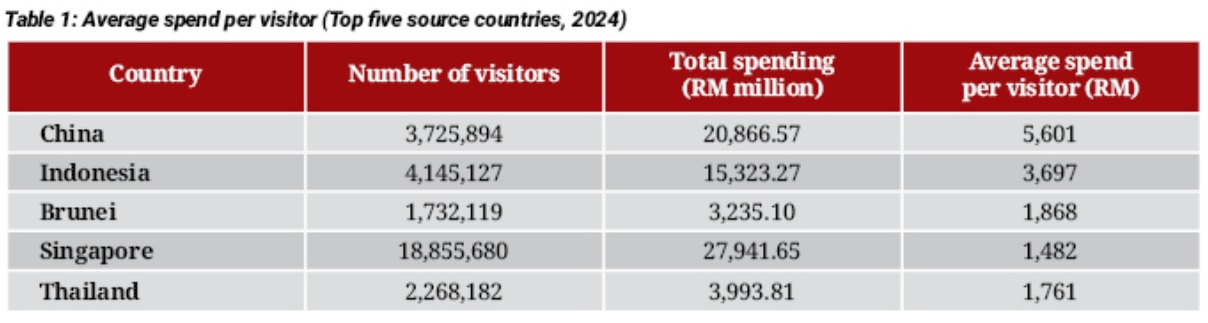
As of the first eight months of 2025, the tourism industry generated RM186.4bil with an expected final count of RM216bil in tourism receipts for 2025, said Henry Butcher Malaysia chief operating officer Tang Chee Meng.
"The country recorded a 3.6% rise in the number of hotel guests in the first nine months of 2025 from 73.6 million to 76.3 million," he said, adding that the number of international guests went up by 4.5%.
For the rental market, VMY 2026's most immediate impact is the injection of roughly RM22bil directly into accommodation-related spending. This massive infusion of capital is expected to accelerate the Short-Term Rental Pivot, where landlords transition traditional long-term tenancies into high-velocity tourist rentals, said Juwai IQI co-founder and group chief executive officer Kashif Ansari.
"Property is the primary destination for about 18% of all tourism spending," explained Ansari. "As we approach 2026, the demand for short-term stays will outpace traditional residential supply in key urban and resort hubs, driving up both occupancy rates and daily rates."
Yield expansion in sight
Malaysia is currently poised to follow the trajectory of regional hotspots like Phuket and Bali. In these markets, the post-pandemic tourism boom created a supply-demand imbalance, resulting in rental yields that skyrocketed to 9% or 10%, nearly double the current Malaysian average.
In Kuala Lumpur, where average rental yields currently sit at 4.93%, and Georgetown at 3.68%, the VMY2026 surge offers a rare window for yield expansion. "We are seeing the gap between traditional long-term rentals and high-yield STRs widen," Ansari noted. "Agile investors who move into short-term markets now are positioning themselves for returns that could soon rival the most lucrative destinations in Southeast Asia."
Data from Airbtics already ranks Malaysia as home to two of the top ten short-term rental markets in Southeast Asia. Current average occupancy rates in Kuala Lumpur, Kota Kinabalu and Georgetown are holding steady at 59% or higher. With the influx of 47 million visitors, these rates are projected to climb significantly, pushing units well above the breakeven threshold and into high-profit territory.
The multiplier effect of this spending also stabilises the broader market. Tourism contributes an average of RM3,500 in economic activity for every Malaysian, enhancing local purchasing power and supporting the secondary rental market as workers in the tourism and services sectors seek housing in well-connected hubs.
Rise of the hybrid rental
The projected RM22bil in accommodation spending is expected to concentrate in three key real estate segments:
- Dual-key and managed apartments: Investors are increasingly seeking dual-key units that allow for flexible rental strategies—operating one half as a short-term tourist rental while keeping the other for long-term tenancy or personal use.
- Branded residences: With the influx of high-spending tourists, there is a growing demand for branded residences that offer hotel-grade services, particularly in the KLCC and Bukit Bintang corridors.
- Wellness and eco-resorts: Following the global trend of Slow Travel, significant capital is flowing into secondary markets like Sabah and Sarawak, where eco-tourism is driving the development of niche resort properties.
Infrastructure as a demand driver
The success of VMY 2026 is inextricably linked to Malaysia's infrastructure milestones. The progress of the Johor-Singapore Causeway transit links and the expansion of regional airports are facilitating easier access for the 47 million expected guests.
"At Juwai IQI, we expect tourism to become a reliable and powerful driver of Malaysia’s property market growth," said Ansari. "The visibility created by VM2026 will put Malaysia on the global stage, making it a primary destination for both travellers and international property investors."
The convergence of celebrity-backed campaigns, government policy and organic market demand has created a perfect storm for the Malaysian property sector. The transition from 38.3 million to 47 million visitors represents the absorption of existing stock and the catalyst for new, innovative hospitality-residential hybrids.
As the industry looks toward 2026, the message for developers and investors is clear: those who align their portfolios with the needs of the international traveller, prioritising location, flexible management and high-quality amenities, stand to reap the rewards of this RM329bil windfall.
The stage is set, the spotlight is on and if the early signals from 2025 are any indication, Malaysia’s rental property market is ready for its greatest performance yet.
This article was first published in StarBiz 7.
Stay ahead of the crowd and enjoy fresh insights on real estate, property development and lifestyle trends when you subscribe to our newsletter and follow us on social media.