
The ground-breaking materials poised to redefine Malaysian construction if adopted
By Joseph Wong
As Malaysia’s property sector navigates a complex landscape of rising household debt and shifting demographic ratios, the industry stands at a crossroads. While the conversation often centres on price engineering and lending risks, the true evolution of the built environment lies in the physical components of the structures themselves. In 2026, innovation is no longer a peripheral concern but the primary driver of asset resilience.
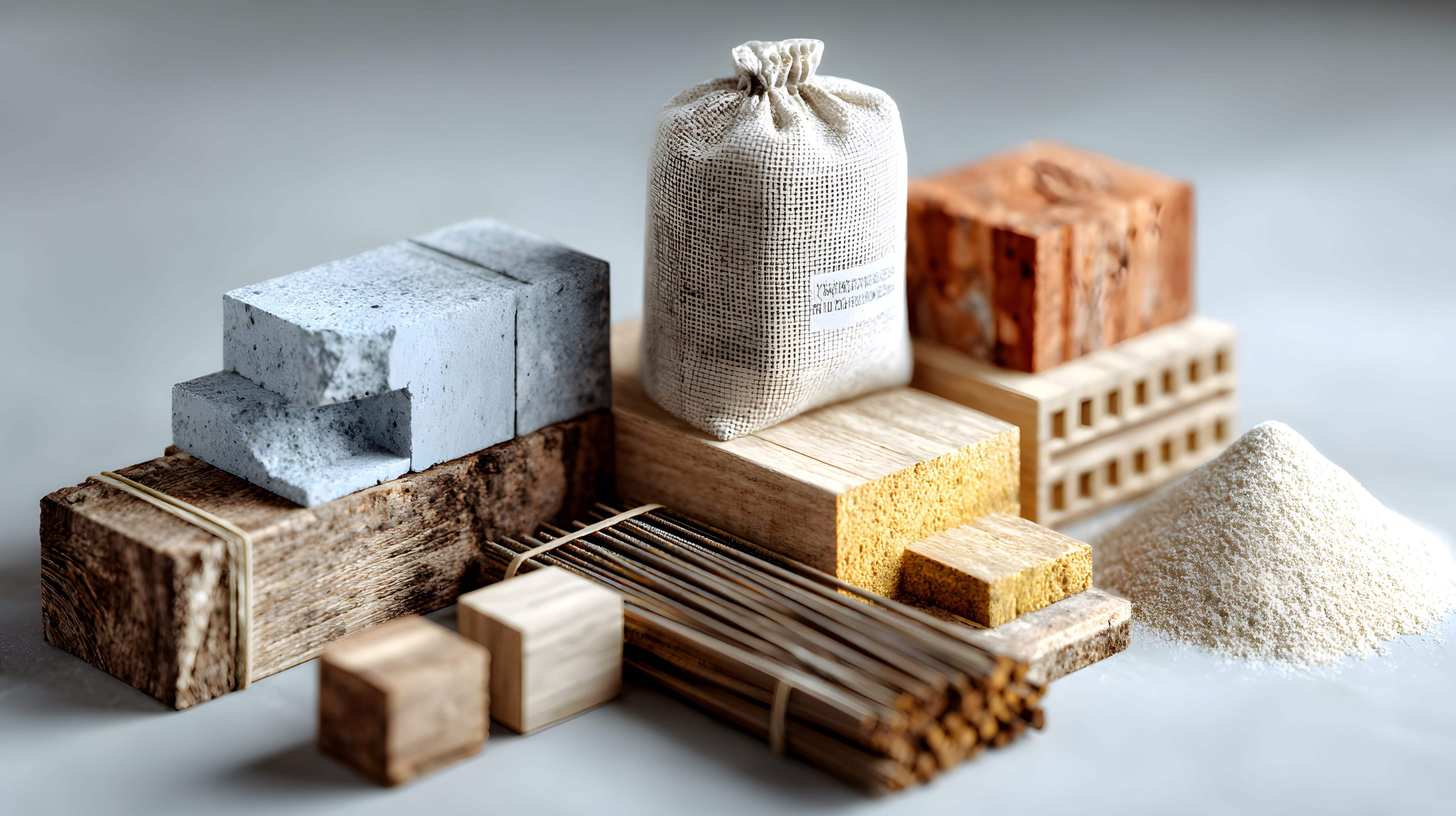
To bridge the gap between current ugly practices and a sustainable future, the nation must look at the innovative building materials yet to be fully adopted by the Malaysian market. These are the technologies that turn a building from a passive concrete shell into an active, value-generating asset.
Pollution-absorbing bricks
With climate change and urban air quality becoming central to the environmental, social and governance (ESG) agenda, architects are seeking ways to reduce a structure's carbon footprint. Enter the pollution-absorbing bricks, which unlike traditional masonry, are designed as a functional part of a building’s ventilation system.
It utilises a central cyclone filtration system to act as a vacuum, actively pulling pollutants from the air, separating heavy particles into a removable hopper and releasing filtered air into the interior. Because it can be integrated into standard cooling systems or window-adjacent walls, it offers a seamless transition into current construction workflows, effectively turning high-rise facades into urban air purifiers.
Hydroceramic cooling bricks
In Malaysia’s tropical climate, cooling represents the single largest operational cost for property owners. Innovation from the Institute of Advanced Architecture of Catalonia offers a radical alternative: Hydroceramics.
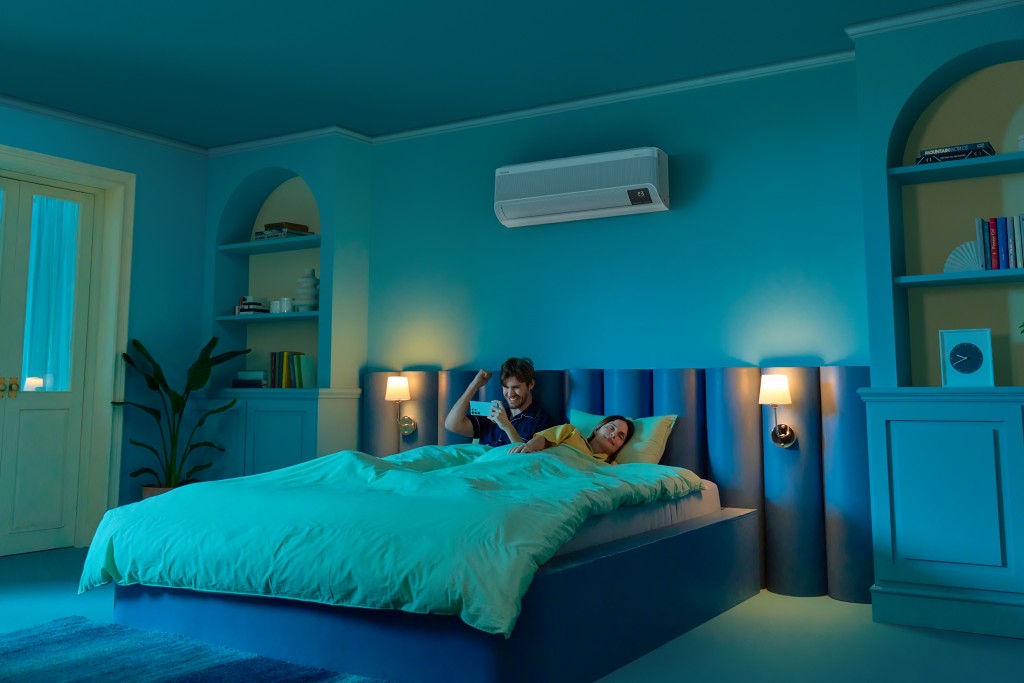
By combining clay with hydrogel, these cooling bricks can absorb water up to 500 times their weight. On peak heat days, this water is released through evaporation, reducing interior temperatures by as much as 6°C. This technology has the potential to make traditional, energy-hungry air conditioners obsolete, significantly lowering the cost of living for end-users which is a tangible benefit that moves beyond mere climate rhetoric.
Structural resurrection
The collateral risk discussed in previous features often stems from the hidden degradation of concrete. Dutch engineer Dr Schlangen and microbiologist Hendrick Jonkers have pioneered two distinct paths for self-healing concrete that could save millions in maintenance.
- The thermal approach: Dr Schlangen’s concrete utilises heat to melt and reform the material, closing cracks as it cools.
- The biological approach (bioconcrete): Jonkers’ bioconcrete is infused with bacillus bacteria encapsulated with calcium lactate. When a crack forms and water enters, the bacteria awaken, consume the lactate and produce limestone to fill the gap.

The low-carbon aesthetic
Developed at Stockholm’s KTH Royal Institute of Technology, translucent wood is created by removing the lignin from wood veneer and applying nanoscale tailoring. The result is a renewable, low-cost material that offers the transparency of glass with the structural strength and thermal properties of wood. Professor Lars Berglund suggested this could revolutionise solar panel substrates and window design, providing a high-performance, renewable alternative to energy-intensive synthetic materials.
Buildings as power plants
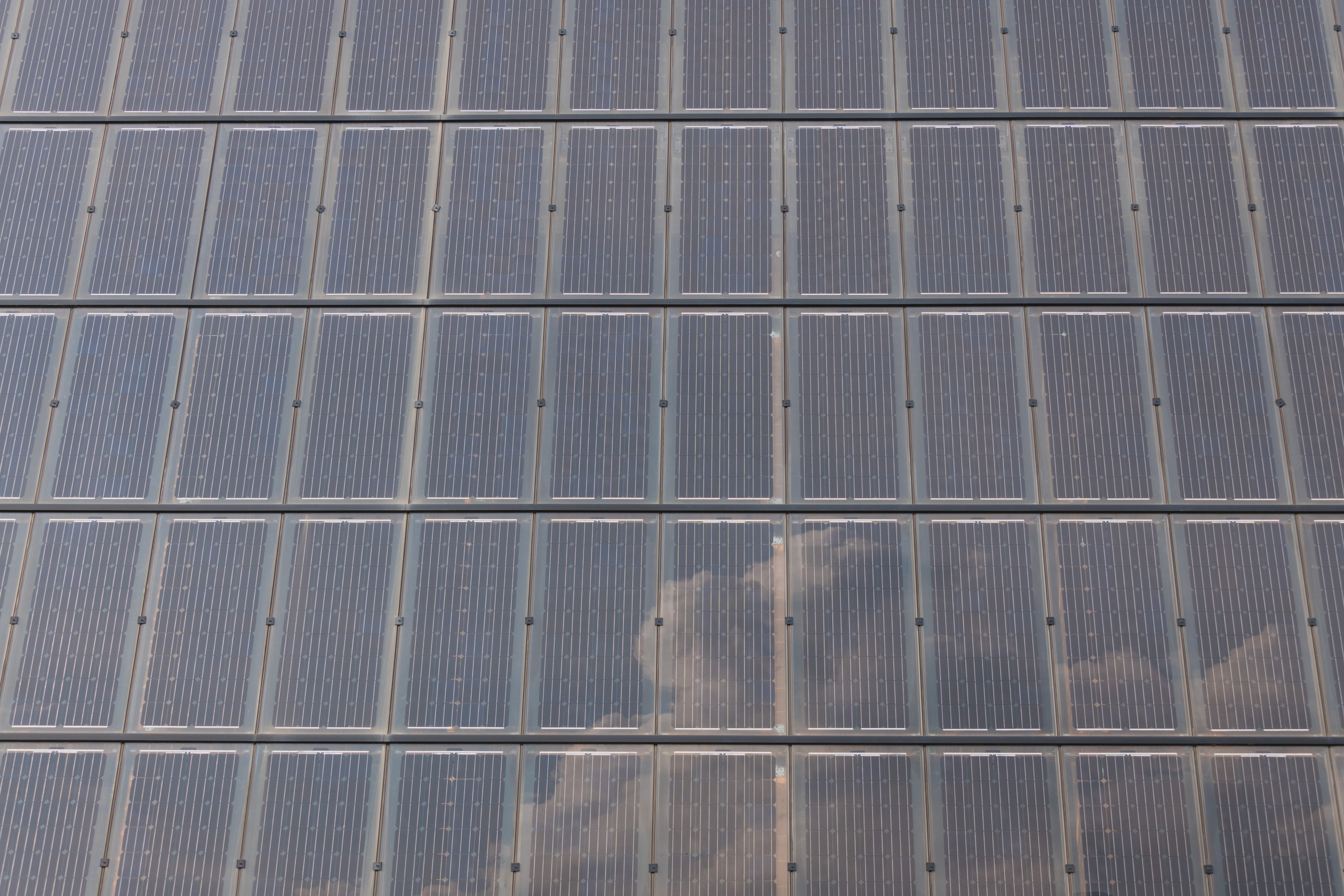
Building Integrated Photovoltaic (BIPV) glazing is perhaps the most significant development in energy-neutral construction. Companies like Onyx Solar and Polysolar have moved beyond stuck-on solar panels to power-generating glass.
- Amorphous silicon glass: Best for overcast or diffuse light conditions (common in Malaysia’s tropical afternoons), this glass mimics architectural tinting while generating clean energy.
- Crystalline silicon glass: Capable of generating twice the power, these are ideal for sun-facing facades, functioning as both a structural skin and a high-yield solar farm.
Self-cleaning finishes
As high-rise structures dominate the KL skyline, the cost and danger of cleaning glass facades have skyrocketed. Self-Cleaning Claddings utilise nanotechnology to create surfaces that reject water, oil and dust. By eliminating the need for harsh chemicals and excessive water use, these finishes earn significant sustainable architecture points while reducing the long-term operational expenditure for Joint Management Bodies (JMBs).

The new weight class
Innovation is also redefining the strength-to-weight ratio of our cities. Two innovations include aluminium foam and floating concrete. The former comprises a network of interconnected metal pores that offers extreme weather resistance and structural integrity with minimal weight.
In the case of floating concrete, by mixing specialised air-trapping additives or expanded clay, this material is less dense than water. In Malaysia, where suburbs are increasingly prone to flash floods, floating concrete offers a path toward buoyant docks, pontoon bridges and flood-resilient construction panels.
Pervious concrete
Perhaps the most urgent material for Malaysian urban planning is pervious concrete. Designed with high porosity and minimal fine aggregates, it allows water to pass directly through the slab into the subgrade. This is a critical tool for recharging groundwater and preventing the urban heat island effect but its most vital role is in flood prevention, turning parking lots and walkways into giant drainage sponges.
A forceful reality check
The process of incorporating these materials into the Malaysian market is not as straightforward as science suggests. Every project is governed by a rigid set of protocols and the high-stakes friction between sales-driven developers and risk-averse lenders often stifles the adoption of anything unconventional.
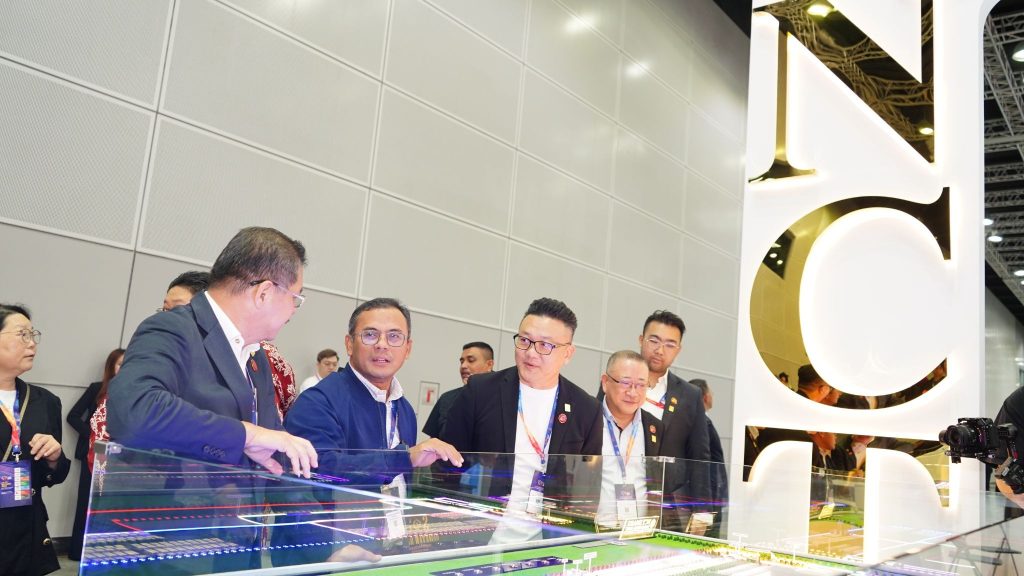
“The construction and real estate industries are increasingly adopting innovative building materials and construction methods to improve efficiency, sustainability and building performance. But in Malaysia, innovation is largely driven by the need to improve productivity, reduce labour dependency and support sustainable development,” noted Building Materials Distributors Association of Malaysia (BMDAM) president Lim Chun Heng.
For innovation to take root in Malaysia, it must prove its utility. A cooling brick that lowers a monthly TNB bill or self-healing concrete that prevents a condominium’s value from plummeting due to structural cracks are not just green ideas. They are financial imperatives.
As the Construction Industry Development Board (CIDB) continues to refine the IBS roadmap and organisations like BMDAM scout the globe for these materials, the goal is to move from a market of engineered prices to a market of engineered excellence. It will take time. The invention of these incredible materials proves that a cleaner, safer and more sustainable future is not just possible but is currently being manufactured. Whether these materials are ultimately adopted, it remains to be seen.
Stay ahead of the crowd and enjoy fresh insights on real estate, property development and lifestyle trends when you subscribe to our newsletter and follow us on social media.