

Countries are adapting to rising population and urbanisation
As cities grow denser and climates change, the way we live is evolving. Across the globe, architects and developers are rethinking homes to balance efficiency, sustainability and quality of life. From micro-living in Japan to floating homes in the Netherlands, modern properties are more than shelter. They are actually an experience. Malaysia has played a pioneering role in certain trends too, blending global inspiration with local innovation.
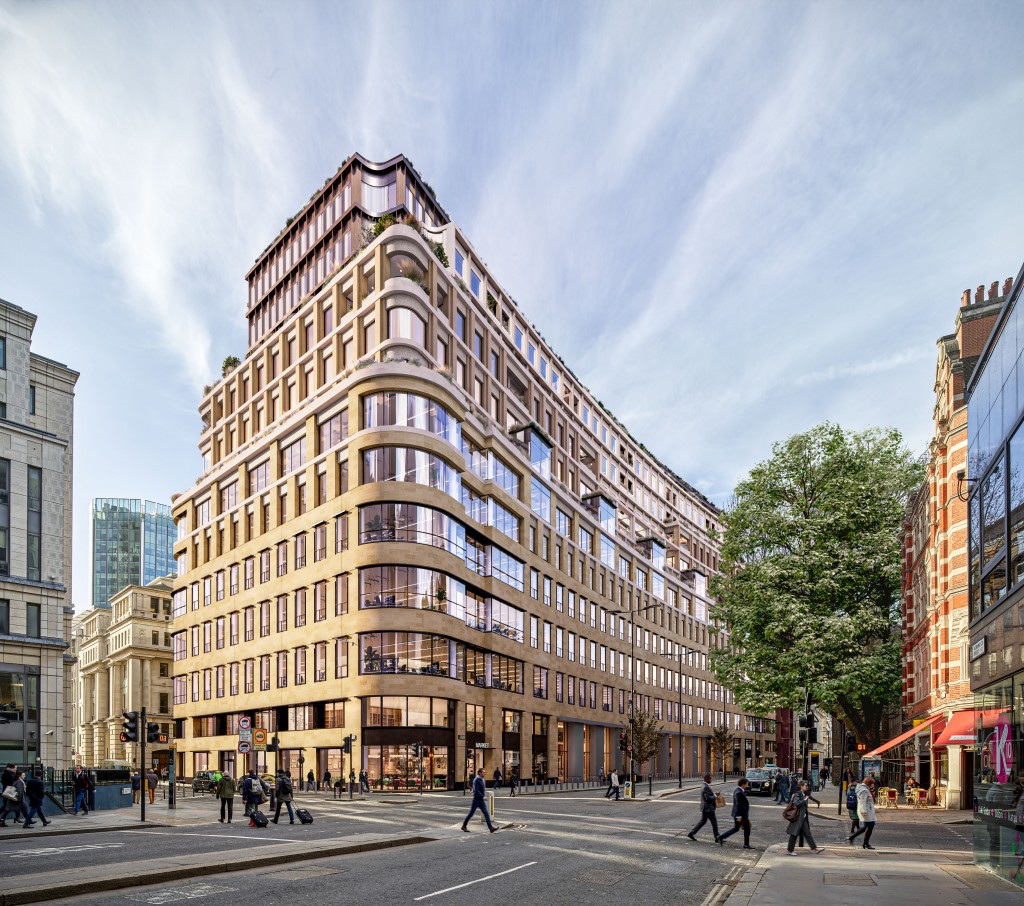
These shifts are proven by powerful demographic forces. According to United Nations estimates, more than 55% of the world’s population now lives in urban areas, a figure expected to rise to nearly 70% by 2050. At the same time, household sizes are shrinking across many countries, with more people living alone or in smaller family units. In dense cities such as Tokyo, newly built apartments are often under 753 sq ft, reinforcing the need for smarter and more efficient layouts. Together, these trends are pushing developers to prioritise adaptability and liveability over sheer size.
Compact living
Japan’s micro-living movement is setting the tone for space-conscious design worldwide. In cities where land is scarce, architects are refining compact homes even further. Some are even using creative origami structures, glazed facades and multifunctional interiors to make small spaces feel expansive. Even a 646 sq ft apartment can offer a sense of openness, connecting seamlessly with nature.
Another trend gaining traction is the Akiya phenomenon, which is abandoned rural homes sold at low prices to buyers willing to renovate and repurpose them. Many are transformed into retreats or remote-work sanctuaries, offering a peaceful alternative to urban living.
Other cities are adapting similar ideas at scale. In South Korea, the Seoul city government has encouraged creative reuse of vacant houses through architectural competitions and redevelopment projects, turning neglected properties into community libraries, cafes and artistic spaces. This approach not only breathes life into old buildings but also encourages local engagement and cultural activity.
Such global examples highlight how underused properties can be revitalised in innovative ways. In Malaysia, similar ideas are emerging in older townships and heritage areas too, where abandoned or underutilised buildings are being transformed into co-working spaces, boutique hotels or community hubs. These initiatives show that lessons from Japan and Seoul can inspire local solutions that combine sustainability, creativity and social value.
Climate-responsive design
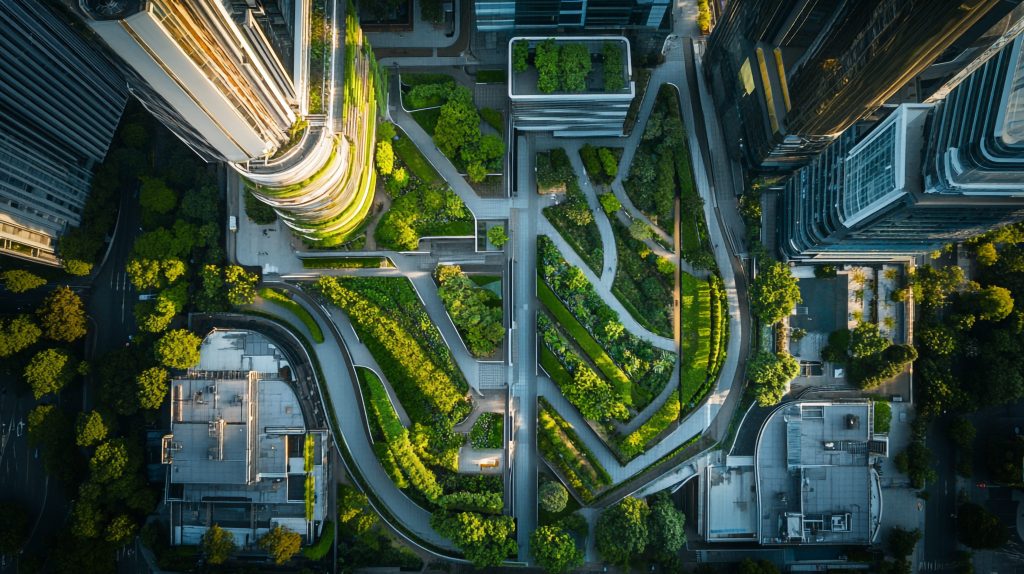
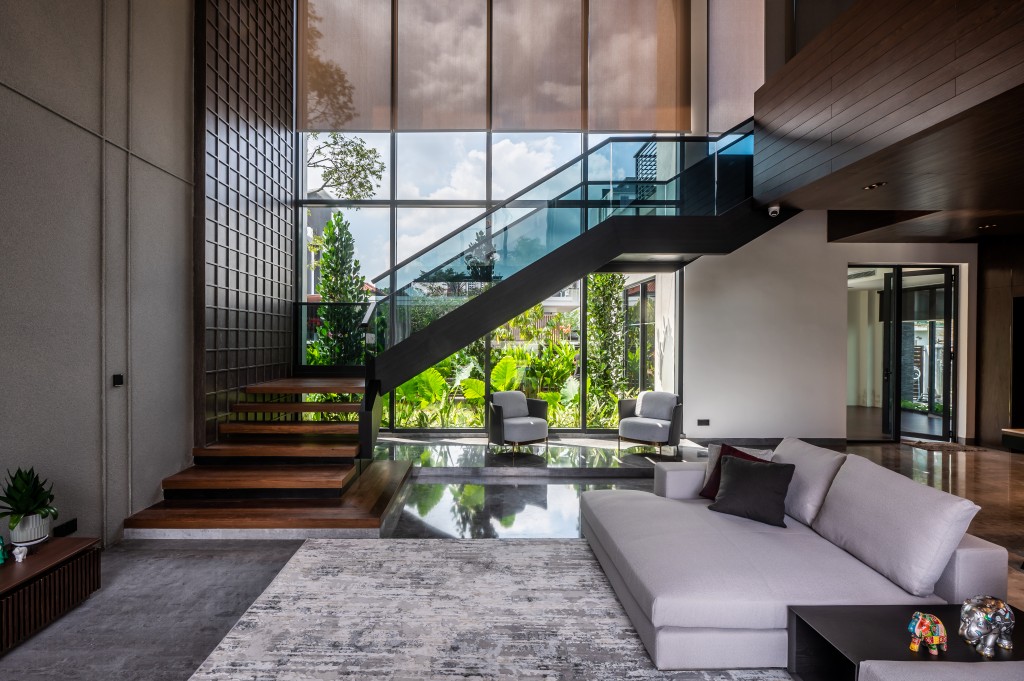
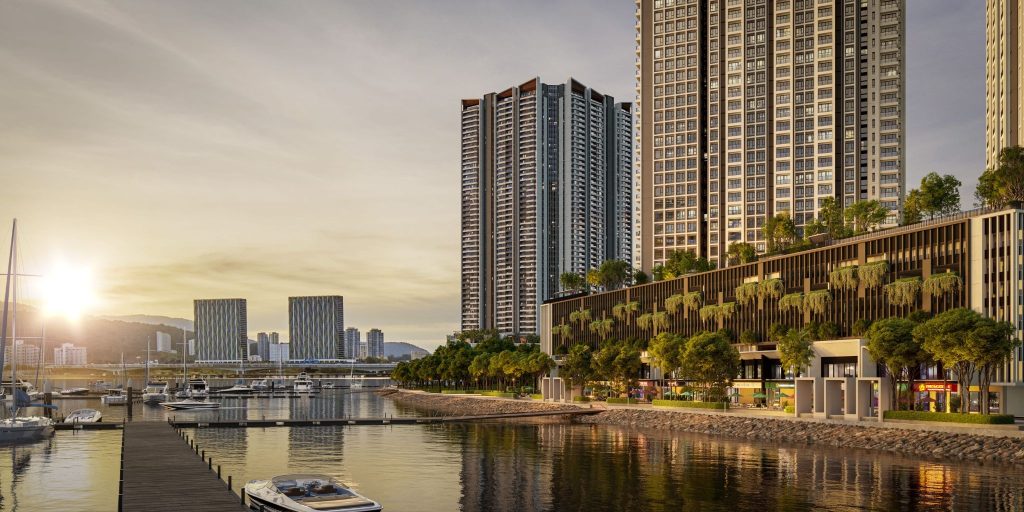
Globally, homeowners are increasingly drawn to nature-focused living. Known as biophilic design, integrating natural elements into architecture is steadily gaining popularity. There are also properties based around the blue mind philosophy, which describes the calming, restorative and healthy state of mind experienced when near or simply thinking about water.
Buildings are also at the centre of the climate conversation. Globally, the built environment is responsible for close to 40% of energy-related carbon emissions. As energy costs rise and climate risks become more and more evident, homebuyers are prioritising energy efficiency and resilience. Features like passive cooling, natural ventilation and water-sensitive design are increasingly seen not as luxury add-ons but as practical responses to environmental and cost pressures, especially for homes in warmer and flood-prone regions.
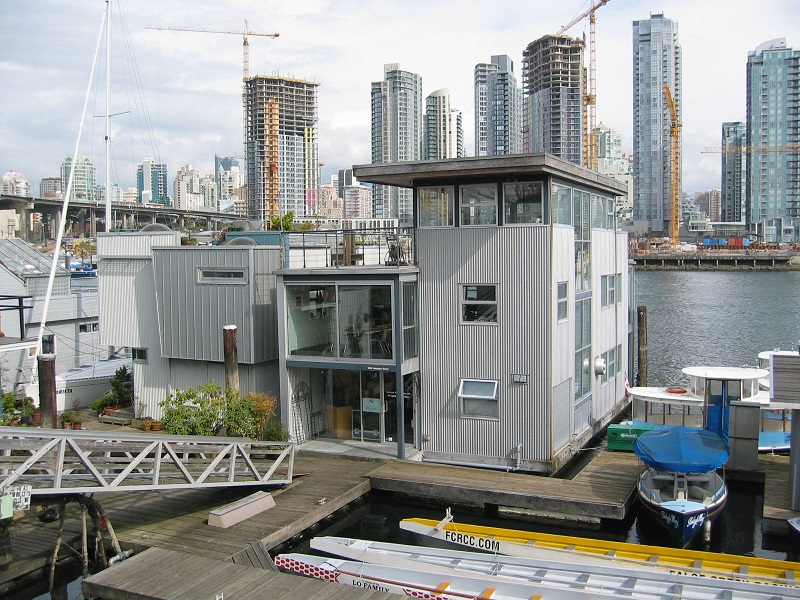
Homes like these are often purpose-built around bodies of water. The Netherlands has embraced floating homes to combat rising sea levels, creating fully equipped waterfront residences complete with fibre internet and modern amenities. Meanwhile, suburban farmhouses with rooftop gardens and courtyards provide a peaceful, nature-centred lifestyle, bringing closer the concepts of rural calm and urban convenience.
Cultural influences also shape design. In Finland, in-apartment saunas are a staple of wellness. Italian homes feature secondary kitchens for heavy meal preparation while keeping the main area social-ready. Central Europe is witnessing a revival of communal living, with shared laundry spaces in Germany and Switzerland that conserve space and keep homes quieter.
Future of smart living
High-end properties are embracing smart technology to make homes more intuitive. Soon, discreet artificial intelligence systems are expected to manage lighting, climate and energy usage automatically to optimise comfort and wellness. Energy-positive buildings equipped with features such as solar panels and integrated storage are becoming a standard rather than a novelty.
Smart systems are also delivering measurable benefits. Studies suggest that smart energy management technologies can reduce household energy consumption by between 10% and 20% through automated lighting, temperature control and usage monitoring. As these systems become more affordable, they are gradually moving beyond luxury developments into mid-market housing, reflecting growing demand for homes that are both connected and cost-efficient in the long term. Even fractional ownership, backed by crowdfunding and blockchain, allows younger generations to access high-value properties in cities such as New York or Miami without buying outright.
For families, multi-generational homes are still desired. Vertical designs provide independent zones for grandparents or adult children while maintaining family connection. WorkPod living is another emerging trend, catering to digital nomads with housing that combines high-speed connectivity, flexible office spaces and communal areas designed for collaboration.
Integrated townships
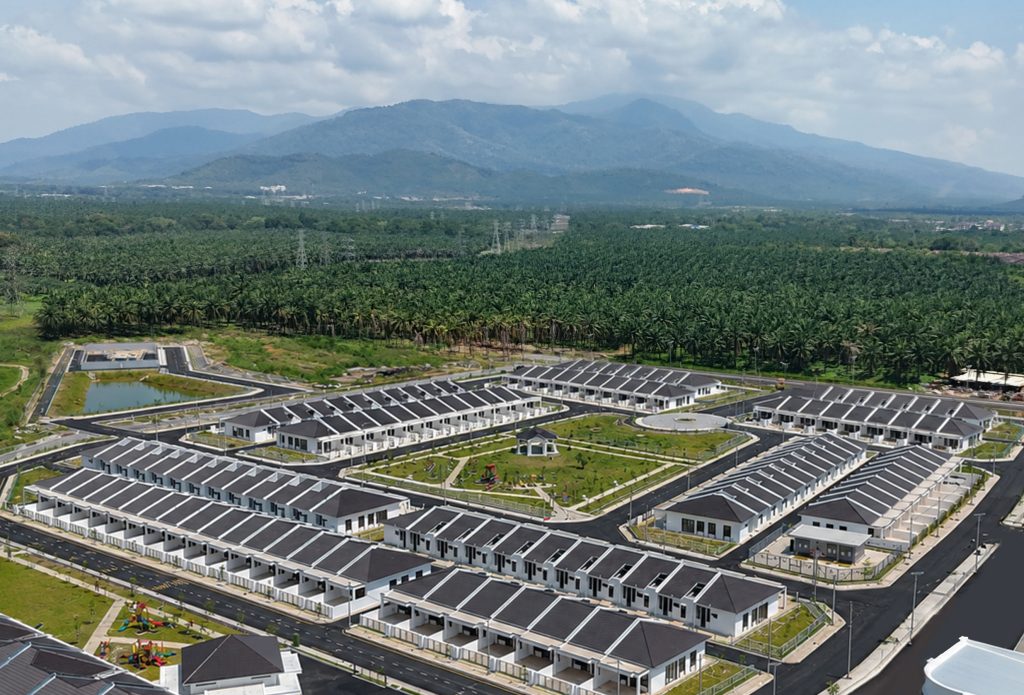
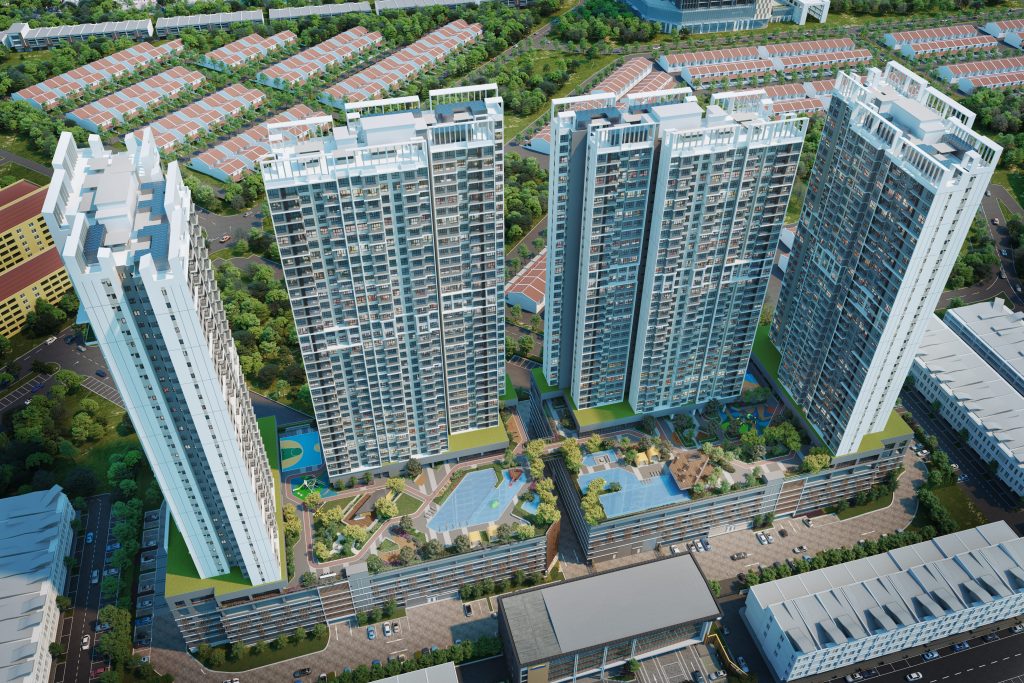
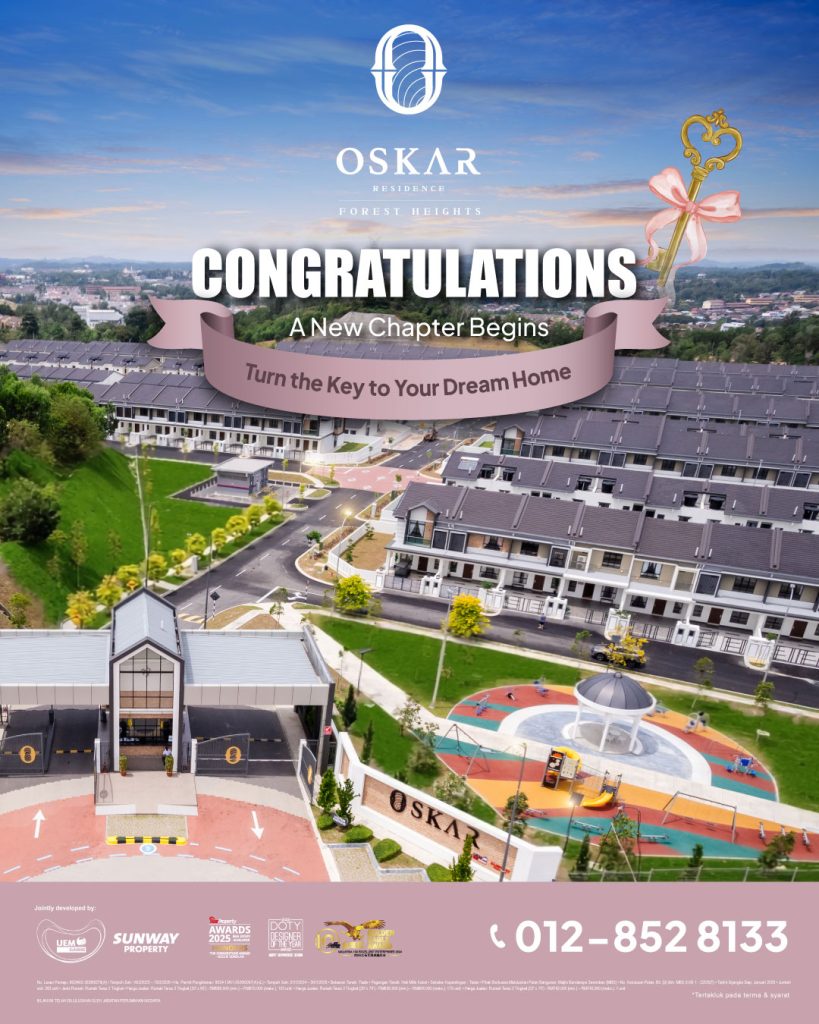
While Malaysia may not have floating homes or micro-living on the scale of Japan, it has led the way in integrated township development. In the 1990s, developers began planning communities that combined homes, offices, malls, schools and parks in a single area long before live-work-play became a global buzzword.
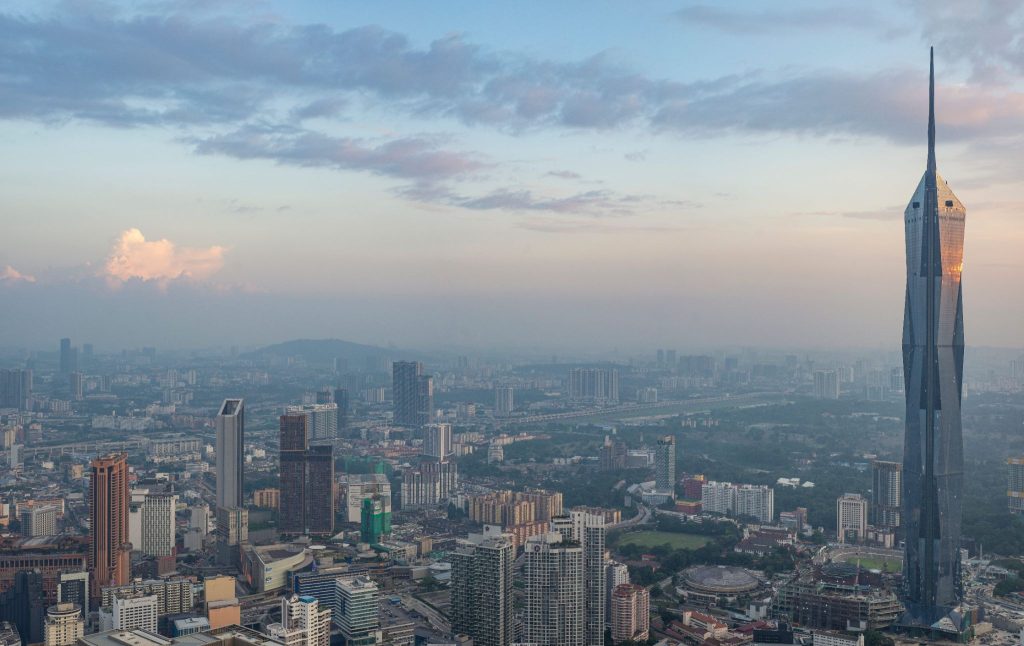
Malaysia’s urbanisation rate reinforces the relevance of this model. More than three-quarters of Malaysians now live in urban areas, a proportion that has steadily increased over the past few decades. At the same time, household sizes are gradually shrinking, driven by later marriages, smaller families and an ageing population. These shifts support continued demand for developments that offer density alongside accessibility, green spaces and shared amenities.
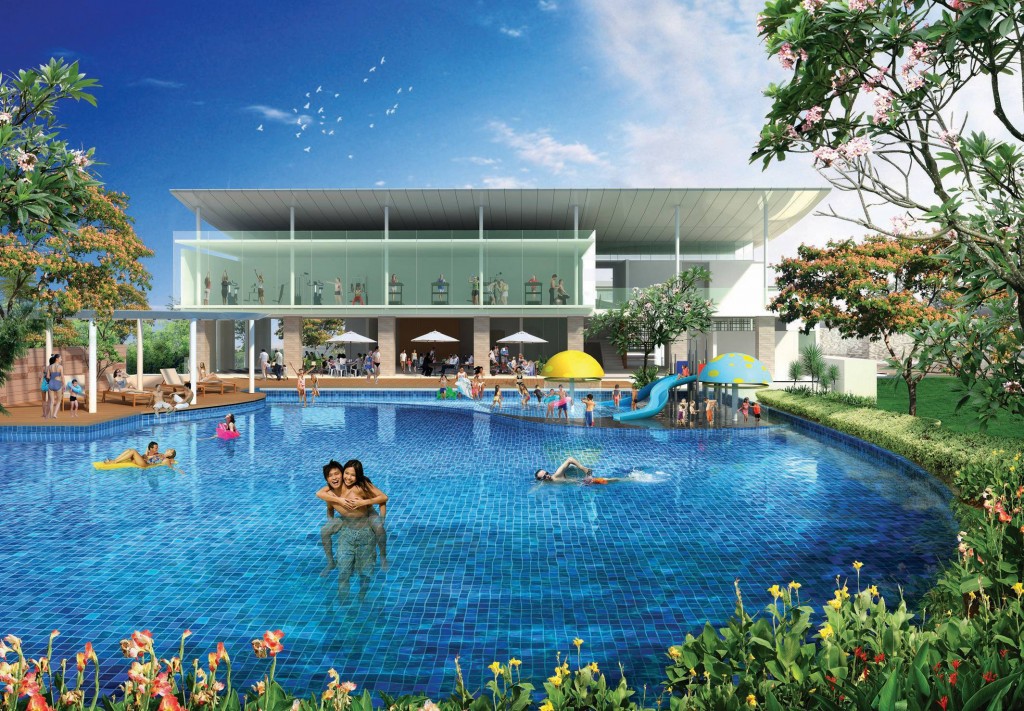
Bandar Utama, Subang Jaya, Putrajaya and Cyberjaya are early examples of these self-contained townships. The concept caught on across Southeast Asia but Malaysia’s early adoption highlights its forward-thinking approach to urban planning. Today, some integrated townships are experimenting with green architecture, community gardens and wellness-centric amenities, reflecting global trends in sustainable and connected living.
Malaysia is also embracing other ideas. Developers are incorporating nature-focused designs into condos and landed properties, adding vertical gardens, rooftop greens and water features that follow the biophilic movement. Multi-generational layouts are increasingly common in larger homes, offering separate zones for privacy without sacrificing connection. Smart technology is entering the mainstream, from automated lighting and security to energy-efficient appliances.
The influence of global trends is clear but Malaysian innovation lies in adapting these ideas into local contexts. Integrated townships blend work, play and living in ways uniquely suited to Malaysian lifestyles while respecting cultural and environmental needs.
Across the world, modern living is going beyond purely functional spaces. Homes are designed for experience, wellness and adaptability. Minimalist apartments make small areas feel expansive, water-adjacent properties improve well-being and intelligent systems anticipate our needs before we even notice them ourselves. In Malaysia, the integration of these principles is visible in thoughtfully planned communities that prioritise both convenience and quality of life.
From Japan’s micro-living to Malaysia’s pioneering townships, property trends are all fixated on a central theme. Homes are no longer just about shelter but about belonging, balance and connection. As innovation continues, residents around the world will find that their living spaces are not just practical but inspirational, reflecting the way they live, work and interact with their environment.
Stay ahead of the crowd and enjoy fresh insights on real estate, property development and lifestyle trends when you subscribe to our newsletter and follow us on social media.