

Contributed by Datuk Mani Usilappan
Malaysia’s 2026 economic ascent project an image of robust strength but this momentum is shadowed by the corrosive influence of systemic price engineering that threatens the very foundation of the housing sector. Behind the record-breaking gross domestic product (GDP) upgrades and optimistic forecasts lies a sophisticated practice of housing market pricing abuses that separates genuine value from artificial inflation. For real estate investors, lending institutions and policymakers, understanding how these practices decouple prices from fundamental economic values is no longer a matter of academic interest but a critical necessity for mitigating collateral risk in a billion-ringgit market.
The core of the issue lies in the distinction between the gross price stated on a Sale and Purchase Agreement (SPA) and the net price actually paid by the purchaser. In a healthy market, these two figures should be nearly identical. In the current Malaysian landscape, they are often worlds apart.
Not the true value
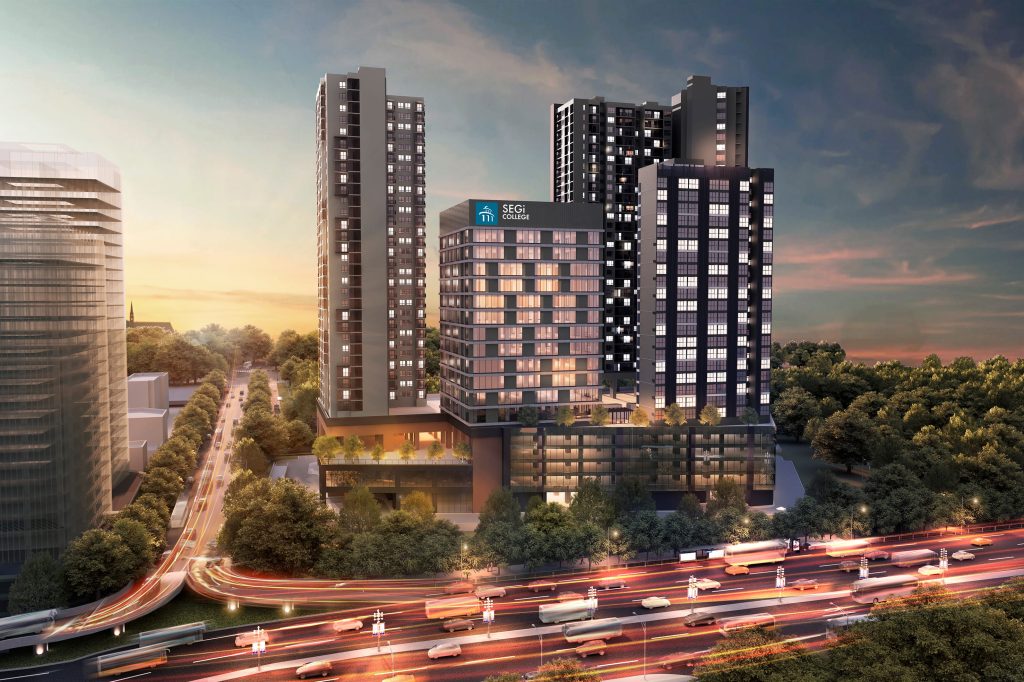
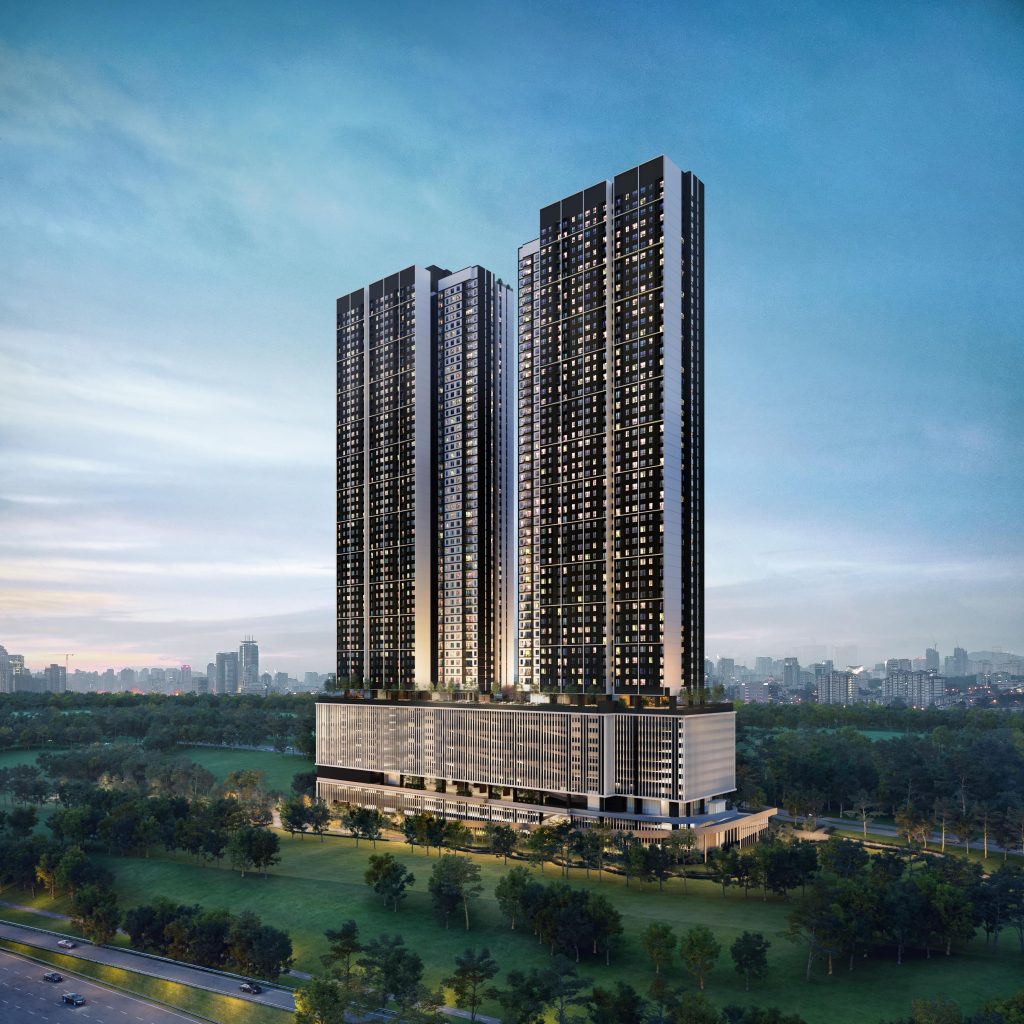
In the primary market, developers face immense pressure to clear inventory, especially in the high-rise and serviced apartment segments. To attract buyers without officially lowering their benchmark prices, some developers have turned to creative financial engineering.
A developer may list a property at RM500,000. To the public and the lending institution, this is the headline price. However, behind the scenes, the developer offers a 10% rebate, absorbs the Sales and Purchase Agreement (SPA) legal fees, and includes a furniture package worth RM20,000. The actual net price the buyer is responsible for might be closer to RM430,000.
The problem arises when the bank approves a 90% loan based on the RM500,000 headline price. This results in a loan amount of RM450,000 which is actually more than the net value of the property. This is zero-downpayment financing in its most dangerous form. The purchaser walks away with a new home and perhaps even surplus cash but the bank is left holding a mortgage that is effectively at 105% of the asset's true value.
Spill over effect
While primary market rebates have been a known factor for years, the practice of marking up prices has now aggressively migrated to the secondary (sub-sale) market. This is where the practice becomes truly engineered.
In the secondary market, price engineering is often a collaborative effort involving unscrupulous agents, desperate sellers and uninformed buyers. The goal is to facilitate a sale where the buyer does not need to produce a 10% cash deposit.
Consider a typical high-rise unit in a mature suburb where the genuine asking price is RM400,000. A price engineered deal would look like this:
- The markup: The parties agree to state the selling price as RM500,000 in the SPA.
- The financing: The buyer applies for a 90% loan based on the RM500,000 figure, securing RM450,000 in financing.
- The result: The loan amount not only covers the RM400,000 the seller actually wants but also provides an extra RM50,000. This surplus is used to pay the buyer's legal fees and stamp duty, with the remainder often returned to the buyer as a cash-back rebate.
This orchestration is possible because the players first establish a benchmark by recording a few genuine or semi-genuine transactions at higher levels. Once these figures appear in the public database, they are used as evidence to justify future markups to unsuspecting valuers and bank credit officers.
The corruption of the data ecosystem
The most significant impact of these abuses is the pollution of the national property transaction database. In Malaysia, transaction data is recorded based on the consideration stated in the SPA or the market value determined for stamp duty purposes, whichever is higher.
When engineered prices are recorded, they enter the system as factual evidence of market growth. Economists and analysts looking at this data see a rising star market with healthy price appreciation. In reality, they are looking at a series of inflated loan-based transactions.
This creates a dangerous feedback loop:
- Step 1: An engineered transaction is recorded at RM500,000.
- Step 2: A valuer, researching the area for a different unit, sees this RM500,000 transaction.
- Step 3: The valuer adopts this as a comparable sale, thereby validating the inflated price.
- Step 4: The next seller in the building raises their asking price based on this new market value.
This decoupling of price from intrinsic value is particularly prevalent in the high-rise sector. While landed properties have more friction in their pricing, the standardised nature of apartments makes them the perfect vehicle for this type of financial manipulation.
The collateral risk shadow
From a systemic perspective, the illusion of value creates a massive shadow risk for the banking sector. As of 2025, residential lending remains the largest component of total bank exposure. When prices are artificially inflated by 10% to 20% through markups, the safety margin provided by a 90% Loan-to-Value (LTV) ratio completely evaporates.
In a default scenario, the bank’s recovery unit will attempt to auction the property. It is only then that the truth is revealed. If the bank lent RM450,000 on a property whose true market value was only RM400,000 and that property is now being auctioned in a forced-sale environment, the bank may only recover RM350,000. The resulting capital loss is a direct consequence of the initial pricing abuse.
A call for transparency
The growth surprise of 2026 must be built on a foundation of integrity if it is to be sustainable. As long as price engineering remains a standard practice, the Malaysian housing market will be vulnerable to sudden corrections.
The first step toward normalisation is a greater oversight by banks in marked up prices. This involves moving away from a blind reliance on headline SPA prices and toward a deeper analysis of net Transacted Values. Only by stripping away the rebates, the cash-backs and the absorbed costs can we see the true face of the Malaysian property market.
Real estate investors need to look beyond the rising star headlines and perform their own due diligence. In a market where price can be engineered, the only true defense is a deep understanding of rental yields and local demand, which are factors that cannot be easily manipulated by a stroke of a pen on an SPA.

This commentary is the first of a 4-part series contributed by the Association of Valuers, Property Managers, Estate Agents and Property Consultants in the Private Sector, Malaysia (PEPS).
This contribution article was first published in StarBiz 7.
Stay ahead of the crowd and enjoy fresh insights on real estate, property development and lifestyle trends when you subscribe to our newsletter and follow us on social media.