

By Joseph Wong
Malaysia’s real estate ecosystem experienced a fascinating paradox. On one hand, the country celebrated a historically strong year for broad property demand, recording a decade-high RM241.87bil in total transaction value across all sectors, marking a solid 4.1% year-on-year increase. On the other hand, beneath this surface of macro-level resilience, structural shifts and localised economic pressures also forced a visible surge in unsold completed residential property and foreclosure listings.
Driven by an intersection of elevated living costs, strict financing barriers and a widening supply-demand mismatch, the volume of distressed assets heading into the auction market climbed significantly in 2025 and bled into the first quarter of 2026. For strategic buyers and institutional investors, this transition shapes a unique buying landscape characterised by deep discount opportunities but matched by complex hidden risks.
According to data compiled from the National Property Information Centre (Napic) and leading industry indicators, Malaysia’s residential overhang, defined as completed housing stock that remains unsold more than nine months after launch, spiked notably. By the second quarter, the unsold completed residential stock climbed to 26,911 units, representing a 16.3% increase by the middle of the year. Unfortunately, Napic does not segregate auction data figures, so the exact number of auction properties is uncertain. However, institutional banking sources indicate an increase in property foreclosures driven by a rise in non-performing loans (NPLs).
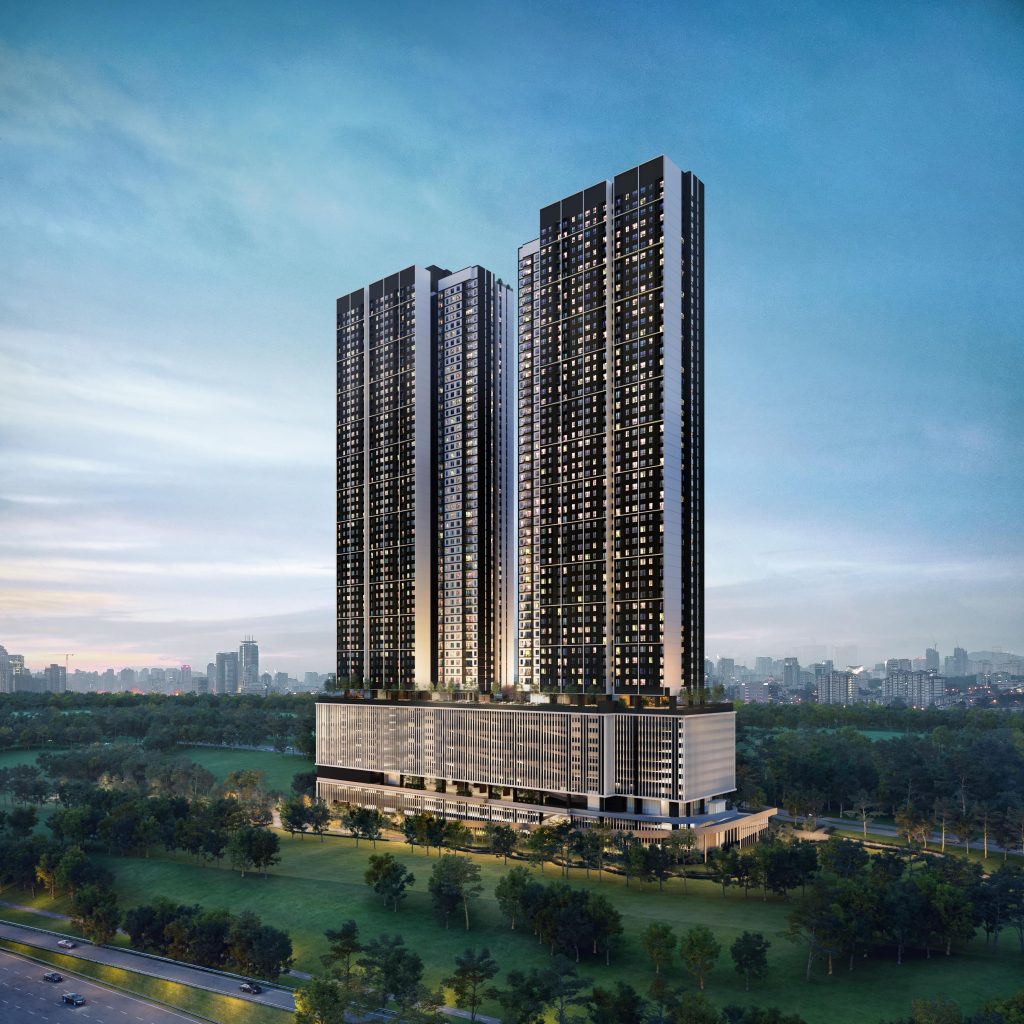
Interestingly, the narrative surrounding the housing overhang has fundamentally changed. Historically criticised as an exclusive issue of overbuilt high-end serviced apartments, the inventory buildup shifted directly into the mid-range and affordable categories, specifically affecting units priced between RM200,000 and RM600,000.
This mid-market saturation stems from several direct economic catalysts:
- Stagnant real income and living costs: While Malaysia’s baseline GDP growth remained steady, real income growth lagged behind urban inflation, compressing household liquidity for the M40 middle-income bracket.
- The loan rejection roadblock: Although Bank Negara Malaysia maintained a supportive monetary stance, adjusting the Overnight Policy Rate (OPR) to 2.75% to anchor long-term stability, commercial banks tightened internal lending parameters. With Debt-Service Ratios (DSR) strictly capped at around 60%, nearly 64% of surveyed developers reported high buyer mortgage rejections.
- The cross-subsidy premium loop: To meet state-mandated affordable housing quotas, developers frequently inflated the prices of open-market units to offset price-controlled losses. This practice accidentally pushed homes out of reach for the very buyers they targeted.
When these mid-range high-rise projects sit empty for extended durations, developers face crippling holding costs. Eventually, institutional financiers step in, offloading this unsold inventory directly into the foreclosure market to recover capital.
A resilient anchor
Despite the rise in foreclosure volumes, data proves that Malaysia's property sector did not experience a systemic collapse. Instead, the market went through a necessary structural balancing.
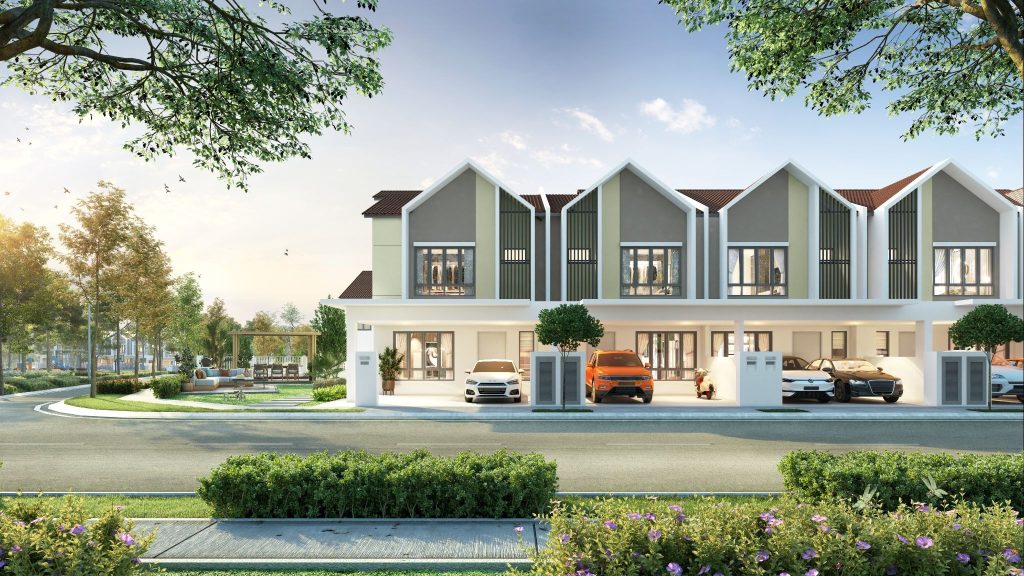
The Malaysian House Price Index (MHPI) grew moderately by 2.6%, lifting the national average house price to RM502,922. Landed residential segments, specifically single- and double-storey terraced houses, remained highly liquid and heavily favoured by young family demographics.
The transaction pain points were concentrated inside higher-density strata sectors, such as micro-studio apartments and unintegrated serviced residences in saturated corridors across Johor, Kuala Lumpur and Selangor.
For cash-ready investors and first-time home buyers, the growing pool of distressed listings creates an undeniable window of opportunity. Properties entering the e-Lelong system are frequently priced at 20% to 40% below their current open-market valuations. However, buying a foreclosed home requires a methodical approach. Unlike standard subsale or primary purchases, the auction environment features distinct, legally binding conditions. Navigating the hidden liabilities of the auction block requires keeping an eye on four vital factors.
1. Outstanding institutional bills: When a property is foreclosed, the previous owner has often neglected their financial obligations for months. Bidders must meticulously review the Proclamation of Sale (POS) to verify whether the bank covers outstanding utility arrears (TNB, Syabas), management maintenance fees, assessment rates and quit rent or if these costs are passed entirely to the successful buyer.
2. Title encumbrances and private caveats: A property might appear financially clean on paper but a search at the land office could reveal private caveats lodged by third-party creditors or disgruntled family members. Buying a unit with an active caveat means the bidder cannot smoothly transfer the title without undertaking expensive, time-consuming legal battles to expunge the encumbrance.
3. Holdover tenant dilemma: In Malaysia, banks sell auction properties on an as-is-where-is basis, meaning they do not guarantee vacant possession. It is not uncommon for a successful bidder to find the evicted owner or a stubborn tenant still living inside the premises. Resolving this requires securing a formal court order and hiring a bailiff to execute an eviction notice which is a process that can take months.
4. Latent structural damage: Because inside viewings are impossible prior to an auction, buyers run the risk of purchasing an abandoned shell. Units left vacant without climate control frequently suffer from hidden water leaks, electrical degradation or structural cracking, requiring hefty renovation capital that can quickly wipe out any initial discount advantages.
Tracking localised liquidity
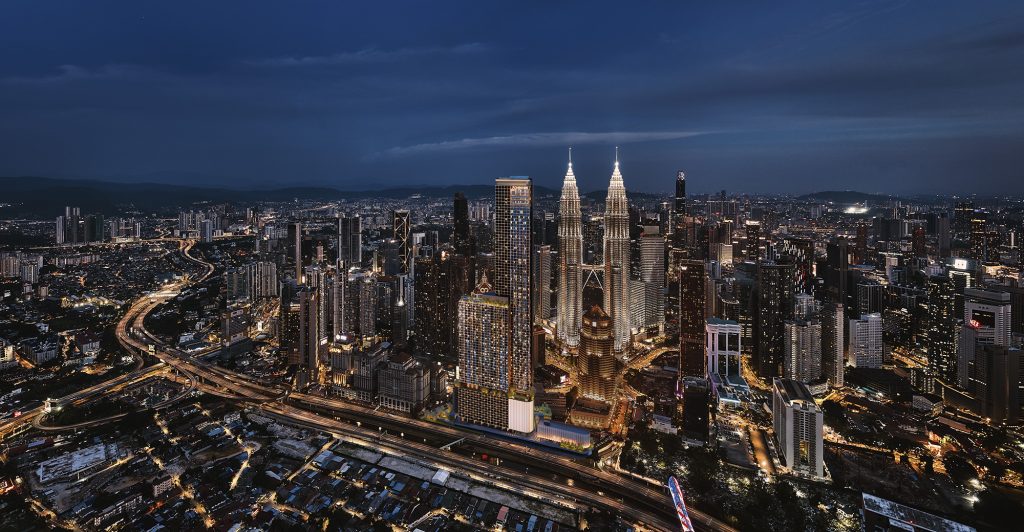
Success in the current real estate environment requires hyper-localised market intelligence. While macro reports aggregate national numbers, real estate realities vary significantly by municipality. For example, mature economic engines like Petaling Jaya and core Selangor sub-districts continue to display highly defensive values, with strong rental demand from corporate professionals keeping foreclosure rates relatively low compared to newly developed, far-flung corridors.
Overall, the real estate market highlights an important phase of maturation. While the rising auction pipelines spotlight the real financial pressures facing the mid-income demographic, the record-breaking transaction values and steady house price indices confirm the market’s underlying health. By shifting from a culture of speculative acquisition to one of strict due diligence, informed buyers can effectively utilise this high-volume environment to secure highly resilient assets at unprecedented value.
This article was first published in StarBiz 7.
Stay ahead of the crowd and enjoy fresh insights on real estate, property development and lifestyle trends when you subscribe to our newsletter and follow us on social media.