

Why does it matter to the real estate industry?
By Joseph Wong
Since committing to a net-zero carbon target by 2050 in September 2021, Malaysia has been racing to grasp the full operational realities of this ambitious goal. Among the many industries grappling with the Environment, Social and Governance (ESG) agenda, the real estate sector has been undergoing a structural transformation in how it approaches the ESG criteria.
A positive observation is that the property sector is moving past the greenwashing era, shifting past the marketing narrative into a mature phase defined by deeper operational integration, strict regulatory compliance and a clear focus on asset valuation.
Because real estate accounts for approximately 40% of global carbon emissions, the pressure to evolve is coming simultaneously from regulators, institutional investors and tech-driven tenant expectations.
Of the three components, the E remains the most capital-intensive segment of real estate ESG but the strategy has shifted from basic green features to deep, systemic decarbonisation.
Properties with poor energy ratings are facing a severe brown discount, resulting in compressed valuations, tenant exits and a refusal by banks to refinance them without an upgrade plan. Conversely, green-certified assets capture higher rents and command deeper buyer pools.
Rather than relying entirely on mechanical adjustments post-handover, modern projects are embedding sustainability directly into the building's core design DNA. This includes optimising cross-ventilation, maximising natural daylighting to reduce lighting loads and building on-site renewable microgrids such as rooftop solar and micro-wind turbines to hedge against energy price volatility.
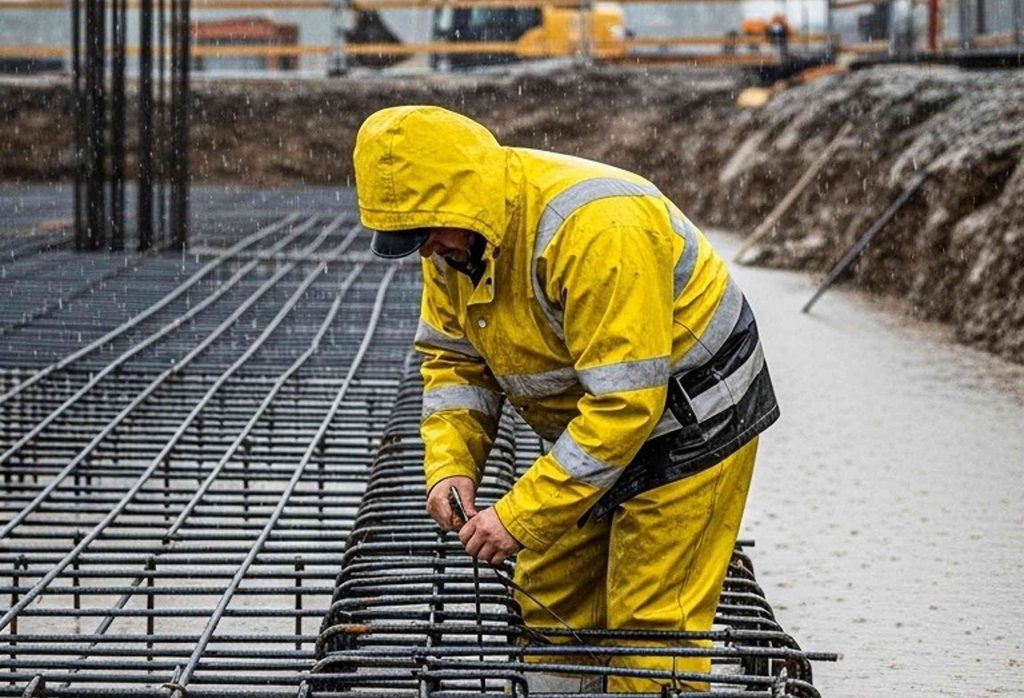
Developers are looking at the lifecycle of materials before they even reach the site. There is a massive rise in the use of low-carbon concrete, recycled steel and the adoption of the Industrialised Building System (IBS) which cuts material waste by relying on prefabricated, precision-engineered modules.
The digital backbone of ESG enforcement
Real estate cannot manage what it cannot measure. The industry is keeping up with ESG through a massive wave of property technology (PropTech) investments designed to turn raw data into audit-ready metrics.
Property managers are ditching manual spreadsheets for automated platforms added by artificial intelligence (AI). Such platforms use Internet of Things (IoT) and smart devices to capture real-time data on energy usage, carbon tracking, waste generation and indoor air quality.
Advanced automated systems no longer just report data but act on it. AI continuously monitor building occupancy patterns and automatically throttles heating, ventilation and air conditioning (HVAC), lighting and environmentally related systems to prevent energy bleed, cutting commercial energy bills by as much as 36%.
With sweeping regulations coming into effect such as the EU's Energy Performance of Buildings Directive (EPBD) and mandatory corporate sustainability reporting globally, PropTech provides the verifiable, financial-grade data needed to satisfy institutional auditors and global frameworks.
Social value as a vital aspect
The real estate sector is increasingly recognising that social value is a vital tool for long-term asset resilience. Post-pandemic workplace and living standards have permanently elevated wellness to a top-line commercial requirement. Buildings are heavily evaluated on human-centred factors like advanced air filtration systems, acoustic insulation, circadian lighting and dedicated communal spaces that foster social interaction.
Instead of unchecked greenfield sprawl, top property players are leaning into brownfield regeneration and adaptive reuse, transforming underutilised urban footprints or historic buildings into integrated community hubs.
As indicated by the panel of judges for the StarProperty Real Estate Developer Awards 2026, real estate projects are no longer designed as isolated islands. True liveability now relies on how seamlessly a project hooks into multi-modal transit systems. Developers are designing layouts that promote micro-mobility like Sunway City Kuala Lumpur’s elevated walkways, City of Elmina’s bicycle paths and numerous developers’ EV charging grids which are effectively lowering the carbon footprint of the surrounding neighbourhood.
Transparent leadership and lifecycle planning
Governance in real estate has evolved from anti-bribery policies to transparent framework verification and long-term financial accountability. A building's success is no longer judged solely by its grand opening. Governance now demands meticulous Post-Occupancy Evaluation (POE) and rigorous sinking fund planning. Overdesigned properties that ignore future maintenance costs become financial liabilities for future owners. True excellence requires a balance between design innovation and cost-effective operational durability.
“Rising costs, climate risks, changing buyer expectations, ESG demands and rapid technological disruption are forcing developers to rethink traditional development models. In many ways, this pressure is healthy because it is accelerating innovation and forcing the industry to become more resilient and future-ready,” said Green Building Index (GBI) chief executive officer Sarly Adre Sarkum.
In addition, landlords and tenants are signing structured legal contracts known as green leases. These agreements legally bind both parties to data-sharing transparency, collective carbon-reduction milestones and shared responsibility for energy-saving initiatives.
The industry is aligning its corporate financing directly with ESG performance targets. Through sustainability-linked loans, developers secure lower, preferential interest rates from lenders, provided their portfolios hit verified energy efficiency and emission reduction benchmarks.
Beautiful renderings and impressive launches are important but the true test of excellence is how developments actually perform over time - environmentally, socially and operationally, said Sarly. “We need to increasingly reward projects that demonstrate long-term resilience, lower carbon impact, operational efficiency, occupant wellbeing and meaningful contributions to the urban fabric.”
That the players within the real estate industry are keeping up with ESG by treating it as a core value driver rather than a compliance burden is a positive step forward.
Considering that today's buyers are better informed and more discerning, developers are responding by embedding ESG principles, green technologies, transit-oriented design, wellness elements and smarter community planning into their projects, said Royal Institution of Surveyors Malaysia (RISM) deputy president Prof Mohd Khairudin Abd Halim.
“Equally encouraging is the growing appreciation among developers for lifecycle sustainability, not merely delivering visually impressive launches, but creating developments that remain financially viable, well-managed and relevant over the next 10 to 20 years,” he said.
And by using PropTech to automate carbon management, prioritising active mobility and tenant well-being and linking financing directly to asset performance, developers are successfully future-proofing their properties for a changing global economy.
Stay ahead of the crowd and enjoy fresh insights on real estate, property development and lifestyle trends when you subscribe to our newsletter and follow us on social media.