

How smart infrastructure-oriented development (SIOD) helps cities anticipate challenges before they happen
Malaysia is familiar with the term transit-oriented development (TOD). For years, TODs were regarded as the blueprint for creating a more sustainable and liveable city. On paper, concentrating homes, workplaces and amenities around public transport solves the problems of thousands at once. Essentially, TODs have played a big role in reshaping Malaysia’s cities while also reducing dependence on private vehicles.
But what if there was a concept even bigger and better than TODs? As cities become more connected and reliant on data to function, some experts believe that simple transport alone is no longer enough.
The need for smart infrastructure-oriented development (SIOD) stems from the growing complexity of modern cities. Take urban planners, for example. They are expected to do much more than provide roads, rail lines and utilities now. Cities must accommodate growing populations, adapt to climate change, strengthen disaster resilience and improve the delivery of public services, all while operating within increasingly limited land and financial resources.
At the same time, technological advancements have transformed expectations of how cities should function. Citizens increasingly expect real-time information, seamless digital services and quicker responses from local authorities. Infrastructure is therefore no longer judged solely by its physical capacity but also by its ability to collect data, communicate and adapt to changing conditions.
Against this backdrop, SIOD offers a more holistic approach to city planning by integrating physical infrastructure, digital technologies, and people-centric design into a single, connected ecosystem.
The convenience of predictive analytics
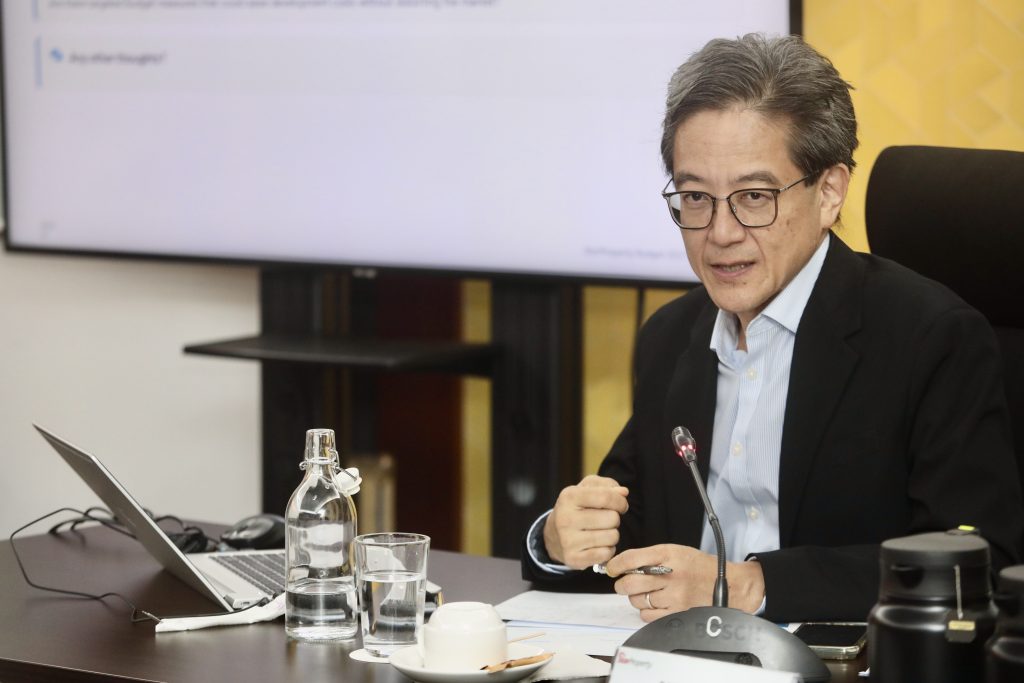
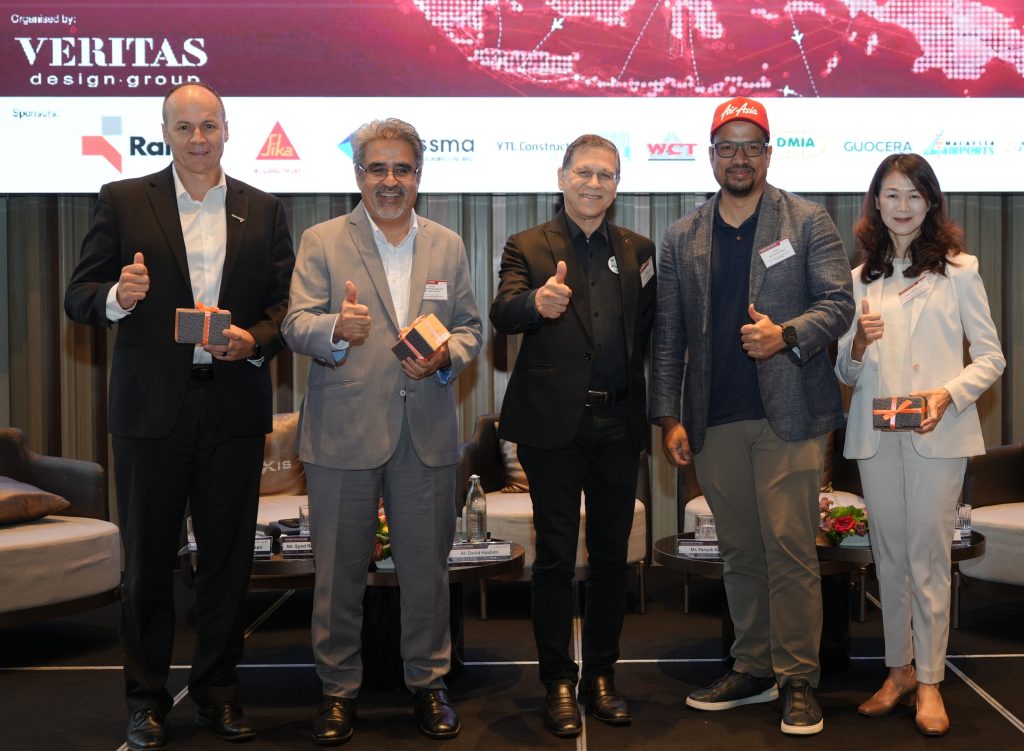
Speaking at the Future Cities Summit 2026, Aecom Hong Kong buildings and places vice president Shirley Chen presented a fresh take on how Malaysia can elevate its construction industry. She introduced the concept of SIOD, which is an evolution of traditional transit-oriented planning that integrates physical infrastructure, digital technologies and people-centric design to create connected cities that are intelligent, resilient and adaptable.
The perspective is different. Instead of viewing infrastructure as fragmented, standalone assets, SIOD reimagines entire cities as interconnected ecosystems where all transport networks, buildings, utilities, digital platforms and public spaces work together to improve the quality of urban living. People moving from one place to another is one thing but this approach goes a step further by anticipating. The system seeks to create cities that can anticipate challenges, optimise resources and respond proactively through the use of data and intelligent infrastructure.
For example, rather than reacting to traffic congestion only after the cars pile up, intelligent transport systems can analyse traffic flows in real time and even predict bottlenecks. This is followed by the automatic adjustment of traffic signals or public transport services before the traffic worsens.
Another situation would be during periods of heavy rainfall. Modern smart infrastructure is programmed to monitor the water levels and forecast flood risks before finally alerting authorities to take preventive actions before the surrounding communities are affected.
This same predictive approach is also applicable to utilities and, by extension, public infrastructure. Being able to analyse real-time operational data, cities can quickly identify potential equipment failures, monitor energy consumption and schedule maintenance before the problems escalate. In a country like Malaysia, it would mean boosts in service standards by improving service reliability while reducing costs and environmental impact.
International case studies that demonstrate SIOD
To demonstrate how these principles can be translated into practice, Chen shared several international case studies that showcased the evolution of future city planning.
Among them was Jinji Lake in Suzhou, China where urban development was integrated with waterfront spaces, commercial districts, public amenities and green spaces to create a destination that balances economic activity with environmental quality. Rather than treating infrastructure as separate components, the development was planned as a proper cohesive ecosystem where transport, public spaces and nature really complement one another.
Chen also highlighted the transformation of Shenzhen's Dasha River. It was once a heavily polluted waterway that has since been revitalised into a thriving ecological corridor. Through a combination of river restoration, flood mitigation measures and curated public spaces, the project improved environmental quality and also enhanced the surrounding communities by creating recreational areas and strengthening climate resilience.
For Chen, these projects demonstrate that successful future cities are no longer measured only by the number of buildings constructed or kilometres of rail laid. Instead, they are defined by how effectively infrastructure, technology and nature are integrated to improve the everyday lives of residents.

The three pillars of SIOD
Instead of organising cities solely around roads or rail networks, Chen suggested that future cities should be built upon three interconnected layers which are physical infrastructure, social infrastructure and digital infrastructure.
Physical infrastructure remains the backbone of every city, encompassing transport systems, utilities, buildings and public spaces. However, it is no longer sufficient on its own. Equally important is social infrastructure which focuses on how people experience and interact with the city. This includes healthcare, education, public amenities and community spaces that foster wellbeing and inclusivity.
The third pillar, digital infrastructure, acts like the connective tissue between the physical and social environments. Powered by sensors, data platforms, artificial intelligence and digital twins, it enables cities to monitor conditions in real time, anticipate problems before they occur and make more informed planning decisions.
"Cities are no longer static," Chen noted. "They must be able to learn, adapt and evolve alongside the people who live in them."
The integration of these three layers allows cities to move beyond reactive planning towards predictive decision-making. Instead of responding to congestion after it occurs, digital systems can anticipate traffic flows and optimise transport networks. Infrastructure can detect maintenance issues before failures occur while digital twins can simulate different planning scenarios to help authorities make better long-term decisions.
The concept echoed discussions later in the summit where Malaysia PropTech Association deputy president Jason Ding highlighted how digital twins are already transforming individual building management. While Chen explored the technology at the city scale, Ding demonstrated how the same principles can be applied to optimise building operations, energy performance and maintenance throughout an asset's lifecycle.
While SIOD may still be an emerging concept, parts of the concept are already taking shape in Malaysia. The government is pushing towards digital construction through BIM, with the growing adoption of AI, digital twins and smart building technologies, while the industry is putting in the groundwork for more connected and resilient cities. The challenge now lies in properly integrating these initiatives into one big unified urban strategy that places the same amount of emphasis on infrastructure, technology and people.
Stay ahead of the crowd and enjoy fresh insights on real estate, property development and lifestyle trends when you subscribe to our newsletter and follow us on social media.