Keeping waste disposal responsible
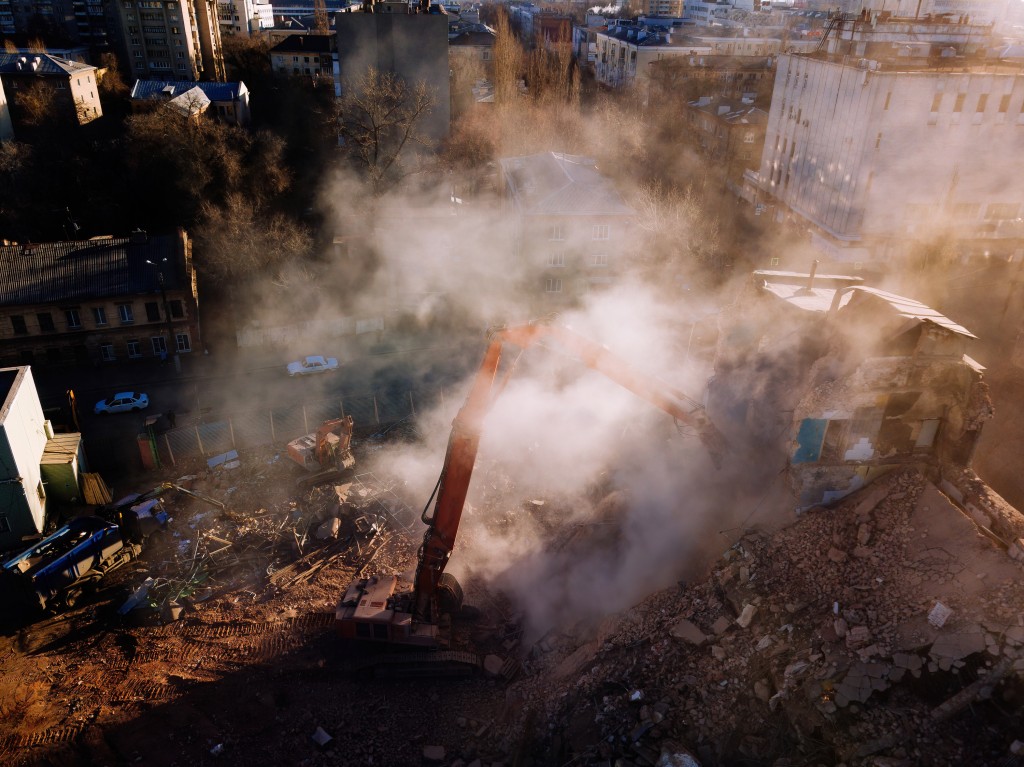
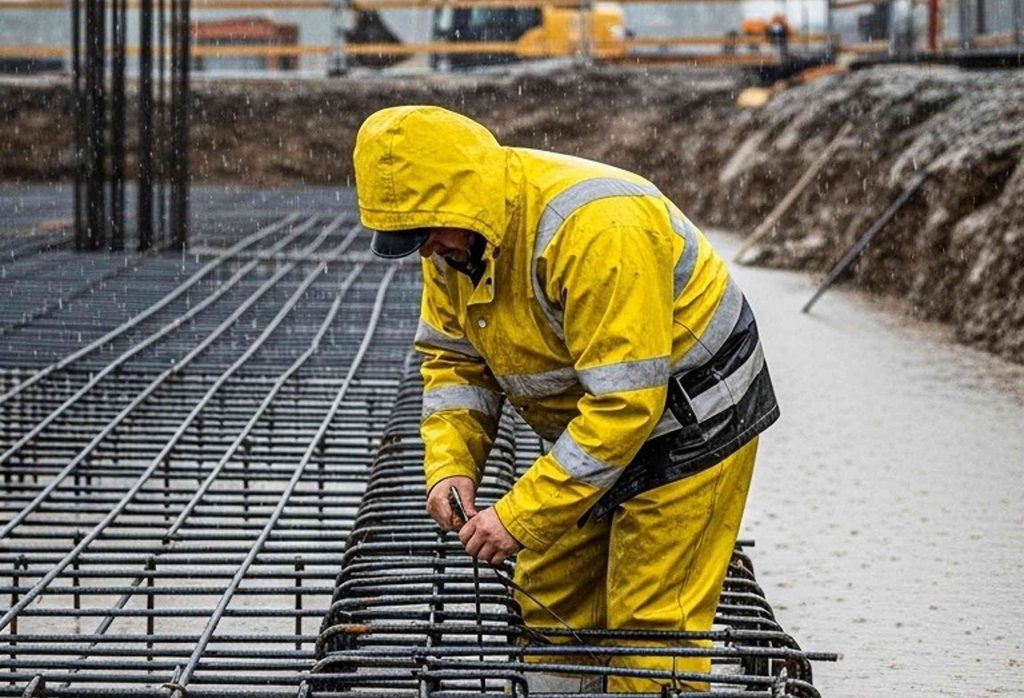
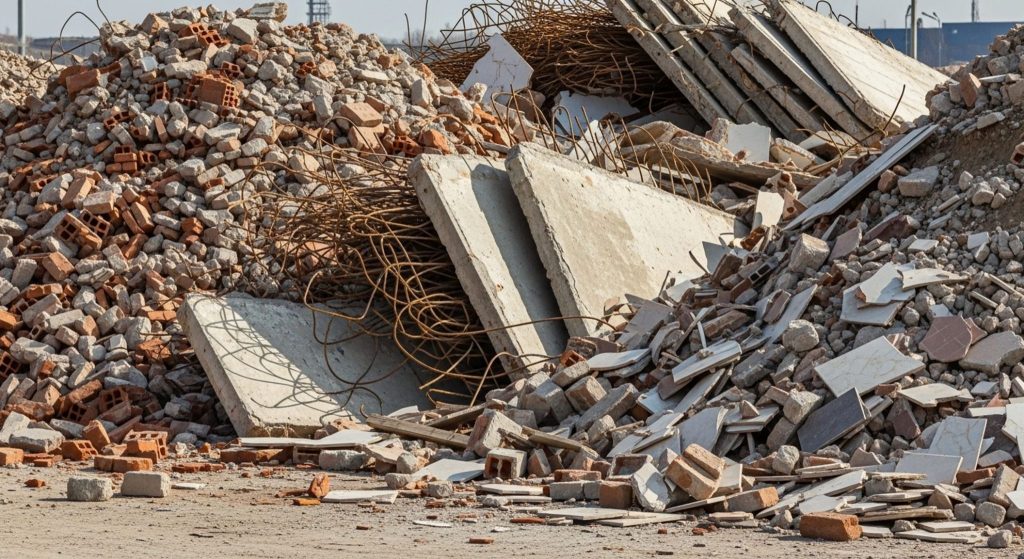
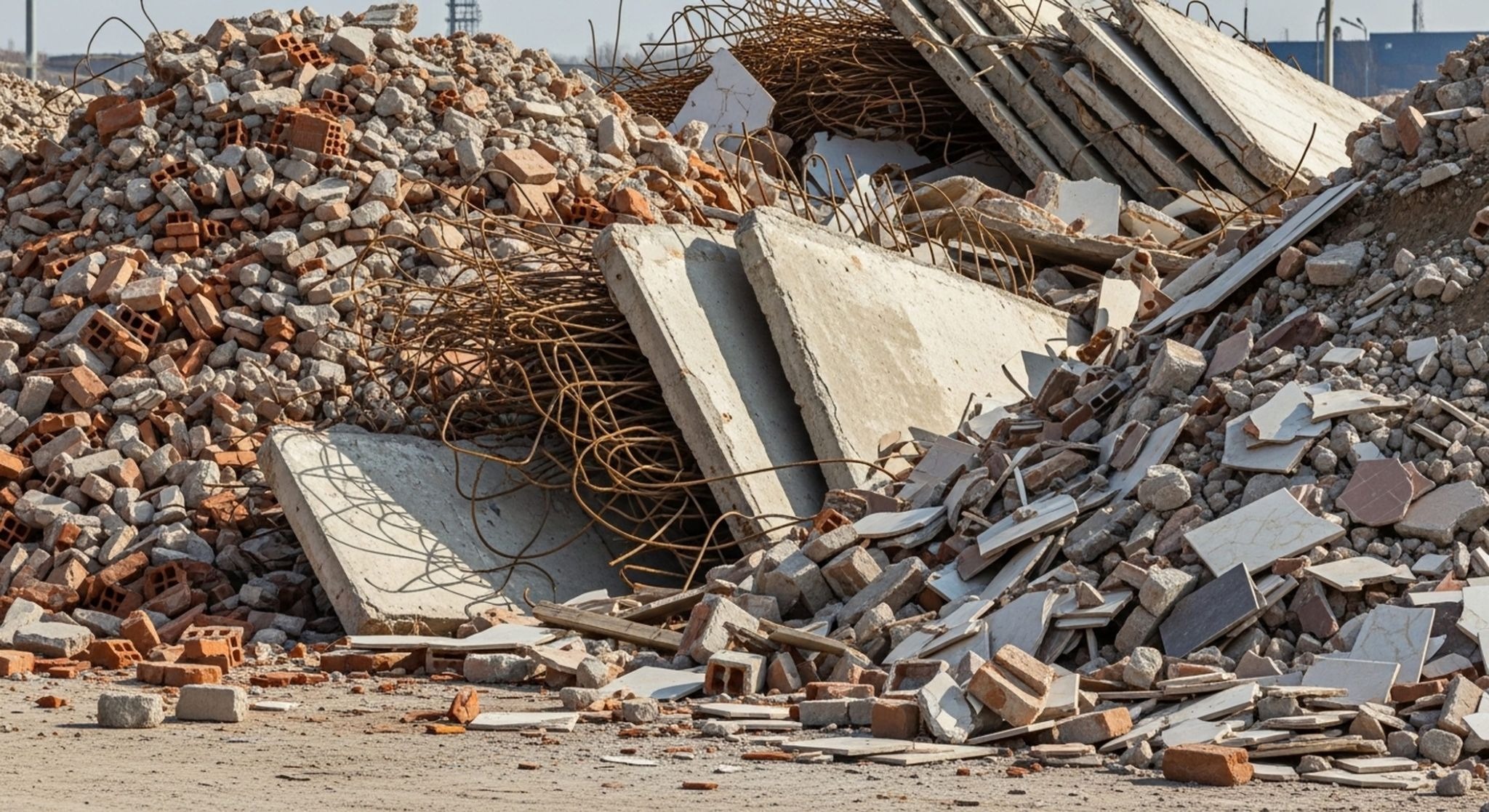
A single construction site can generate a surprising amount of waste long before a building is completed. Broken concrete, steel cuts, timber formworks, plastic wrappings and other excess materials are standard byproducts of any development, often unavoidable. With plenty of developments currently underway, is Malaysia’s landfill space becoming increasingly constrained? What happens to the debris after it leaves the site is a common question and it is drawing even greater attention as the country keeps building.
Malaysia’s Housing and Local Government Ministry (KPKT) suggests that a good portion of Malaysia’s landfills are expected to face growing capacity pressures in the coming decades. This is placing waste management under even greater scrutiny, particularly for industries that generate waste on a large scale.
For the property and construction sector, waste disposal is becoming difficult to manage. Construction activities rank high as the country’s major contributors to solid waste by volume alone, making responsible disposal an increasingly important part of project management.
However, waste disposal is not the most obvious or visible aspect of a development. Yet, it is no longer an issue that can be treated as a mere back-end operational matter. For responsible developers, how waste is reduced, separated and disposed of has become increasingly tied to broader aspects of compliance, cost management and sustainability goals.
Design stage and material planning
In many cases, proper construction waste disposal starts earlier at the planning and design stage, contrary to the common perception that it begins when debris is loaded onto the transport trucks. One such approach in the early stage is the Industrialised Building System (IBS) where building components such as walls, slabs and beams are manufactured first in controlled environments before being assembled on-site. IBS helps reduce material wastage by a good amount compared to conventional construction methods. For example, improved precision, minimising human error and managing the amount of unused materials are under its scope. In practical terms, this translates to less excess concrete, fewer damaged materials and discarded components ending up dumped in waste piles.
Material planning is being emphasised as well to avoid over-ordering. Construction projects traditionally relied on buffer materials to account for potential shortages or breakages but excessive ordering can lead to large volumes of unused materials eventually going to waste. Additionally, rising construction costs are making decisions even more crucial than ever.
Waste segregation and licensed disposal
Once construction begins, responsible waste disposal becomes heavily dependent on proper waste segregation. At a well-managed construction site, waste materials are typically sorted instead of being disposed of together in a single mixed pile. Concrete rubble, steel scraps, timber formworks, plastics and packaging materials are often separated to improve recycling potential while reducing contamination between materials. This process may involve designated disposal zones, labelled bins or collection points placed around a project site. Although it may seem like a simple step, segregation plays an important role in determining what can eventually be recovered, reused or recycled.
When materials are mixed together, the recycling process becomes significantly more difficult. Valuable materials that could have otherwise been recovered may end up heading directly to landfills instead. Take steel, for example, which is among the more recyclable materials generated at construction sites. However, its recovery becomes more challenging if it is contaminated with debris or other forms of waste.
Beyond the segregation, responsible disposal also depends on how waste is handled the moment it leaves the site. Proper construction debris disposal is becoming more subject to regulatory oversight due to factors such as industry scale and past incidents. Contractors are expected to engage licensed waste transporters and approved disposal facilities to ensure waste is managed through all the right channels.
This is where local councils look deeper, imposing waste-related requirements during the project approval process. While enforcement may vary across locations, improper disposal methods will bring forth both financial and reputational risks. Headline-worthy issues like illegal dumping, hazardous chemical debris and clogged waterways can cause irreversible damage to a developer’s or contractor’s reputation.
Yet, it is not just reputational concerns that developers and contractors need to watch out for. Improper waste disposal may also carry legal and financial consequences. Under the Solid Waste and Public Cleansing Management Act 2007 (Act 672), illegal dumping offences result in fines ranging between RM10,000 and RM100,000 depending on the severity of the offence. As enforcement surrounding waste disposal continues to evolve, proper debris management is becoming less of an optional practice and more of a business necessity.
Examples of repurposed valuable materials
Where does the waste go? As previously mentioned, a portion of debris may still hold recoverable value and can be redirected into recycling or reuse streams. Construction waste does not necessarily end up in landfills the moment it leaves the sites. Instead, it depends on the type and condition of the materials. Scrap steel, reinforcement bars and other metal fragments are usually collected and sent into recycling channels for processing and repurposing, useful for future manufacturing projects.
Concrete waste is increasingly being treated as a recoverable material rather than simple debris as well. Broken concrete and masonry materials may be crushed and processed into recycled concrete aggregate (RCA) which can later be utilised for non-structural purposes such as road bases, drainage layers and temporary access routes within project sites. This not only reduces dependency on virgin quarry materials but also diverts waste away from already pressured landfills. Timber waste is another high-value recovery material, though it depends on its condition. Reusable wood materials may be salvaged for future use while lower-grade timber materials can be processed for recycling or biomass-related applications.
However, not all construction waste can be recovered or recycled. Mixed, contaminated or severely damaged materials may still require disposal at approved landfill facilities. Nonetheless, the broader shift within the construction industry is increasingly centred around reducing the amount of waste reaching landfills in the first place.
More than just a compliance issue
Responsible waste management is no longer driven by regulatory requirements alone. Green building certifications and sustainability benchmarks are also placing greater emphasis on environmental performance, including how waste is managed throughout a project lifecycle.
At the same time, responsible waste handling may also support operational efficiency. Reduced disposal volumes, material recovery and lower levels of unnecessary procurement can collectively contribute towards cost savings over the course of a development.
Public awareness surrounding environmental issues is growing as well. Poor waste management practices can quickly attract scrutiny, particularly when linked to illegal dumping, pollution or environmental degradation.
For Malaysia’s property and construction sector, responsible waste disposal is gradually shifting away from being viewed as an afterthought. As landfill pressures continue to intensify alongside urbanisation, what leaves a construction site is becoming just as important as what eventually gets built on it.
Stay ahead of the crowd and enjoy fresh insights on real estate, property development and lifestyle trends when you subscribe to our newsletter and follow us on social media.