Can Malaysia’s buildings keep up?
When a country thinks of progress, images of towering skyscrapers, expanding townships and new infrastructure often come to mind. They stand as symbols of economic growth and modernity, reshaping skylines and supporting growing urban populations. Yet behind every new development lies a less visible consequence: carbon emissions.
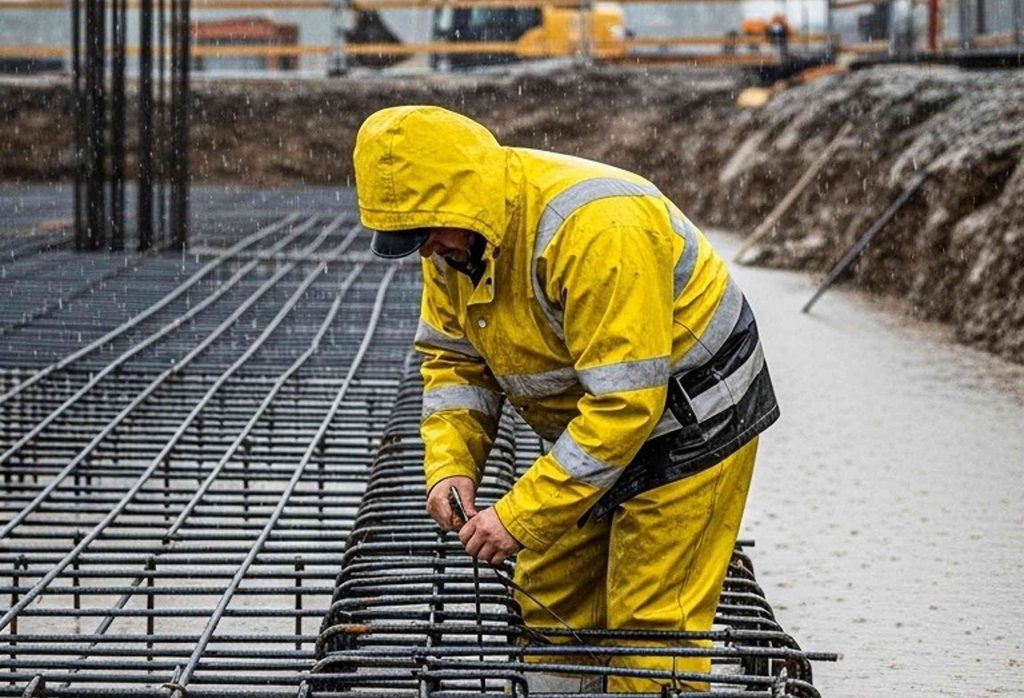
Buildings generate emissions long before their lights are switched on. Carbon is released during the extraction of raw materials, the production of construction materials such as concrete and steel, the construction process itself and throughout a building’s operational life through energy used for cooling, lighting and ventilation. Collectively, the built environment accounts for nearly 40% of global energy-related carbon emissions, making it one of the largest contributors to climate change.
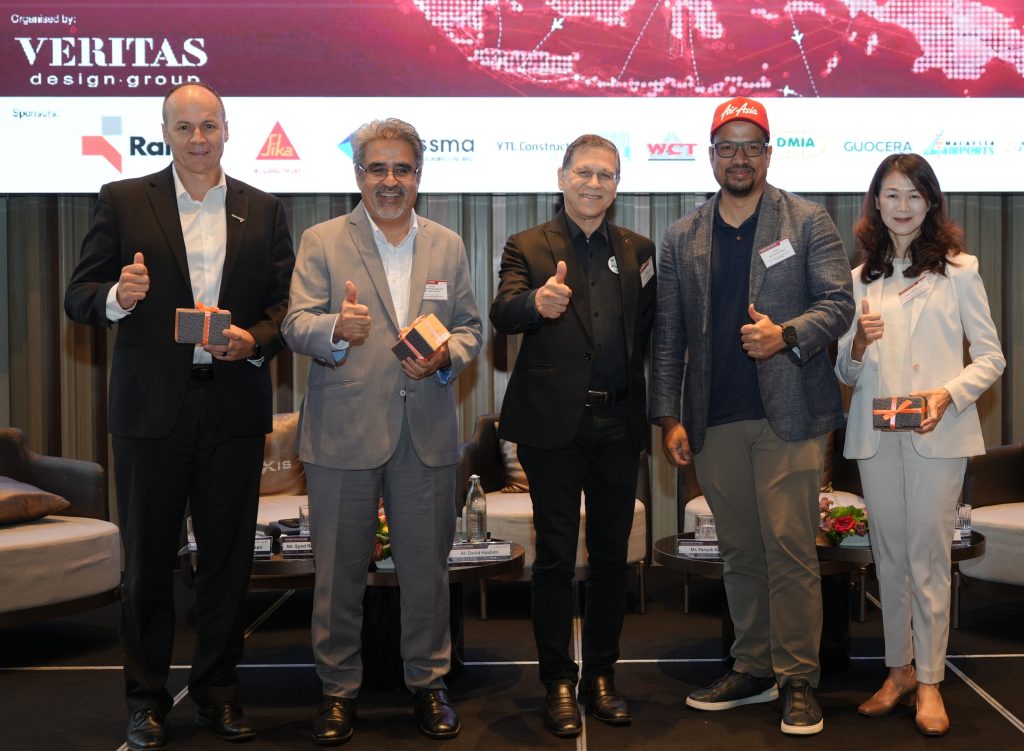
As Malaysia works towards achieving net-zero greenhouse gas emissions by 2050, the property and construction sectors are under increasing pressure to reduce their environmental footprint. However, speakers at the Future Cities Summit 2026 stressed that reaching the target will require far more than constructing new green-certified buildings. It demands a whole-of-lifecycle approach, one that considers how buildings are planned, designed, built, operated and eventually upgraded to remain efficient and resilient for decades to come.
Mapping out the whole building lifecycle
Reducing emissions from buildings is not as straightforward as installing solar panels or achieving a green building certification. Speakers at the Future Cities Summit 2026 emphasised that a building’s environmental impact is determined long before construction begins and continues long after it is occupied, making a whole-of-lifecycle approach essential to achieving Malaysia’s net-zero ambitions.
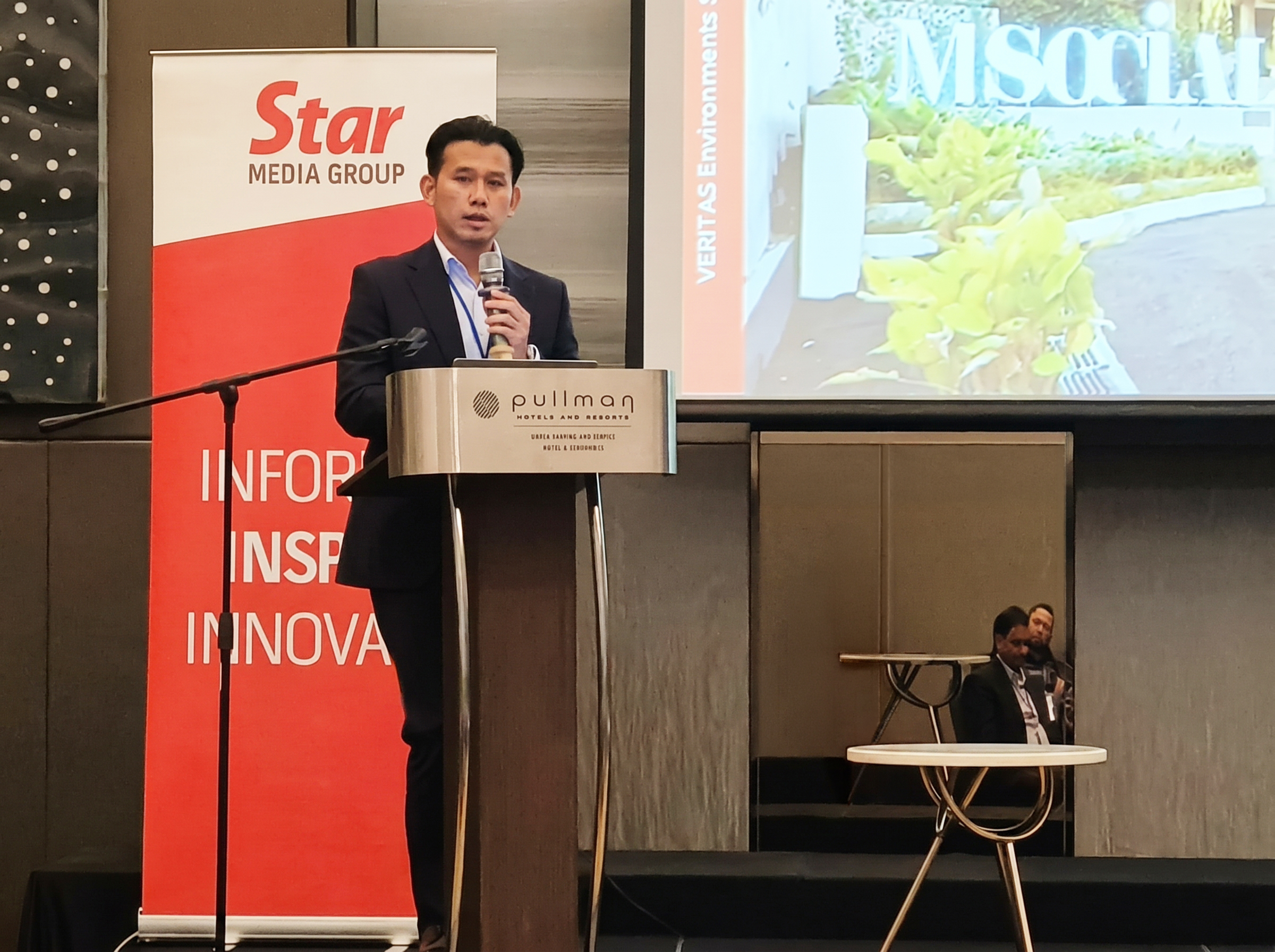
For Veritas Environment Sdn Bhd managing director and principal Ahmad Thibri Mashri, sustainability begins at the planning stage. Decisions made during master planning, site selection and building design can influence a development’s environmental performance for decades, affecting everything from energy demand and water consumption to resilience against climate-related risks.
Those early decisions also determine a building’s embodied carbon, the emissions generated through the extraction of raw materials, manufacturing, transportation and construction before a building is even occupied. While operational carbon from lighting, cooling and ventilation has traditionally received the greatest attention, embodied carbon is becoming an increasingly important consideration as buildings become more energy efficient.
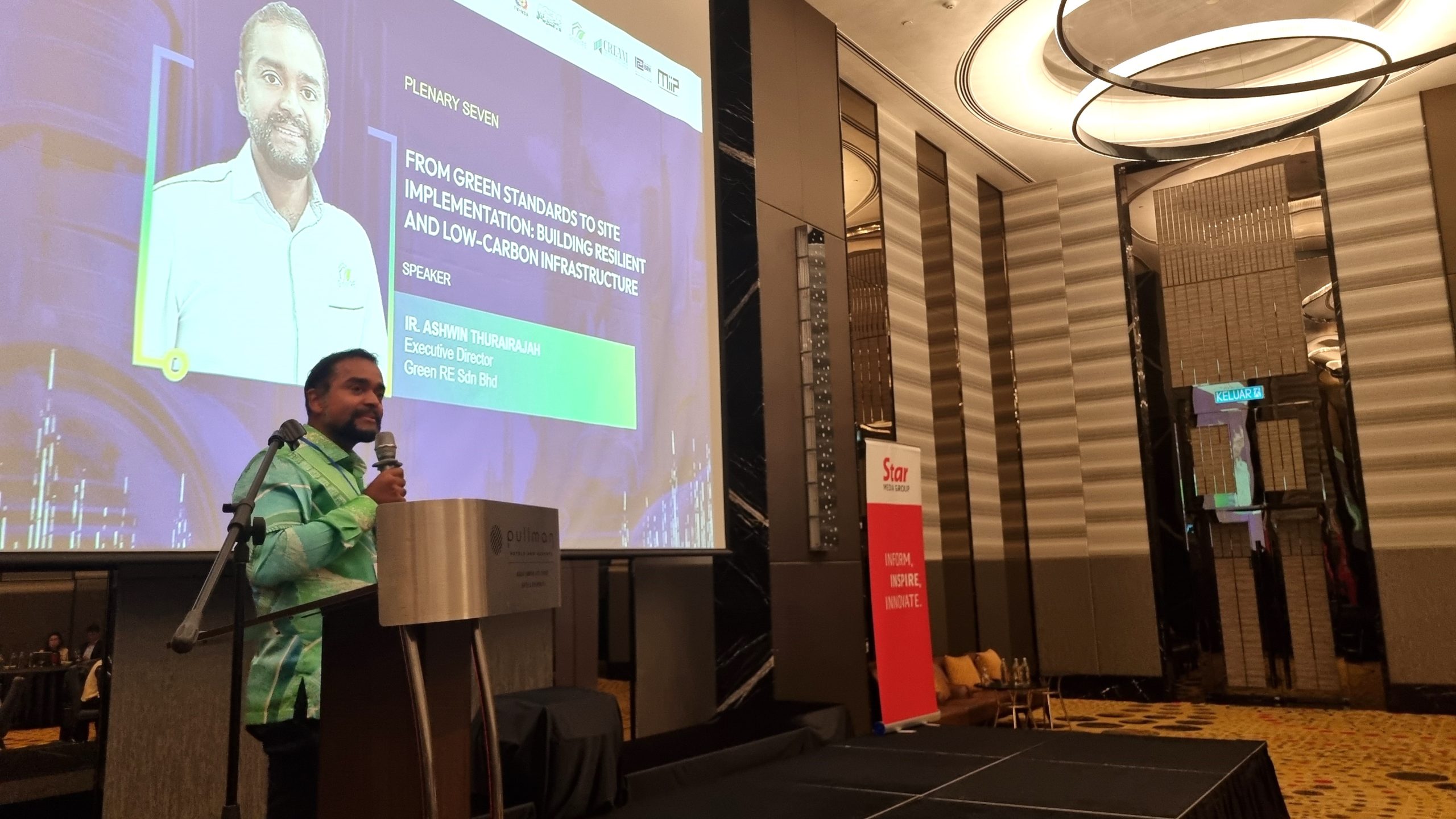
GreenRE Sdn Bhd executive director Ashwin Thurairajah said reducing embodied carbon starts with thoughtful design and material selection. Choosing lower-carbon alternatives, incorporating recycled materials and optimising structural designs can significantly reduce emissions without compromising performance. Materials such as concrete and steel which are among the largest contributors to embodied carbon, present opportunities for developers to lower emissions through supplementary cementitious materials, recycled steel and other low-carbon alternatives.
Beyond the materials themselves, speakers stressed that buildings should be designed to consume less energy from the outset. Passive design strategies, efficient building systems and renewable energy should work together to minimise operational emissions throughout a building's lifespan, rather than relying solely on carbon offsets after construction is complete.
The discussion also highlighted an often-overlooked reality: Malaysia cannot achieve net zero by focusing only on new developments. Much of the building stock that will exist in 2050 has already been built, making retrofitting existing buildings just as important as delivering greener new projects. Improving energy efficiency, upgrading ageing systems and extending the lifespan of existing assets through adaptive reuse can substantially reduce emissions while avoiding the environmental cost of demolition and rebuilding.
The art of building resilience
Designing a low-carbon building seems doable in this day and age, especially with the wealth of blueprints available now. But that is only half the equation, because ensuring that the structure continues to perform efficiently over the next 30 to 50 years is just as important.
Malaysian Proptech Association deputy president Jason Ding has reaffirmed that digital technologies like artificial intelligence, property technology and digital twin are essential tools when it comes to managing buildings via their operational lifecycle. This is coupled with increased proactivity, because rather than only reacting to equipment failures or any rising costs and bills, building owners who utilise today’s technology can leverage the real-time data to monitor performance, predict maintenance needs and optimise energy consumption.
“Net zero is not something that is achieved on the day a building is completed,” Ding reminded. “It requires continuous monitoring, measuring and improvement.”
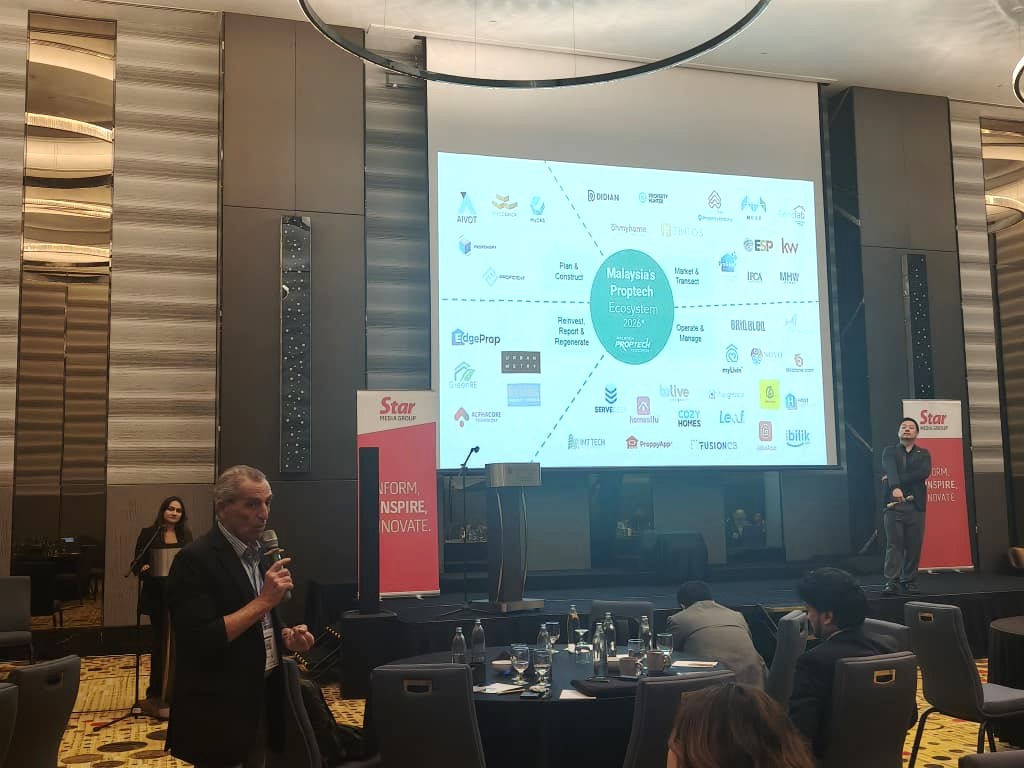
Considered a necessity in today’s construction industry, digital twins are essentially virtual replicas of physical buildings that continuously receive operational data. This allows owners to accurately analyse day-to-day stats such as energy usage and equipment performance. Combined with AI-driven analytics, not only do these keep buildings efficient during their lifecycle but also support more accurate ESG reporting and long-term asset management.
However, despite all of digital twins' potential, their adoption rate in Malaysia is still low due to their early-stage availability. Industry reports show that more than 80% of local contractors are still unaware of the digital twin concept while only around 20% have some level of awareness. Thus, actual implementation across building projects is still limited and highlights the gap between technology capabilities and industry adoption.
But going beyond technology, the speakers overall highlighted that sustainability is becoming a financial consideration more than ever. As investors and other financial institutions keep placing more emphasis on environmental, social and governance (ESG) performance, getting reliable data is playing a crucial role in improving the availability of green financing and boosting investor confidence.
Malaysia PropTech Association president Dr Daniele Gambero emphasised that transparency and digital governance are becoming just as important as sustainable design. He said that as developers increasingly seek green financing and impact investment, having the ability to measure, report and verify environmental performance as the building ages will be a key differentiator.
Ultimately, the path to net zero is so much bigger than just buildings. It requires broad and equal-level collaboration across the entire property ecosystem from planners, architects, engineers and developers, technology providers, policymakers and financiers. So while the technologies and frameworks to reduce emissions, the first goal of net zero, already exist, the speakers all agreed that success will depend on how quickly the industry embraces the lifecycle mindset.
Stay ahead of the crowd and enjoy fresh insights on real estate, property development and lifestyle trends when you subscribe to our newsletter and follow us on social media.