By Joseph Wong
In the dense urban fabric of the Klang Valley and Malaysia’s growing secondary cities, the dream of a forever home often hits a ceiling, literally. As families grow, the instinctive reaction is to sell and upgrade to a larger property. However, in today’s economic climate and the price of bigger homes, the math has changed. With the primary property market facing high entry costs and buyer eligibility becoming a more complex hurdle, home owners are looking at their existing foundations with new eyes.
The trend of expanding up rather than moving out is beginning to take root in many neighbourhoods. To navigate the complexities of turning a single-storey residence into a double-storey sanctuary, StarProperty spoke to Veritas Design Group principal and director Michael Tan on breaking down the costs, the structural realities and the legal blueprints required for a successful vertical migration.
Counting the cost
The first question every home owner asks is the bottom line. According to Tan, adding a second-storey to a Malaysian home typically ranges from RM150,000 to RM400,000.
The variance is wide because it depends heavily on the built-up area, the quality of materials and the structural complexity. He explained: "A standard terrace house conversion generally starts around RM200,000 while bungalows or larger homes can exceed RM350,000. These figures cover structural reinforcement, construction, finishes and professional fees but always budget an extra 10% to 15% as contingency.”
These figures are not merely for bricks and mortar. They encompass a holistic project lifecycle cost:
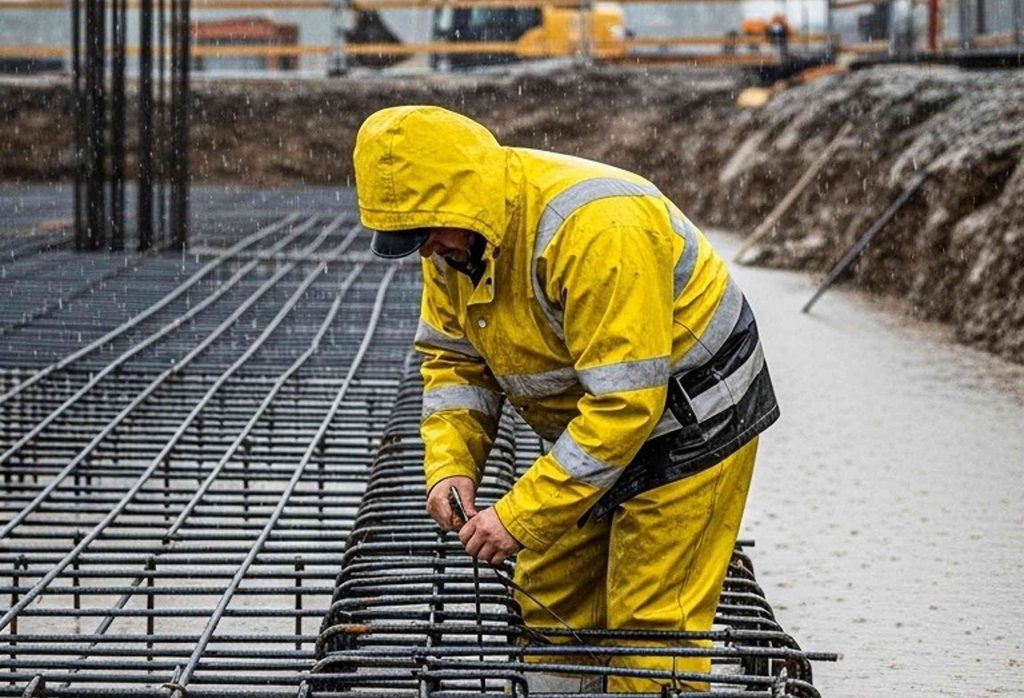
- Structural reinforcement which is often the most overlooked cost. Existing pillars may not be rated for the weight of a second floor.
- Construction and finishes including roofing, flooring and tiling.
- Professional fees for architects, structural engineers and surveyors.
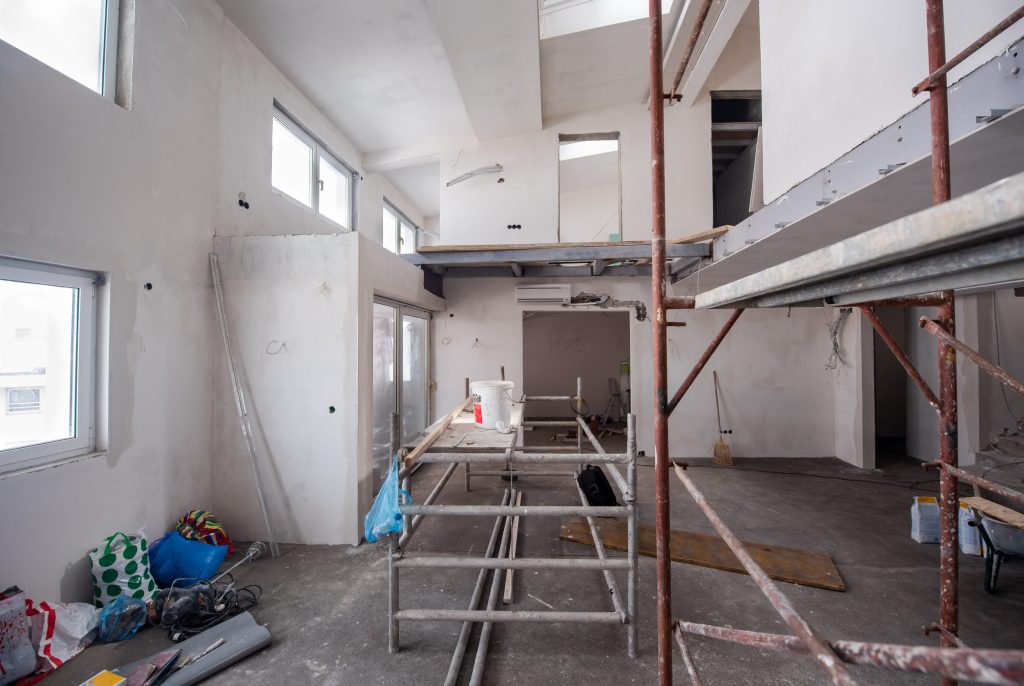
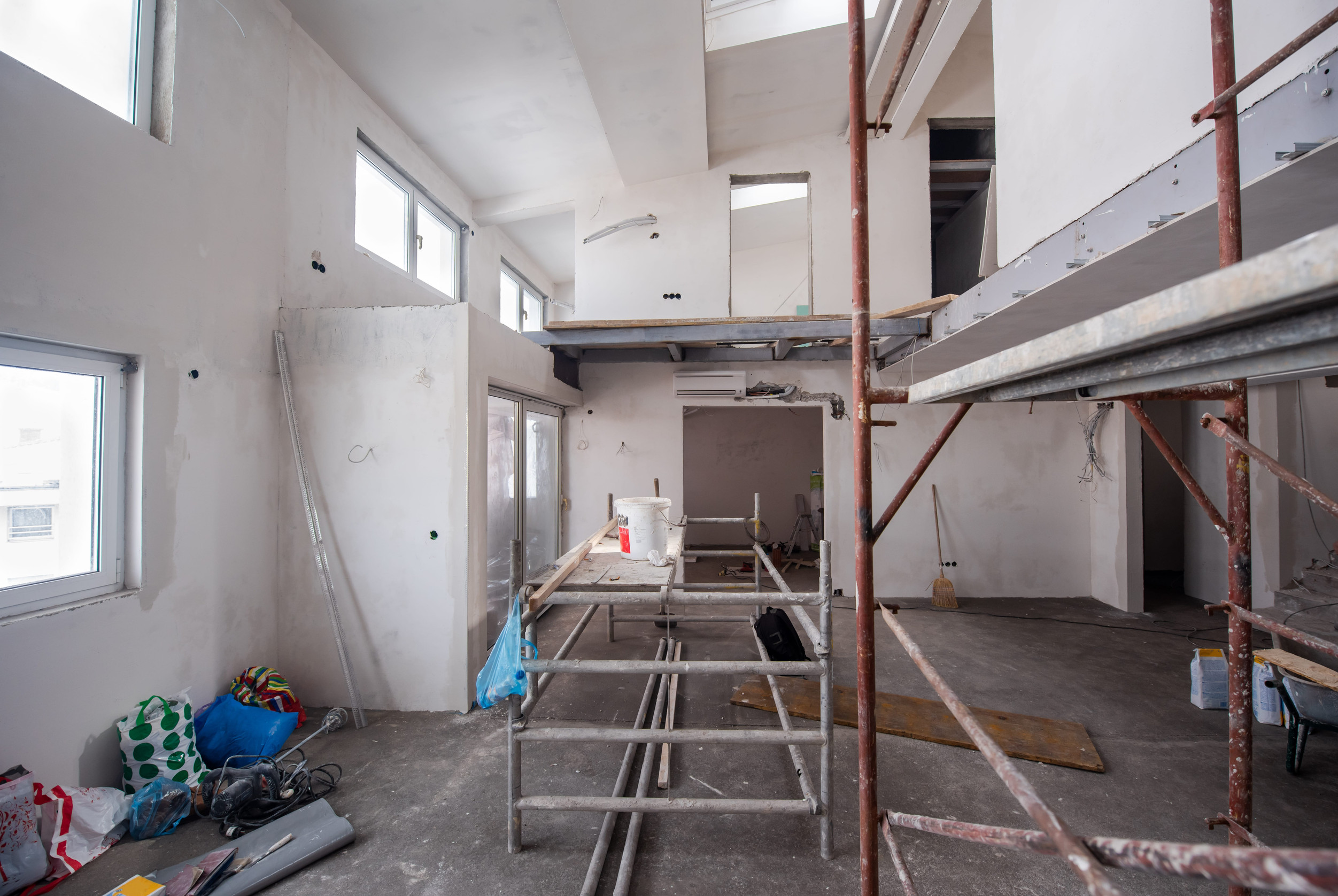
In renovation, the unknowns such as finding rusted reinforcement bars or outdated wiring once the old walls are peeled back, can hike up the construction works.
Why home owners are staying put
The decision to build upward is increasingly a strategic financial move. As property prices in major hubs continue to climb, the cost per square foot of a vertical extension is often significantly lower than the cost per square foot of buying a new, larger home in the same area.
"With property prices rising in Klang Valley and major cities, many families find it far more cost-effective to expand their existing home than to purchase a larger one. As architects, we play a crucial role in understanding our clients' long-term needs during the design stage," said Tan.
Tan emphasised a concept called future-proofing. By incorporating additional structural capacity during an initial renovation or the original build, home owners can prepare for a future upward expansion at a fraction of the cost. Planning for that extra floor early on, even if one hasn’t built it yet, can save a massive amount of money on future structural strengthening.
When plans scale back
Interestingly, the trajectory of a home isn't always bigger is better. As family dynamics shift when children leave for university or elderly parents choose different living arrangements, the house must adapt.
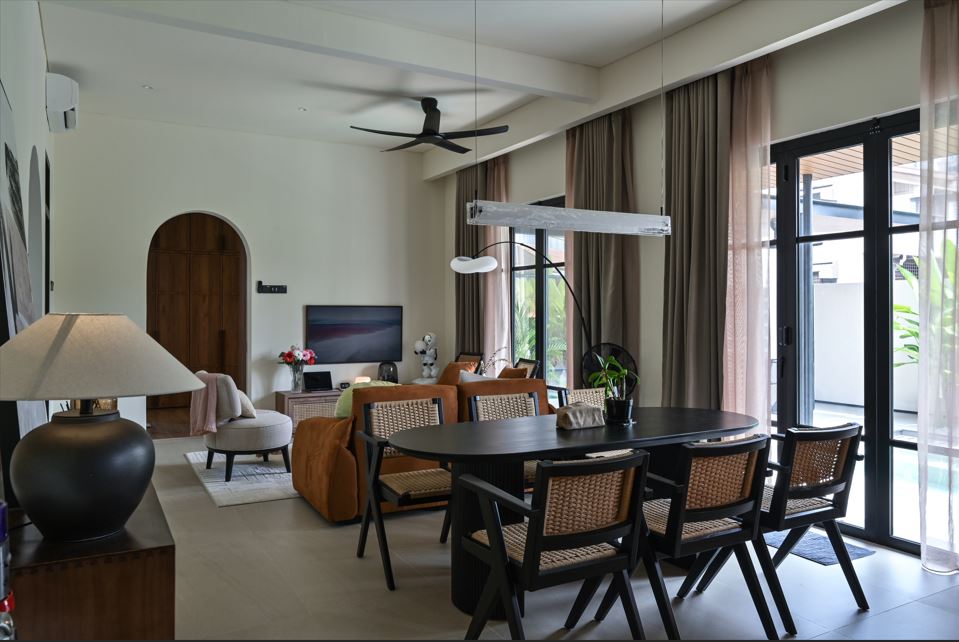
Tan recalled a specific case where a client’s brief evolved mid-design. "In one case, a client originally briefed us to design rooms accommodating both their parents and children under one roof. However, as plans evolved, the parents decided not to move in and those dedicated rooms were repurposed into family and guest gathering rooms," he said.
This highlights a core competency in modern real estate development: Flexibility. A well-designed vertical expansion should allow for rooms to be re-purposed as the family’s needs fluctuate.
The legal blueprint
In the grey area of Malaysian renovations, many home owners are tempted to bypass the authorities to save time and money. Tan is firm on the risks of this approach. To ensure an enlargement is legal and, more importantly, insurable, a strict procedure must be followed:
- Engage a registered architect: They are the orchestra conductors who prepare the formal renovation plans.
- Submit to local authorities: Whether it is DBKL, MBPJ or your local council, plans must be approved before the first hammer swings.
- Licensed contractors: Only CIDB-registered contractors should carry out the structural work.
- The CCC: Upon completion, a Certificate of Completion and Compliance (CCC) is issued.
"Skipping these steps risks fines, demolition orders and complications in the future," warned Tan.
Can the existing house take the weight?
Building upward is a different beast than building an extension into the backyard. It involves a load-bearing audit. Most single-storey terrace houses built in the 1980s and 90s were not designed to carry a second concrete slab.
When a floor is added, several tons of dead weight are imposed on the foundation. To circumvent structural fatigue and possibly a collapse, architects and contractors usually recommend:
- Piling or micro-piling: Strengthening the ground beneath the existing columns.
- Stiffener columns: Adding new steel or reinforced concrete supports inside existing walls.
- Lightweight alternatives: Sometimes, using steel frames and dry-walling instead of heavy bricks can make an impossible extension feasible.
Building on solid ground
Expanding upward is more than an aesthetic choice. It is a sophisticated real estate play. By staying in a mature neighbourhood with established urbanisation benefits such as proximity to schools, transport hubs and medical centres, home owners are preserving their lifestyle while increasing their asset value.
As Veritas’ Tan suggested, the key to a successful vertical extension lies in the unseen elements: The structural integrity, the legal compliance and the foresight to design for a shifting future. In a world where space is the ultimate luxury, the only way to go is up.
This article was first published in StarBiz 7.
Stay ahead of the crowd and enjoy fresh insights on real estate, property development and lifestyle trends when you subscribe to our newsletter and follow us on social media.