
By Yip Wai Fong
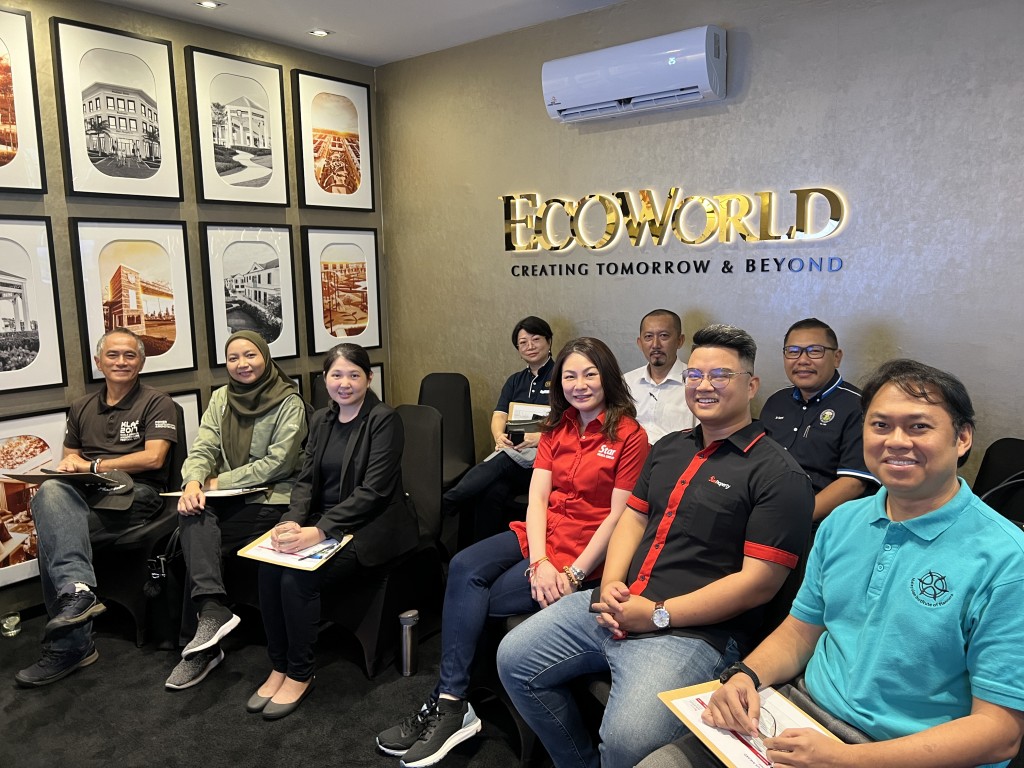
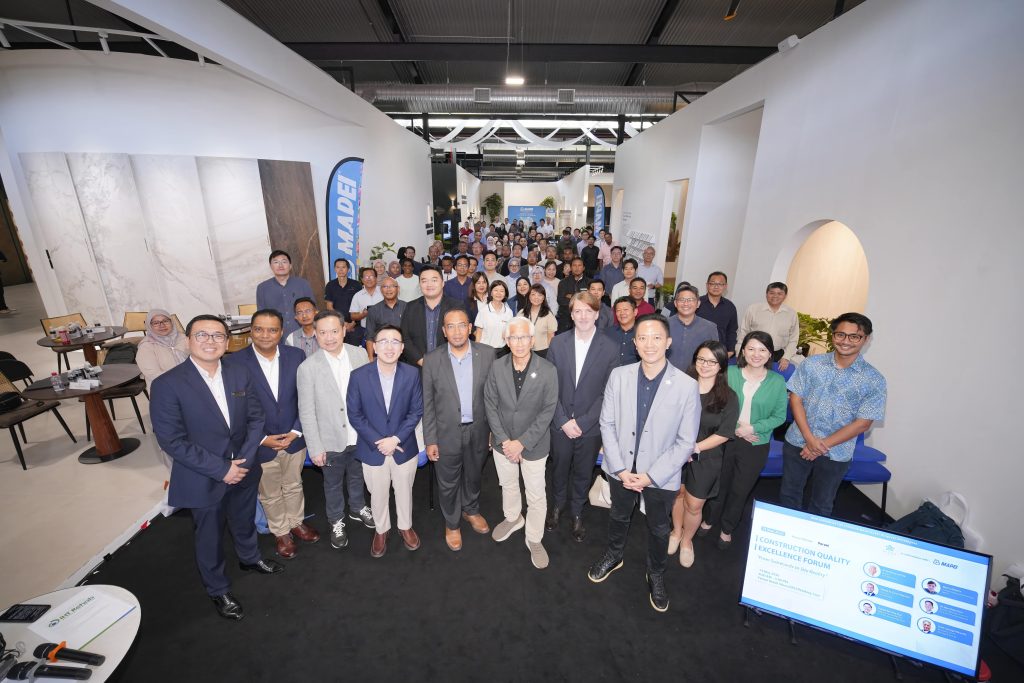
PETALING JAYA: Construction quality, a central pillar of building safety and long-term performance, is in the spotlight at a recent forum attended by 130 stakeholders in the building industry.
Among others, the forum highlighted the reputation costs of disputes arising from building defects, exploring preventive approaches and the need to improve accountability across the project delivery chain.
Organised by Rehda Institute, the forum featured panel speakers from the Architect Centre of Malaysian Institute of Architects (PAM), law firm Miranda and Samuel as well as partner organiser Mapei, a manufacturer and supplier of specialty chemicals for the building industry. Tile maker Feruni was the event’s venue sponsor.
Pointing out how certain common defects, such as water leakage, can pose a critical risk to building safety, Architect Centre director Anthony Lee said that regulatory compliance is no longer adequate. Instead, quality must be emphasised across design, workmanship and supervision.
“In today’s market, buyers may forget your brochure, launch gimmicks and even the selling price. But they will never forget recurring defects in the home they live in every day,”
“If we continue treating defects as isolated complaints, we will continue paying for them repeatedly through rectification costs, delays, disputes and reputational damage,” Lee told the audience.
With the prevalence of glass as a building material, Hue Chiun Hau from PAM said having a set of local standards for its use is urgently needed in the building industry.
“Greater awareness is needed across the industry and among building owners that glass should not be treated as a mere off-the-shelf product, selected from a catalogue or based solely on supplier or contractor recommendations,” he said, adding that cases of glass failure are preventable.
“The new Malaysia Standard, currently in the final stage of drafting, is hoped to close existing gaps in the use of glass in buildings, particularly on glass selection and engineering requirements,” he said.
Recent court rulings have been a stark reminder that developers’ liability goes well beyond the standard defects liability period (DLP) and defect complaints could damage developers’ reputation if not resolved satisfactorily.
Miranda and Samuel managing partner Datuk George Miranda shared a recent case where the Court of Appeal upheld the rulings that a developer had breached contractual and statutory obligations despite having rectified the defects brought to its knowledge during DLP. In the case, six home buyers were awarded a multi-million ringgit compensation.
George said the case has shown that home owners now are afforded stronger legal protection and developers need to step up with rigorous quality control and transparent marketing.
The forum comes at a particularly timely moment as concerns surrounding construction defects, poor workmanship and post-handover building issues continue to rise across both residential and stratified developments.
“As construction quality and project delivery standards become increasingly important matters of public interest, Rehda Institute, as a social enterprise and strategic regional think tank, is dedicated to providing meaningful platforms for knowledge-sharing and dialogue to advance best practices in real estate,” said Rehda Institute chief operating officer David Chong.
Stay ahead of the crowd and enjoy fresh insights on real estate, property development and lifestyle trends when you subscribe to our newsletter and follow us on social media.