

Property purchase is being rebranded and no longer driven primarily by symbolism or prestige.
By Pavither Sidhu
For much of the past three decades, owning a property was framed as the ultimate life milestone one can achieve. It was a symbol of adulthood, financial stability and long-term success. The traditional view of the home as a lifelong achievement is fading. While buyers once equated bigger houses with greater success, a new practicality is taking hold, dismantling the long-held assumption that a house must be a symbol of success..
As the property market saw shifts in buying behaviour, industry experts note that buyers today are moving away from the house as a trophy mindset and treating property as a flexible service that must fit their immediate lifestyle.
This shift does not signal waning interest in ownership. Rather, it reflects a sharper, more disciplined mindset. Homes are expected to perform financially, operationally and lifestyle-wise instead of merely representing success or a roof over their heads. One of the clearest signals of behavioural change lies in financing priorities.
In today’s Malaysian property landscape, the traditional race for a high margin of finance has been replaced by a calculated focus on debt sustainability. This conditional ownership is a response to heightened financial scrutiny and a desire for cash-flow resilience.
Data from Bank Negara Malaysia’s (BNM) Financial Stability Review 1H 2025 confirms this trend. The median Debt Service Ratio (DSR) for newly approved loans remains a prudent 41%. This indicates a conscious effort showing buyers’ preference for manageable repayment thresholds rather than maximised borrowing.
This caution is mirrored by industry supply. The Real Estate and Housing Developers’ Association Malaysia (Rehda) Property Industry Survey 1H 2025 reveals that loan rejection rates are highest for homes priced between RM300,001 and RM500,000. This paradox highlights a market where both banks and buyers are wary of financial fragility, particularly within the mass-market segment.
Further data from the National Property Information Centre (Napic) Q3 2025 notes that while transaction volumes dipped by 3.5%, total transaction values surged by 12.5%. This suggests that serious buyers are pivoting toward higher-quality, better-located assets that offer actual utility and long-term value.
Official statistics from Napic show that demand is concentrated between the RM300,000 and RM800,000 thresholds. However, the type of property chosen depends heavily on the buyer's life stage rather than mere generational labels.
Official statistics continue to show that residential property dominates transaction volumes nationwide. However, distribution patterns reveal where demand is truly concentrated.
Data from Napic and the Valuation and Property Services Department (JPPH) consistently show the strongest transaction activity below the RM1mil threshold, with particular intensity between RM300,000 and RM800,000. This is echoed by Rehda’s market observations, which indicate that more than half of new launches fall within the RM300,001 to RM700,000 range.
This clustering is not merely a function of affordability constraints. It reflects buyer intent.
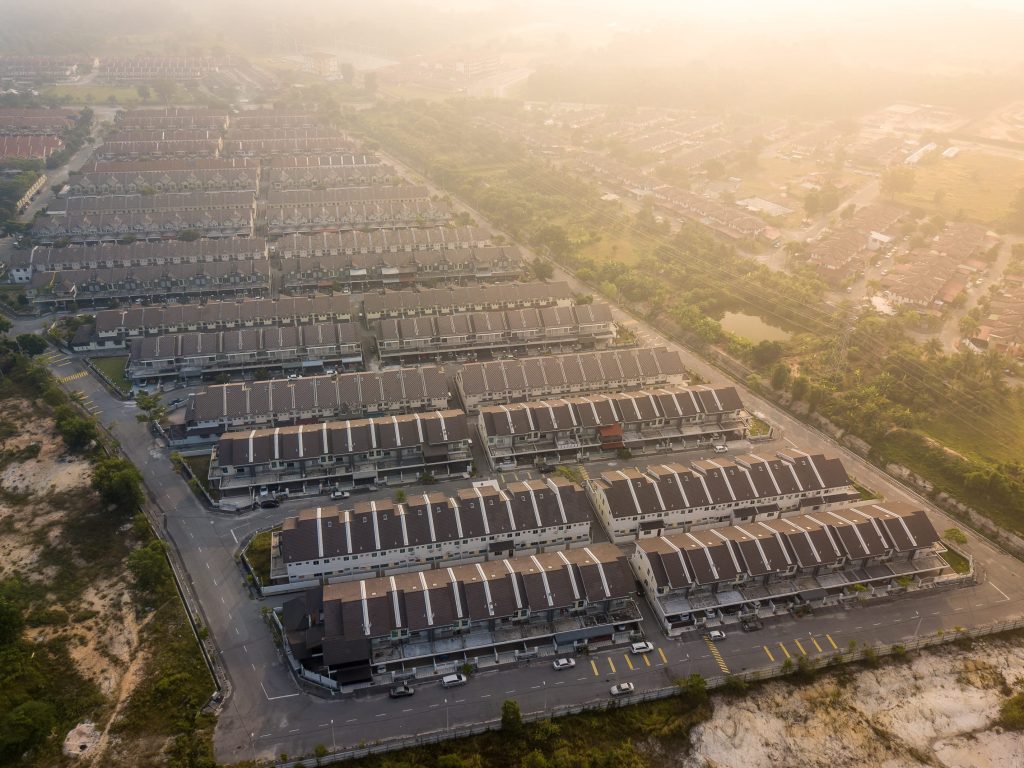
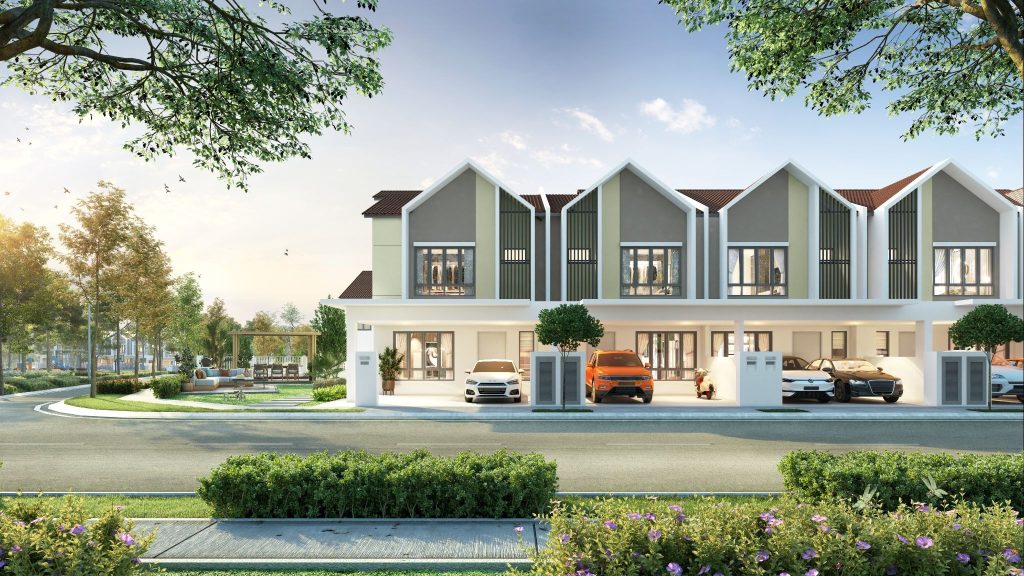
Rehda’s market commentary underscores a broader truth in today’s housing market: practical housing types are outperforming aspirational offerings. Terrace homes, in particular, recorded the strongest performance not because buyers are reverting to tradition but because these homes align with the needs of households entering a consolidation phase of life.
Buyers in their 30s and early 40s, often managing growing families, dual incomes and long-term financial commitments, find that landed homes offer tangible utility. Larger floor areas, layout flexibility and the ability to adapt spaces over time make terrace houses efficient, liveable assets rather than symbolic upgrades. At this stage, ownership is less about access and more about stability, space and permanence.
Napic data for Q3 2025 shows that transaction volumes within the RM500,001 and RM800,000 segment remain strong and relatively stable, a range that frequently corresponds with terrace homes in established or suburban corridors. These price bands allow households to balance living space with prudent financing, without overextending into higher-cost segments.
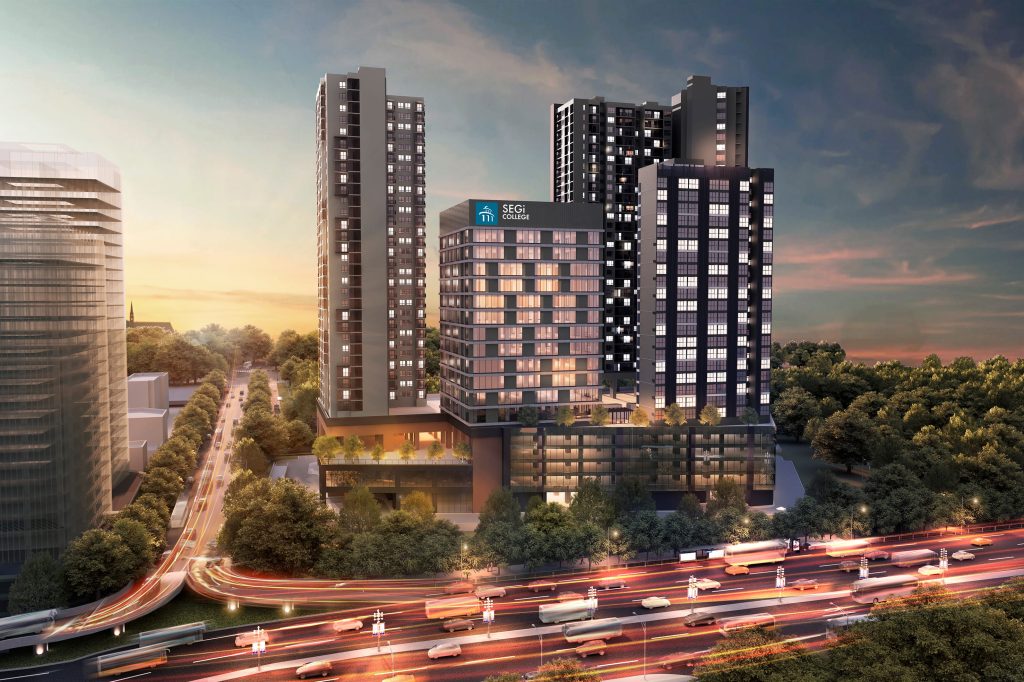
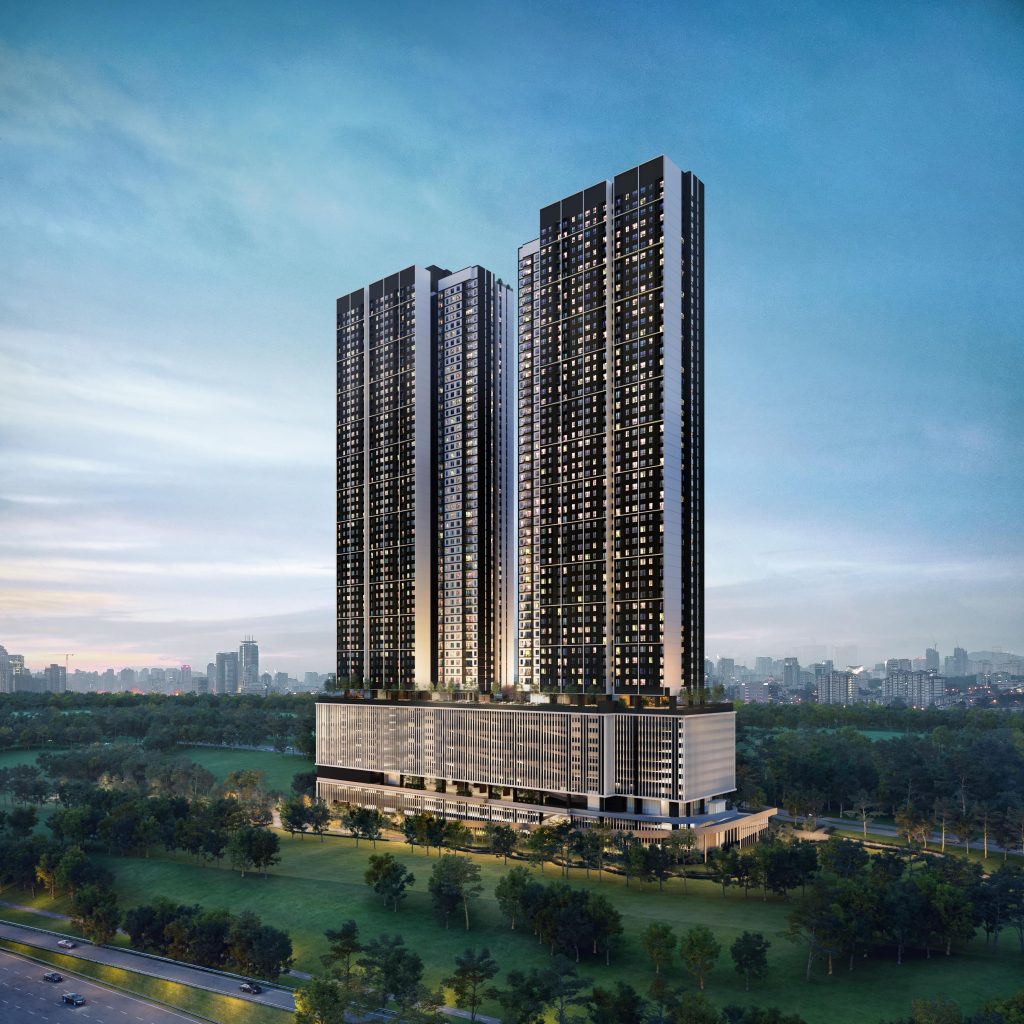
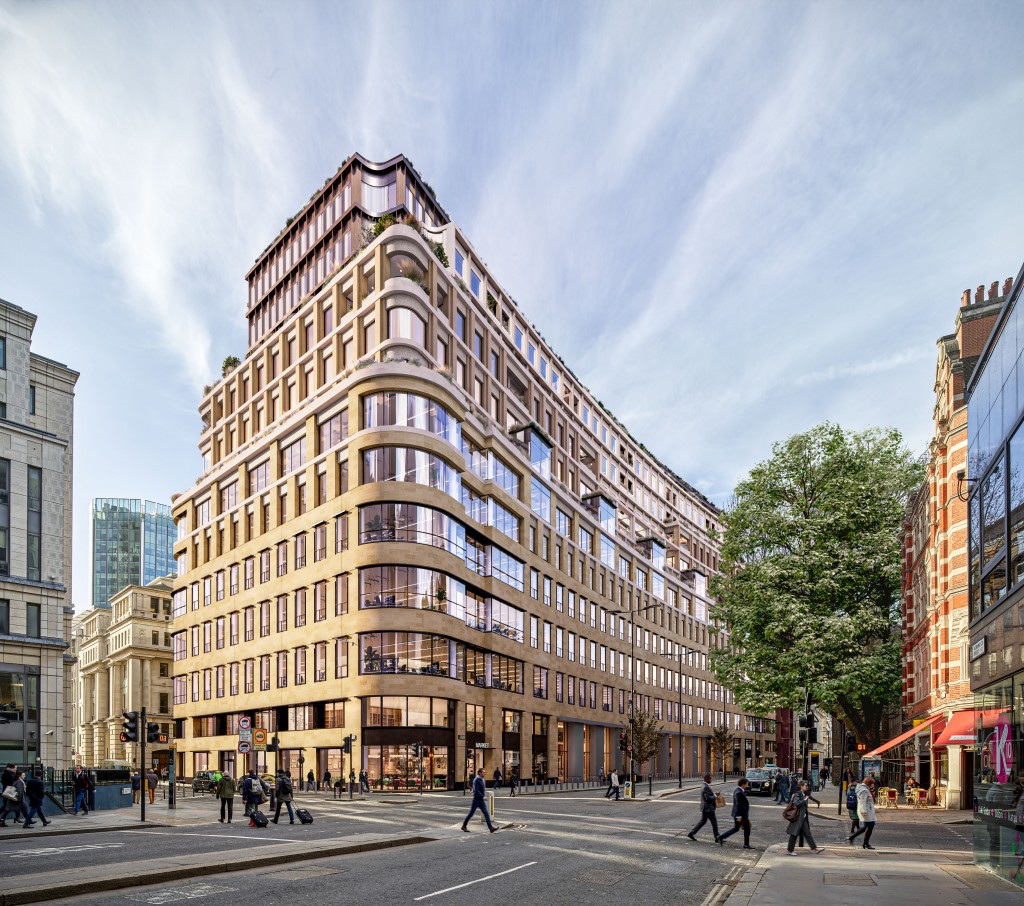
For this cohort, the property is not just an asset but a centrepiece of a stable family life. In contrast, younger buyers, particularly the Gen Zs, are approaching ownership from a markedly different position. Many are entering the market earlier in their careers, with tighter DSR thresholds and a stronger emphasis on mobility. For this group, high-rise and mixed-use developments outperform not because they are smaller but because they are strategically efficient. Proximity to public transport, workplaces and daily amenities reduces commuting costs, limits car dependency and preserves financial flexibility.
This difference does not represent a generational split in aspiration but a life-stage calibration of advantage. Where mid-career households prioritise space and adaptability, early-career buyers prioritise access, time savings and optionality. Both groups are responding to the same economic reality, seeking higher financial scrutiny, disciplined lending standards and a heightened awareness of long-term affordability.
As a result, developments gaining traction across age groups share a common denominator. They solve practical problems at the right moment in the buyer’s life cycle. Whether landed or vertical, success is no longer defined by form but by functional advantages delivered to specific life stages.
What this means for market strategy
By anchoring demand segmentation in the life stage rather than generational labels, stakeholders gain clearer direction on product design, pricing strategy and financing structures. Buyers today are not defined by age but by economic context and functional priorities and the data from BNM and Napic confirms this shift in behaviour is real, measurable and consequential.
Connectivity as a baseline
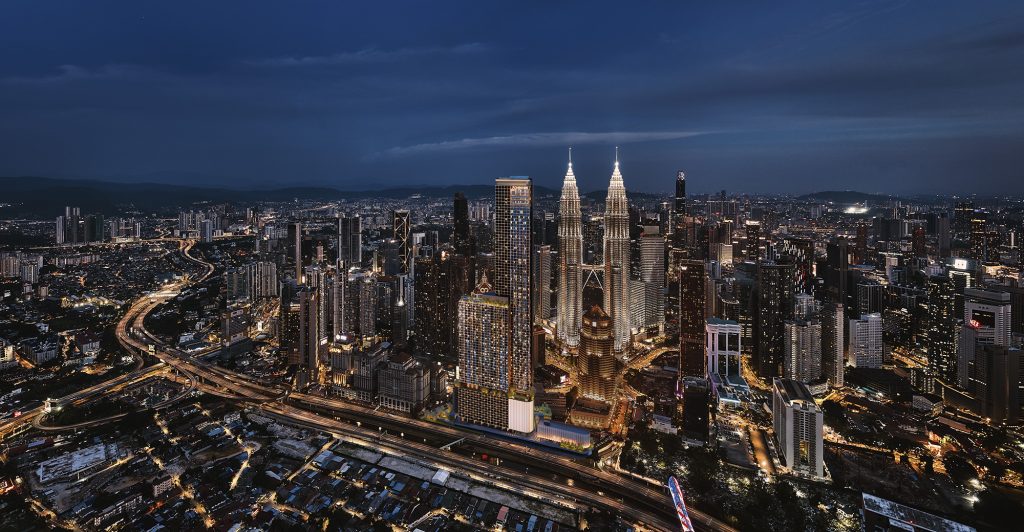
Transit-oriented locations have become non-negotiable. Developments that integrate pedestrian access to rail lines, shuttle services and major road networks consistently attract interest. Reduced commute times are not just a convenience. They represent time reclaimed, transport costs avoided and greater career flexibility. This explains the appeal of projects located near MRT, LRT or KTM stations, where smaller unit sizes are offset by superior accessibility.
Amenities that support daily life
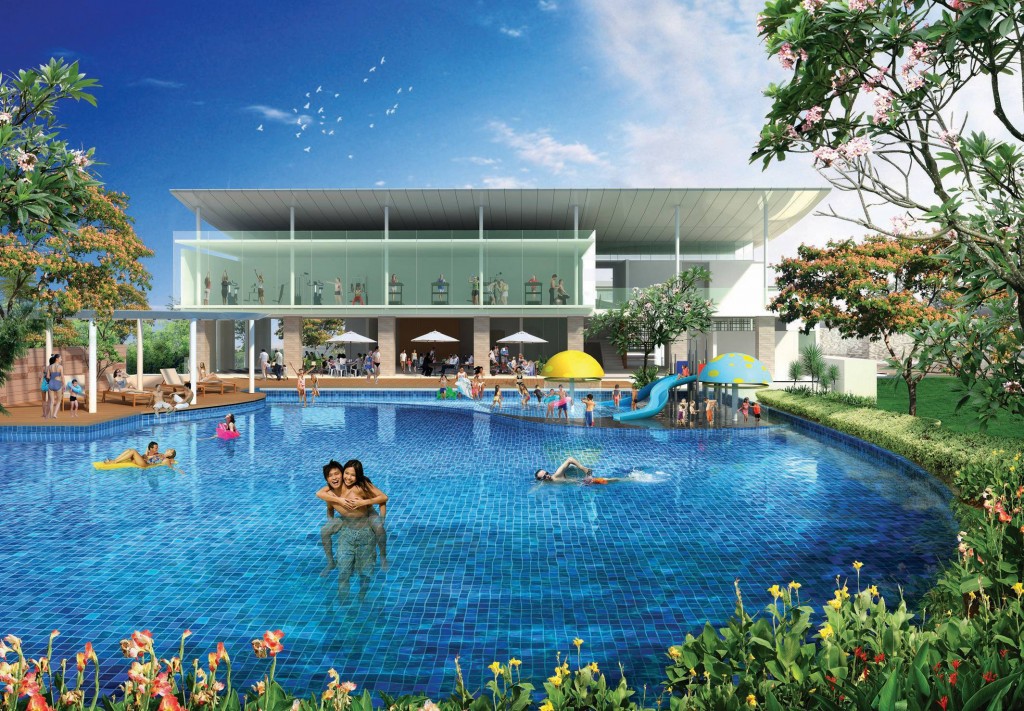
Resort-style facilities have also evolved in purpose. Pools, gyms, yoga decks and wellness spaces are no longer treated as luxury add-ons but as extensions of the home. These amenities support physical health, mental well-being and informal social interaction, all of which align with changing lifestyle priorities.
Functional communal spaces increasingly matter more than exclusivity. Buyers are gravitating toward developments that encourage regular use rather than occasional display.
Integrated, mixed-use environments
Live-work-play integration has emerged as another defining feature. Developments that combine residential units with retail, dining and leisure components reduce daily friction and align with walkable, experience-driven living.
For many discerning buyers, the surrounding neighbourhood effectively becomes an extension of the home. Here is where cafes double as meeting spaces, retail zones become social nodes and rooftop decks serve as shared gathering areas.
Move-in-ready interiors
Practical fittings are also playing a growing role in purchase decisions. Partially furnished units complete with air-conditioning, kitchen cabinetry, water heaters and digital locksets reduce upfront costs and accelerate move-in readiness.
Rather than investing time and capital into renovations, buyers increasingly favour homes that function efficiently from day one.
Flexibility and future readiness
Features such as EV charging bays, low-density layouts and dual-key configurations reflect a forward-looking mindset. These elements support sustainability, comfort and alternative income strategies, offering adaptability as circumstances evolve.
Taken together, these trends point to a broader redefinition of ownership where it remains relevant. However, ownership must serve life rather than constrain it. Malaysia’s property market is not waiting for younger buyers to catch up. It is already being reshaped by their choices, their financial discipline and their redefinition of what it means to truly own a home.
Stay ahead of the crowd and enjoy fresh insights on real estate, property development and lifestyle trends when you subscribe to our newsletter and follow us on social media.