Contributed by Brig Gen Datuk Goh Seng Toh
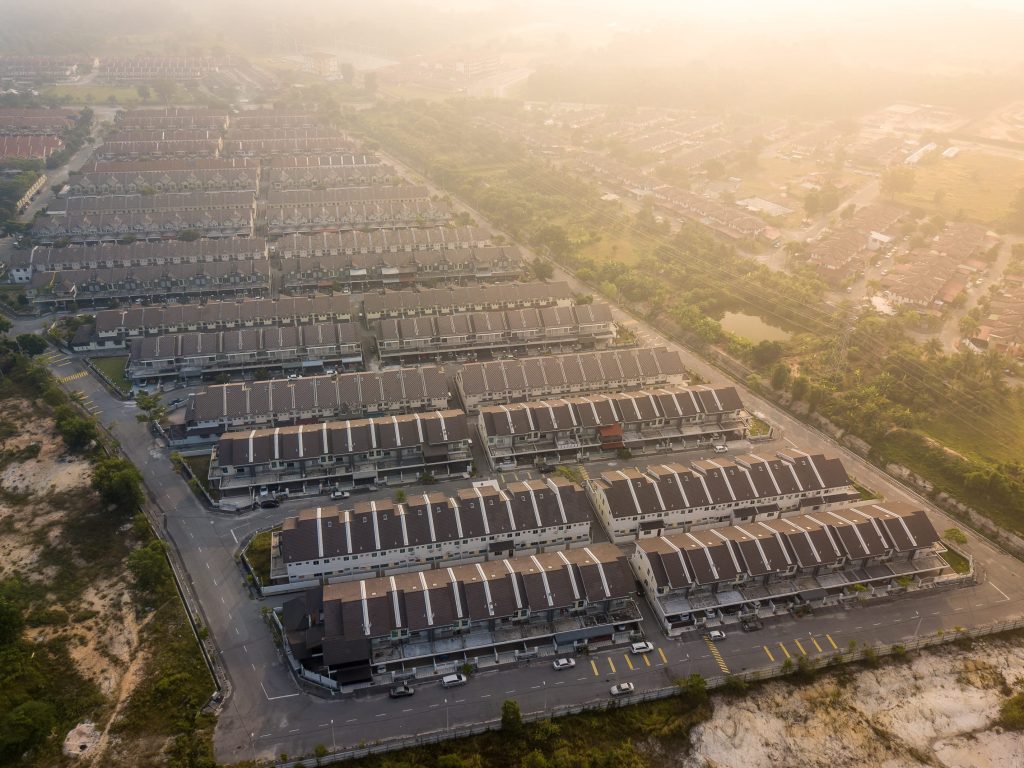
As Kuala Lumpur pursues aggressive urban renewal, a growing unease is settling among its residents. This anxiety stems not from development itself but from the potential loss of public parks, community spaces and the social security that long-term residents have spent decades building.
This concern was recently amplified by Federal Territories Minister Hannah Yeoh, who cautioned against the erosion of green spaces. Quoting the minister: “No more disappearing parks. KL must safeguard its green spaces as top priority amid ongoing urban development and increasing concerns over city livability”.
She also highlighted that senior citizens and long-term residents must feel secure and included in the city, able to age gracefully while enjoying the benefits of well-preserved parks and community spaces.
She emphasised that senior citizens and long-term residents must feel secure and included, able to age gracefully while enjoying well-preserved community assets. Her remarks strike at a fundamental question: Should urban success be measured by how quickly land is transformed or by how well people live?
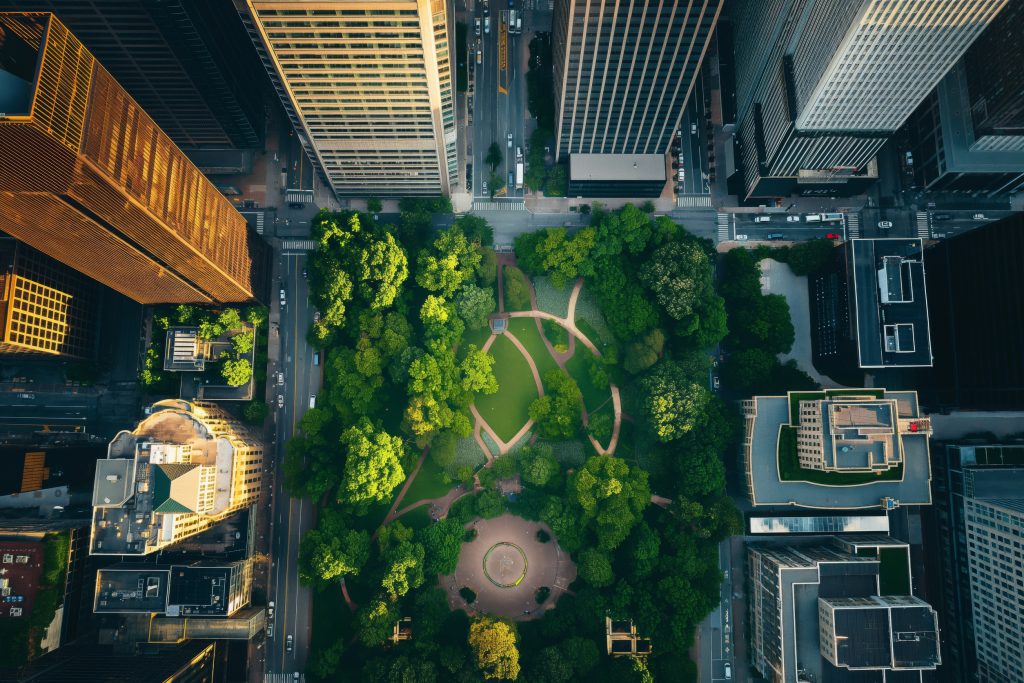
In dense urban areas, parks are the most democratic spaces available. They require no entry fee and serve as the primary venues for children to play, seniors to exercise and neighbours to interact. When a park is redeveloped, its social function cannot be easily replicated. Replacement spaces are often smaller, less accessible or privately managed, which fundamentally alters their public nature.
Yeoh’s warning highlights that green spaces are a form of social infrastructure. Their removal weakens community bonds and disproportionately affects vulnerable populations, specifically senior citizens and lower-income families who have few alternatives for recreation and connection.
The right to belong
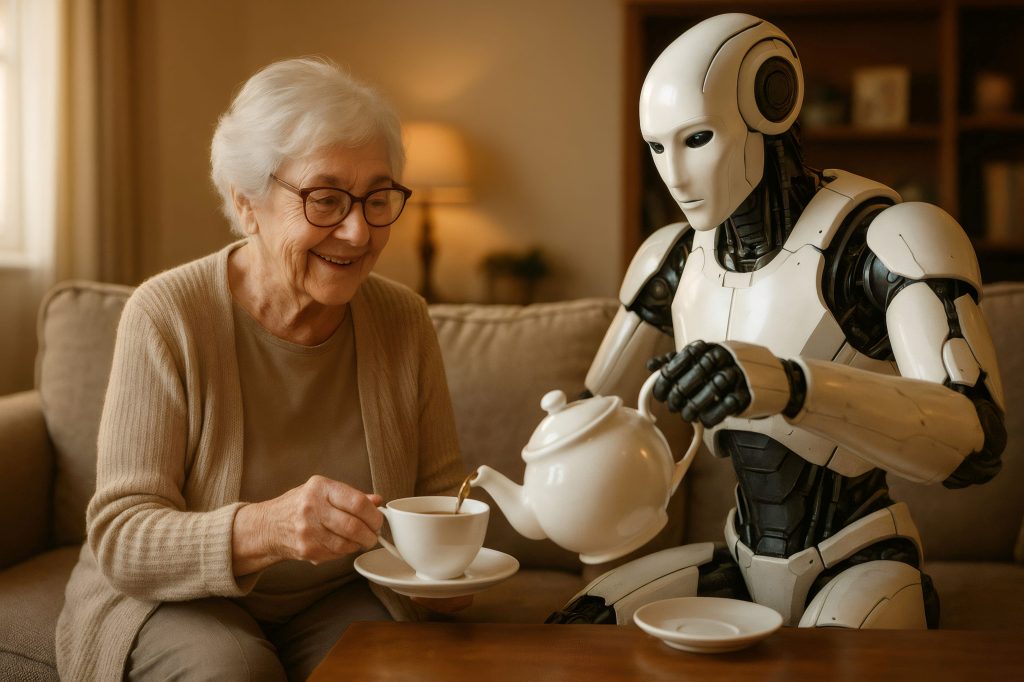
Kuala Lumpur is experiencing demographic ageing. More residents are choosing to grow old within the communities they have known for decades. For them, a morning walk or a casual conversation in a familiar park is not just recreation, it is essential for mental and physical well-being.
When redevelopment threatens these spaces, it creates deep insecurity. Long-term residents begin to feel the city is being built around them rather than for them. Being able to age gracefully must be more than a sentimental phrase. It must be a policy goal that requires stable neighbourhoods and an assurance that redevelopment will not erase the social fabric built over generations.
URA and the politics of speed
The debate over urban success has intensified with the proposed Urban Renewal Act (URA), which has currently been withdrawn pending further enhancements. Proponents argue the URA is necessary to address decaying infrastructure. However, critics, including the National House Buyers Association (HBA) and various civil society groups, warn that its provisions prioritise redevelopment speed and commercial value over community consent.
The most contentious aspect of the URA is its coercive potential. By proposing to lower the owners’ consent threshold, the Act risks turning renewal into a process that happens to communities rather than with them. For the elderly, this translates into a fear of displacement, gentrification and the loss of vital social networks. While the URA Bill was recently withdrawn from its second reading in Parliament, stakeholders remain vigilant, as a refined version is expected to return.
Introducing the Happiness Index as a way forward
Against this backdrop, Minister Yeoh’s focus on well-being gestures toward an alternative framework used by progressive planners worldwide: the Happiness Index. Unlike traditional metrics like GDP or land value, a Happiness Index measures mental health, access to public space, social cohesion and safety.
Applying a Happiness Index to Kuala Lumpur would fundamentally change how proposals like the URA are evaluated. Instead of focusing narrowly on demolishing and rebuilding, policymakers would prioritise:
- Regeneration and revitalisation: Improving existing structures and their immediate surroundings (safety, energy efficiency and modern standards) without losing the original character of the neighbourhood.
- Social impact: Assessing whether a project increases community stress or diminishes access to public spaces.
- Vulnerability checks: Evaluating how redevelopment affects seniors and long-term residents.
Under this framework, the destruction of a public park would not be a minor trade-off but a significant loss to collective happiness that must be justified with extraordinary care.
Happiness vs displacement
The contrast is clear. Where the URA emphasises consolidation and land optimisation, a Happiness Index emphasises stability and inclusion. This does not mean rejecting development. It means redefining it.
Development guided by happiness metrics would still address unsafe buildings but it would do so with stronger protections for residents and a presumption in favour of preserving communal assets. It recognises that forced displacement carries long-term social costs such as increased loneliness and declining trust which eventually manifest in higher public health spending and lower civic engagement.
Choosing the city we want
Kuala Lumpur stands at a crossroads. One path leads toward faster redevelopment and greater commercial returns at the risk of eroding social stability. The other path demands a patient, people-centred approach guided by well-being.
Yeoh’s call to safeguard green spaces signals an important intervention, reminding us that urban governance is about stewarding lives, not just managing land. If the city is serious about becoming livable, it must move beyond narrow development metrics and embrace a future where success is measured by the quality of life of its residents. The answer to the city’s future will be found in the parks it chooses to protect and the values it chooses to measure.

Stay ahead of the crowd and enjoy fresh insights on real estate, property development and lifestyle trends when you subscribe to our newsletter and follow us on social media.