By Joseph Wong
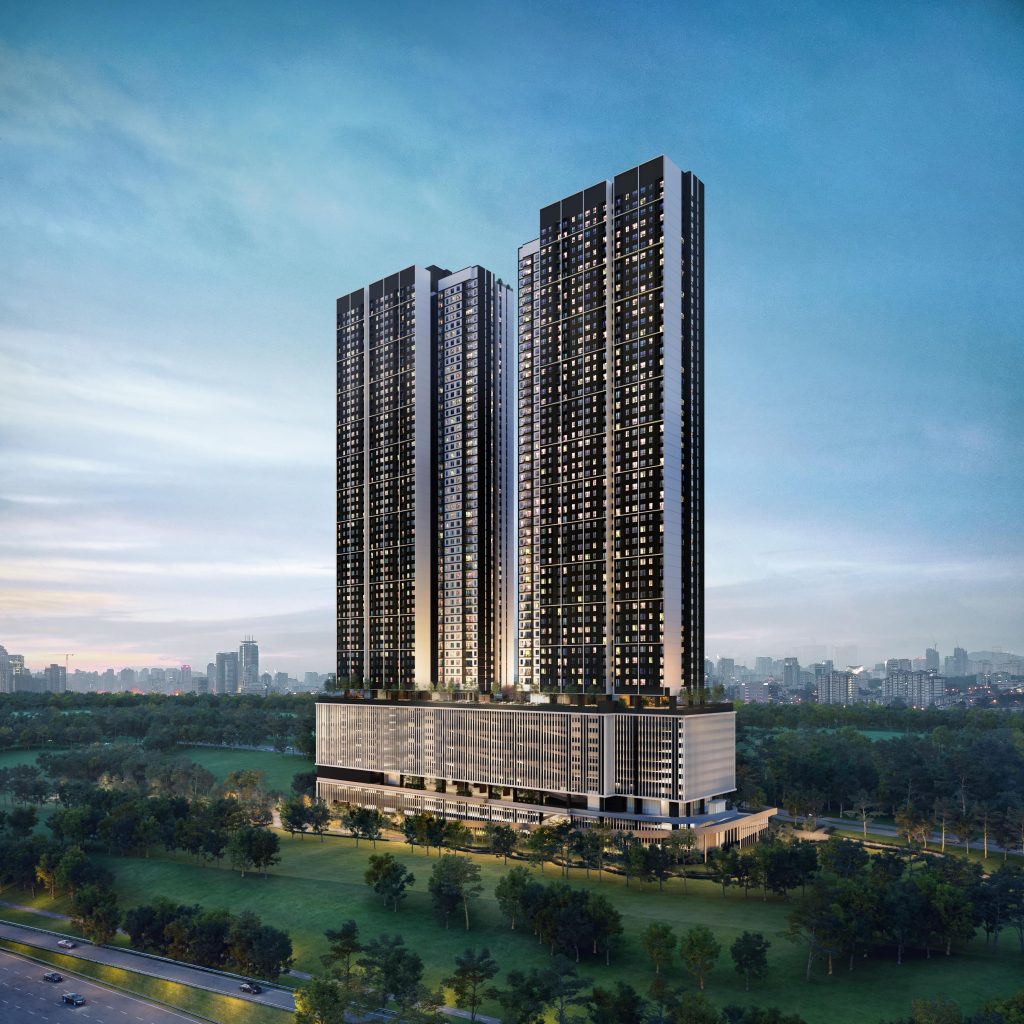
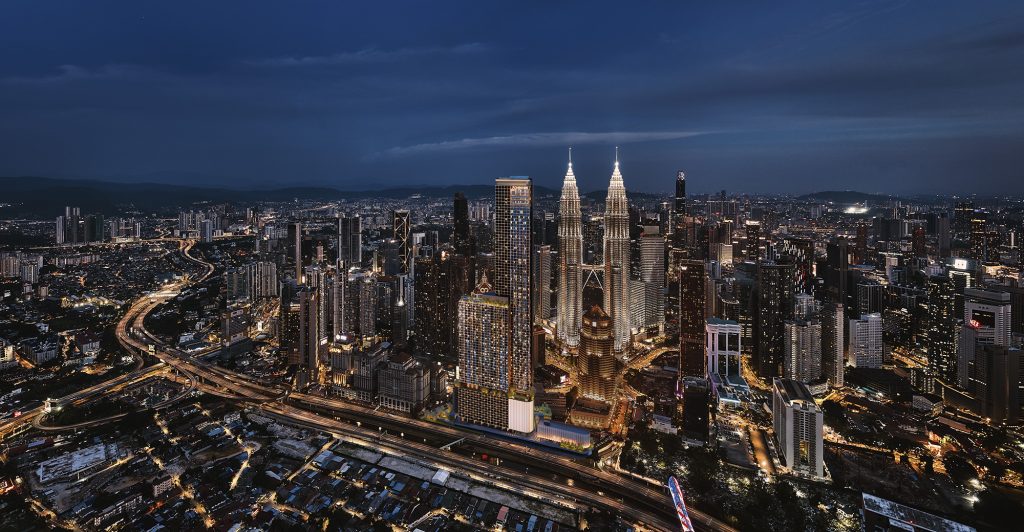
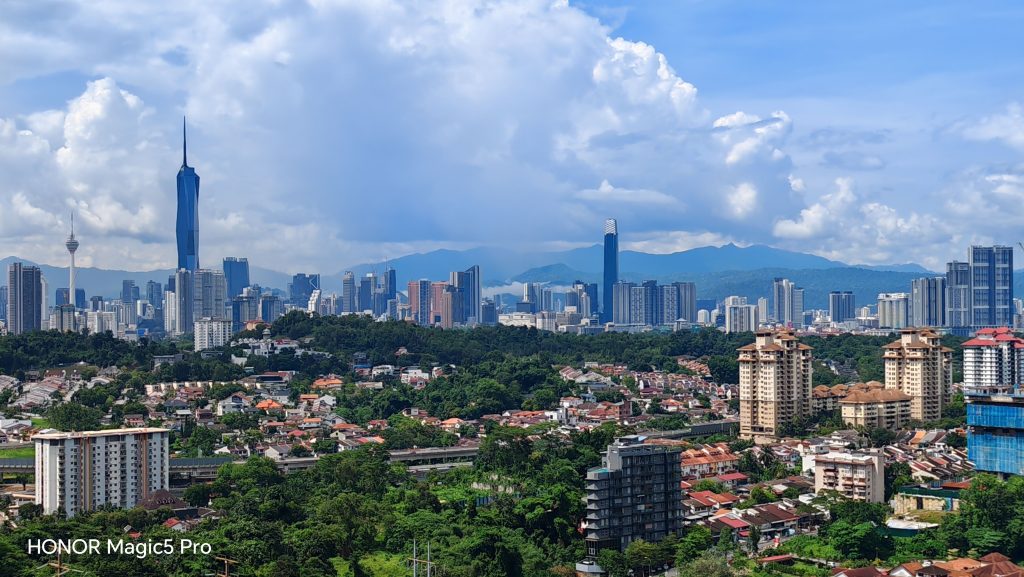
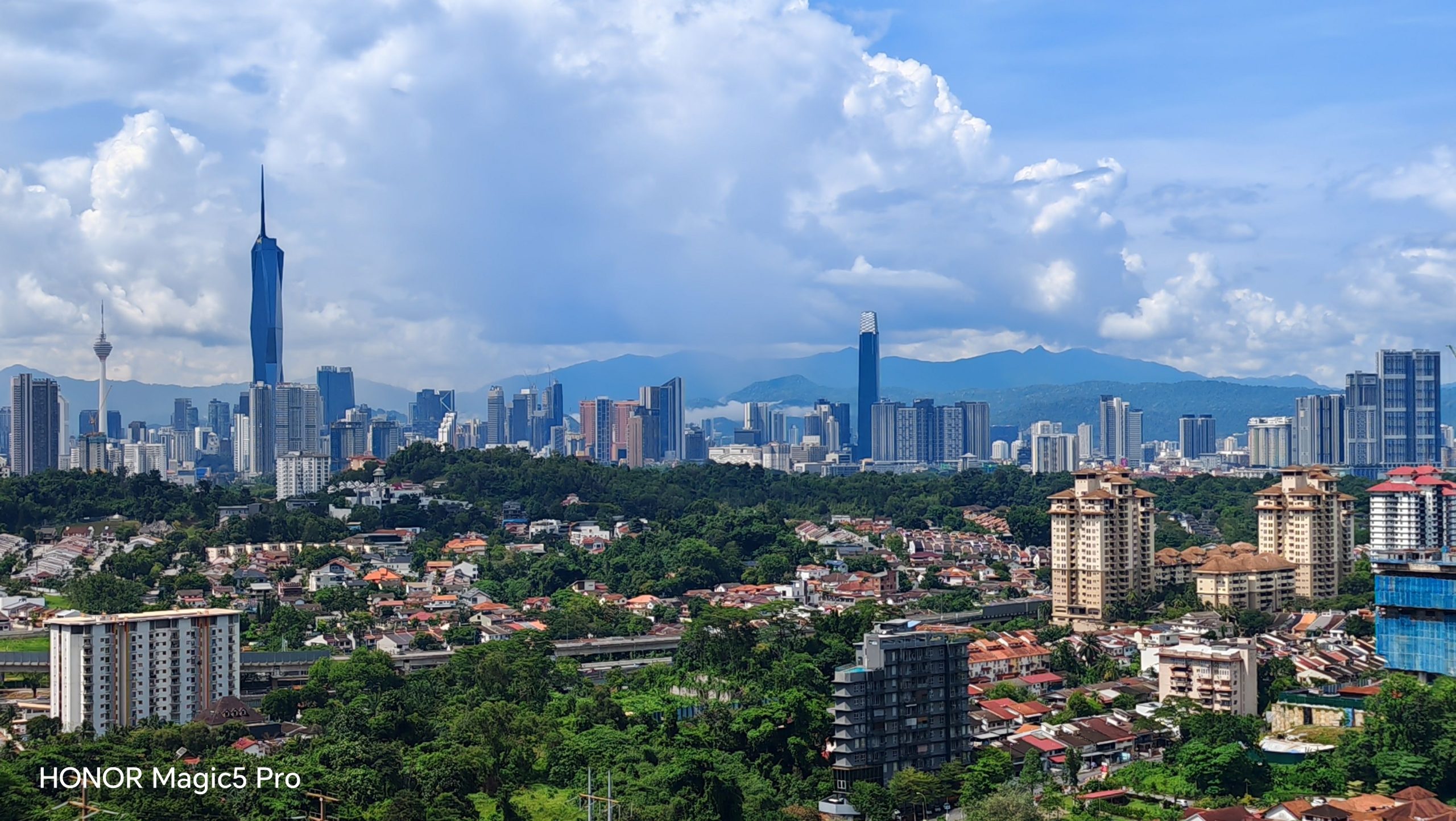
The Malaysian capital’s skyline is not just reaching for the clouds but also reaching for a new economic equilibrium. The first quarter of this year shows that Kuala Lumpur’s prime office market has positively shown its recovery trajectory and accelerated into a period of strategic growth.
With prime rents climbing 1.3% quarter-on-quarter to RM6.12 per square foot (psf), the narrative of the empty skyscraper is rapidly being replaced by a story of flight-to-quality and regional value dominance, according to the Knight Frank Asia-Pacific Q1 2026 Office Highlights.
To understand the weight of these figures, one must look at the broader implications for the Malaysian rental market and why Prime Rates have become the North Star for developers, investors and multinational corporations (MNCs) alike.
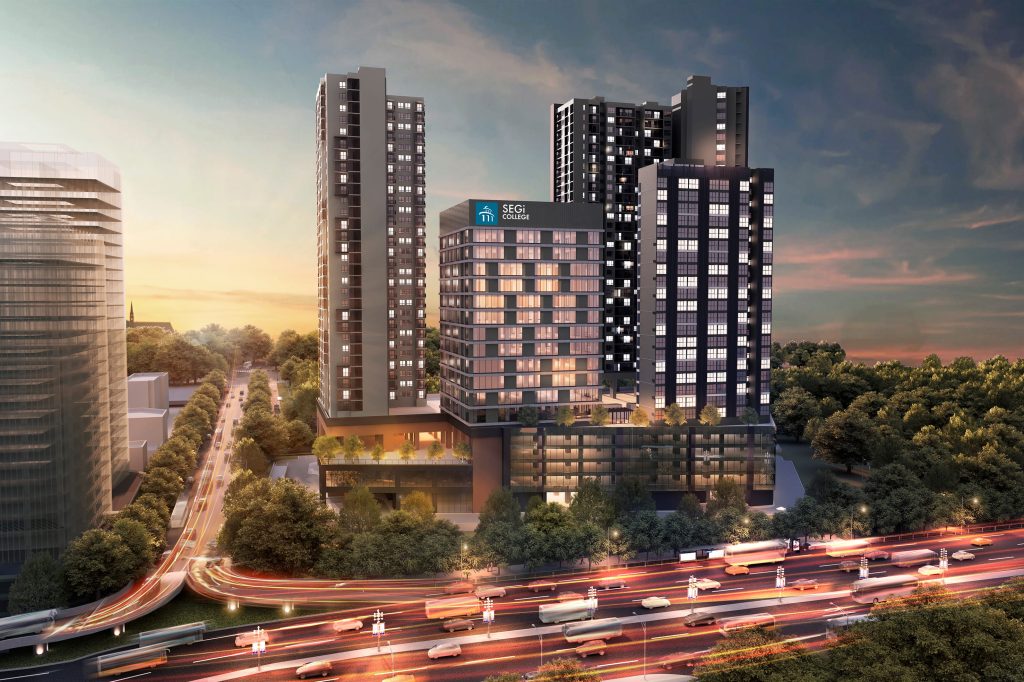
In real estate terminology, Prime Rates (or Grade-A rents) refer to the rental costs associated with the highest quality office spaces in the most desirable locations. In Kuala Lumpur, this specifically targets the Golden Triangle, the KLCC vicinity and the burgeoning Tun Razak Exchange (TRX).
When prime rates move upward, as they have to RM6.12 psf, they signal more than just an increase in price. They indicate a market where demand for premium infrastructure, specifically buildings that are environmental, social and governance (ESG)-compliant and transit-oriented (TOD), outstrips the available supply. For the Malaysian rental market, prime rates act as a psychological and financial ceiling. As Grade-A prices rise, Grade-B and Grade-C buildings often follow suit or are forced into adaptive reuse to stay relevant.
Why vacancy is shrinking
Perhaps the most startling figure in the Q1 2026 report is the vacancy rate. Vacancy has dropped to 22.1%, a marked improvement from the 31.3% seen just two years ago in late 2023. This 9.2% recovery in occupancy is the result of a deliberate constriction of the supply pipeline.
In 2026, only 0.12 million sq ft of net lettable area (NLA) is projected for completion, followed by a modest 0.27 million sq ft in 2027. This is a significant departure from the oversupply eras of the past decade.
The reduction in new incoming office supply is due to rising construction costs resulting from rising material and energy costs that have made new builds more expensive. Moreover, the recent unrest in the Middle East because of the Gulf conflict has added to uncertainties, much less, the rising costs.
As Knight Frank Malaysia group managing director Keith Ooi noted, developers are rethinking existing spaces to make them future-ready rather than contributing to urban sprawl.
“We are also seeing a preference for fitted spaces, which offer occupiers enhanced speed-to-operation and premise suitability while eliminating high upfront capital expenditure,” he said.
That said, the modern occupier in 2026 is no longer looking for just a desk. They are looking for a strategic enabler which is why hubs like TRX, Mid Valley City and Bangsar South are outperforming the rest of the market.
“These locations continued to experience strong occupier interest which progressively translated into improved rental and occupancy performance,” said Knight Frank Malaysia office strategy and solutions senior executive director Teh Young Khean.
ESG compliance as a non-negotiable
In addition, international MNCs are now bound by global carbon-neutrality targets. A building without a Green Building Index (GBI) or LEED certification is essentially invisible to a Fortune 500 tenant. Prime rates in KL are being driven by these ESG-compliant assets because they offer lower operational costs (energy efficiency) and fulfill corporate social responsibility mandates.
Another emerging trend affecting rental dynamics is the preference for pre-fitted offices. In a volatile global economy, occupiers want to eliminate high upfront capital expenditure (CapEx). By opting for spaces that are plug-and-play, companies can achieve speed-to-operation. This has allowed landlords to command a premium on the psf rate in exchange for reducing the tenant's initial setup burden.
Eye on Kuala Lumpur
Despite the 1.3% increase in local rents, Kuala Lumpur remains the undisputed value champion of the Asia-Pacific region. To put this in perspective, one must look at the occupancy costs in US Dollar terms.
Kuala Lumpur offers a Grade-A corporate environment at roughly one-seventh the cost of Hong Kong and one-third the cost of Perth. This massive disparity is Malaysia’s greatest weapon in attracting regional headquarters. For a global firm, moving a back-end or regional operations hub from a high-cost city to Kuala Lumpur represents a massive bottom-line saving without a sacrifice in infrastructure quality.
Moreover, the escalation of the conflict in the Middle East and the resulting volatility in energy markets has created new opportunities. Knight Frank’s office strategy and solutions global head Tim Armstrong suggested that high energy costs actually strengthen the case for prime offices.
When energy prices spike, the inefficiency of older, non-prime buildings becomes a financial liability. Modern, energy-efficient offices in KL’s prime hubs allow firms to hedge against utility inflation, he explained.
This situation is actually good for the property industry as a whole. The ripple effects of rising prime office rents extend into the residential and retail sectors:
1. Residential spillover: As occupancy in TRX and KLCC increases, the demand for high-end residential rentals in the vicinity will rise. Professional expats and high-earning locals will drive up the rental yields for luxury condos.
2. Retail vitality: High office occupancy means more footfall for integrated retail hubs. The Work-Live-Play ecosystem of Mid Valley and Bangsar South becomes more self-sustaining, leading to higher retail rental resilience.
3. Pressure on secondary assets: Older buildings that do not undergo adaptive reuse will see widening vacancy gaps. The Prime rate is effectively leaving the Sub-prime stock behind, forcing a market-wide upgrade or obsolescence.
The Q1 2026 data paints a picture of a market that has matured. Kuala Lumpur is no longer just cheap but is strategically valuable. The convergence of limited supply, ESG mandates and regional cost-competitiveness has created a unique window.
As Kuala Lumpur moves toward 2027, the focus will remain on adaptive reuse and quality over quantity. For investors and occupiers, the RM6.12 psf rate is not a sign of a market getting too expensive but a sign of a market finally finding its true worth on the global stage.
This article was first published in StarBiz 7.
Stay ahead of the crowd and enjoy fresh insights on real estate, property development and lifestyle trends when you subscribe to our newsletter and follow us on social media.