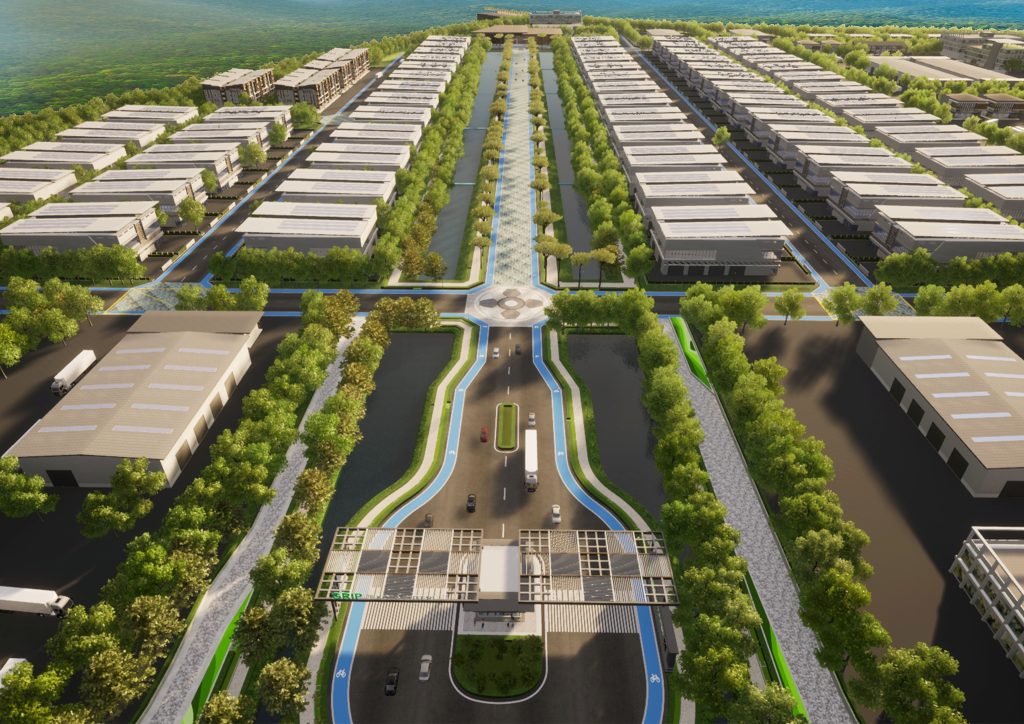
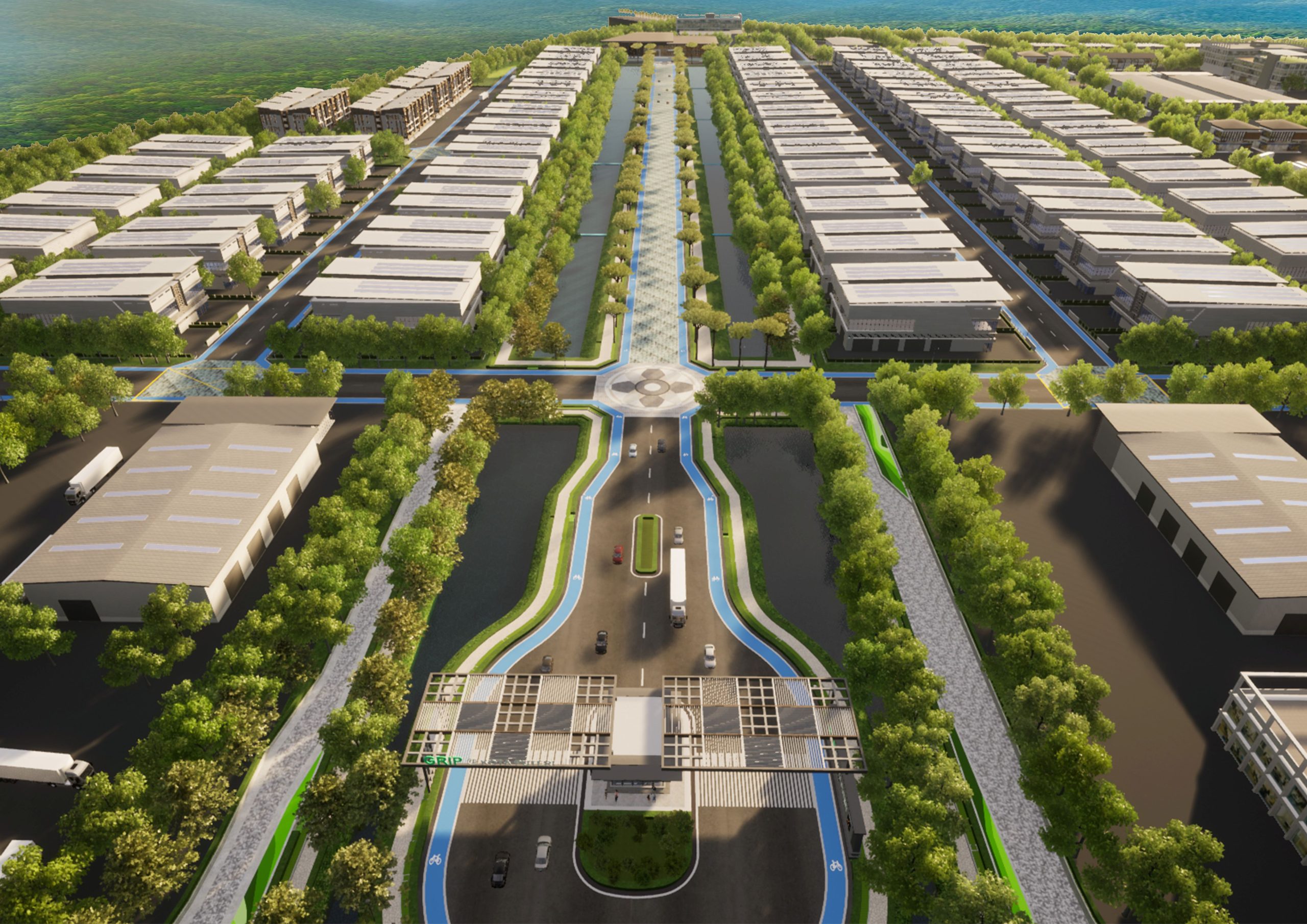
PKNS is bringing together the world’s best industry players into GRIP
At the heart of Gombak, Perbadanan Kemajuan Negeri Selangor (PKNS) is quietly expanding the Kota Puteri township again, with a sharper focus on how industrial development is shifting on the ground. Through Green Industrial Park (GRIP) Kota Puteri Crown City, the developer advances a fairly clear idea that industry and sustainability no longer need to sit on opposite ends of the table.
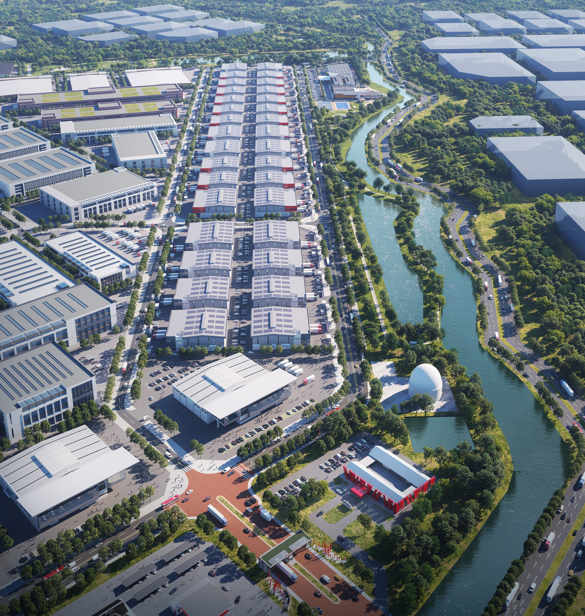
GRIP is not being positioned as just another industrial park. It reads more like a working ecosystem that brings together manufacturers, logistics players and emerging industrial businesses within a single, specially structured environment. There is an investment angle, of course, but what stands out is its emphasis on connectivity and long-term relevance beyond built space.
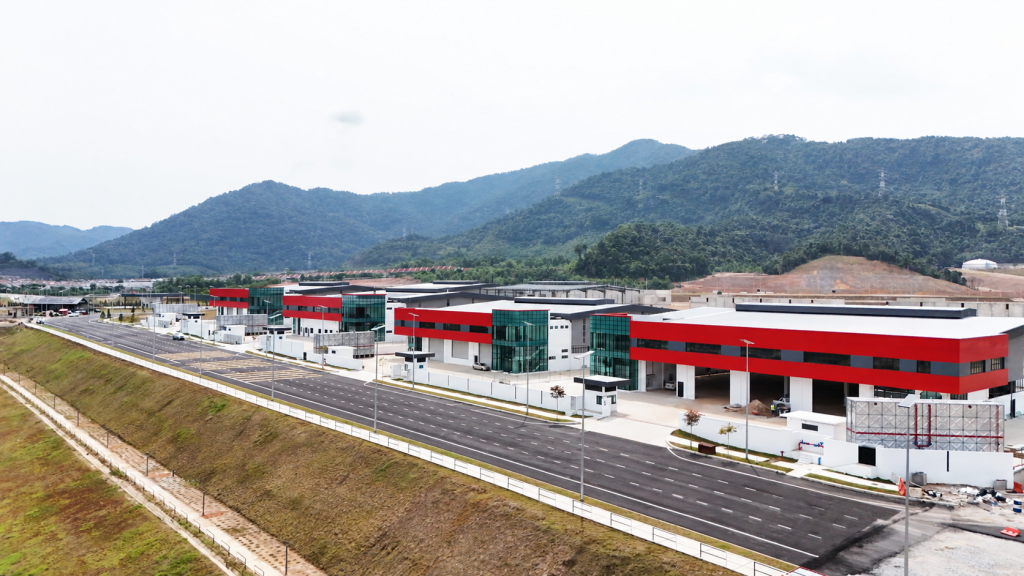
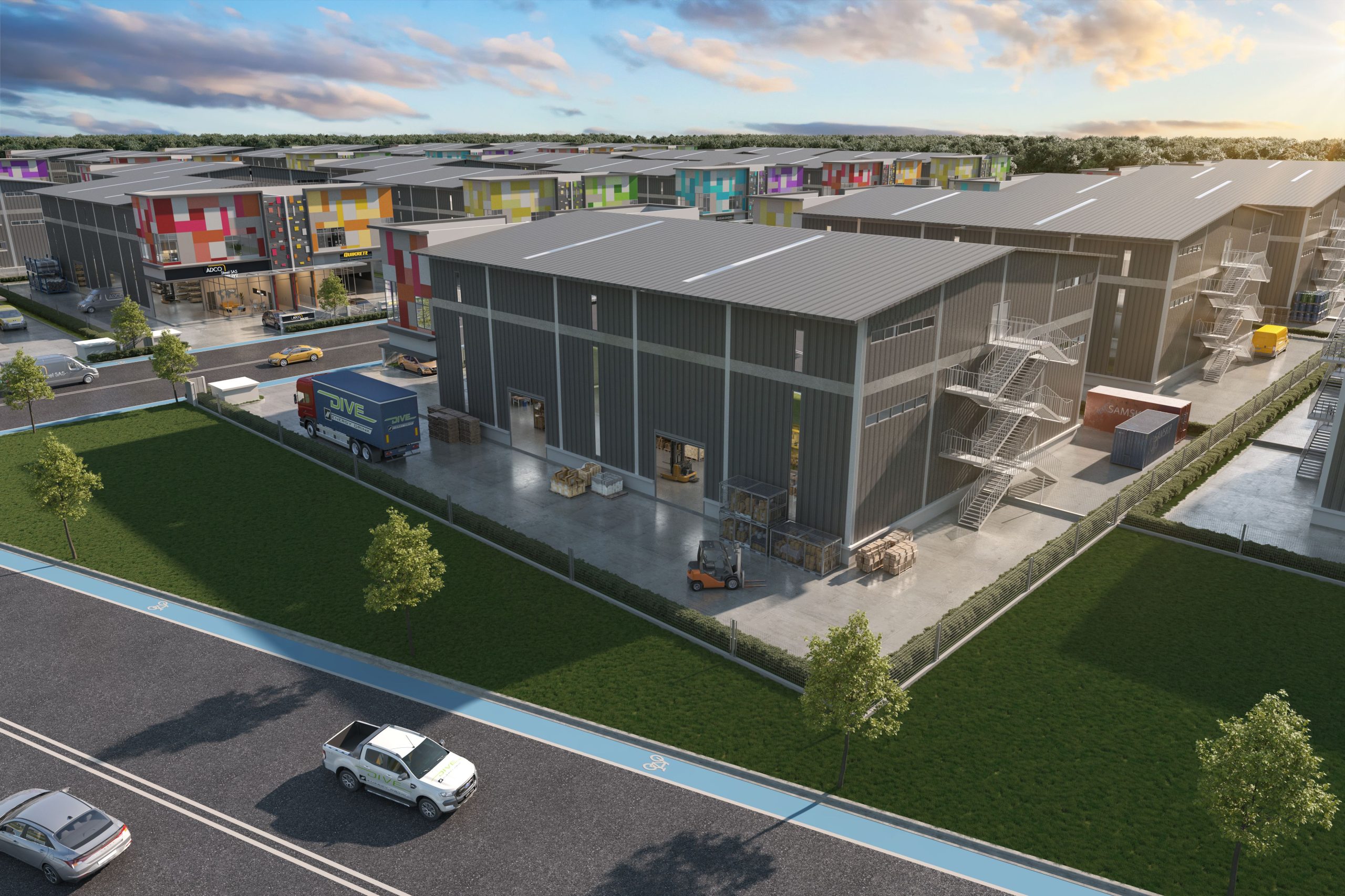
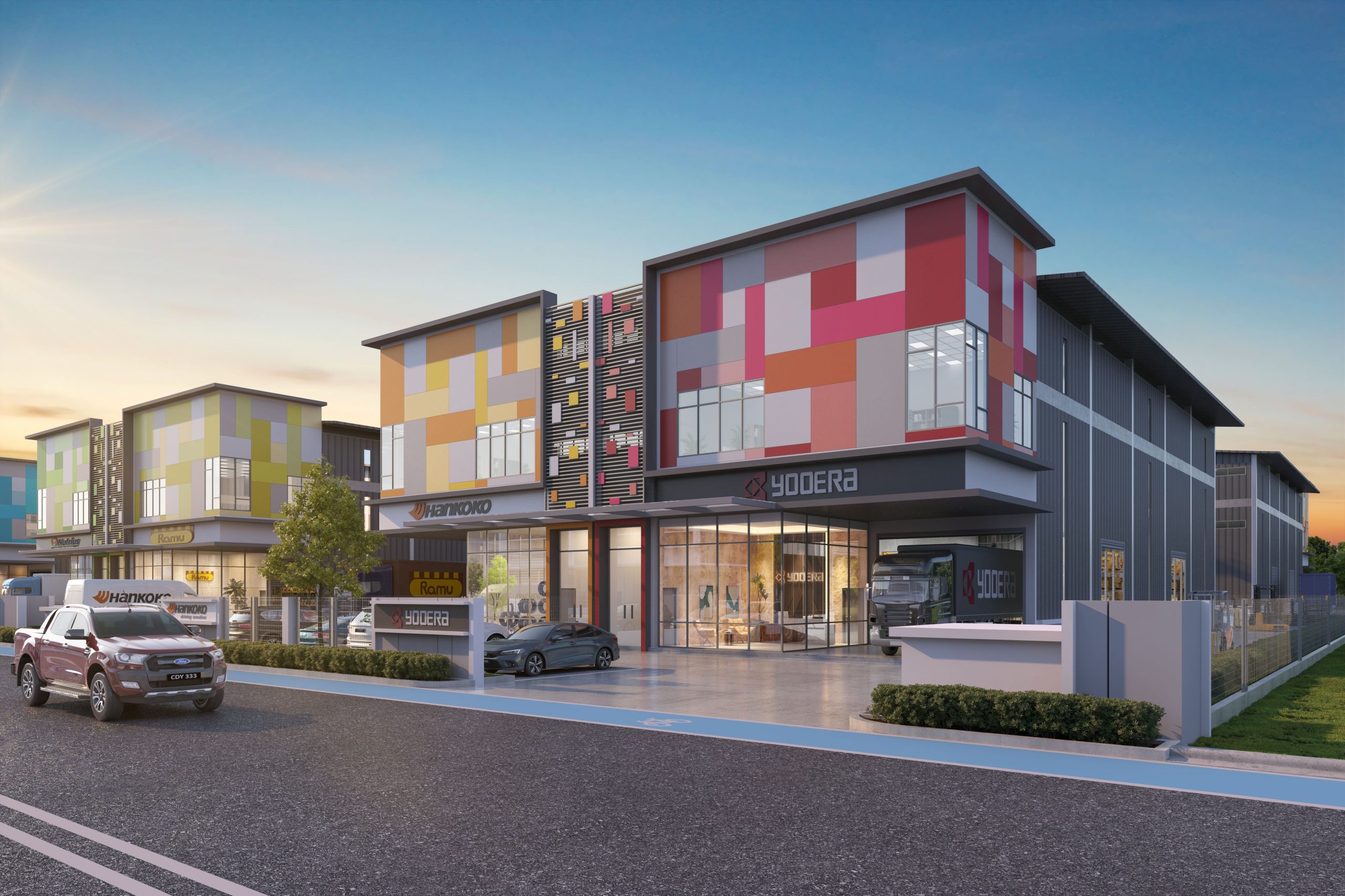
The first phase is now open for booking. It spans 135 acres and comprises 52 semi-detached (semi-D) factory units alongside 13 exclusive industrial lots. The semi-D factories come in two configurations, namely Type 1A at 8,727 sq ft and Type 1B at 10,623 sq ft. Industrial lots range from 3.71 acres to 6.62 acres, with prices starting from RM4.3mil. Completion is targeted for 2027 under a three-year development timeline.
GRIP is matching industry needs
What GRIP responds to quite directly is how industrial operations function today, especially within the Klang Valley supply chain where access and movement are as critical as physical space. The development also caters to light and medium industrial users, supported by federal and state-level incentives that strengthen its long-term viability for manufacturers, logistics operators and export-oriented businesses.
Strategically, the site is well-positioned within regional trade flows. It sits within reach of two international aviation hubs, Kuala Lumpur International Airport 1 & 2 and Subang Airport, both supporting passenger and specialised cargo operations. In addition to that, it is also linked to Port Klang, the country’s main container port and among the busiest in the region. This further reinforces suitability for both general and containerised shipping needs.
Connectivity is further strengthened through access to key highway corridors connecting the site to the wider Klang Valley and national logistics network. These include the Kuala Lumpur–Kuala Selangor Expressway (Latar), West Coast Expressway (WCE), North-South Highway (PLUS) and the Guthrie Corridor Expressway, enabling multiple routes for freight and distribution movement.
Efficient development features
GRIP is highly efficient because the infrastructure planning goes beyond mere circulation. Drainage is fully covered and engineered to reduce flood risk while stormwater management integrates rainwater harvesting systems serving both semi-D factories and the clubhouse. A dual-use retention pond adds both storage capacity and landscaped recreational value. The system ties into the centralised sewage treatment plant serving the entirety of Kota Puteri.
In terms of utilities, GRIP is powered by a 42.2MW power supply with the option to procure renewable energy through external providers such as Worldwide Holdings or SIC. Street lighting is also fully solar-powered LED with smart lighting systems, reflecting the gradual shift towards lower-energy operations.
Connectivity extends beyond physical access with fibre optic infrastructure throughout the development. Additionally, the park has 4G and 5G coverage. Even the clubhouse is WiFi-enabled which reflects its increasingly digital-ready environment.
Security and operations are managed through a 24/7 gated system supported by patrols, CCTV monitoring and a dedicated park management emergency response team, forming a layered control structure.
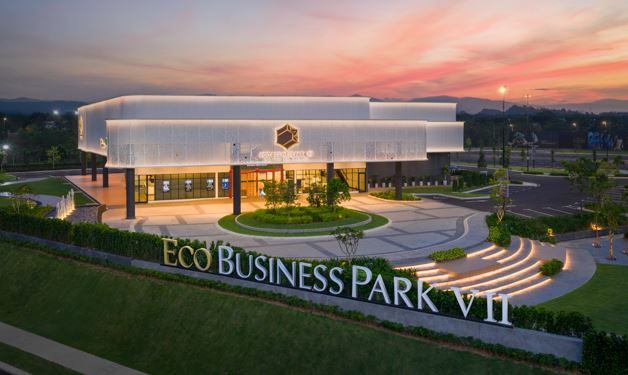
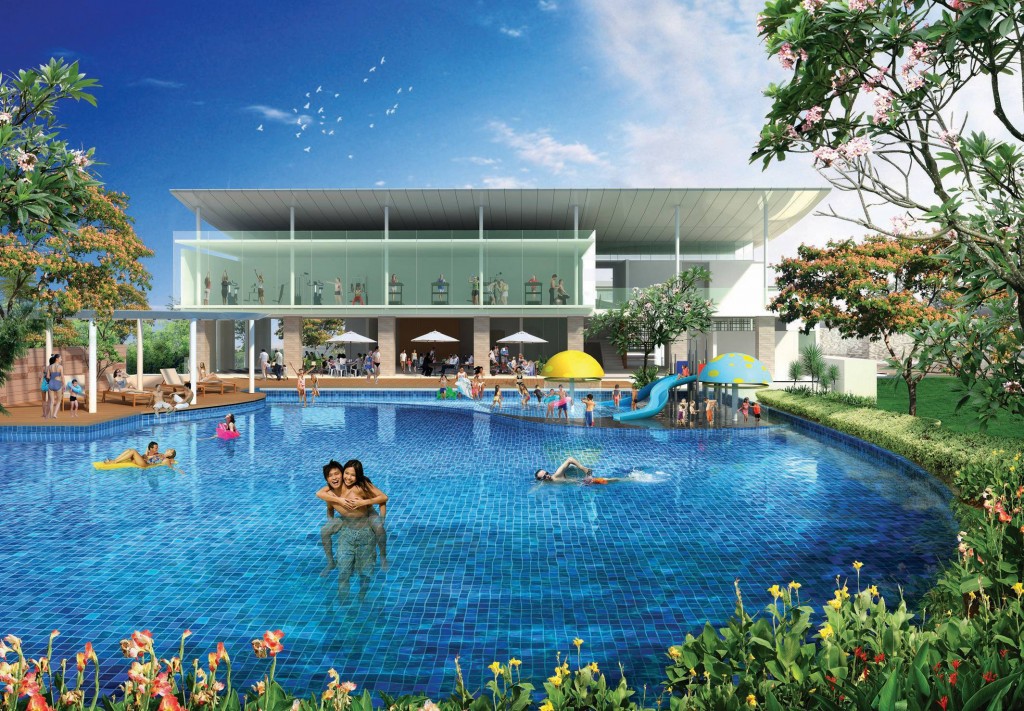
Beyond the industrial core, GRIP introduces a softer layer. Around 27 acres are allocated to thematic green spaces, complemented by a clubhouse featuring a café, show gallery, co-working space and meeting rooms. A 15-acre public park, an 11-acre commercial plot and a petrol station reinforce its self-contained structure.
Scheduled waste management is handled through special arrangements while gas supply is provided via Gas Malaysia Berhad’s take-off point from Jalan Kuala Selangor B54. As for the water supply, it is sufficient to support light and medium industrial use through dedicated tank systems.
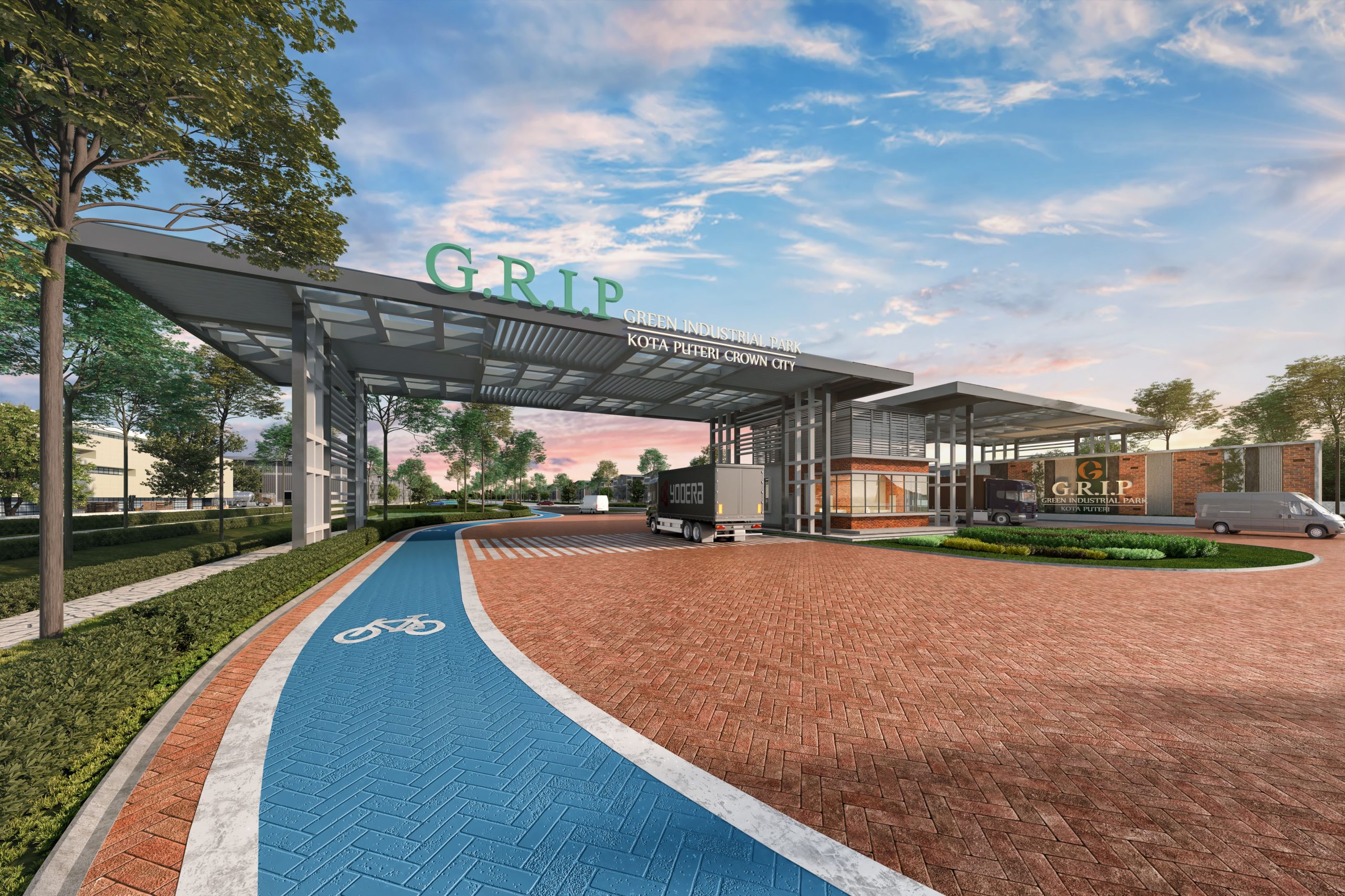
Built sustainably
Sustainability is embedded all across the development rather than presented as a standalone feature. EV charging points, rainwater harvesting systems, solar-powered street lighting and green building materials form part of the core infrastructure planning. Bicycle lanes and the 15-acre public park introduce a softer, low-carbon layer to the industrial environment.
Taken together, GRIP reads less like a conventional industrial park and more like a long-term industrial ecosystem that is intentionally shaped around infrastructure, connectivity and operational continuity. It truly reflects how industrial developments are evolving beyond purely functional spaces. Today, industrial park environments like GRIP are being designed for both efficiency and sustainability.
With its positioning centred on performance, GRIP meets many expectations of modern industrial developments. Direct access to key logistics routes is complemented by robust infrastructure and future-ready facilities that support manufacturers, distributors and fast-growing industries. As industrial spaces evolve beyond purely functional environments, GRIP positions itself within a wider shift towards more connected and sustainability-conscious industrial ecosystems.
Stay ahead of the crowd and enjoy fresh insights on real estate, property development and lifestyle trends when you subscribe to our newsletter and follow us on social media.