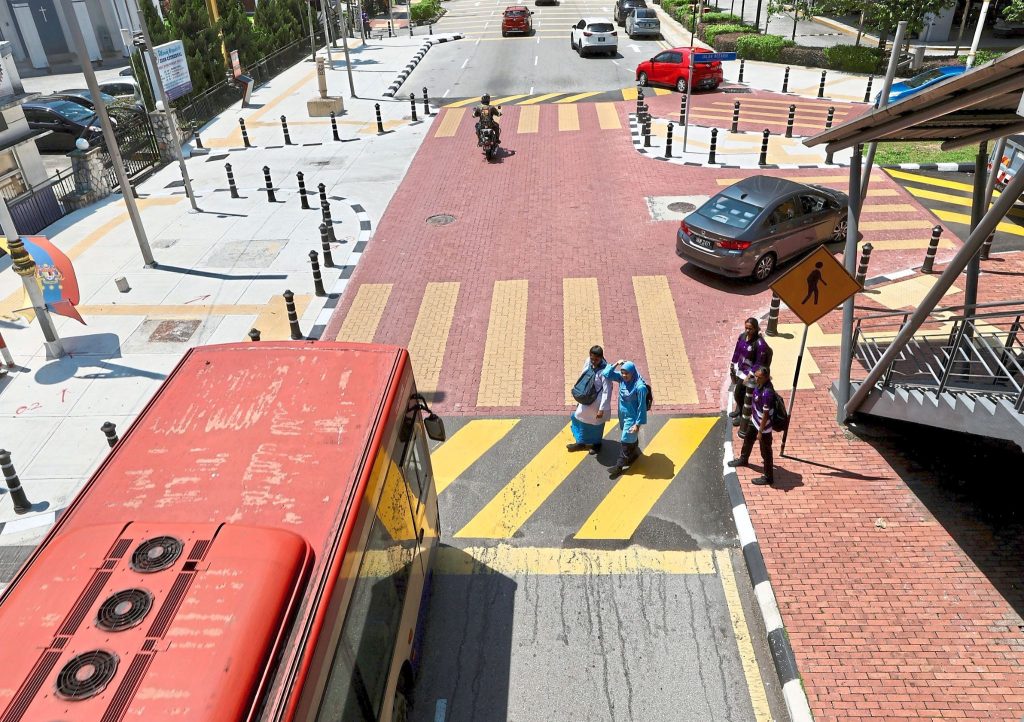

Can such master planned ecosystems truly support a car-lite way of living?
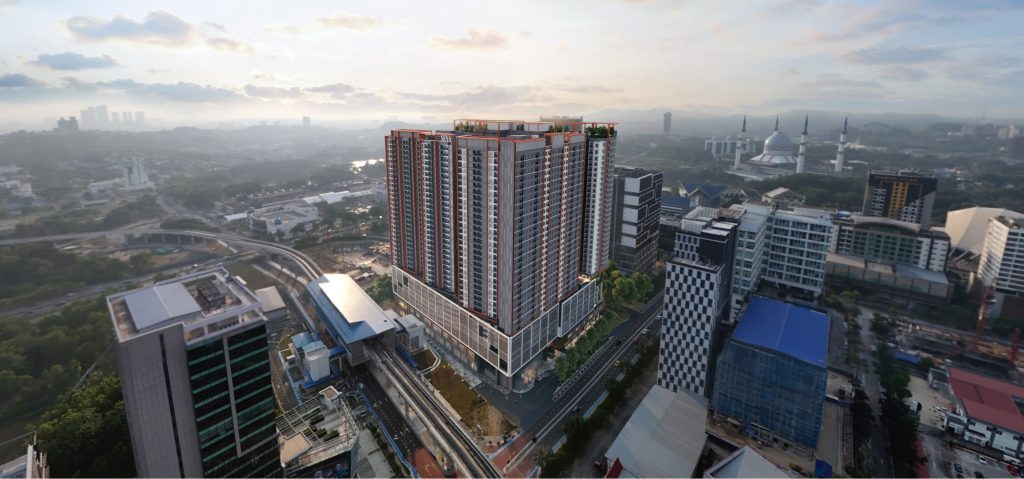
All across the Klang Valley, transit-oriented developments (TODs) are changing the way Malaysians live, work and move. As of late 2024 and 2025, more than 26 TODs have been established in the region, largely built along the MRT Sungai Buloh-Kajang (SBK) and Sungai Buloh-Serdang-Putrajaya (SSP) lines. The increasing adoption of these TOD projects proves that what began as a theoretical concept is now a defining benchmark in modern urban development.
But the conversation is shifting beyond individual developments. Rather than standalone projects built around stations, the focus is gradually moving toward something larger in scale and ambition which are transit-oriented townships.
Aligning with national pushes
Fundamentally, this rise is associated with the nation’s broader push for greater use of public transport and more car-lite urban living. This is due to rising living costs which have affected over 80% of urban and rural households. Combining it with persistent traffic congestion in major cities, reducing reliance on private vehicles has become a policy priority. Transit-linked projects thus become a clear alternative that places connectivity right at residents’ doorsteps while shortening daily commute times.
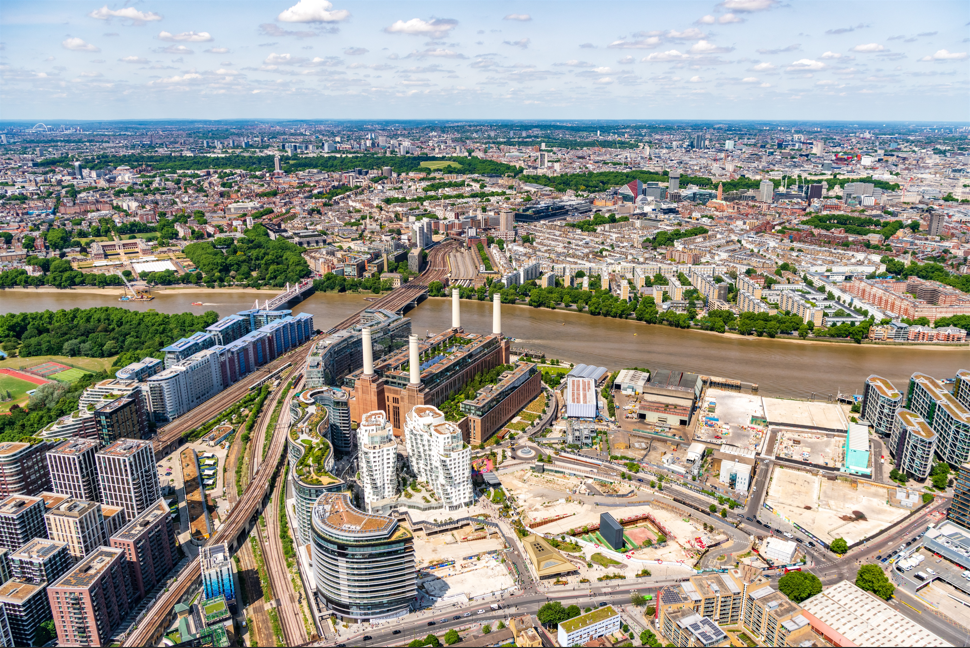
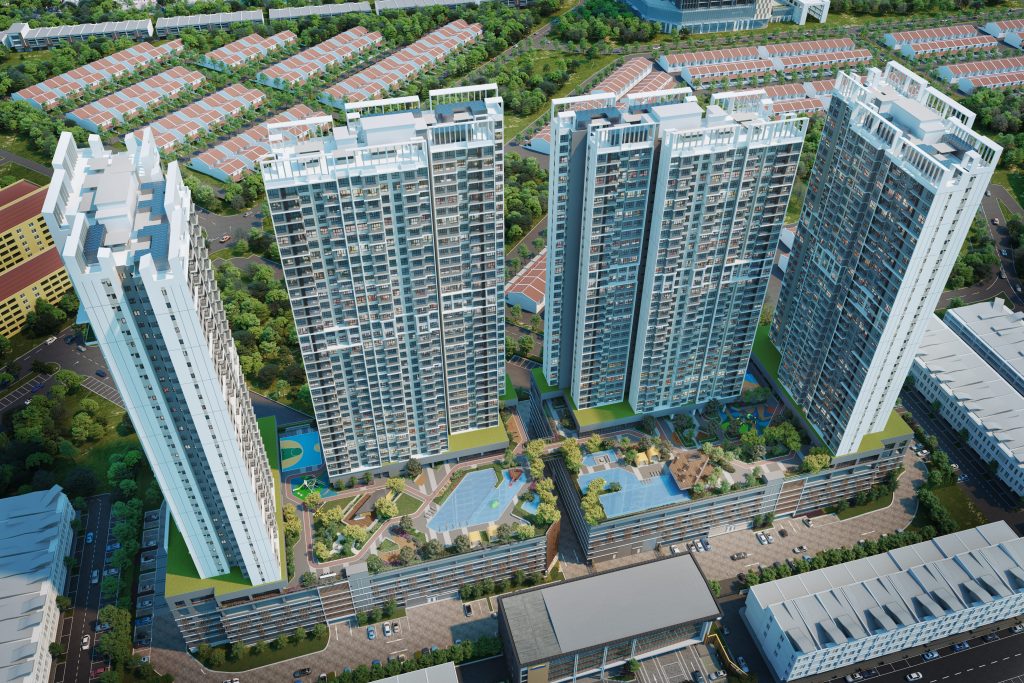
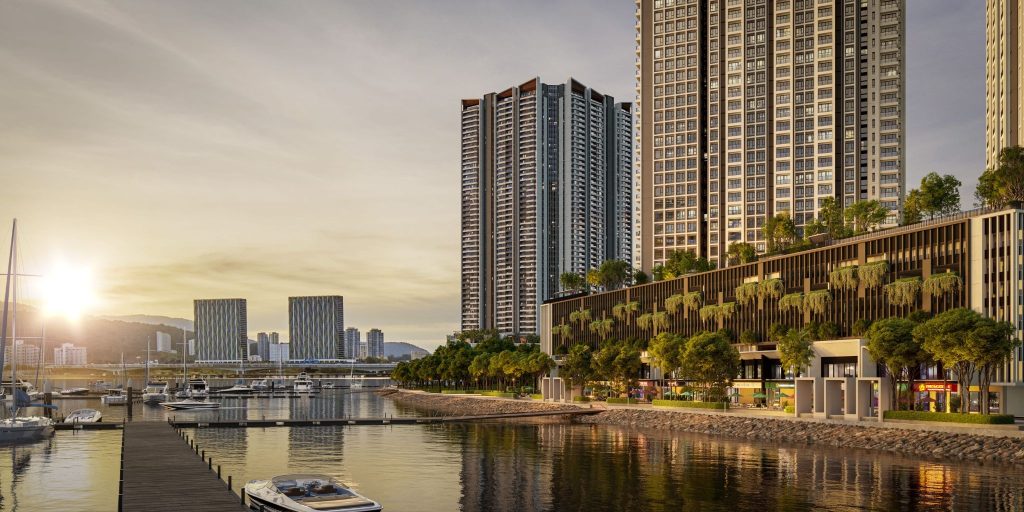
Unlike standalone TODs, transit-oriented townships are designed to be complete urban ecosystems. Instead of one development anchored to a station, they span hundreds or even thousands of acres, integrating multiple residential precincts, commercial centres like malls, schools, parks and internal mobility bus or train systems. In theory, they are cities within cities. In it, transit is not just an access point but the structural backbone of the entire township.
Brochure gloss to reality
As these large-scale developments come to life, the focus has shifted from just being close to transit to how that transit actually impacts daily living. It plays a significant role in shaping community life but it does not always meet the needs of every resident. Just living 500m from an LRT station will not magically reduce car dependency. Are these new neighbourhoods genuinely supporting a car-light lifestyle or are they just moving car-dependent living to more accessible locations? The real challenge is whether everyday life in these areas can thrive without heavy reliance on cars. Plus, not everyone is keen on living right next to train tracks or bus routes.
Answering that needs commitment to last-mile connectivity and design. Without any supporting elements such as walkable streets, safe pedestrian links, reduced parking dependence and easily accessible daily amenities, proximity alone is not enough to really change commuting patterns. In other words, connectivity should not just be a buzzword for the distance between highways and airports. It must be human-centric and designed to change behaviour, not just shorten the distance from point A to B. On a township scale, connectivity is not just about access to a station. It must shape how an entire township moves internally.
There is also a branding risk that pushes this kind of township beyond what it actually is. The distinction between branding and functionality has been debated over the years because sometimes the label is applied too loosely. It inadvertently blurs the line between a genuine transit-oriented township and a loosely defined master plan. Some developments have been marketed as transit-oriented despite offering limited or bare minimum integration with the surrounding infrastructure. For buyers and investors, it is important to look beyond marketing claims and assess a township’s genuineness. Does that project actually support a transit-first lifestyle?
The success of a transit-oriented township goes beyond its branding because, in reality, it really depends on how well it supports everyday life without being car-dependent. Even if a township looks great on paper, it can still miss the mark if residents have to get into their cars just for a quick trip to the grocer’s.
Connecting the first and last miles
At this stage of a resident's daily life, having the right infrastructure is essential. Well-timed bus routes, pedestrian pathways, cycling trails and shaded walkways are key to how people navigate to their favourite cafes or parks. If these features are lacking, even the best-placed township can easily turn into a typical car-centric suburb, merely featuring a transit station instead of truly integrating it into the community.
At the same time, policy support is beginning to shape how these townships evolve. Incentives such as higher plot ratios for developments that provide direct connectivity to transit infrastructure have been encouraging developers to integrate link bridges, covered walkways and proper door-to-station access. While these measures do help strengthen integration, they do not automatically guarantee behavioural change that stems from long-term habits.
Sustainability benefits
Sustainability is another layer gradually being woven into this model. Malaysia is attempting to reduce its carbon footprint by moving towards lower-carbon urban systems. As a result, transit-oriented townships are under greater scrutiny to incorporate greener mobility solutions, better land use planning and more efficient building designs. While still evolving, these elements point towards a broader shift in how cities are being structured.
Despite their ambition, not all transit-oriented townships deliver the same outcome. The success of each development still depends heavily on execution. Factors such as ridership levels, surrounding infrastructure and overall urban planning quality all influence whether a township can truly function as a transit-led environment.
But the appeal remains clear for residents. The idea of living in a self-contained township where homes, workplaces, schools and amenities are all closely integrated offers a level of convenience that traditional suburban living cannot match. As working patterns continue to go beyond the office and hybrid lifestyles become more common, this model is only going to grow in relevance from here.
As Malaysia continues to expand its rail network and urban infrastructure, transit-oriented townships may not just redefine where people live. They may redefine what it means to live in a city altogether.
Stay ahead of the crowd and enjoy fresh insights on real estate, property development and lifestyle trends when you subscribe to our newsletter and follow us on social media.