Contributed by Matt Tian
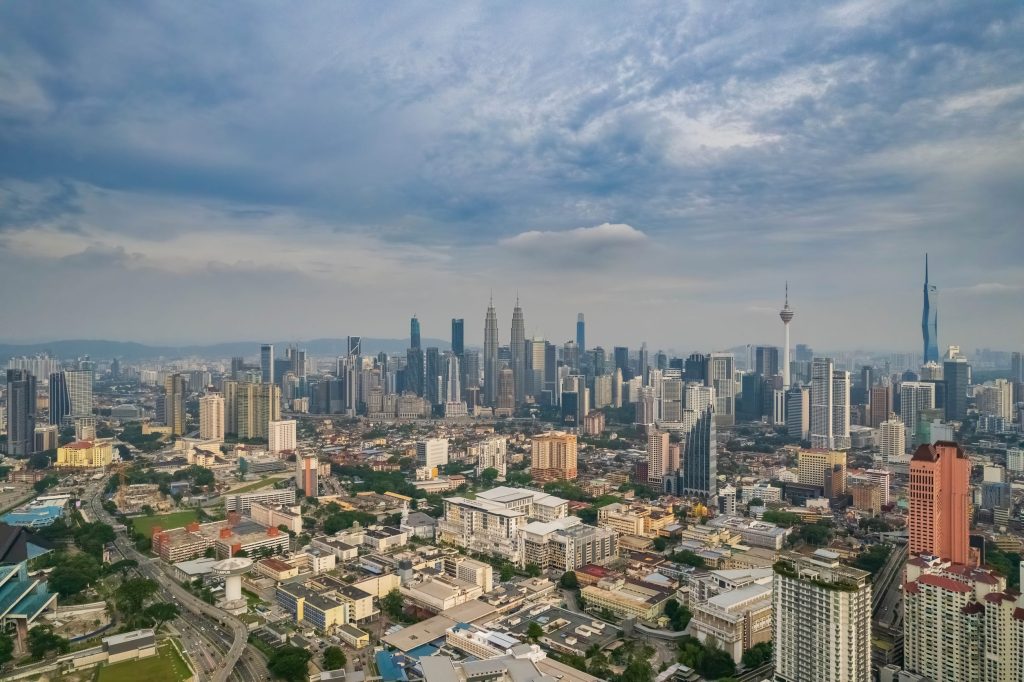
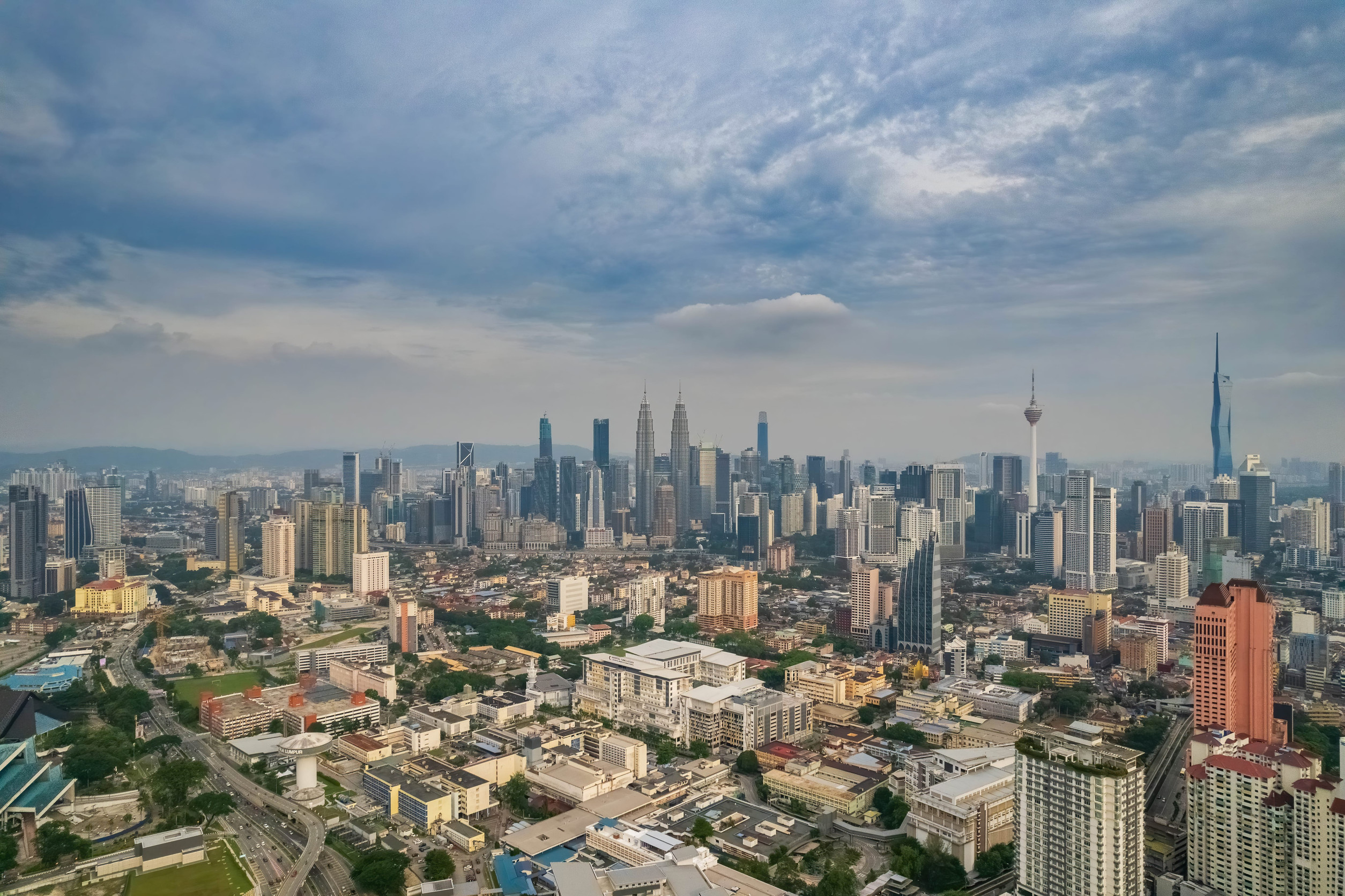
As the global landscape for migration and professional relocation shifts, Kuala Lumpur (KL) has been transforming into a premier destination for international families, particularly from East Asia. The city is no longer seen as just a regional business hub but as a strategic lifestyle choice.
For internationals seeking Malaysia as a country to settle down, whether for retirement or to seek a better life or opportunities, deconstructing the personal journeys of many Malaysia My Second Home (MM2H) residents, three key pillars define the relocation landscape, especially towards Kuala Lumpur:
- The education-first strategy: For families with children, the choice of international school (British, American, Australian or East Asian) dictates the residential location, ensuring a built-in community.
- Cultural comfort zones: Malaysia’s deep-seated Chinese heritage and widespread English proficiency make it a soft landing for expats who find Thailand too foreign or Singapore too expensive.
- The stability of the second home: Whether through the MM2H programme or strategic luxury investments, Kuala Lumpur is increasingly used as a seasonal base for families with global assets in Japan, China, and North America.
For a 75-year-old Japanese passport holder originally from China who wished to be identified as Yoko, Kuala Lumpur represents a vital node in a global lifestyle network. With established homes in Japan, Vancouver and China, Yoko’s decision to spend several months each year in Malaysia was driven by both family ties and architectural prestige.
“I have three different places to stay with my family members across the globe,” she explained. “But KL is my next second home option. I planned to move to the KLCC area for two to three months every year to spend time with my son and grandchildren during their summer or winter breaks.”
Her decision was influenced by the friend effect, a common driver in luxury real estate. A close friend who resided in the Banyan Tree Bukit Bintang served as her local guide, showcasing the ease of city life. For Yoko, the draw was the slow pace and the accessibility of amenities.
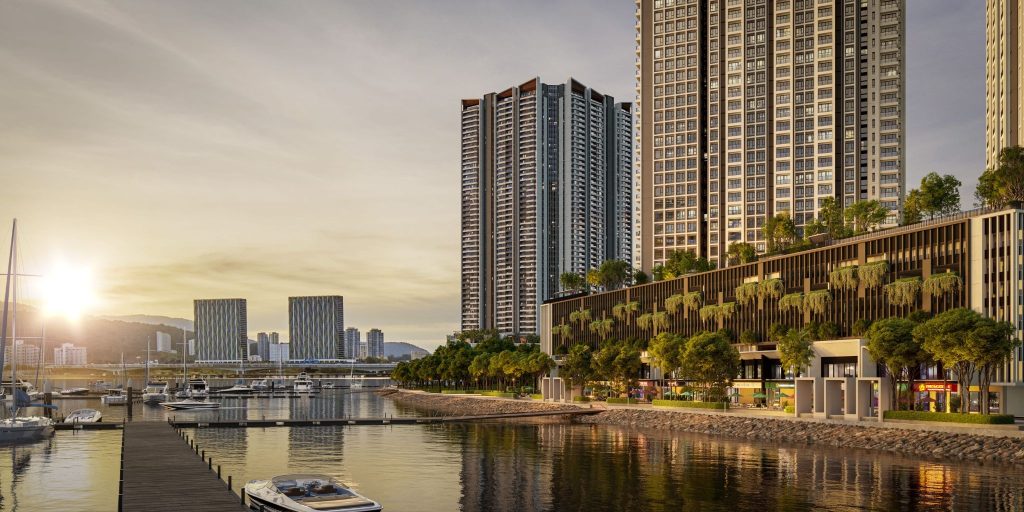
She eventually chose The Conlay @ KLCC, a residence that spoke to her high standards for design and functionality. “I chose The Conlay for three specific reasons. First, the visionary architecture by Kerry Hill Architects, who designed legendary projects like The Datai Langkawi. Second, the partnership between E&O and Mitsui Fudosan Group ensured a standard of luxury I could trust. Lastly, the location is unbeatable; it sits right between Pavilion and Suria KLCC, with an MRT station just minutes away.”
For retirees like Yoko, Kuala Lumpur offers a unique value proposition: the ability to live in a high-luxury, city-centre environment where Mandarin is widely spoken and world-class healthcare and shopping are within walking distance.
Drawn to Malaysia
While seasonal residents enjoy the highlights of the city, long-term expats like JoAnne Karlsson provide a more grounded perspective. Originally from Taiwan and married to a Swedish expat, Karlsson moved to Kuala Lumpur in 2004. As a former mathematics teacher at an international school in Kuala Lumpur, she has spent two decades navigating the nuances of Malaysian life.
“Taiwanese people are very drawn to Malaysia because it is close to home, the cost of living is 20% to 30% lower, and the Chinese traditional culture is incredibly well-preserved here,” Karlsson noted. “It is a very relaxed lifestyle with more personal freedom and, crucially, no major natural disasters.”
However, her twenty years in the country have given her an eye for the challenges. She warns that while the environment is welcoming, the administrative landscape requires a clear strategy.
“The first thing any foreigner must deal with is the visa application (whether it is for) work, residence or MM2H. You must understand the rules clearly. A common mistake is thinking it is easy to make money here or ignoring the cultural and religious differences. Kuala Lumpur is not a place where money comes easily but if you come prepared with the right resources, it is a strong base for long-term living.”
Karlsson’s advice to the younger generation of expats is to focus on professional certifications and technical skills. “Countries like Sweden show how systems support people, but here, individuals need solid knowledge to stay competitive,” she said.
Mirroring Karlsson’s focus on education, Xu Li Jing, originally from Harbin, China, moved to the Hartamas enclave specifically for her 16-year-old son’s schooling.
For Xu, the annual tuition is a strategic investment. “The draw is the prestige of a Western academic structure in a cultural comfort zone,” she explained. Unlike moving to the United Kingdom, Malaysia allows her son to gain a global perspective while remaining connected to his roots.
Culture, food and space to breathe
Beyond the school gates, the Malaysian advantage lies in its multicultural fabric. Many Chinese value the fact that their children can improve their English while remaining deeply connected to their roots. Malaysia is unique in its ability to offer a strong Chinese-speaking environment, traditional festivities and a deep-seated respect for heritage.
The presence of Chinese Independent Schools is a particular point of interest. These schools provide a system that aligns closely with China’s educational structure, offering a safety net for families who want to keep the door open for a return to their home country’s system if necessary.
Then, there is the lifestyle. “Malaysians are friendly," Xu noted, observing that life here moves at a slower, more human pace. In the high-octane cities of China, the pressure to perform is constant. In KL, there is space to breathe. This slower rhythm allows families to adjust, settle in and actually enjoy the multicultural variety of food and traditions that Malaysia offers.
Reality check: KL is not China 2.0
Despite the similarities, Xu is quick to warn prospective relocators that KL is not a plug-and-play version of their home country. The differences in efficiency can be a culture shock for those used to the hyper-speed of Harbin or Shanghai.
In China, digital convenience is absolute. Anything can reach your doorstep in hours. In Malaysia, that level of logistical efficiency is not yet the norm. "Adjustment is required," she warned.

PropNex Realty Sdn Bhd.
This article was first published in StarBiz 7.
Stay ahead of the crowd and enjoy fresh insights on real estate, property development and lifestyle trends when you subscribe to our newsletter and follow us on social media.