

By Yip Wai Fong
KUALA LUMPUR: The ongoing geopolitical conflict’s impact on the residential property market is expected to play out over the longer term due to the relative inelasticity of the real estate market.
At the JLL Malaysia Q2 2026 press conference, managing director Jamie Tan said the spike in energy prices is putting pressure on transportation, building materials, labour, and industrial machinery costs. But most developers, he noted, are presently still utilising existing inventory, thus slowing down the increase in overall construction costs.
However, Tan added that many developers have delayed project launches, especially companies that do not hold adequate inventory or have strong supply chains.
“Geopolitical conflicts and threats to energy supply are a double-whammy to investor sentiment and business confidence. Uncertainty leads to a wait-and-see approach where business owners and investors would likely wait it out before committing any significant investments,” Tan said.
In addition, Tan said younger households are likely to prefer renting for the time being while waiting to see the outcome of the geopolitical tensions and energy crisis. Lower-income earners continue to be wary of unemployment, company downsizing, economic recession and the escalating cost of living. On the other hand, banks remain cautious and selective in financing, despite the presently unchanged interest rate.
Prices declining due to festive pause
Speaking on the price trend for the residential markets in Klang Valley, Georgetown (Penang) and Johor Bahru for Q1 2026, Tan said the prices have declined, affected by minimal transactions due to two major festivals: Chinese New Year and Hari Raya in February and March, respectively.
In Klang Valley, the average price for serviced apartments has fallen 2.6% compared to Q4 2025, double-storey terrace homes declined by 0.5% while apartments and condominiums registered no change.
In Georgetown, the serviced apartment average price remained the same as in Q4, double-storey terrace homes declined by 3.8% and apartments and condominiums showed a slight increase of 1.4%, compared to 13.1% in Q4 2025.
The overall market activity in Johor Bahru was muted in Q1 2026, with serviced apartments’ average price declining by 4.6% and apartments and condominiums declining by 4%. In contrast, double-storey terrace homes recorded a price growth of 4.9%.
“We expect more consistency as we approach the end of Q2 and Q3 when transactions begin to normalise,” Tan added.
Sustained performance in industrial markets
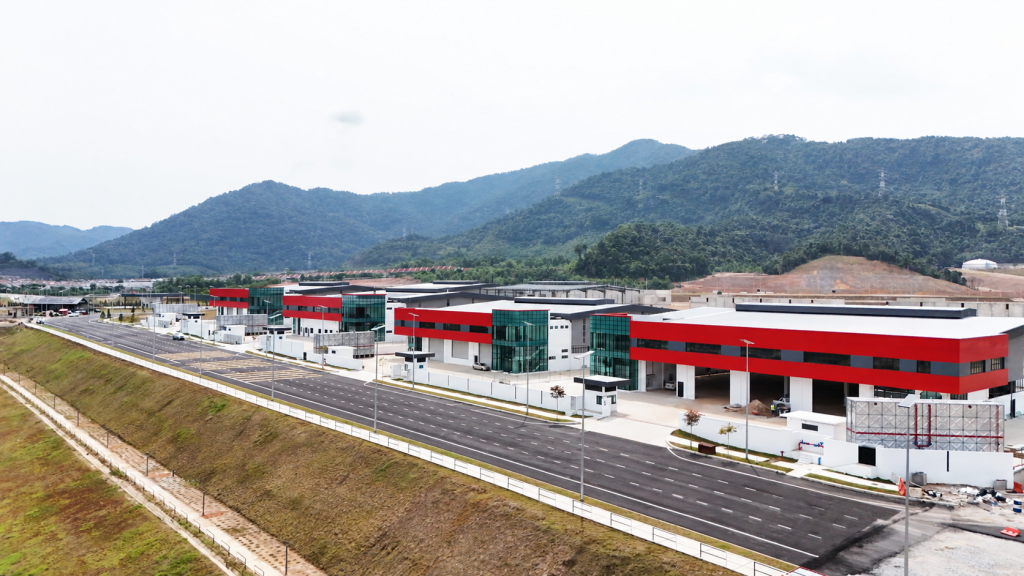
Regarding the prime industrial and logistics market in Klang Valley, Penang and Iskandar Malaysia, industrial and logistics team head Derek Yap said structurally driven demand remains intact, contributing to a sustained performance across the markets.
In Klang Valley, the market has softened due to the festivities. Vacancy rose to 6.6% from 5.7% following tenant consolidation into newer, higher-quality assets. Rental rates held flat at RM2.18 psf per month while the total Grade A warehouse stock remained unchanged at 36.8 mil sq ft with no new completions in the quarter.
Yap also said the key logistics submarkets of Shah Alam, Bukit Raja, Kota Elmina and Port Klang continue to record positive land price growth over the past five years, reflecting sustained demand from logistics, manufacturing and e-commerce occupiers.
Shah Alam has led the pack with land prices growing by 9.7% annually since 2019, followed by Port Klang (3.3%) and Bukit Raja (2.7%).
In Penang, the vacancy rate stood at 5%, with total warehouse stock at 5.9 mil sq ft and rental rates at RM2.85 to RM3.50 psf per month. Yap noted that industrial land prices continued trending positively, marked by a 5% increase in Seberang Perai in 2025 compared to 2024.
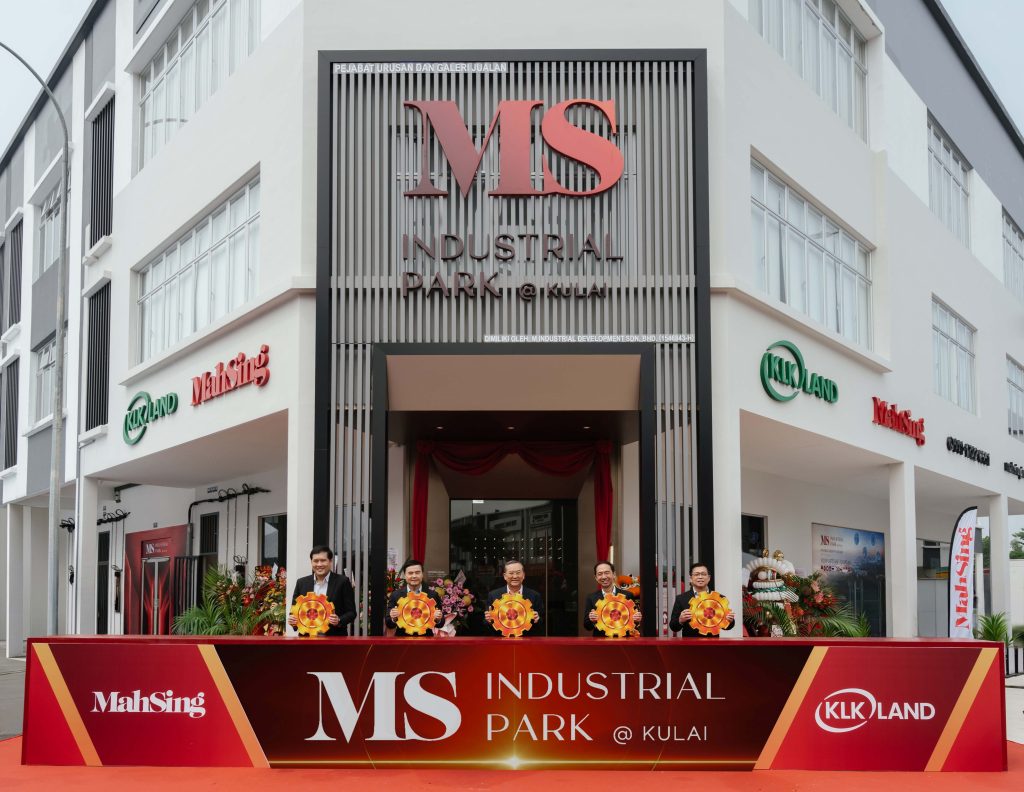
In Johor, Yap said demand is supported by sectors such as electrical and electronics, aerospace, data centre supply chain, logistics, life sciences and medical and oil and gas. Warehouse vacancy was between 2% and 8% in 2025, with stock at 13 mil sq ft and the average rent between RM1.90 and RM2.50 per sq ft per month.
Healthy demand continued for industrial land in the key areas of Iskandar Puteri-Tanjung Pelepas, Kulai-Sedenak and Pasir Gudang-Tanjung Langsat.
“The average price per sq ft for industrial land in Johor reached RM86 in 2025, representing a 8.4% year-over-year growth from the previous year's RM79 per sq ft. The consistent upward trajectory since 2020, with prices now approaching pre-pandemic levels, indicates that the industrial land market in Johor appears to be stabilising after the initial economic disruption,” Yap said.
He also expects the market to remain resilient in 2026, as the key sectors of electrical and electronics, logistics, automotive, data centre-related supply chain, medical and FMCG sectors remain active, supported by investor-friendly policies such as the China Plus One strategy. The industrial market is supported further by local institutions and Malaysian REITs through strategic acquisitions and portfolio diversification.
“(However) rental growth is expected to remain modest in 2026 as substantial new supply shifts negotiating power to tenants, creating a competitive market where landlords offer enhanced incentives and concessions rather than aggressive pricing,” Yap said.
Also present were Singapore and Southeast Asia chief executive officer Michael Glancy, chief growth officer Christopher Vicic and leasing advisory head Quiny Lee.
Stay ahead of the crowd and enjoy fresh insights on real estate, property development and lifestyle trends when you subscribe to our newsletter and follow us on social media.