By Joseph Wong
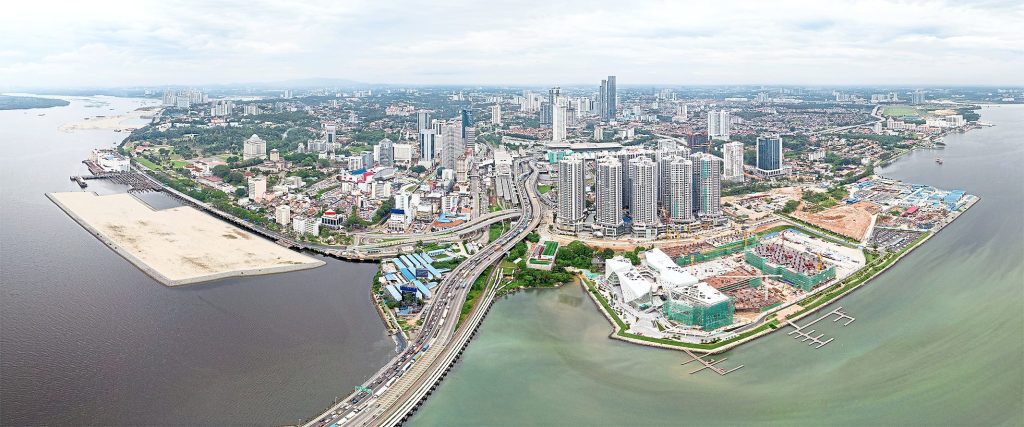
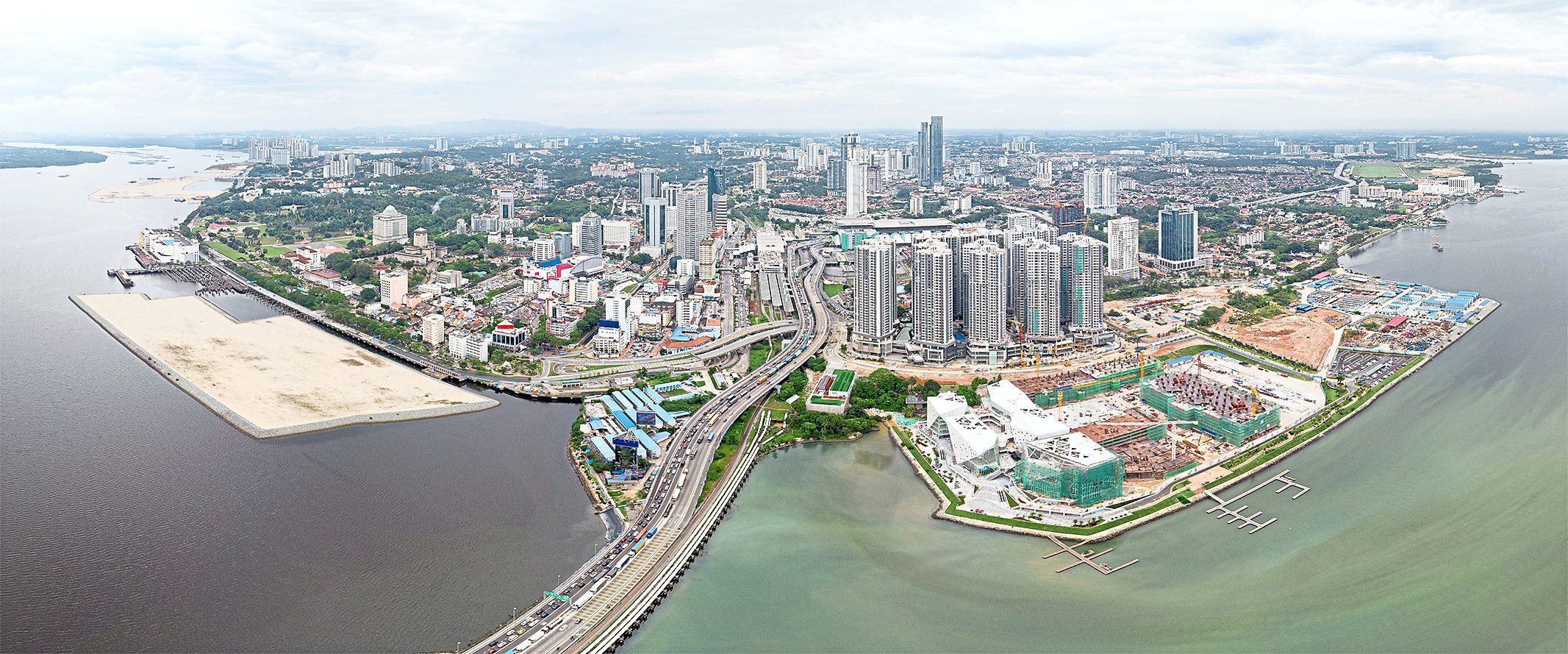
For decades, the narrative surrounding Johor’s property market was one of potential, a sleeping giant in the shadow of Singapore’s skyline. But as it moves through March 2026, that narrative has shifted from speculation to a high-velocity reality. Johor has officially decoupled from the rest of the national market to become Malaysia’s undisputed investment champion.
While the national average for house price appreciation sits at a modest 0.7%, Johor has shattered expectations with a 5.3% annual surge, according to the National Property Information Centre (Napic). This isn't just a recovery but a structural transformation.
Johor’s ascent is not accidental. It is the result of a once-in-a-lifetime convergence of massive infrastructure projects and geopolitical shifts that are permanently re-rating the state's value.
The catalysts are formidable:
- The JS-SEZ (Johor-Singapore Special Economic Zone): A friction-less economic engine designed to blend Singapore’s capital with Johor’s land and labor.
- Forest City’s Special Financial Zone: Reinvigorating the southern corridor with high-value service industries.
- The RTS link (Rapid Transit System): A literal bridge to higher valuations, turning the cross-border commute into a seamless transit experience.
- The manufacturing wave: A sustained influx of global industrial investment that is creating a high-income middle class.
These projects have turned Johor into a demographic magnet. Currently, the state is the destination for nearly 75% of Malaysians moving between states. With a population growth rate of 12.5% per year, Johor’s residency is on track to double in just six years, a statistic that represents a massive, looming shortfall in housing supply.
Yields vs financing
For the savvy investor, the most compelling part of the Johor story is the positive carry. In a market where high interest rates often eat into profits, Johor offers a rare mathematical advantage.
- Strong gross rental yields: Currently averaging between 5% and 6.5% in Johor Bahru.
- Low mortgage rates: Floating around 4.5% for a typical 30-year loan.
"That means, in most cases, the rental income your property generates will likely be higher than your financing costs. So, your tenant is effectively paying your mortgage,” said Juwai IQI co-founder and chief executive officer Kashif Ansari.
The capital gains outlook is equally aggressive. At the current pace of growth, a RM400,000 property today is projected to be worth more than RM530,000 by 2031. For an investor putting down a 10% deposit, that represents a massive return on equity that far outpaces traditional savings or equity markets.
Placing the bets
However, Ansari warned that Johor is not a buy-anything market. Success in 2026 requires a sniper approach, focusing on specific asset classes and corridors that are directly plugged into the new infrastructure.
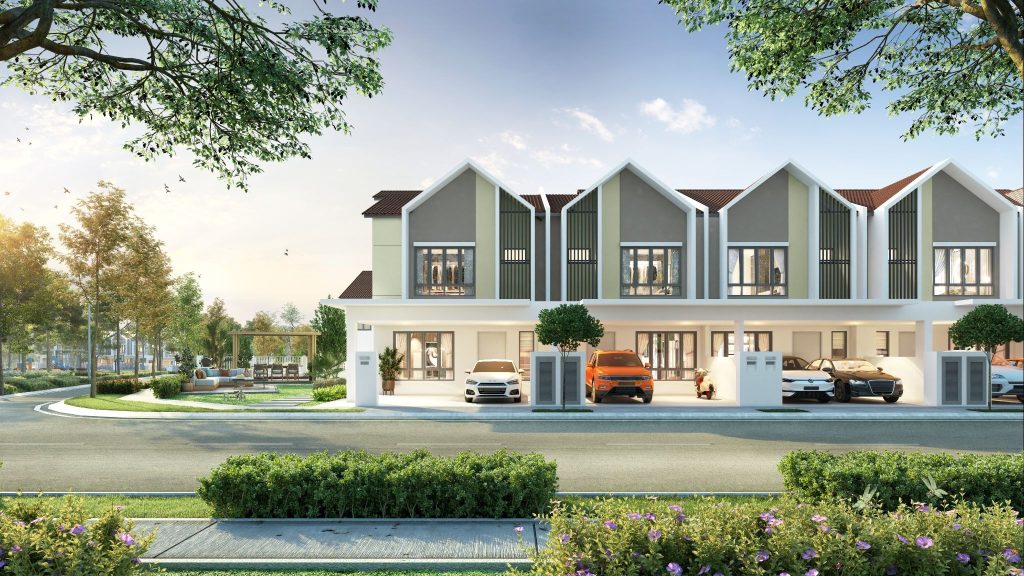
The sweet spot in today’s market is defined by landed homes priced between RM400,000 and RM700,000, as they offer the most balanced entry point for investors. Meanwhile, the workhorse of the industry continues to be two-to-three-storey terrace houses, which remain the most transacted and liquid property type across the state.
According to Juwai IQI, the Top 3 power zones for 2026 are:
- Iskandar Puteri: The administrative and educational heart, benefiting from mature amenities and the Forest City spillover.
- Tebrau: A residential powerhouse with established retail hubs and strong rental demand from local professionals.
- The RTS Corridor: The Gold Coast of Johor Bahru. Any property within a short radius of the RTS terminal is seeing heightened interest from cross-border workers who earn in SGD but spend (and live) in MYR.
Fleeing capital finds a home
As pointed out by AREA Group of Companies executive chairman Datuk Stewart Labrooy, Malaysia, particularly Johor, is increasingly seen as a safe haven for international capital. The current unrest in the Gulf has created a window of opportunity. Investors fleeing the Gulf will want certainty, especially on energy pricing, as well as on regulatory stability and on infrastructure resilience. Where data centres are concerned, they will want reassurance that Malaysia's data centres are secure from the kind of attacks that crippled AWS's Gulf operations. They also want to see a workforce ready to support hyperscale digital investments.
Investors are looking for genuine fundamentals particularly on predictability, legal safety and physical security. As seen with the AWS data centre strikes in the Middle East, geography matters. Johor’s position as a secure, non-hostile and infrastructure-rich environment makes it attractive in any global portfolio.
Moreover, the Malaysian economy is outperforming expectations, inflation remains controlled and interest rates have stabilised. These are the Goldilocks conditions for real estate. But even within this favourable climate, Johor is the standout.
"Johor is a top destination in a way it simply was not five years ago," noted Ansari. "It offers the best combination of yield and growth in the country right now. That is why it is my top pick for 2026."
However, the window of early entry is closing. As the RTS link nears completion and the SEZ policies take full effect, the current prices may soon feel like a distant memory. In the southern gateway, the foundations are laid, the residents are arriving, and the investment wave has officially reached the shore.
This article was first published in StarBiz 7.
Stay ahead of the crowd and enjoy fresh insights on real estate, property development and lifestyle trends when you subscribe to our newsletter and follow us on social media.