Future Cities Summit shows industry readiness to move ahead
By Yip Wai Fong
Far from being mere concepts, future-proof and resilient cities are increasingly on the radar of investors and businesses. With climate-related risks posing harsher economic consequences, businesses are beginning to allocate their attention and capital toward climate resilience, according to a McKinsey study cited by the World Economic Forum. Around the world, the shift has led to systematic efforts to measure cities’ level of resilience.
Mapping resilience
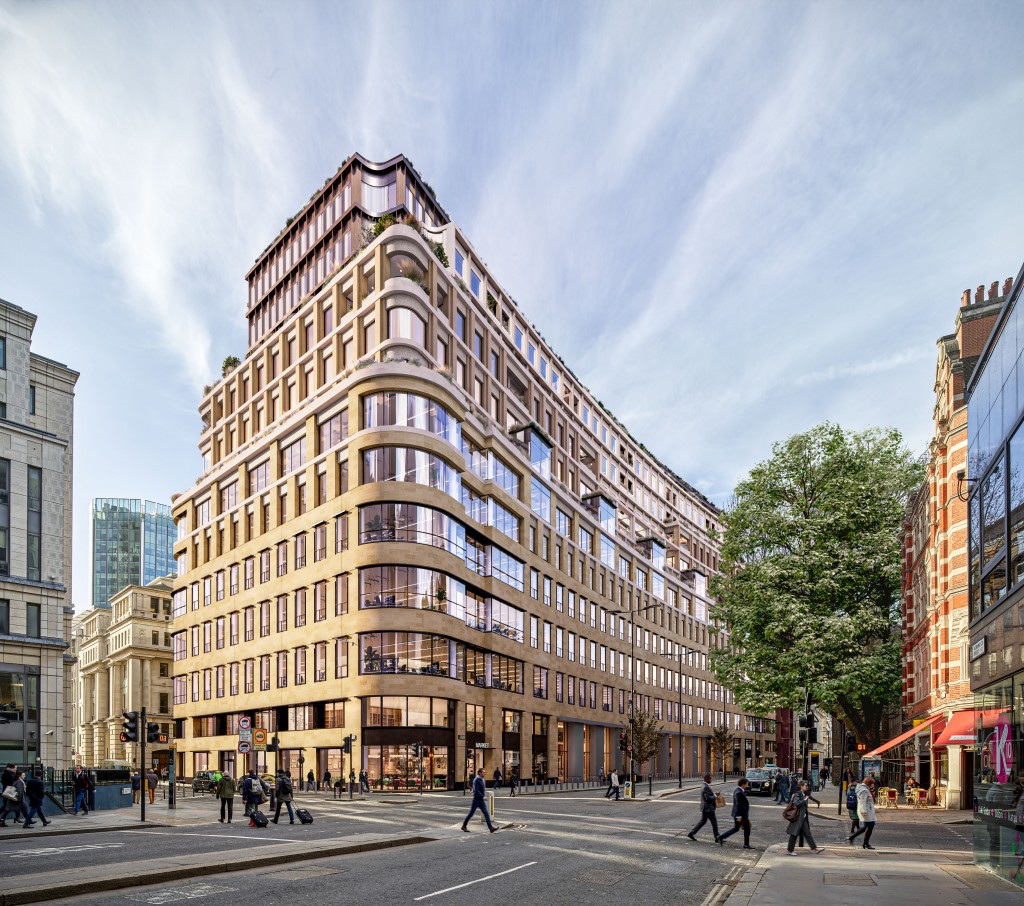
One such effort is the Savills Resilient Cities Index, now in its seventh edition, which assesses the capacity of close to 500 cities to withstand modern economic, social, environmental and technological challenges while adapting for future growth. In 2026, the index listed New York, Tokyo, London, Seoul and San Francisco as the five most resilient, citing the cities’ culture of innovation as being a gravitational pull over their surrounding regions, drawing in talent, capital and occupiers.
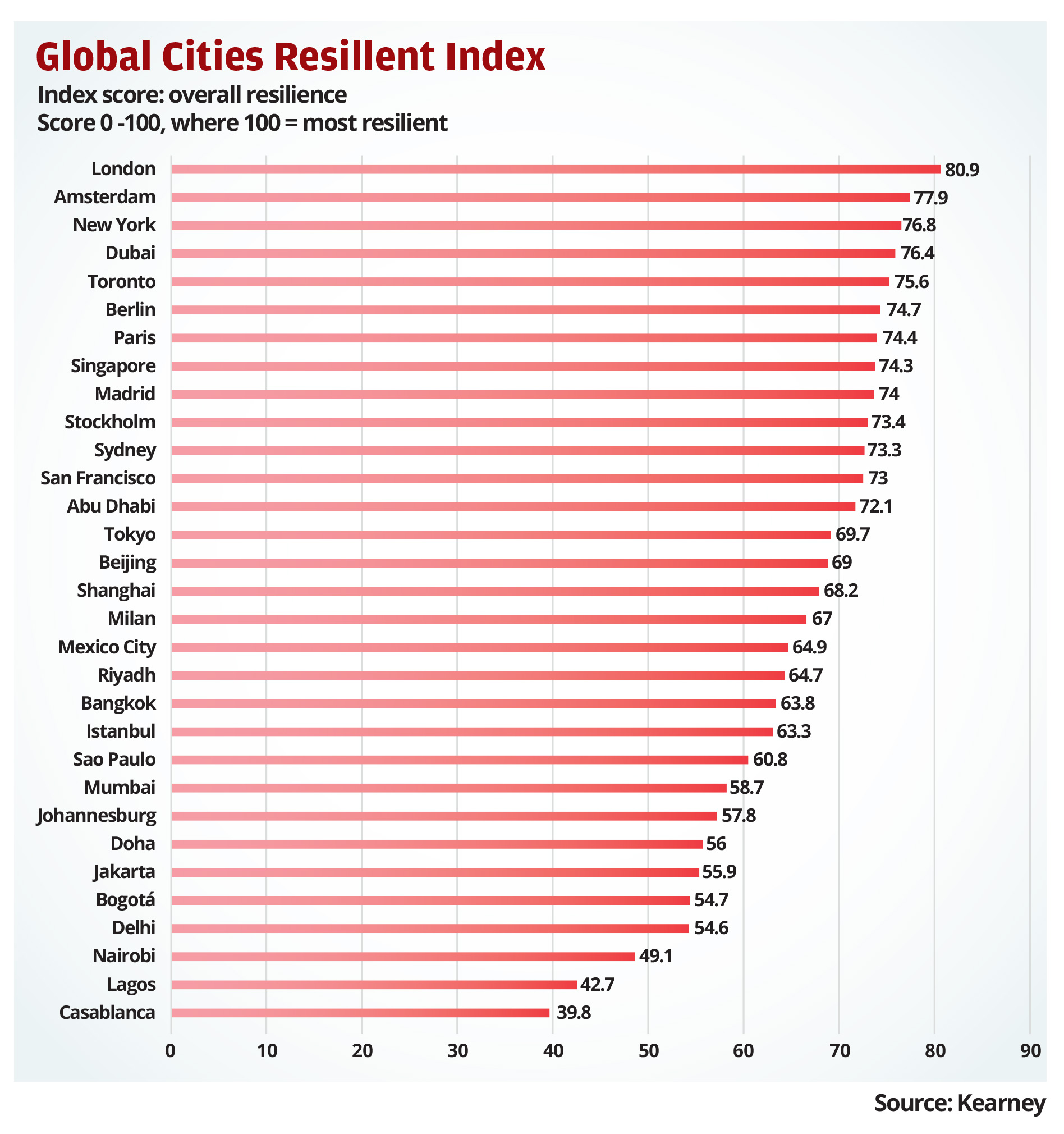
Another, the Global Cities Resilience Index measures how well cities withstand and adapt to major changes and disruptions across business, technology, climate and society. It assesses 31 cities across the five key dimensions of institutional governance, sustainable finance and business, technology and innovation, social and human capital as well as global integration.
Undertaken by the Future Investment Initiative (FII) and Kearney, the index found London, Amsterdam, New York, Dubai and Toronto in the top five. London’s claim to the top place was on the strength of its global connectivity, strong technology and social capital foundations. Amsterdam’s exceptional citizen engagement stood out while New York’s global integration as well as strong performance in the economic and technological space put the city in the top three.
The indexes, employing criteria that balance economic performance with social and environmental sustainability, set a benchmark that informs three main groups. For investors and developers, it highlights which cities offer secure environments for capital allocation and where property assets are most likely to retain value or see future growth. As it indicates whether a city will have a resilient consumer market and a robust, sustainable talent pool, companies and businesses could use it to determine optimal locations for expansions or setting up new offices. For urban planners and policymakers, it offers a guidepost into how their infrastructure, ESG policies and liveability metrics stack up against global competition, helping them attract future investment.
Back to the blueprint
While Malaysia may still be in the early stages of creating future-ready and resilient cities to be assessed by the indexes, progress for better cities is underway, as noted in the 13th Malaysia Plan. It has spelt out the need for housing reform to increase the supply of quality, liveable and inclusive homes as well as strengthening the development of smart and sustainable cities.
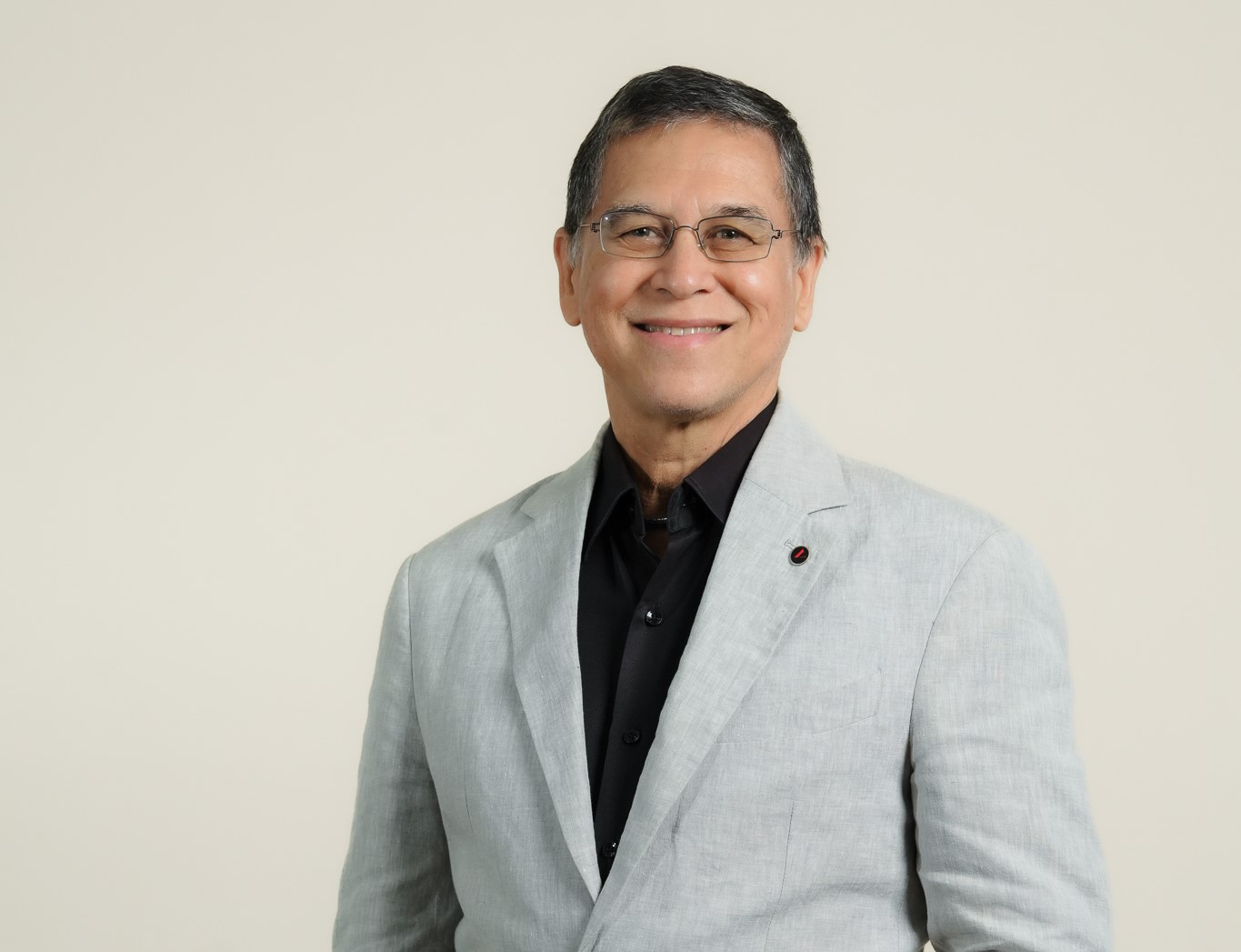
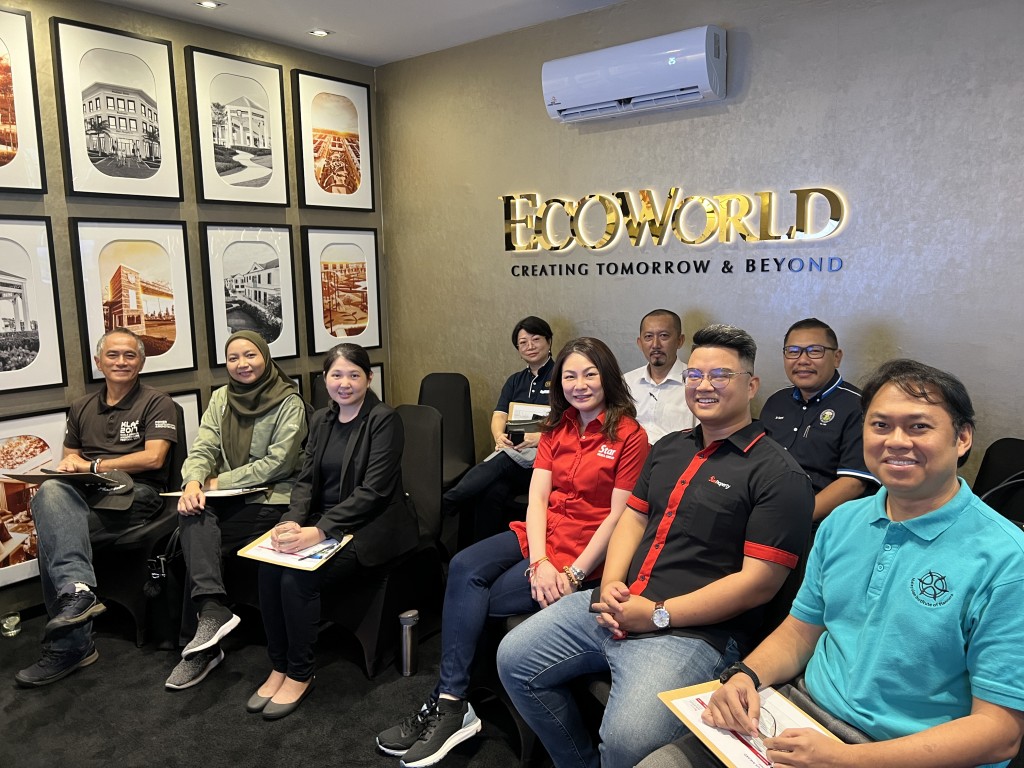
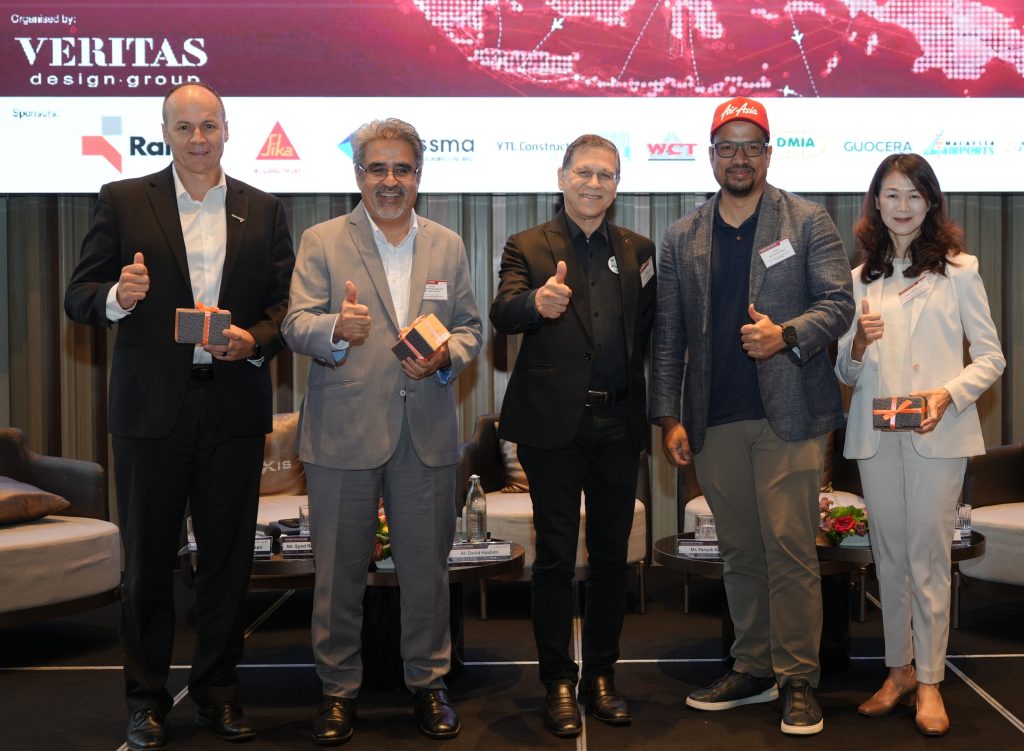
Among the building industry stakeholders gathered at the Future Cities Summit, the consensus is to build cities that are inclusive, liveable and resilient to economic, social and climate shocks. Blue Stone Management director Joshua Netto, when asked about what the foundational elements are in the blueprint of a future-ready city, said it is in the utilities.
“People often think of iconic skylines, smart buildings or autonomous vehicles when we talk about future cities. In reality, a city is only as future-ready as the infrastructure that quietly keeps it running every day. Reliable power, secure water supply, resilient digital connectivity, efficient mobility and effective waste management are the foundations upon which everything else depends.
“My view is that cities should be planned not just for today's population but for the demands of the next 20 to 30 years. That means designing infrastructure that can support AI-driven industries, electrified transport, climate resilience and rapid urban growth from the outset, rather than continually retrofitting systems after they reach capacity,” he said.
Veritas Design Group founder, president and director David Mizan Hashim stressed the importance of digitalisation and building a digital twin for cities.
“When we designed Nusantara, we created a digital twin, a model with comprehensive data covering the traffic, energy generation and consumption, population size, tax revenue and so on and so forth,” he said, referring to Veritas’ experience in the design competition for the new Indonesian capital city. “That informs us how the city will be functioning and how it should be organised. Unless you embed the data, you will not be able to have a smart city.”
A digital twin is a 3D virtual replica of a model, integrated with real-time data to simulate scenarios. Virtual Singapore, the city state’s digital twin, for example, is a high-resolution 3D model with real-time data on buildings, infrastructure, population movements, environmental factors and more.
Pointing to Singapore’s case, David said it is therefore imperative for government agencies to start sharing data across departments to enable better governance through technology.

Climate Governance Malaysia chairman Gary William Theseiras said incorporating the cities’ needs into the development plan must be the highest priority.
“Cities increase transaction efficiency by bringing together large numbers of individuals and families into a relatively small area. But this means that the needs of the area are many times greater than a similarly-sized area elsewhere,” Theseiras said.
“All current and future resource needs, including food, water, energy, materials and feedstocks, as well as waste management, including municipal solid, liquid, industrial and hazardous, will need to be planned for and managed.
“This approach calls for a circular as opposed to a linear economy. Where possible, resources should be derived from within the city. For example, using universal catchment for water and renewable electricity generation rather than needing to be imported from external sources.
“While complete self-sufficiency is almost impossible to achieve, nevertheless, keeping self-sufficiency above 75% will help buffer the city from potential supply shocks,” he said.
Universiti Teknologi Mara associate professor in landscape architecture Nurhayati Abdul Malek said a systematic transformation of the prevailing norms is required for a future-ready city.
“A future-ready city must begin with risk-informed governance, then translate that knowledge into resilient infrastructure, adopting nature-based solutions for the inclusive design and long-term investment towards our environment too,” she said.
The Future Cities Summit made it clear that industry stakeholders are ready to build the cities of tomorrow. To move forward, policymakers must now match this enthusiasm by embedding global standards into a unified national benchmark. With stronger leadership and a clear framework, Malaysian cities have every capability to become resilient, future-proof magnets for global capital and talent.
Stay ahead of the crowd and enjoy fresh insights on real estate, property development and lifestyle trends when you subscribe to our newsletter and follow us on social media.