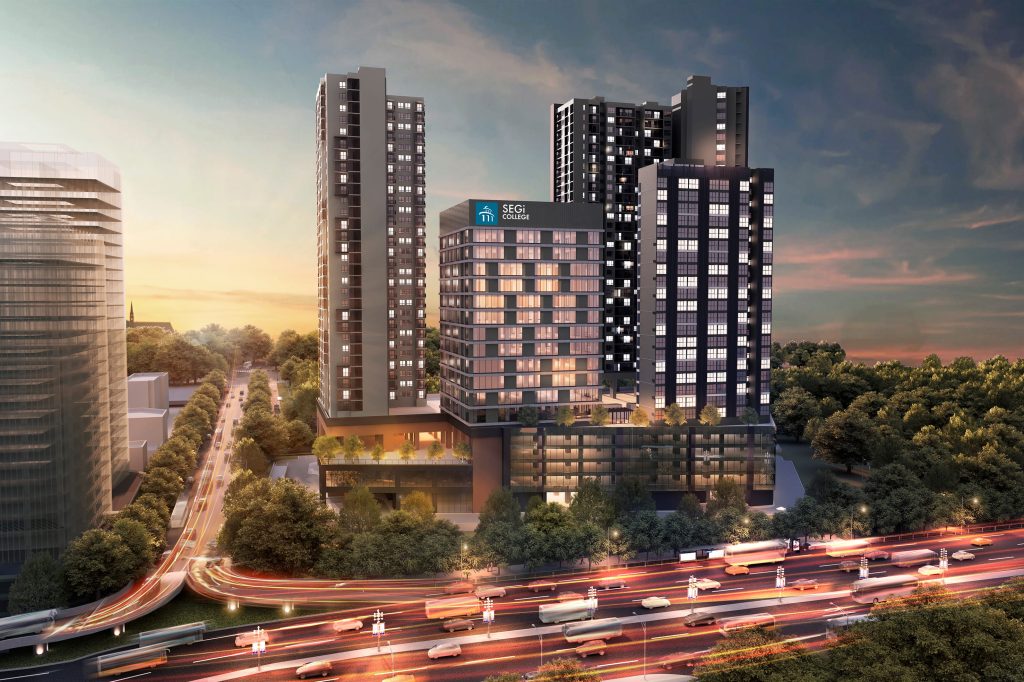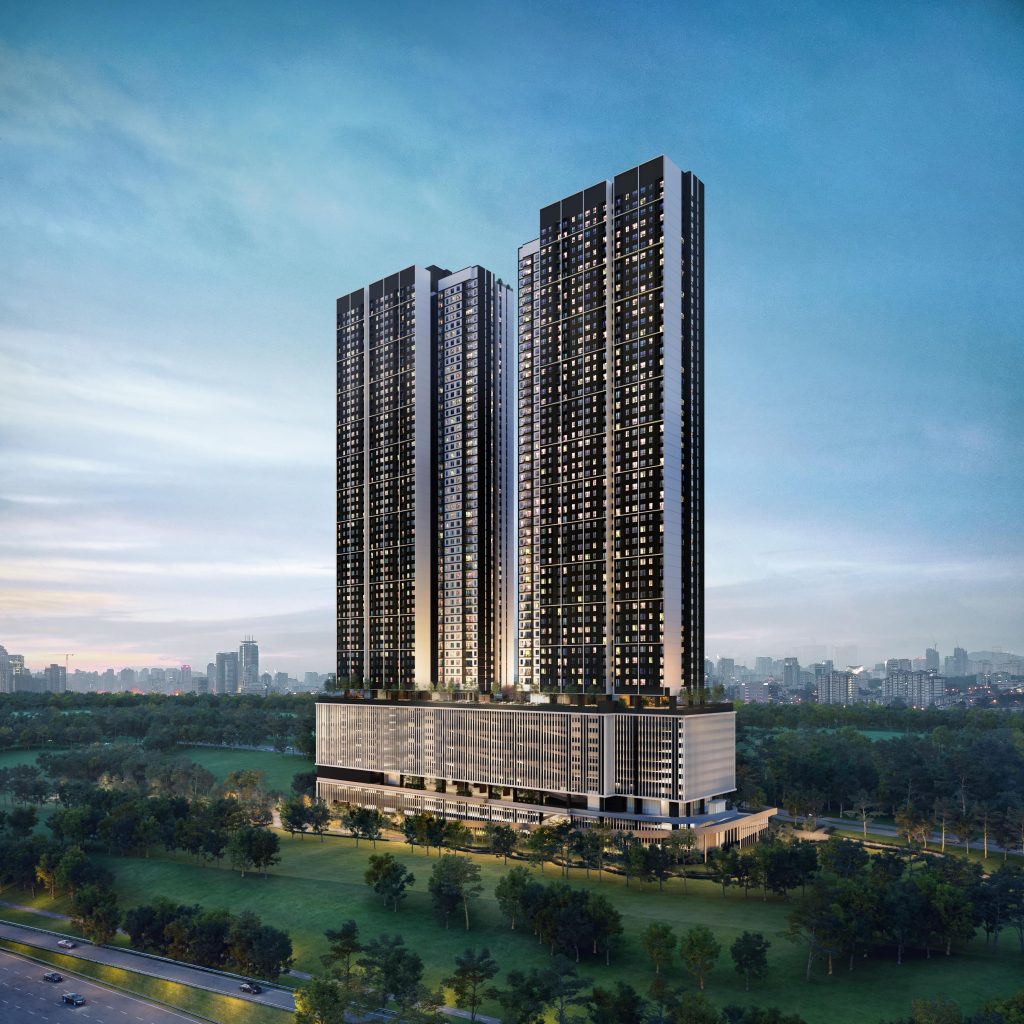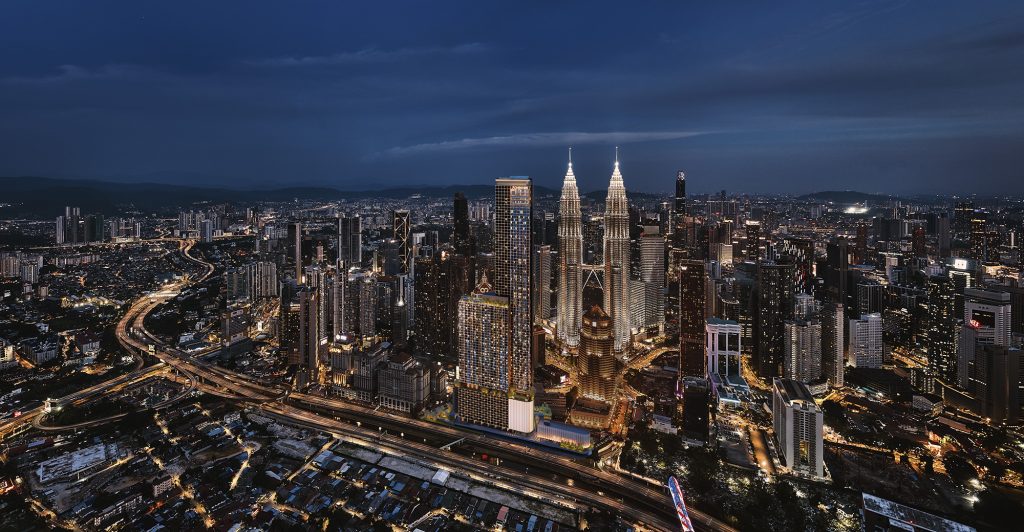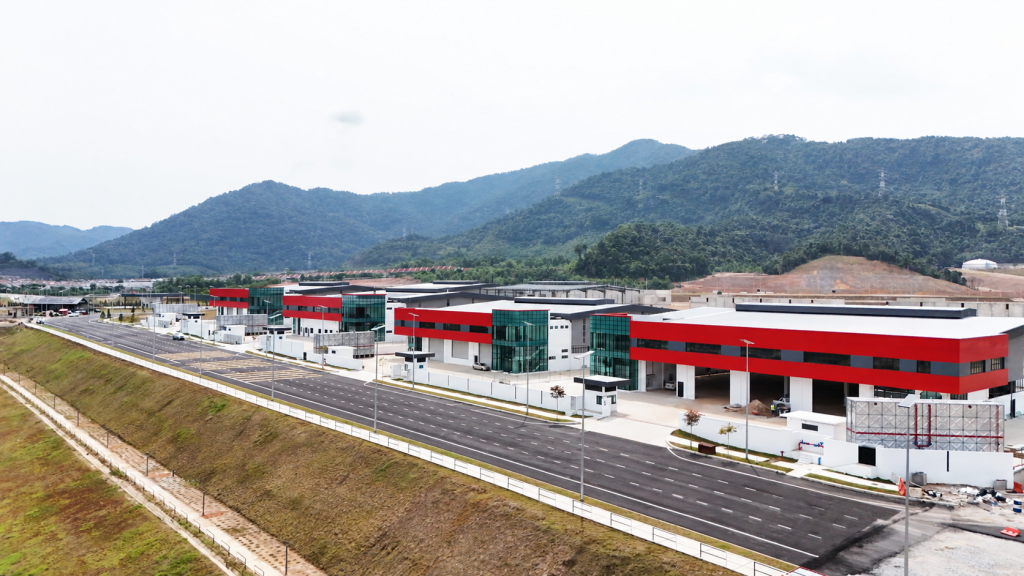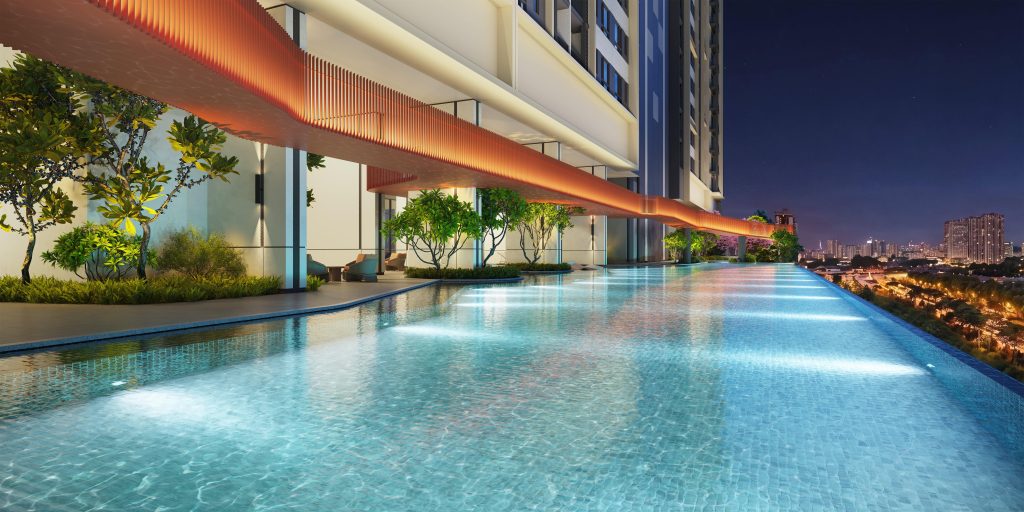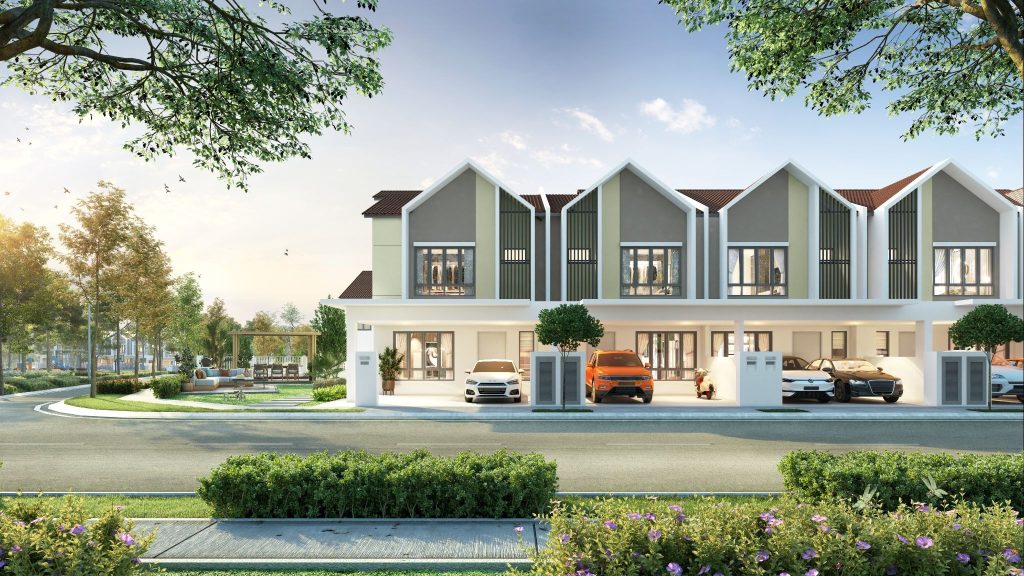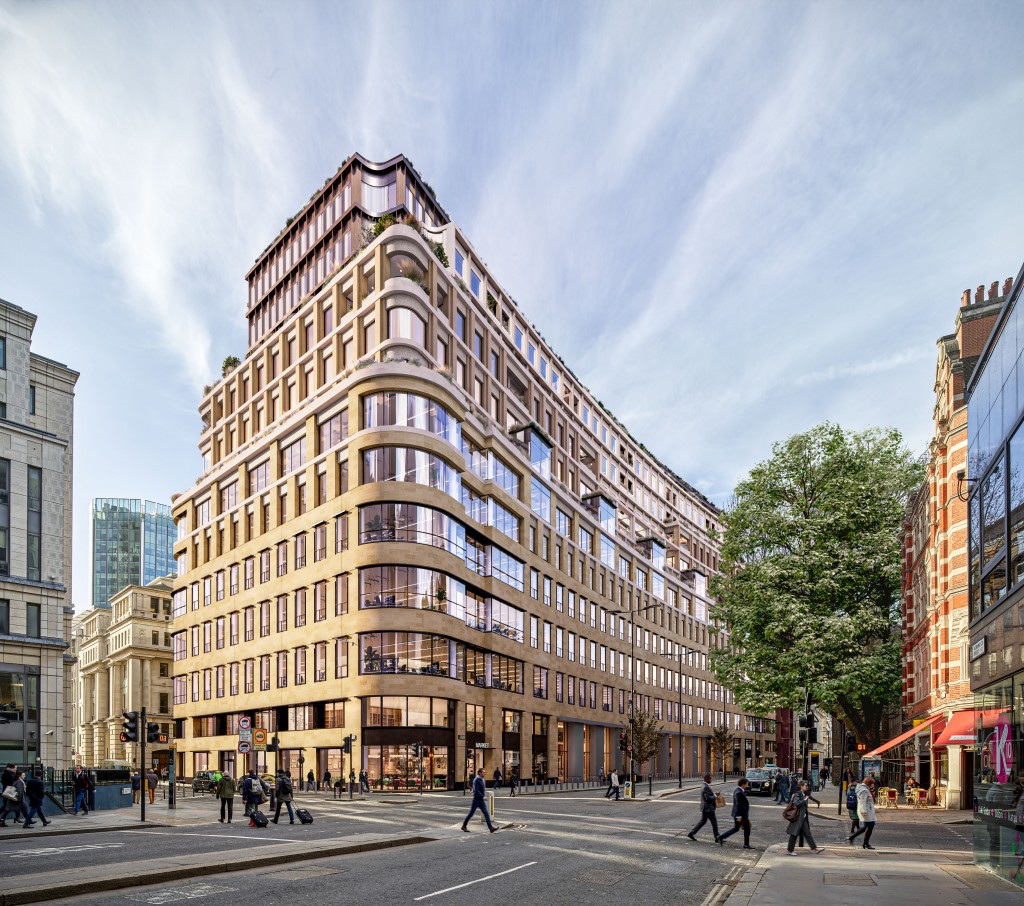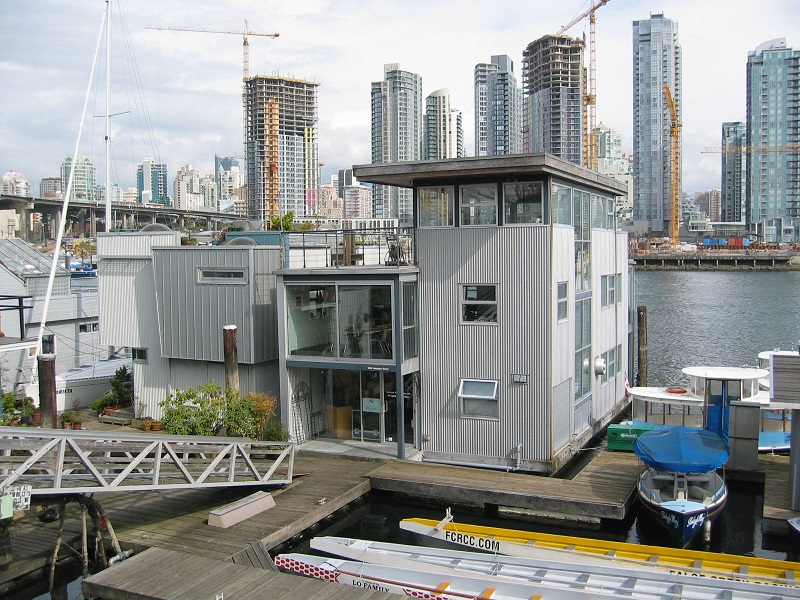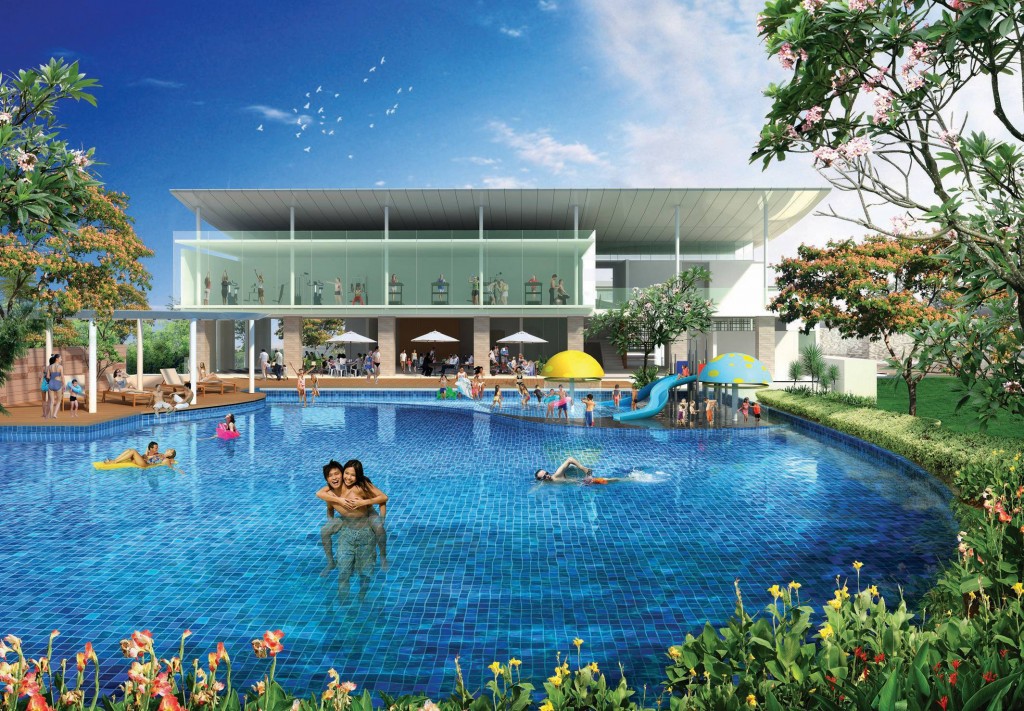


Nestled along the serene river banks of once derelict waterfronts, the laughter of children harmonises with the gentle clatter of cups at a charming new cafe. This scene is the face of a transformation from a once-neglected industrial area that has undergone a stunning transformation into a vibrant gathering place where heritage seamlessly blends with contemporary living. Throughout Malaysia, stories like this are emerging. Forgotten warehouses, shabby shores and historic landmarks are undergoing revitalisation, showcasing the beautiful synergy between history and progress.
Urban regeneration is no longer just about building. It is about rethinking how cities function, blending economic opportunity with cultural preservation, environmental sustainability and human-centric design. Policymakers and urban planners are increasingly emphasising that successful regeneration must prioritise sustainability, inclusivity, and quality of life while maintaining the city's identity.
Transforming industrial and waterfront spaces
Extremely prime candidates under the urban transformation radar are post-industrial areas. These typically include deteriorated lots, former factories and warehouses. They get repurposed into creative precincts that bloom new lifestyles. Kuala Lumpur has many lesser-known warehouse districts dotted around, bustling with artisans selling handmade crafts and boutique cafes. It is essentially turning old industrial spots into entirely new bustling hubs of commerce and culture. Why this works is because the buildings themselves tell a story. A city’s industrial past has a certain pull factor for enthusiasts or those curious. Even simple brick walls and exposed beams are carefully preserved, not only for photos or good conversation starters but as tangible reminders of urban evolution.
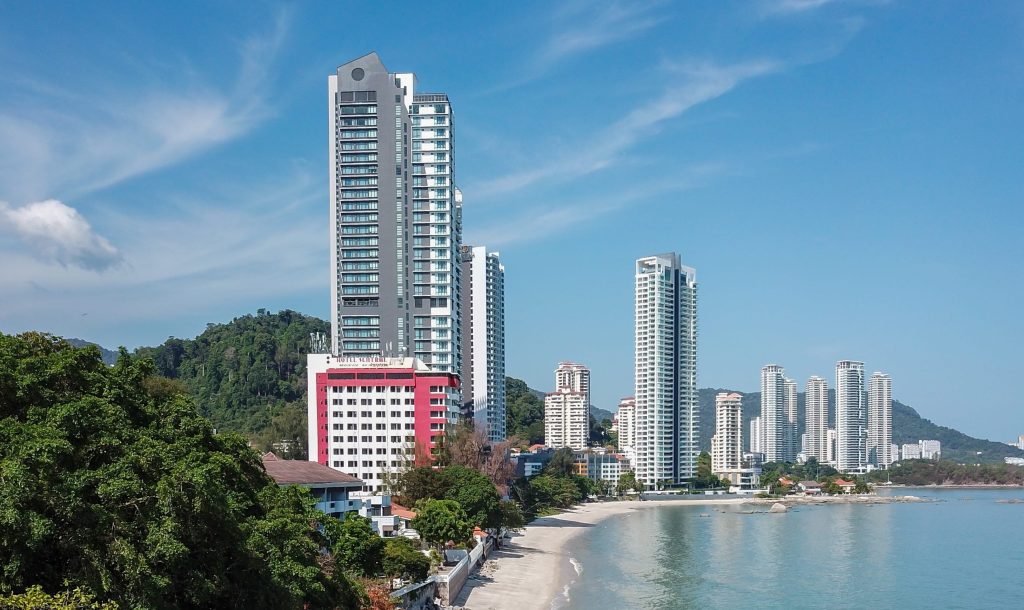
When it comes to views, abandoned waterfronts hold immense potential. In states like Johor, neglected riverbanks and docks are being revitalised. The Senibong Cove Marina is a good example. Promenades, public parks and mixed-use developments are taking over negative spaces that were once closed off and underutilised, offering green lungs for the city as well as public access to rivers once previously dominated by the shipping industry.
There is a common principle leading these projects and that is community consultation. Also known as participatory design, past successful projects have shown that it is just as important as physical construction. The sentiment is that by involving residents in co-designing these improvements, city authorities get reassurance that these areas can grow into living communities.
Preserving heritage through adaptive reuse
Historic conservation and adaptive reuse are central to Malaysia’s urban regeneration story. Rather than demolishing old buildings, planners and developers are integrating heritage with contemporary needs. In Penang, smaller-scale projects beyond the Unesco core zone have turned pre-war shophouses into boutique hotels, cafes and artisanal workshops. Adaptive reuse not only reduces environmental impact but also preserves architectural character. By simply walking through these precincts, visitors get to experience the past through facades and narrow streets while enjoying modern comforts inside.
Additionally, at the heart of urban regeneration are the people who inhabit these spaces. In a revived warehouse district in Klang, a community of makers, designers and entrepreneurs has created a vibrant ecosystem where small businesses flourish alongside social spaces. Urban regeneration, when people-centric, transforms cities from mere collections of buildings into living, breathing communities. Initiatives that fund local entrepreneurs or cultural activities in revitalised districts have proven especially effective in attracting talent, boosting innovation and creating valuable social cohesion.
Economic and social impact
The effects of urban regeneration extend far beyond aesthetics or rising property values. When done well, regeneration creates economic ecosystems that support activity across the value chain, from construction and professional services to retail, hospitality and the creative industries. Revitalised districts often attract small businesses, start-ups and cultural operators drawn by increased foot traffic, distinctive character and flexible adaptive spaces.
These end up generating employment opportunities and encouraging local entrepreneurship. For investors and city planners alike, regeneration also represents a more efficient use of land, unlocking value from underutilised sites without worsening Malaysia’s issue of urban sprawl.
Socially, regeneration reshapes how people interact with their cities. The introduction of walkable streets, public squares and mixed-use environments encourages daily interaction and community participation, helping to directly rebuild neighbourhood ties in dense urban settings. A good recent example is when Bukit Bintang went car-free for the New Year’s countdown, allowing locals and tourists to walk on the normally congested roads. Videos showed organic interactions between pedestrians and an overall happier mood.
At the same time, planners are increasingly aware that regeneration must be inclusive. Projects that balance economic growth with affordable spaces, public amenities and community engagement are more likely to uplift existing residents rather than give them the boot. In the long term, these people-centric outcomes become economic assets in their own right. Liveable, culturally vibrant districts play a part in boosting a city’s competitiveness, attracting talent, investment and tourism while improving overall quality of life.
Sustainability and innovation
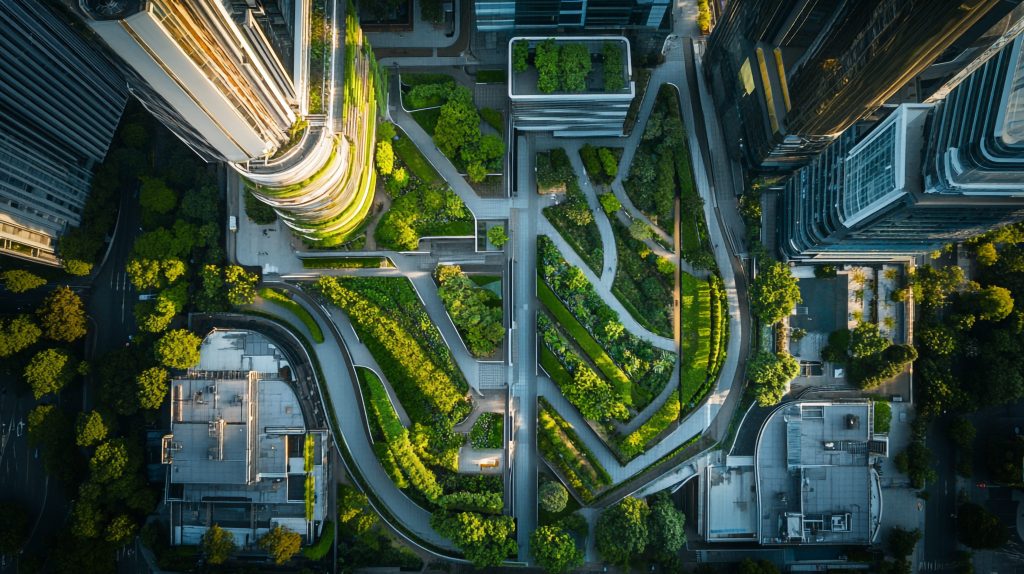
Sustainability is increasingly at the core of urban regeneration. Projects now embrace energy-efficient retrofits, eco-friendly materials and green building practices. Adaptive reuse reduces waste, conserving resources that would otherwise be consumed in demolition and new construction. Pedestrian-friendly layouts and urban green spaces encourage active lifestyles and reduce car dependency. Some districts are also integrating climate-adaptive measures such as urban greening, stormwater management and heat-mitigating design, demonstrating that regeneration can be a platform for environmental innovation. Circular economy approaches are no longer optional because they are so central to creating resilient, sustainable urban communities.
As Malaysian cities continue to evolve, the next wave of urban regeneration may push boundaries even further. Strategic frameworks that combine heritage preservation, community participation and environmental sustainability are what guide these initiatives, ensuring that neglected areas can be transformed into vibrant, resilient urban districts. But the challenge will be actually balancing economic, social and environmental priorities while maintaining authenticity.
Malaysia’s under-the-radar urban regeneration projects show that old spaces hold immense potential. From abandoned factories to riverside walkways, these transformations are more than property developments. They are strong catalysts for economic growth, cultural preservation and sustainable urban living. With visionary planning, people-centred design and strategic frameworks guiding development, it can be said that the cities of tomorrow can emerge from the forgotten spaces of today.
This article was first published in StarBiz7.
Stay ahead of the crowd and enjoy fresh insights on real estate, property development and lifestyle trends when you subscribe to our newsletter and follow us on social media.