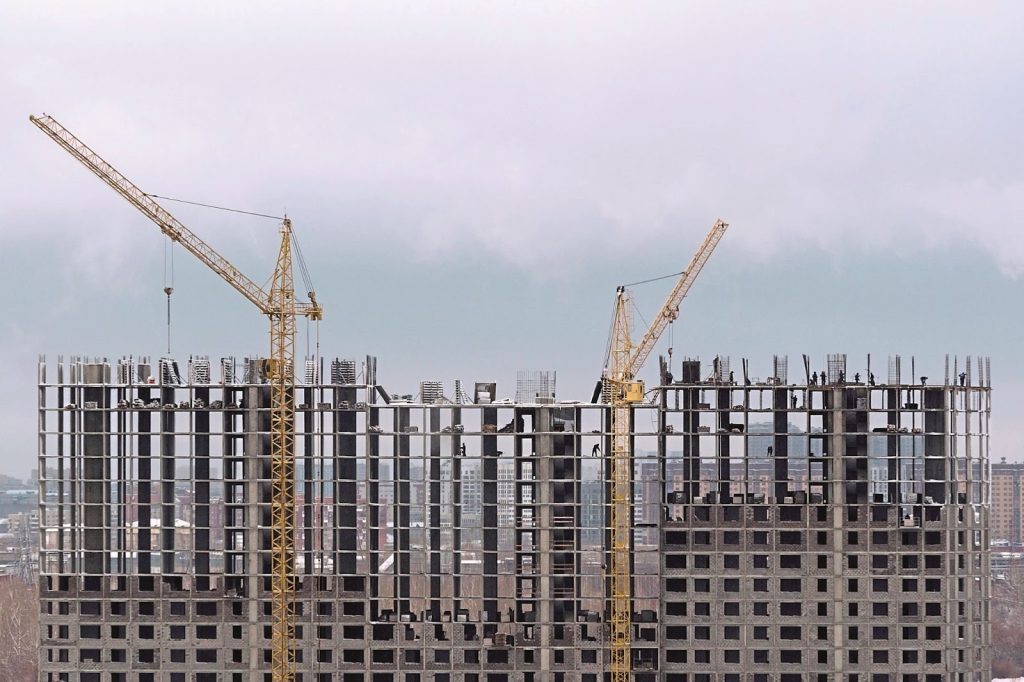
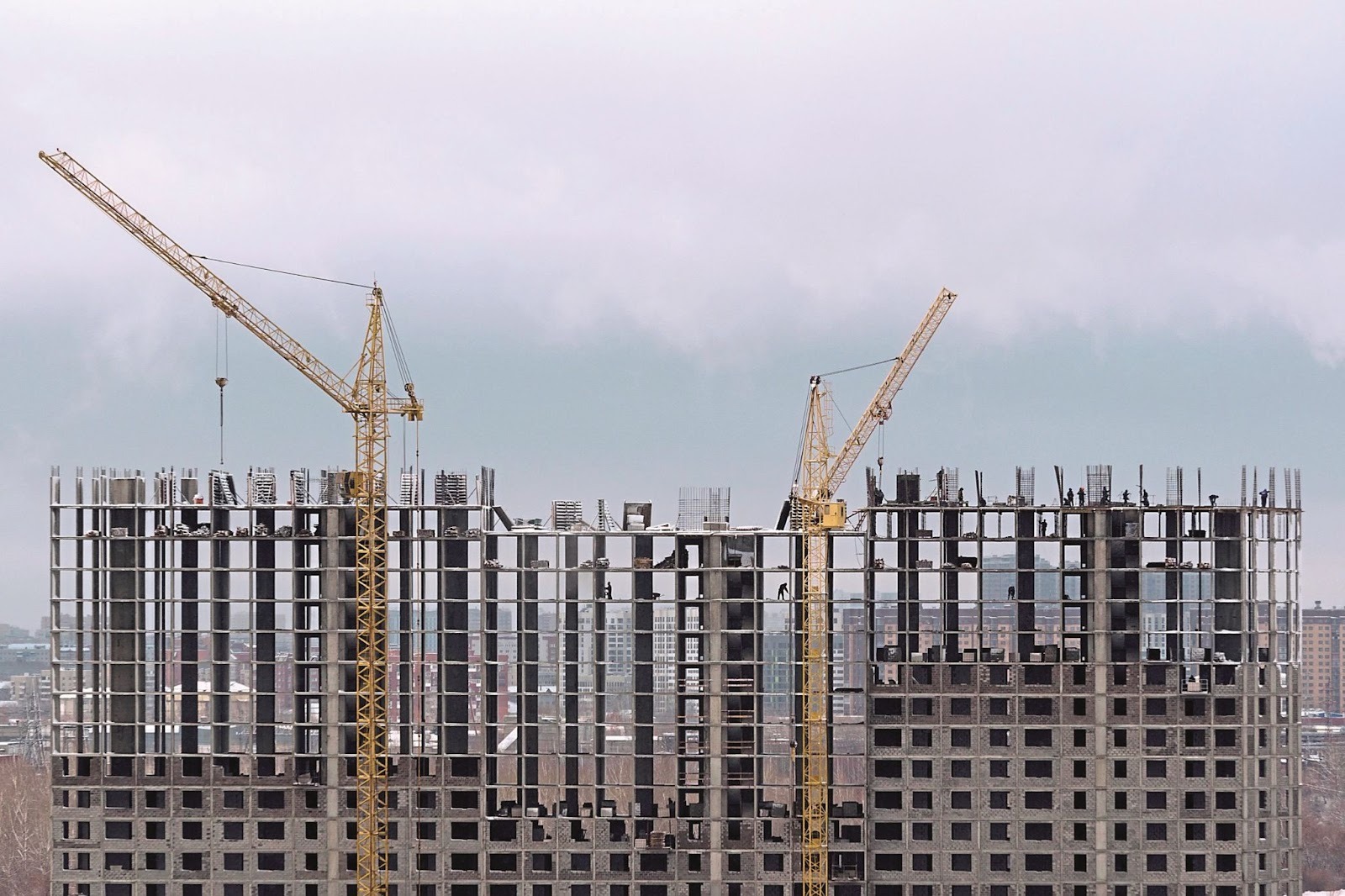
Under the 13th Malaysia Plan (13MP), the Housing Ministry has several ambitious plans under its belt, including the Zero Abandoned Projects by 2030 goal. This is in response to Malaysia’s long-standing abandoned housing problem. Stalled projects leave buyers in limbo, with their booking fees, down-payments and progressive payments vanishing into thin air. As of January 2026, the Malaysian Task Force for Sick and Abandoned Private Housing Projects (TFST) has successfully revived 1,399 private housing projects since 2023. Overall, these revivals involved 167,423 housing units with a total gross development value of RM133.78bil. However, reviving abandoned projects does not necessarily mean that they will be completed as planned.
The RM25.84mil allocation in Budget 2026 to aid the resuscitation might seem large at first glance but this translates to about RM154 per unit. The question is whether the white knight developers are able to successfully complete these abandoned projects and still remain profitable or at the very least break even. And can closer oversight and technological assistance help solve a market problem rooted in finance, capital discipline and supply-demand mismatches? Zero abandonment is not just a policy promise but the biggest test of whether the country’s property market can go from reactive rescues to actual structural discipline.
The reform package
Taking a closer look at systemic improvements currently warming their engines, the 2026 property reform package represents one of the most extensive overhauls of Malaysia’s housing framework in recent memory. At the front end of the transaction is the e-SPA. For years, property contracts were largely paper-based, vulnerable to administrative errors and suffered from slow verification. Moving the agreement into a fully digital format standardises documentation and creates a traceable record from the moment a buyer signs. In principle, that reduces disputes, limits room for manipulation and gives regulators clearer visibility into transactions as they happen.
Monitoring also does not stop at the contract stage. The Housing Integrated Management System, known as HIMS, is designed to track projects from approval through to completion. By consolidating data on licensing, financial compliance and construction milestones, the system aims to identify early warning signs before a project deteriorates into abandonment. The intention is simple. Intervene when stress appears, not when it is too late.
For buyers, the most visible change may be the TEDUH portal. Positioned as what authorities call a centralised dashboard, it allows prospective purchasers to check project details, review developer track records and submit complaints within a single platform. For a market long criticised for delayed clarity, this higher level of transparency could help buyers make more informed decisions before committing to long-term financial obligations.
Financial governance may also be tightened. Enhanced audits of Housing Development Accounts (HDA) are meant to ensure that any funds collected from buyers are channelled strictly into construction. Misuse of project accounts has always been a crucial moment in stalled developments. Stronger oversight looks to reduce that risk by reinforcing capital discipline at the project level, according to reports.
Alongside these digital and financial tools, legislative updates are being proposed to strengthen enforcement powers and expand certain buyer protections. The reforms extend beyond technology because they reflect a broader shift toward proactive regulation and clearer accountability.
These new measures work together like a safety net designed to finally tackle those elusive oversight gaps. Think of digital contracts as the streamlined entry points while centralised monitoring gives us a clear view during construction. Financial audits are the behind-the-scenes enforcers that work hard to keep everyone in line.
But will this framework live up to its hype? It is less about how fancy the technology is and more about how consistently it is put into action. Systems can undoubtedly point out problems, but the real test is how quickly and decisively authorities react when issues arise. Instead of playing catch-up after a project derails, policymakers are now focusing on embedding safety measures right into the development process. The shift is all about prevention instead of just rescue.
Incentivising Build-Then-Sell
The government is further trying to incentivise the Build-Then-Sell (BTS) model, especially the 10:90 concept. Buyers pay a small amount upfront and the bulk of the payment kicks in only when the home is finished. Why is this exciting for buyers? They have way less financial risk if a project hits a snag. Instead of worrying about hefty loan payments for a house that is still slathering on the concrete, they can feel more secure and protected.
However, this shift puts more pressure on developers. They now have to fund construction upfront before they see most of their cash flow. This means they need solid financial backing and a tighter grip on their capital. In the long run, this could spell trouble for smaller developers while bigger ones may thrive, leading to a potential industry shake-up. While this can fortify financial strength, it might also mean fewer players in the game.
Another intriguing aspect is how this financial risk might affect housing prices down the line. If developers end up shouldering more of that risk, they might be forced to pass some of those costs onto buyers. So while risk is shuffled around, it is not entirely wiped out.
Then there is the technical side of things. With the advent of e-SPA, HIMS and the TEDUH portal, there is a new push for transparency in the market. The idea is simple where the more information people have, the better decisions they can make. However, just having the tools is not enough. Buyers need to actually use the info, regulators must be quick to respond and developers need to genuinely embrace a culture of compliance instead of just ticking boxes.
Even with tighter oversight, the realities of the property market show that projects can still be affected by changing demand, financing conditions and larger economic trends. Cash flow issues can occur due to outside factors just as easily as poor management.
As Malaysia aims for the ambitious goal of zero abandoned housing projects by 2030, it is getting clearer that the reforms might bring real benefits for buyers, like clearer contracts and systematic project monitoring while pushing developers toward higher standards and accountability.
But the real test is how these changes hold up when times get tough. If the system can withstand an economic downturn without seeing old patterns of stalled projects reemerge, then it can be said to be possible.
This article was first published in StarBiz7.
Stay ahead of the crowd and enjoy fresh insights on real estate, property development and lifestyle trends when you subscribe to our newsletter and follow us on social media.