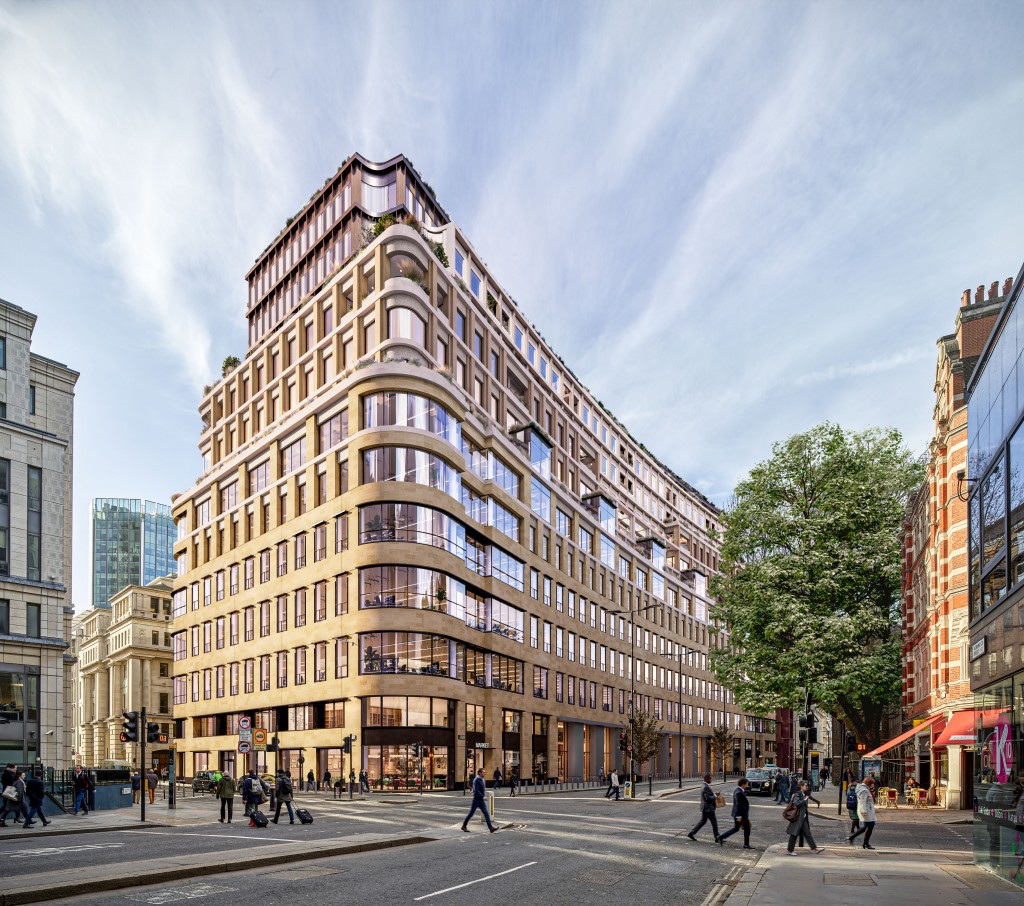
Budget 2026 is incentivising turning empty offices into homes. Starting from the 2026 assessment year, the Malaysian government will provide a 10% special tax deduction, specifically for qualifying costs, for converting commercial buildings into residential ones. Each project will have a RM10mil cap, and on paper, this sounds like a technical measure. In practice, however, there is potential to change how older, ageing office buildings are perceived in cities like Kuala Lumpur and George Town.
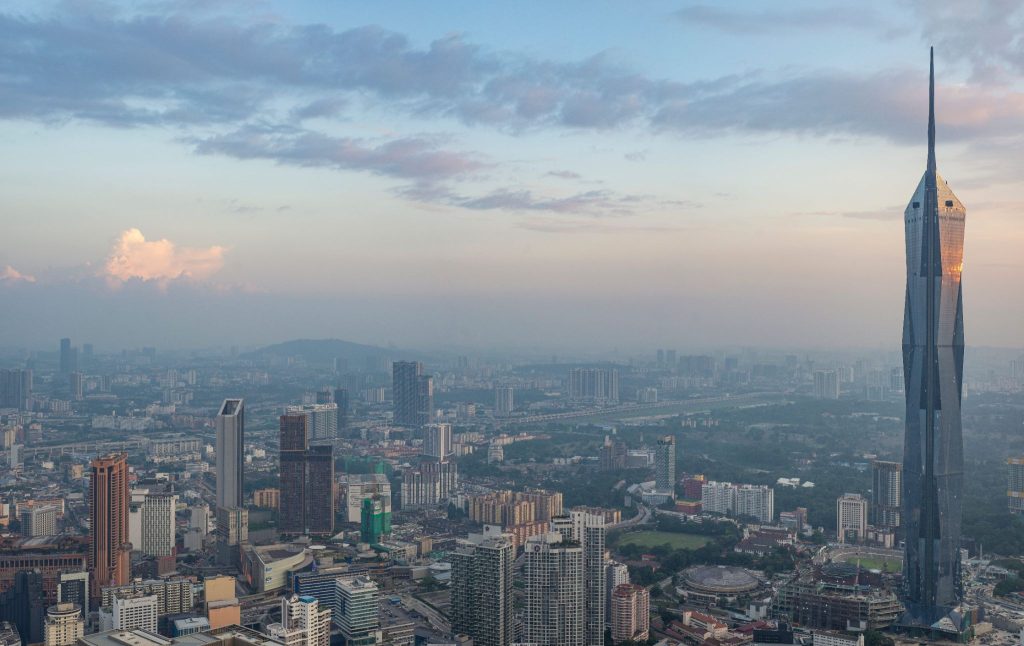
Based on reports by real estate consultancies like Knight Frank Malaysia as well as Cushman and Wakefield, depending on the submarket and property grades, the office vacancy rate in Kuala Lumpur as of early 2026 hovers between 23% and 30%. Despite being high compared to regional averages of 13% to 15%, the market is actually showing signs of stabilisation due to shifting mindsets. Most notable is the flight-to-quality shift where tenants migrate to newer ESG-compliant Grade A buildings.
According to Henry Butcher’s Property Outlook 2026 report, the occupancy rates of purpose-built offices in Kuala Lumpur were marginally higher to 71% as at Q32025, compared to 70.1% as at Q32024. Additionally, the occupancy rate in the city centre itself was higher at 72% while offices outside the city centre recorded 67%.
The number of office buildings under construction in KL and Selangor as of Q32025 will add another 2.8mil sq ft of office space into the KL market by 2028, whilst Selangor will see approximately 1.3mil sq ft of office space by 2026 and another 1.5mil sq ft by 2030.
These buildings, currently under construction, are designed to be ESG-compliant and equipped with the latest specifications and facilities to meet the requirements of modern businesses, particularly multinationals. Older buildings which have not undergone any upgrading exercises will encounter difficulties competing with newer buildings unless they are refurbished or converted to other uses.
To tackle these older stocks, the special 10% tax for commercial-to-residential conversion has its appeal. Providing a tax break on qualifying renovation and conversion expenditure helps address the significant oversupply of office and retail spaces in urban centres like Kuala Lumpur. Older buildings in secondary locations are feeling the strain. Not every office tower is struggling but the gap between Grade A and everything else has widened.
A grounded opinion
For owners of ageing stock, the question has become uncomfortable: Should they spend heavily to upgrade and compete or rethink the asset entirely? To get a perspective, Starbiz7 reached out to Henry Butcher Malaysia chief operating officer Tang Chee Meng for his commentary.
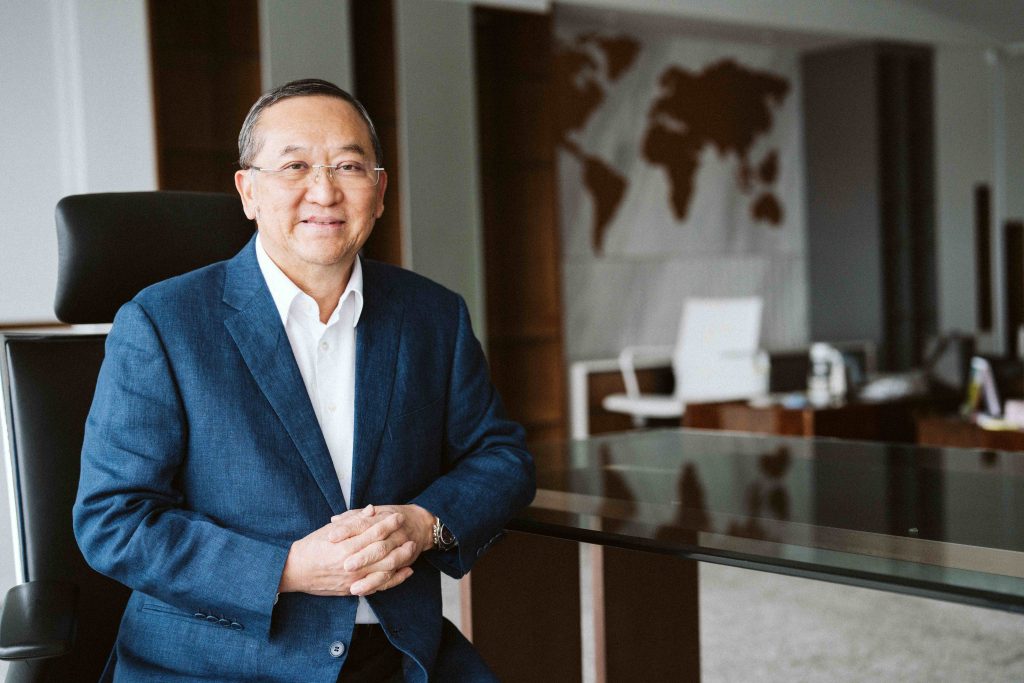
“There are some ageing and poorly maintained office buildings located within the older parts of the CBDs in Penang and KL that have found their occupancy rates declining over the years. This is because they have tired-looking facades with inadequate car parking, poorly designed car parks and are not finding favour with modern companies requiring modern amenities and mechanical and engineering infrastructure like high-speed internet, efficient and energy-saving air conditioning, high-speed lift and lighting systems,” noted Tang.
“To bring the building up to standard and command higher rental rates, the owners will need to spend quite a bit of money refurbishing and upgrading the building. Given that market trends have changed over the years and companies prefer more prestigious locations, the owners of these ageing buildings may not be prepared to spend so much on upgrading the building just to find that they are not able to fill the building at their desired or targeted rental rate. The building owner may then explore other options like converting the building into a hotel, service apartments or residences,” he added.
As for buildings near public transportation, a property 100m away from an MRT station will be a different story that comes with its own math. “The tax incentive offered by the government in Budget 2026 may provide the spark to make the building owner decide to convert the office building into a residential apartment. The convenience of having an LRT or MRT station as well as a host of urban amenities like shopping, food and entertainment located within walking distance may provide a strong motivating factor to younger executives with a small family working within the city centre. Investors may also be tempted as these apartments could be pitched to and rented to expatriates working within the city centre and provide attractive rental yields,” reaffirmed Tang.
Upgrading is not cheap and not guaranteed to work, and this is where the new tax deduction starts to matter. While 10% might not be substantial, in conversion projects where margins tend to be tight, it can be all the difference between being too expensive and doing it.
Adaptive reuse
In this day and age of ESG, it is a beneficial brownie point to conserve resources. That is why adaptive reuse, instead of launching new developments, is being encouraged. Converting an existing structure might lead to less resource strain and a decrease in total greenhouse gas emissions, otherwise known as embodied carbon, that comes with constructing a new building from the ground up. These shifts towards repurposing could significantly lessen urban development’s environmental impact.
But of course, not every office tower can successfully be transformed into a residential property. There are factors to consider like zoning approvals, structural integrity of the existing building, natural lighting and costs that will ultimately determine the feasibility of each project. Additionally, property owners need to adhere to the strict documentation and compliance requirements established by the Inland Revenue Board (LHDN) to make sure all regulations are correctly met.
So for landlords who are managing these older buildings in CBDs, this special 10% deduction incentive could offer that extra push to go ahead and repurpose their underperforming property. It is like a proactive approach aimed at revitalising the vacant spaces of yesterday, transforming them into living spaces that match today’s housing demands.
This article was first published in StarBiz7.
Stay ahead of the crowd and enjoy fresh insights on real estate, property development and lifestyle trends when you subscribe to our newsletter and follow us on social media.