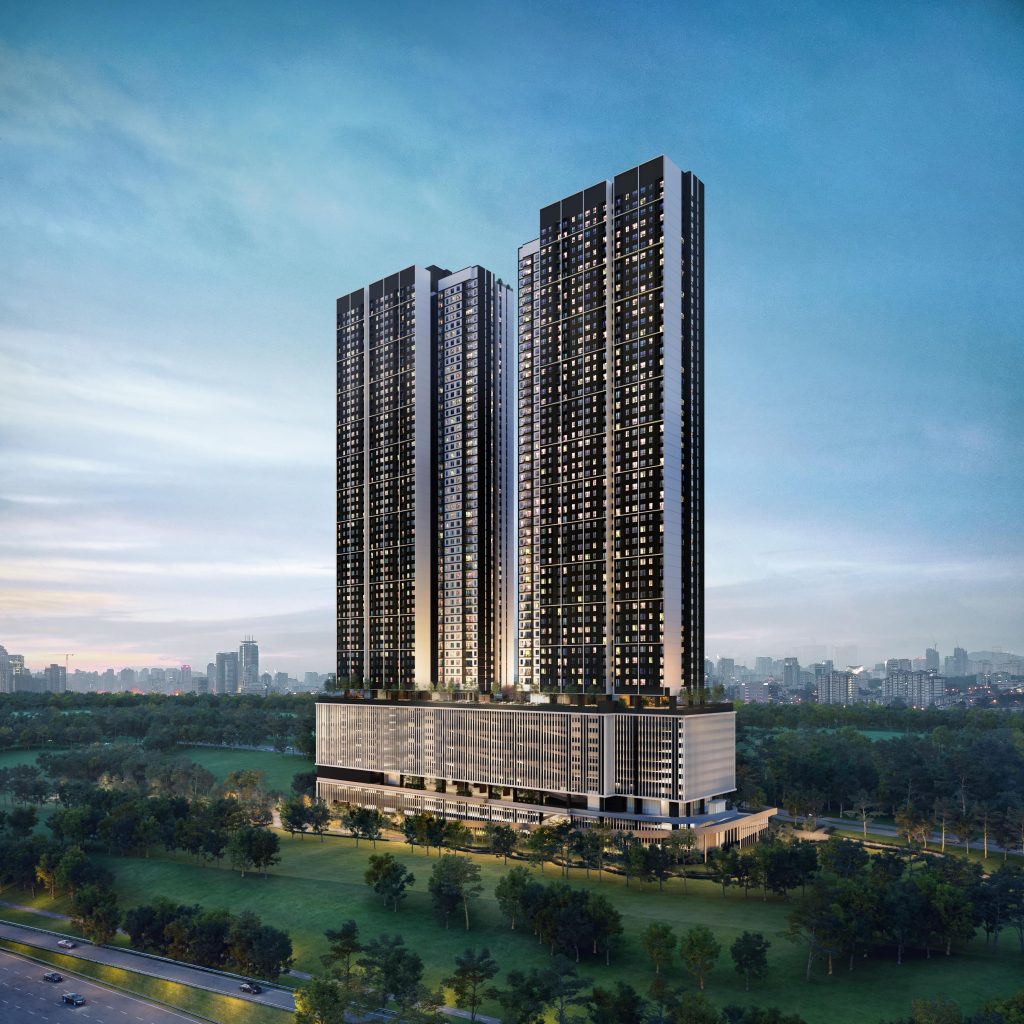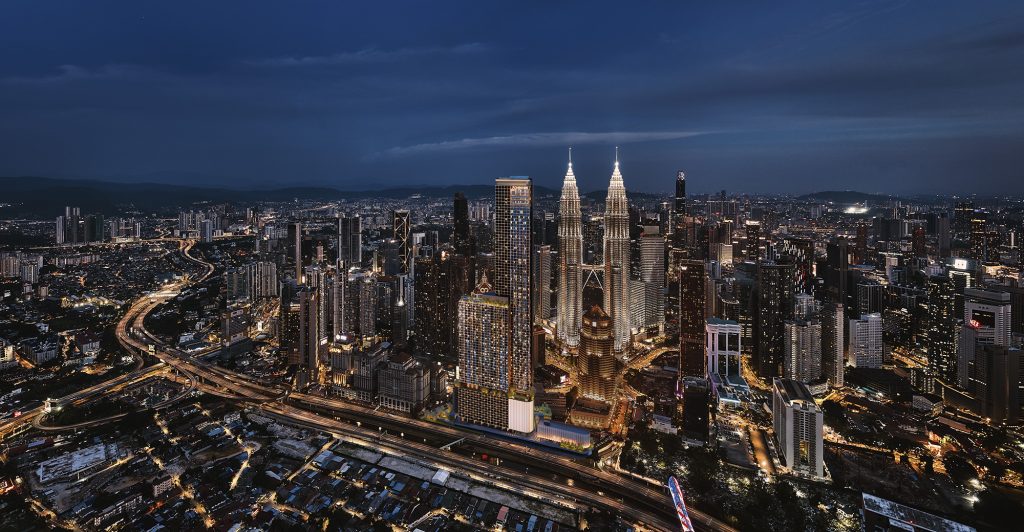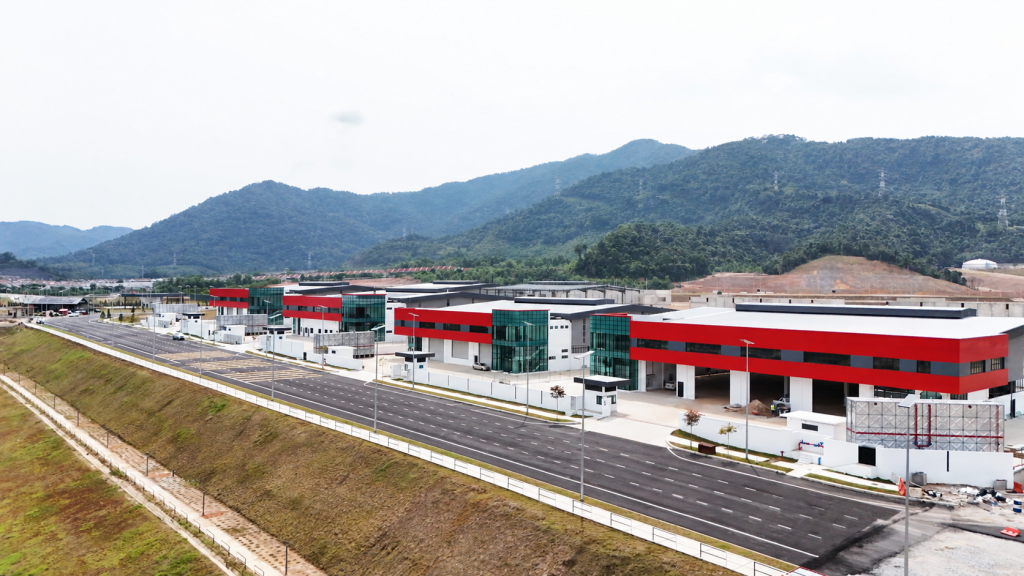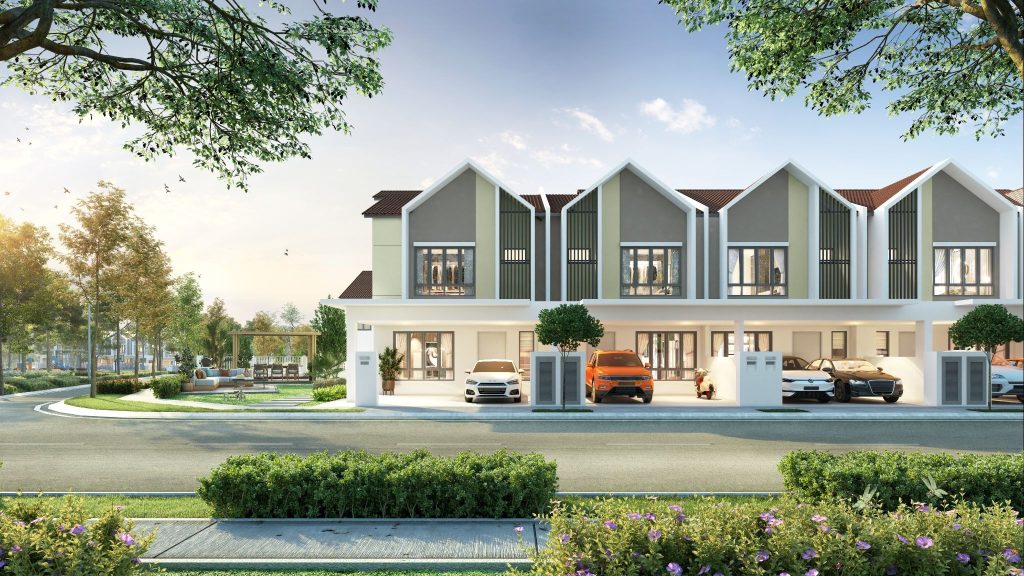


Malaysia’s property sector is defined by its hard-earned resilience, consistently rebounding from periods of volatility to maintain a trajectory of robust growth. Across the Klang Valley, Penang, Johor, Sarawak and several other states, cranes are now a constant part of the view. New residential projects, commercial spaces, industrial parks and large townships continue to enter the market. Property remains a key economic driver. In 2025, Malaysia recorded more than RM64.39bil in property transactions, according to official data, reflecting sustained activity despite global uncertainty.
However, it is equally important to monitor Malaysia’s supporting infrastructure. Are we building too fast for infrastructure to catch up or are we still relying on systems designed for a Malaysia that no longer exists? This fundamental question has been consistently raised in the wake of global climate volatility and the evidence increasingly suggests the latter.
Traffic congestion, floods disrupting neighbourhoods, strained utilities and rising long-term costs are no longer abstract concerns. For businesses, homeowners and investors, infrastructure gaps are now a lived reality with direct economic consequences.
Responsibility for infrastructure upgrades largely sits with the Federal Government and the Works Ministry. While the central government remains the key policymaker and significant investments have been committed, policy clashes and fragmented implementation have resulted in ad-hoc and poorly integrated planning. The Works Ministry, meanwhile, has cited road maintenance budget shortfalls of up to 45% in certain cases, highlighting the strain on existing systems.
Property vs infrastructure
Malaysia’s development pipeline has remained robust. Under the 12th Malaysia Plan, billions of ringgit were allocated to infrastructure projects. Much of this, however, has gone towards correcting existing deficiencies rather than anticipating future needs, focusing on bottlenecks that had already formed.
Various reports point to fragmented governance, insufficient predictive data and budget constraints as key reasons. The preference for disaster response over proactive investment, combined with reliance on linear project models and uncoordinated inter-agency action, continues to hinder the integration of climate resilience and data-driven planning.
Many infrastructure systems in use today were designed based on outdated assumptions around population density, car ownership and climate conditions. Timelines further compound the issue. Property development typically progresses from land acquisition to completion within three to five years while major infrastructure projects such as highways, rail lines, drainage upgrades and power systems can take more than a decade from planning to delivery.
The consequences of this mismatch are clear. New townships are marketed and occupied before public transport connectivity is in place. Industrial parks often reach near full capacity before access roads are upgraded. Flood mitigation measures are often implemented only after repeated incidents have occurred.
What the industry needs is a future-proofing framework that does not end at installation. At present, binding requirements for long-term performance remain limited. Any such framework must include climate resilience standards, transportation modal shift targets and provisions for digital utilities, including artificial intelligence, the Internet of Things and data analytics.
A car-dependent reality
Transport is where infrastructure strain is most visible to Malaysians. Vehicle ownership in the country is among the highest in Southeast Asia, with more than 38.7 million registered vehicles serving a population of 34.1 million.
In the Klang Valley, private vehicles remain the dominant mode of transport despite the expansion of MRT and LRT networks. Studies indicate that Malaysians in major cities spend between one and two hours a day commuting while traffic congestion costs the economy several billion ringgit annually through lost productivity, fuel wastage and time.
Yet many new developments continue to prioritise road access over meaningful public transport integration. The outcome is predictable. More vehicles are added to already saturated roads, turning congestion into a permanent condition rather than a temporary inconvenience. For businesses, this results in higher logistics costs and reduced reliability. For workers, it means longer commutes and diminished quality of life.
The drain strain
Drainage remains another clear indicator of infrastructure stress. Urban and rural areas experience flash floods multiple times a year, with locations such as Klang, Shah Alam and Subang Jaya facing repeated disruptions.
Public discourse has increasingly highlighted outdated rainfall models that struggle to cope with the growing frequency and intensity of climate-induced extreme weather. In 2021, several states experienced rainfall of up to 360mm within 24 hours, an event many described as the moment when the future happened too quickly. In early 2025, a meteorological station situated in Bintulu, Sarawak, reportedly recorded approximately 900mm of rain in a single day, far exceeding the town’s usual monthly average. This reflects the urgent need to upgrade existing infrastructure.
Drainage systems across affected areas, including Kuala Lumpur and Selangor, were designed using older modelling assumptions that underestimated such rainstorm surges. Experts have since pointed to the limitations of these models, noting that while they perform adequately for historical patterns, they fail to capture future risk.
Despite advancements in urban planning, many practices remain outdated. Drainage infrastructure is still largely concrete-heavy, with limited adoption of nature-based solutions. Transport nodes are frequently designed without mixed-use density, reducing their effectiveness as community anchors. Utility systems often lack redundancy and smart monitoring, increasing vulnerability to disruption. Meanwhile, townships continue to separate residential, commercial and industrial uses, limiting integration and accessibility.
Why it keeps happening
For developers, faster approvals and lower upfront costs remain powerful incentives. This allows projects to be delivered quickly while long-term infrastructure risk is often externalised. Homebuyers benefit initially through lower entry prices but face higher living costs over time through longer commutes, flood exposure and rising utility charges.
For investors, the implications are equally significant. Infrastructure inadequacy increases the risk of asset depreciation, particularly as maintenance costs rise and liveability declines.
Overcoming the roadblock
Infrastructure planning must be treated as a foundational element of development rather than a downstream fix. This requires infrastructure readiness benchmarks to be met before projects are launched, ensuring roads, utilities and services are in place to support growth from the outset.
Fortunately, there is a gradual shift away from car-centric planning towards a transit-first approach. Malaysian developers have been planning and pushing for more transit-oriented developments (TODS), ensuring walkability and density are more resilient, liveable and economically efficient.
Drainage standards must be updated to reflect today’s climate realities rather than historical averages. At the same time, utilities planning should move beyond isolated project approvals towards a regional, coordinated framework that accounts for cumulative demand.
Malaysia’s challenge is not a lack of ambition or development momentum. It is a planning framework still calibrated to past conditions, operating in a future that has arrived faster than expected. If infrastructure continues to lag behind development, the cost will not be borne upfront but absorbed gradually through congestion, disruption and declining liveability. Building faster is no longer enough. The next phase of Malaysia’s growth must focus on building smarter, with infrastructure designed not just to support today’s needs but to withstand tomorrow’s realities.
This article was first published in StarBiz7.
Stay ahead of the crowd and enjoy fresh insights on real estate, property development and lifestyle trends when you subscribe to our newsletter and follow us on social media.