By Joseph Wong
As Malaysian cities expand and urban living becomes increasingly dense, a quiet paradox has emerged. While millions live side by side in high-rise condominiums and terrace housing developments across the Klang Valley, Penang, Johor Bahru and other major cities, urban loneliness is on the rise. At the same time, housing affordability continues to stretch household budgets, particularly for young urban professionals and ageing seniors.
Enter co-habitat housing (also known as co-housing or community-led housing) which is a model where residents own or lease fully self-contained private homes while intentionally sharing extensive common facilities, management and community spaces. Unlike transient co-living arrangements or room rentals, co-housing balances complete residential autonomy with deep social infrastructure.
Though originating in Scandinavia during the 1960s and gaining global momentum through platforms like the CoHabitat Network, co-housing carries a striking resemblance to a traditional Malaysian institution: the kampung. The central question is whether this intentional, community-governed living framework can take root in modern Malaysia.
The Malaysian cultural fit
At a cultural level, Malaysia is uniquely primed for co-habitat concepts. The nation’s foundational social values, specifically the spirit of gotong-royong (mutual assistance and community work) and communal care, align seamlessly with the ethos of co-housing.
Historically, traditional Malay kampungs, Chinese new villages and East Malaysian longhouses operated on shared spatial management. Childcare was a collective effort, festive meals were prepared together and neighbourhood security was community-led. Modern urbanisation gradually fragmented these networks, replacing open community porches with high security gates and perimeter fencing.
Co-housing offers a structural mechanism to revive this collective warmth without sacrificing modern privacy standards:
- Multigenerational support: Young families gain access to reliable, trusted adult supervision for children within the shared courtyard while elderly residents enjoy active, daily social interaction that wards off isolation.
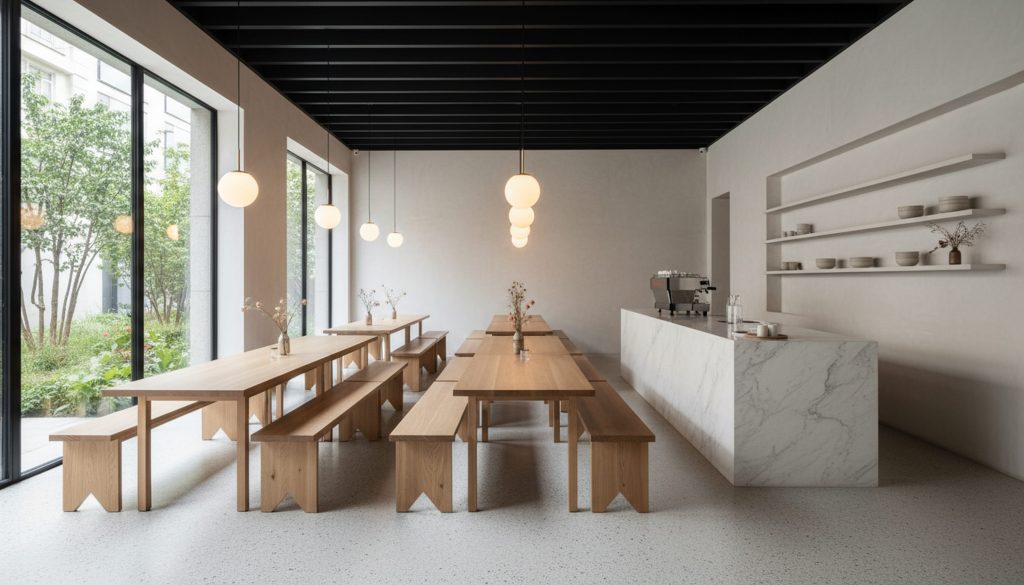
- Shared culinary and social hubs: A central Common House featuring a commercial-grade kitchen enables communal weekend makan sessions, festivals and shared meal prep which is a natural fit for Malaysia's food-centric culture.
- Resource optimisation: Shared workshops, urban farms, tool libraries and laundry spaces reduce individual household living expenses and carbon footprints.
Why timing matters
Several structural shifts in Malaysia make the exploration of co-housing timely:
1. The ageing nation shift: By 2030, Malaysia is projected to become an aged nation, with over 15% of the population aged 60 and above. Traditional nursing homes carry a social stigma while living alone in large suburban terrace houses presents mobility and safety challenges. Senior co-housing where older adults live independently in accessibility-designed homes around a shared healthcare and dining hub presents a dignified alternative.
2. The affordability and lifestyle shift: For the B40 and M40 demographics, homeownership costs extend far beyond the property price tag. Utility bills, maintenance fees and childcare expenses add up quickly. Co-housing allows families to buy smaller private footprints (eg, a 600 sq ft to 800 sq ft private unit) while enjoying access to 5,000+ sq ft of communal facilities, effectively lowering individual capital expenditure. Furthermore, younger demographics increasingly prioritise experience and mobility over pure asset accumulation.
Structural and legal challenges
Despite its cultural alignment, scaling co-habitat developments in Malaysia faces tangible regulatory and financial hurdles. The key barriers to execution include:
- Strata title legislation: Malaysia's Strata Management Act 2013 and Strata Titles Act 1985 are designed around standard joint management bodies (JMB) and developer-controlled common property. Allocating non-standard common spaces (like communal dining halls or collective workshops) requires regulatory flexibility.
- Financing models: Malaysian commercial banks prefer standard residential mortgages based on clearly defined individual unit boundaries. Financing community-led land purchases or co-designed housing cooperatives requires innovative financial instruments that local banks have yet to mainstream.
- Developer incentives: Major Malaysian property developers rely on high-volume, standardised construction templates. Co-designed developments require lengthy consultation periods with future residents which slows down land monetisation.
For co-habitat housing to succeed in Malaysia, it does not need to immediately replace standard suburban developments. Instead, it can start through targeted pilot projects and progressive partnerships such as:
1. Public sector and local council pilots: State housing agencies such as Lembaga Perumahan dan Hartanah Selangor (LPHS) or Rumah Mesra Rakyat initiatives can allocate land for community-led pilot projects. Incorporating co-housing principles into public housing renewals can significantly reduce long-term municipal maintenance burdens.
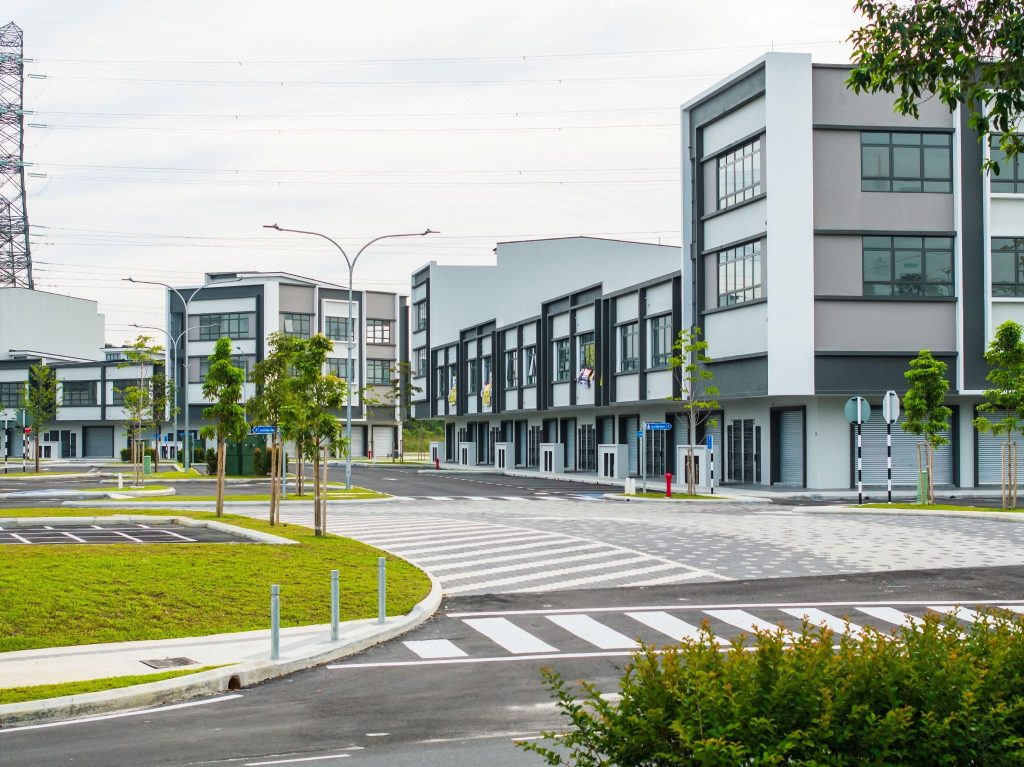
2. Adaptive reuse of ageing commercial stock: Unsold commercial precincts or older suburban shop-lots can be retrofitted into urban co-housing blocks. Converting unused upper levels of suburban shophouses into self-contained private suites connected to a central kitchen and atrium offers a cost-effective, transit-oriented pathway for young professionals.
3. Private developer - cooperative hybrids: Forward-thinking developers can dedicate a specific block or precinct within a larger masterplan township as a co-housing parcel. In this hybrid model, the developer handles civil construction while an organised cooperative of buyers co-designs the internal layout, common rooms and governance rules.
Co-habitat housing is far more than an imported Western trend but a modern architectural translation of Malaysia's native community roots. While legal frameworks and bank financing models must evolve to support non-speculative, resident-led developments, the social and economic case for co-housing is compelling.
By marrying private homeownership with shared daily living, Malaysia has an opportunity to address urban isolation, lower living costs and redefine housing from a speculative financial asset into what it was always meant to be - a true sanctuary built on community.
This article was first published in StarBiz 7.
Stay ahead of the crowd and enjoy fresh insights on real estate, property development and lifestyle trends when you subscribe to our newsletter and follow us on social media.