Rising costs push developers toward lifestyle-driven housing
The idea that a fresh graduate can afford a 2,500 sq ft terrace house on an entry-level salary no longer holds up. Now in 2026, that version of the Malaysian dream has drifted out of reach for most first-time homebuyers. This is supported by data presented at the 18th Malaysian Property Summit 2026 (18MPS), organised by the Association of Valuers, Property Managers, Estate Agents and Property Consultants in the Private Sector Malaysia (PEPS), which makes that clear.
The market is not collapsing but it is changing in ways that matter for first-time buyers. A home is no longer just a physical asset; there is more to it. Increasingly, it is being packaged as a service-led product shaped around how Malaysians live, work and interact.
Malaysia’s economy continues to expand, with gross domestic product (GDP) projected to remain resilient at an estimated 4% to 4.5%, according to Socio-Economic Research Centre executive director Lee Heng Guie.
However, this microeconomic stability conceals the growing pressure at the household level, especially for first-time homebuyers. Lee notes that prolonged uncertainties and rising business costs are weighing on investment sentiment. At the same time, housing affordability challenges persist, compounded by ongoing demographic shifts.
Lee further concurred that with the weighted average lending rate hovering around 5%, the financial barrier to entry has become significantly steeper for young Malaysians. This has created what experts refer to as a divergent market.
National Property Information Centre (Napic) director Norhisham Shafie reported that while total transaction value rose by 12.5% to RM64.39bil by the third quarter of 2025, the number of properties sold declined by 3.5%.
In short, fewer people are buying but those who do are paying more for high-value assets. For first-time buyers, this widening price-income gap is forcing a reassessment of what constitutes an entry-level home.
The stale stock dilemma
A key factor shaping developer behaviour is the growing volume of unsold units. Napic data shows that 72% of unsold completed residential units are more than five years old, contributing to a total of RM17.25bil in unsold stock. Much of this falls into the category of stale inventory.
For buyers, this signals caution. For developers, it necessitates change.
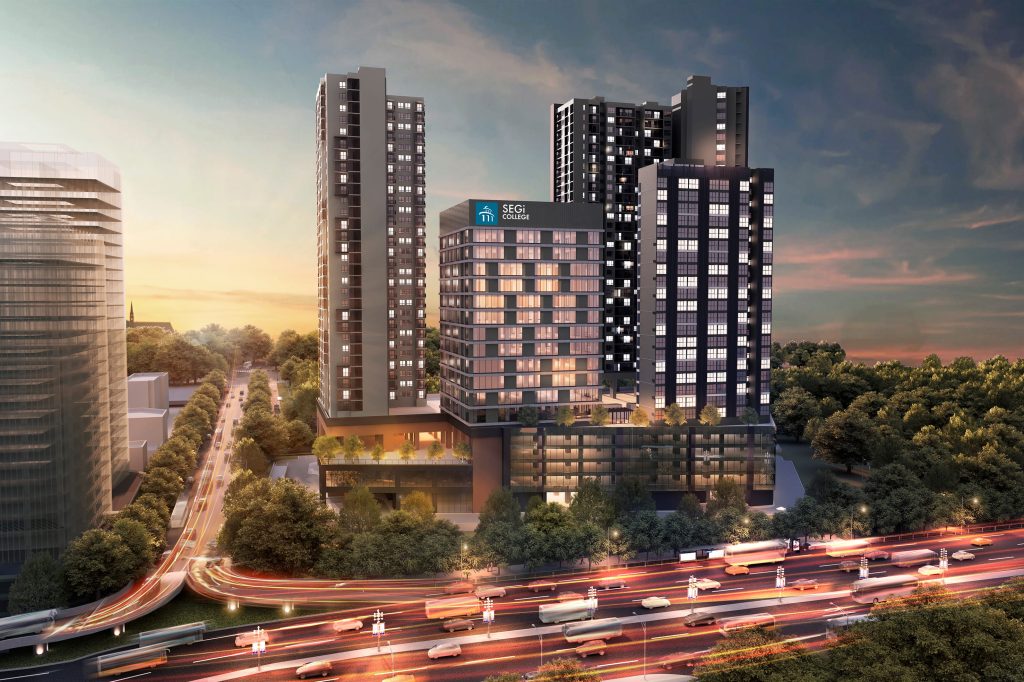
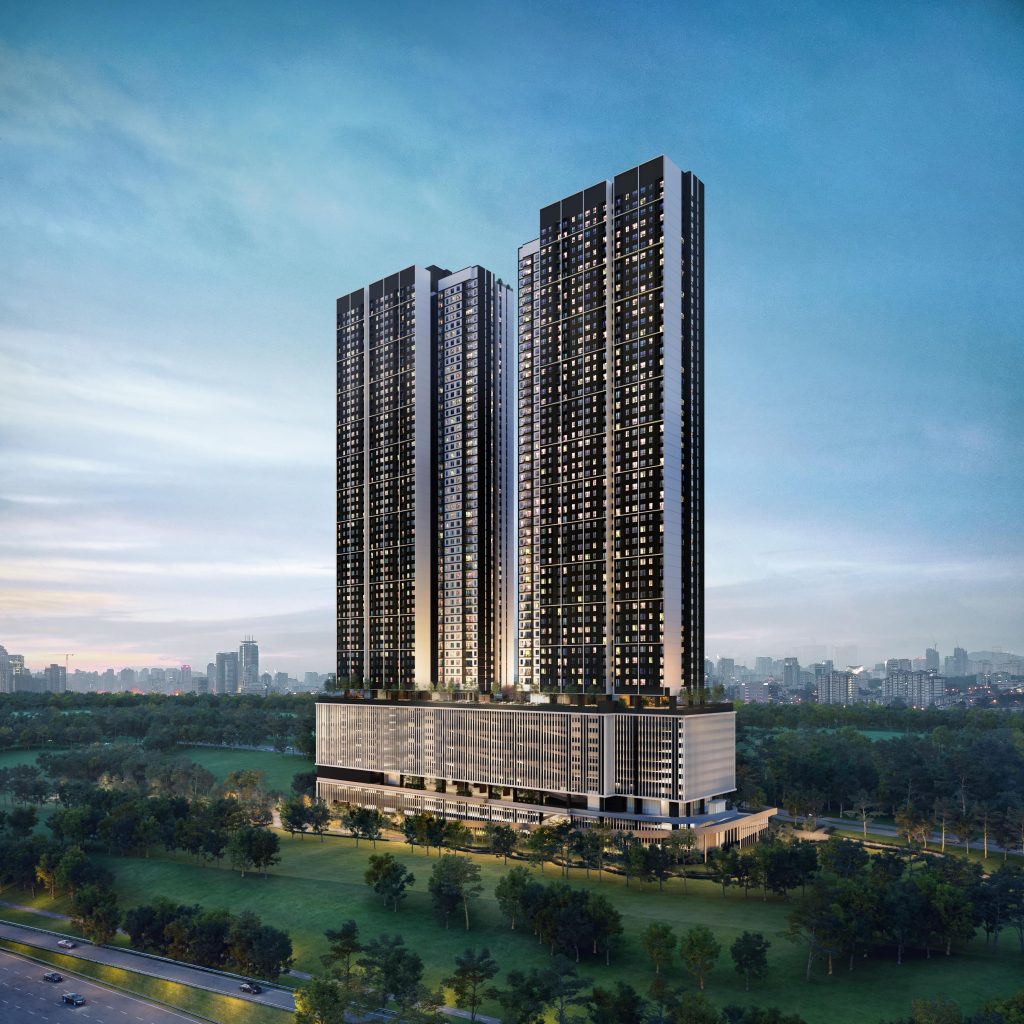
Developers are no longer building generic apartments because they simply do not move in today’s market. In response, developers are shifting away from conventional high-density products towards more differentiated offerings designed to maintain demand and liquidity.
The next-gen product pivot
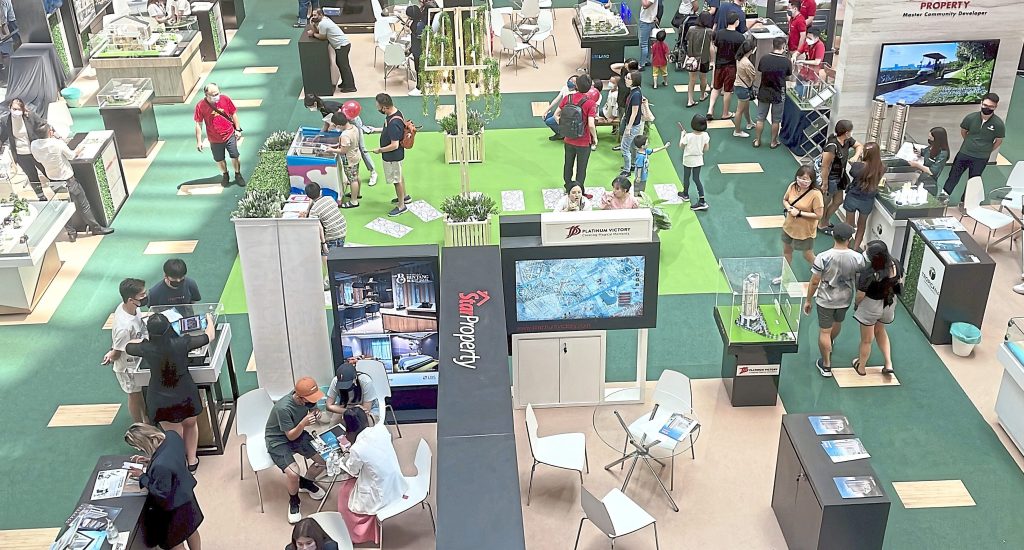
This shift is reflected in how new developments are being conceived and marketed. Future value is tied to experience creation, said Taylor’s University adjunct professor Dr Ong Kian Ming. Developers are now marketing projects not as homes but as ecosystems.
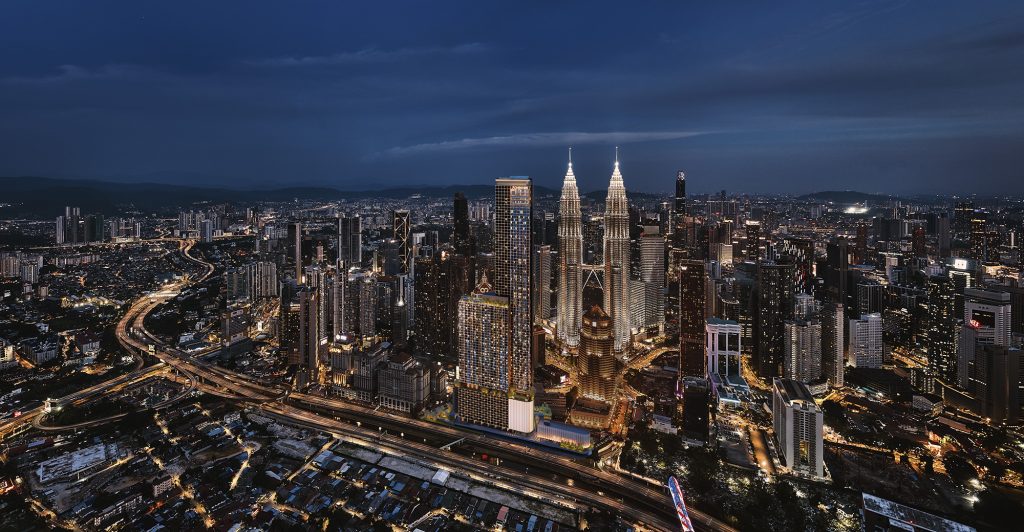
Examples include curated placemaking initiatives such as Gamuda Gardens, as well as mixed-use developments like Millerz Square which incorporate lifestyle-driven amenities, including retail spaces and specialised facilities such as professional jam studios.
Beyond high-rises, Prof Ong notes that this concept extends to specialised demographics, pointing to developments offering an active living lifestyle experience for seniors such as Millennia Village in Negeri Sembilan.
In Johor, educational and training activities are being baked directly into the residential blueprint, such as the Network School at Forest City, he explained.
He also cited the entry of dedicated co-living operators like The Assembly Place in Singapore as an indicator of how rental structures are actively gaining traction.
Landed property regains footing
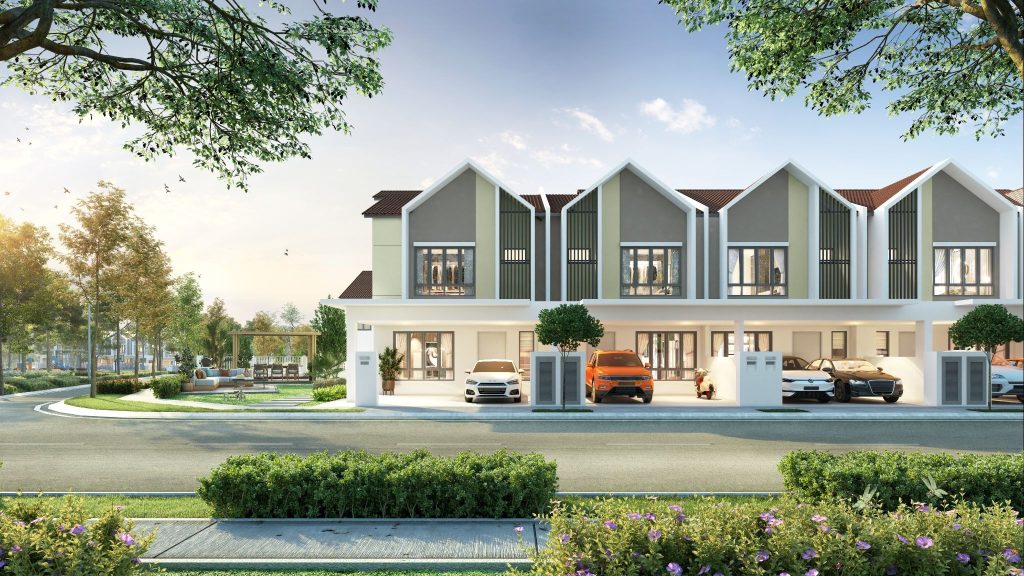
While high-rise developments are undergoing repositioning, landed residential properties continue to demonstrate relative resilience. Norhisham’s data confirms that landed property remains the safest asset class, with launch sales increasing by 22.5% and capital appreciation remaining positive at 0.8%. In contrast, high-rise residential values are under pressure, with a recorded decline of 2.6%.
Norhisham explains that with a massive supply spike of over 40,000 new serviced apartments currently in the pipeline, the risk of saturation is real.
In response, both developers and buyers are gravitating towards assets perceived to offer stronger value preservation. For first-time buyers, this increasingly points towards terraced homes in well-connected suburban locations, rather than higher-risk city-centre high-rises.
The sandbox future
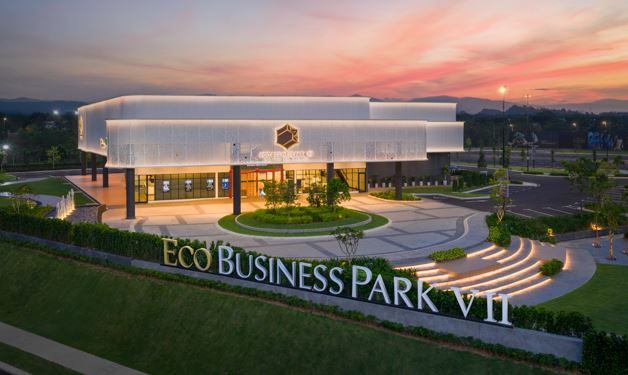
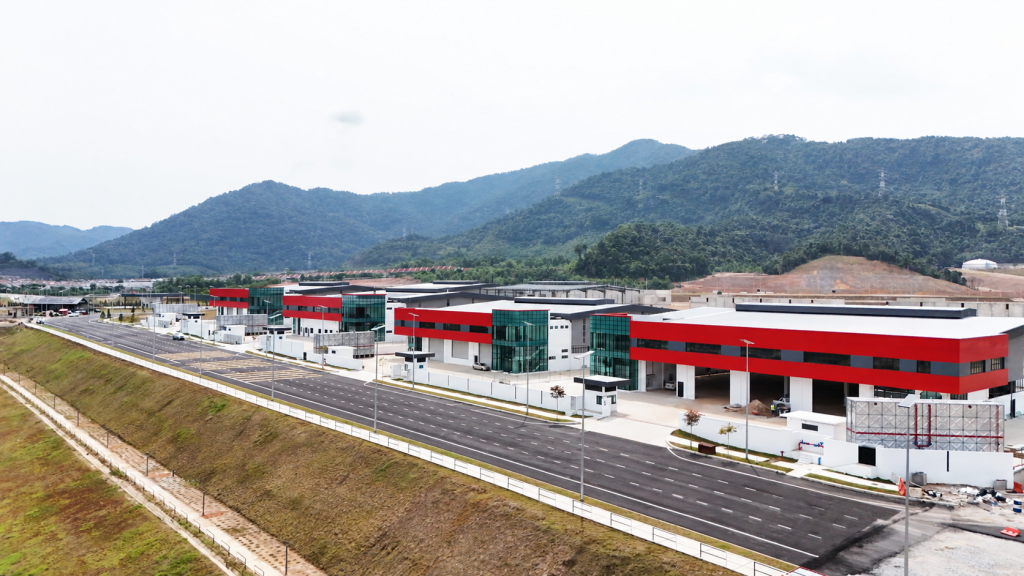
The shift towards integrated living is also influencing industrial and commercial property formats. Prof Ong highlights the emergence of sandbox environments within modern industrial parks, where occupiers can simultaneously live, work, experiment and innovate.
Prof Ong highlighted that modern parks are prioritising green and sustainable spaces with energy efficiency innovations, such as facilities for BESS assembly and testing.
They are also being designed with advanced logistics capabilities, including provisions for autonomous vehicles and drone-based delivery systems. Examples include projects by AME in Senai and NCT Alliance in Sepang.
To bridge the widening affordability gap, Prof Ong noted that digital and financial innovations are opening new doors. Real estate tokenisation and fractional ownership via platforms like urby.ai are creating accessible entry points. In parallel, property management is being enhanced through the use of artificial intelligence and NFT-based digital twins, enabling more efficient lease tracking and predictive maintenance to manage long-term costs.
Supply and demand balance
Despite the growing emphasis on lifestyle and innovation, pricing and affordability remain fundamental. Rahim & Co director of research Sulaiman Saheh emphasises that developers must align their products with the actual purchasing power of target buyers.
While aspirational elements can support marketability, they cannot compensate for mismatches between pricing, location and income levels. Achieving a sustainable market requires a careful balance between these factors.
First-time buyer verdict
For today’s first-time buyer, the property market no longer functions as a straightforward ladder. Instead, it resembles a multi-layered grid shaped by affordability constraints, evolving product types and shifting demand patterns.
The implications are clear. Landed properties offer relative stability and long-term value preservation. High-rise developments, meanwhile, are increasingly positioned as service-driven products, where value is tied to lifestyle, convenience and ongoing management.
New entry pathways such as co-living arrangements and tokenised ownership, are expanding the definition of property access. As Lee puts it, the market is reshaping through alternative assets and adaptive reuse. For the Malaysian first-time buyer, purchasing a first home is no longer solely about ownership. It is about selecting an asset or ecosystem that can remain viable amid changing economic conditions.
Stay ahead of the crowd and enjoy fresh insights on real estate, property development and lifestyle trends when you subscribe to our newsletter and follow us on social media.