By Joseph Wong
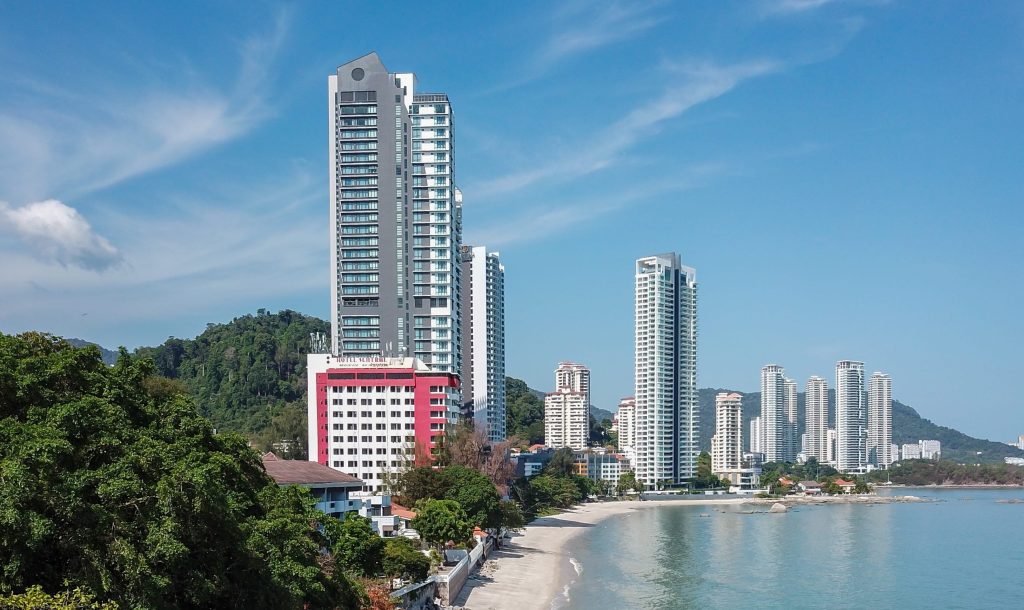
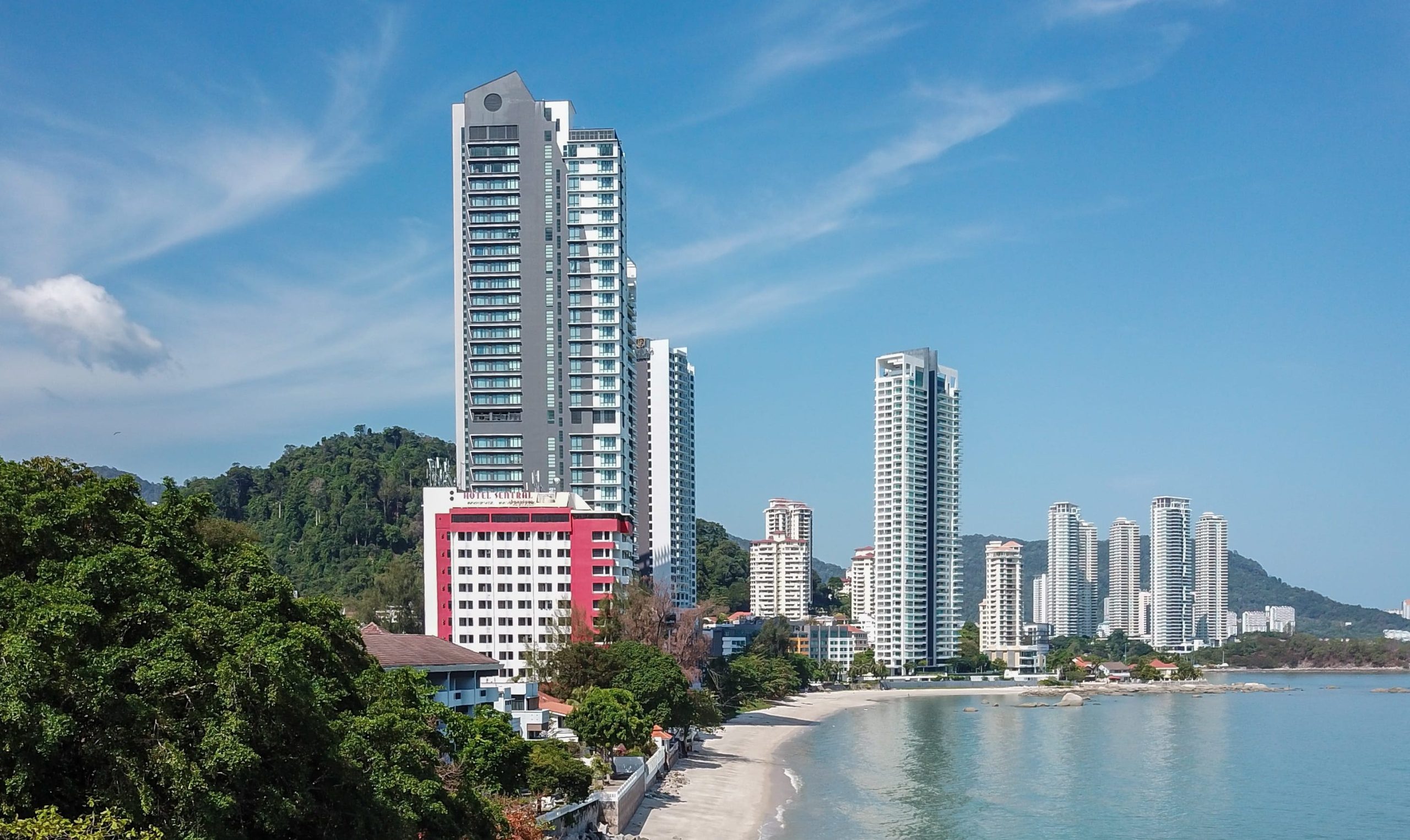
The romantic allure of owning a seaside retreat is almost universal. Millions of people dream of waking up to the rhythmic sound of crashing waves, stepping onto a sun-drenched balcony and inhaling the crisp, salty ocean breeze. A beachfront or coastal home represents the pinnacle of resort-style living, offering unparalleled sunset views, instant access to the surf and a tranquil escape from urban congestion.
Yet, behind the picturesque floor-to-ceiling glass doors and coastal aesthetic lies a harsh physical reality because nature is constantly trying to reclaim the coastline. Owning a home by the sea comes with a hidden tax, one paid not only in money but in relentless time and effort.
On average, seaside and beachfront residences require nearly double the routine cleaning, protective upkeep and structural maintenance of their inland counterparts. Understanding the science behind coastal degradation and establishing a strict maintenance schedule is essential for keeping the dream from turning into a costly maintenance nightmare.
Coastal homes deteriorate faster
The very environment that makes coastal living so appealing is precisely what wages war on a building’s materials. Four primary environmental forces drive accelerated wear and tear on seaside properties, namely airborne saltwater corrosion, UV sunlight and surface blistering, windblown sand filtration and high humidity, mould and mildew.
Ocean spray and coastal fog contain microscopic salt particles carried inland by sea breezes. When airborne salt settles on metal surfaces, it acts as a powerful catalyst for oxidation. Metal fixtures, door hinges, window latches, outdoor lighting and structural railings rust and degrade between 30% and 60% faster along the coastline than they do inland. Outdoor air-conditioning condenser units are especially vulnerable as salt accumulation on sensitive aluminium fins and copper coils can drastically reduce cooling efficiency and cause complete system failure in a fraction of their expected lifespan.
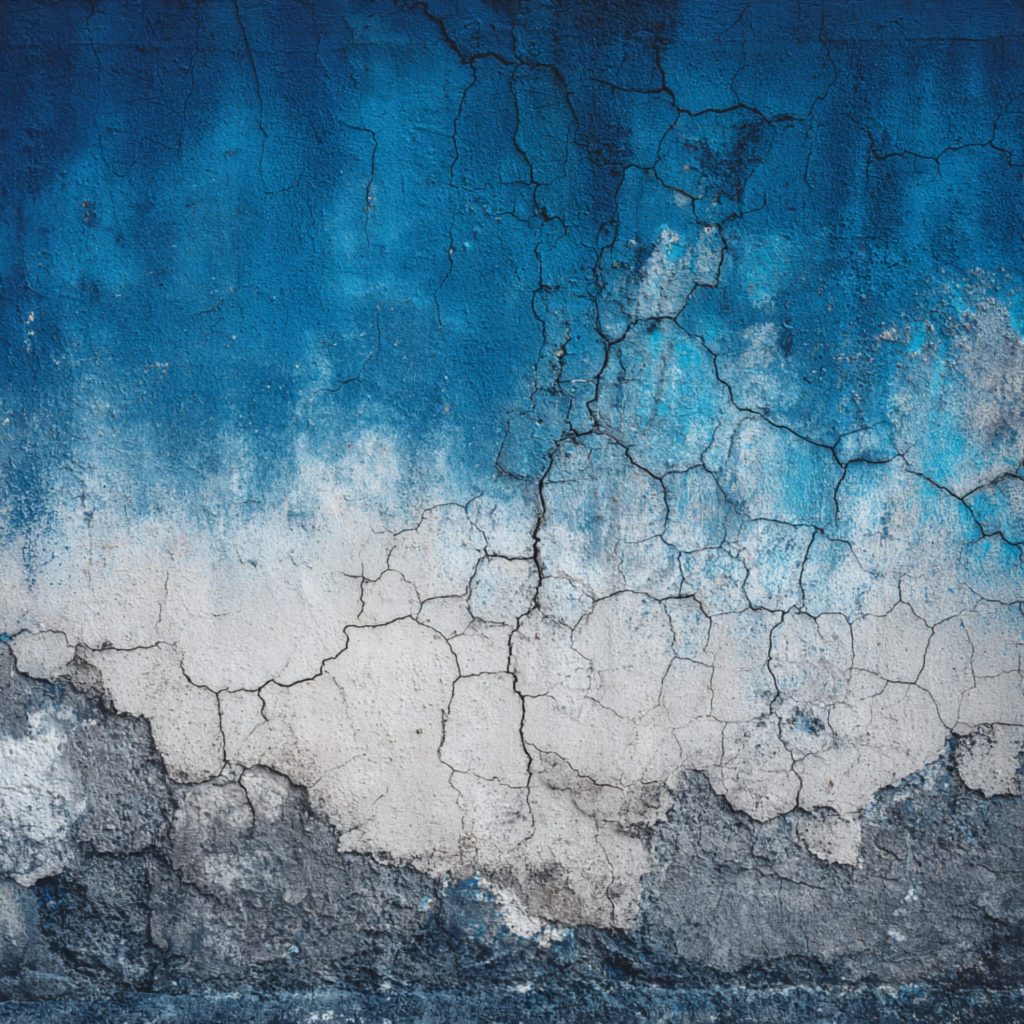
Moreover, the sea acts as a giant mirror, amplifying the intensity of ultraviolet radiation along coastal shores. Combined with airborne salt crystals that embed themselves into porous materials, sunlight rapidly breaks down chemical bonds in exterior paint, stucco and wood finishes. Over time, untreated surfaces begin to blister, crack, peel and fade. Without frequent fresh-water washdowns, salt crystals expand and contract with humidity shifts, physically spalling exterior coatings.
In addition, fine marine sand is exceptionally abrasive and remarkably mobile. Driven by coastal winds, sand easily finds its way into sliding door tracks, window channels, hinges and outdoor drainage grates. Beyond being an aesthetic nuisance, accumulated grit acts like liquid sandpaper, wearing down mechanical rollers and scratching glass panels. Left uncleaned, clogged drainage tracks trap moisture, accelerating frame corrosion and leaking into interior flooring.
Finally but not least, living near a large body of water guarantees elevated relative humidity year-round. Damp marine air penetrates building envelopes, creating ideal breeding grounds for mould, mildew and persistent musty odours. Beyond damaging drywall, soft furnishings and timber framing, indoor dampness forces air-conditioning systems to work significantly harder, increasing energy costs and requiring frequent mechanical servicing.
Essential coastal maintenance timelines
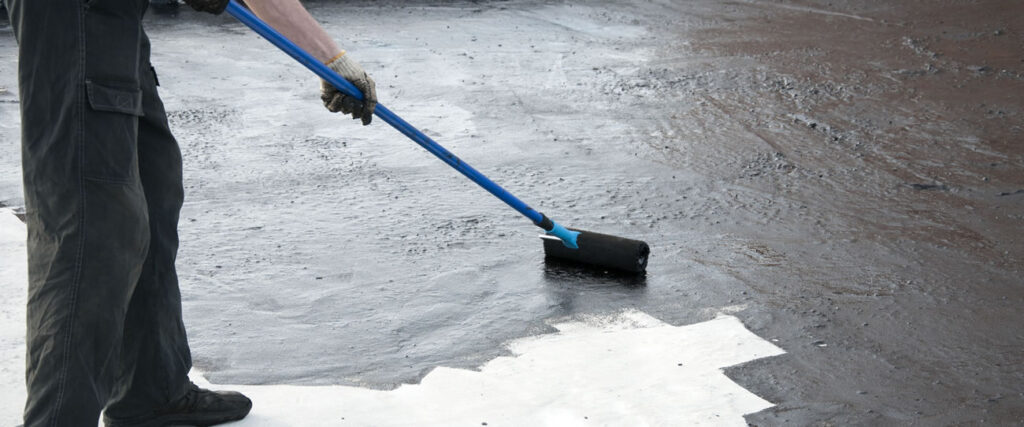
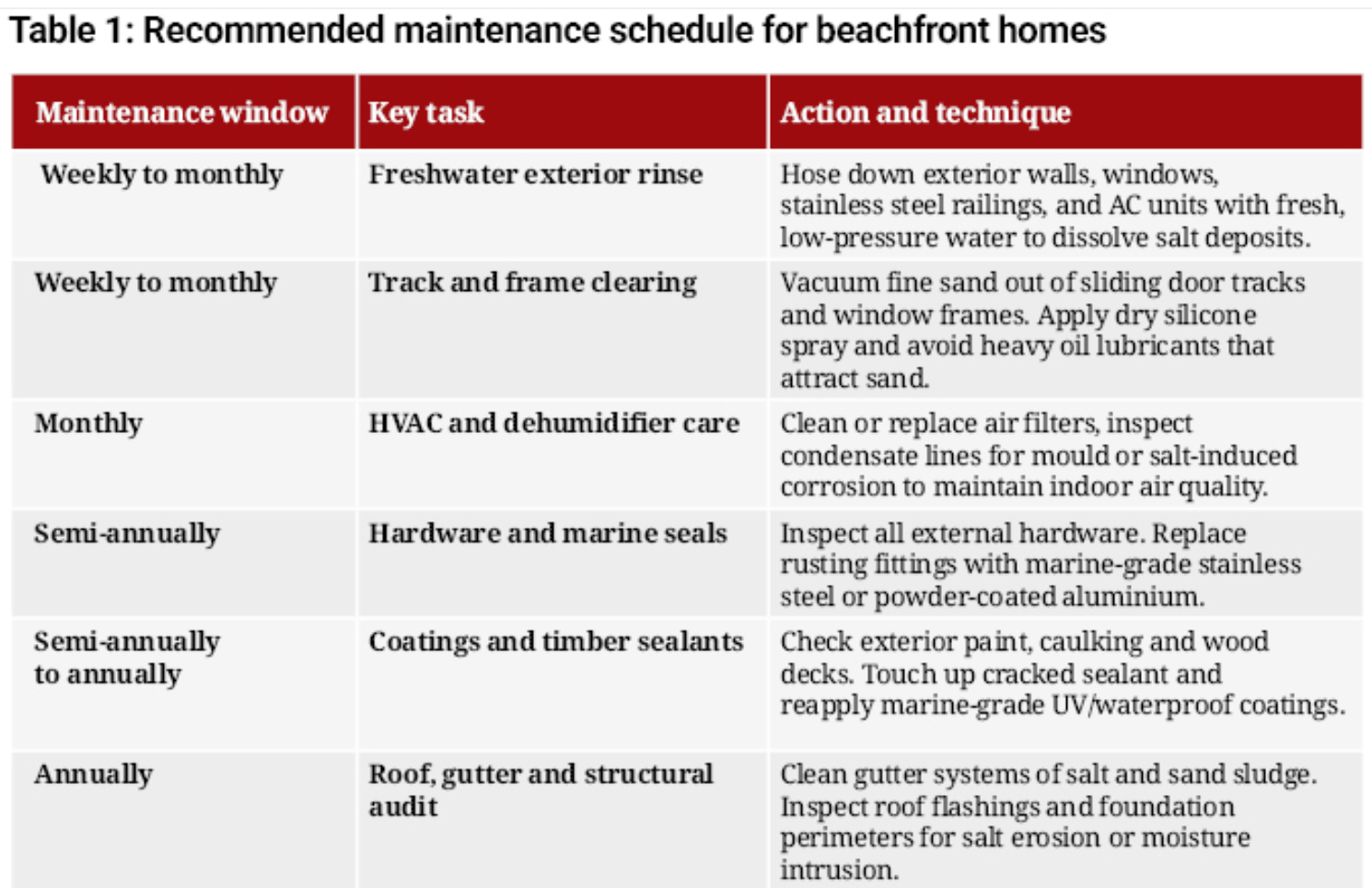
To preserve structural integrity and aesthetic value, coastal homeowners must move from reactive repairs to a disciplined, preventative upkeep routine. Table 1 is a detailed maintenance schedule designed to counter coastal decay.
Is the paradise worth the effort?
Living by the sea offers extraordinary lifestyle benefits like breathtaking horizons, outdoor recreation and a daily connection to nature that inland living simply cannot replicate. It is proven to provide profound mental and emotional benefits, largely driven by the blue space effect. Research shows that proximity to the coast triggers psychological restoration as the natural rhythm of ocean waves activates the parasympathetic nervous system, lowering cortisol levels to reduce stress and anxiety.
Furthermore, coastal air is charged with negative ions which enhance oxygen absorption and balance serotonin, helping regulate internal sleep cycles and adding an average of 47 minutes of deep sleep per night while unlocking cognitive capacity for mood enhancement and creative inspiration.
Beyond mental well-being, coastal environments naturally foster superior physical health, stronger immunity and connected communities. The coastline encourages an active lifestyle through watersports and beach walks while elevated sunlight exposure boosts essential vitamin D levels to strengthen immune defences and reduce inflammation. Inhaling mineral-rich sea air, which is packed with iodine, potassium and magnesium, purifies the lungs and eases respiratory issues. Additionally, coastal towns cultivate a relaxed pace of life and tight-knit social networks, serving as a powerful social leveller that bridges health inequality across income groups.
The downside is that a luxury seaside home is only as permanent as the maintenance program protecting it. By accepting that coastal homes demand nearly twice the upkeep, budgeting for marine-grade materials and executing a rigorous washing and inspection routine, home owners can protect their real estate investment and enjoy the ocean views without the stress of premature decay.
This article was first published in StarBiz 7.
Stay ahead of the crowd and enjoy fresh insights on real estate, property development and lifestyle trends when you subscribe to our newsletter and follow us on social media.