By Joseph Wong
When evaluating real estate, buyers often focus on location, square footage, floor plans and interior finishes. However, long before a prospective buyer steps through the front door, another crucial variable anchors their perception: the exterior facade colour.
Far from a purely aesthetic choice, the colour and material finish of a building's exterior directly influence market value, buyer psychology, maintenance expenditure and overall sales velocity. Whether selling a single-family bungalow or launching a multi-block residential township, developers and homeowners alike must navigate how facade choices shape valuation and buyer decision-making.
In real estate sales, curb appeal is not an abstract design concept but a measurable financial driver. Studies across real estate markets show that properties with high curb appeal can command price premiums between 5% and 11% higher than comparable homes with neglected exteriors.
The facade is a property's visual handshake. Human psychology dictates that visual judgments form within the first seven seconds of viewing a structure. A well-curated exterior palette conveys structural quality, architectural care and prestige. Conversely, a clashing or outdated colour scheme creates subconscious hesitation, signalling to buyers that the interior may be similarly unmaintained or poorly planned.
Cultural nuances, feng shui and superstition
In multicultural property markets, particularly across Malaysia and Asia, cultural beliefs and superstitions exert a tangible impact on real estate demand. Ignoring these cultural preferences can alienate significant buyer segments and delay sales transactions.
- Red and gold: Associated with prosperity, joy and fortune in Chinese culture. Accent elements incorporating warm brick, terracotta or warm gold tones often evoke positive energy without overwhelming the exterior design.
- White and pale tones: While clean white facade schemes are popular in modern minimal architecture, pure stark white without warmth or textural contrast can be associated with mourning or coldness in certain traditional communities.
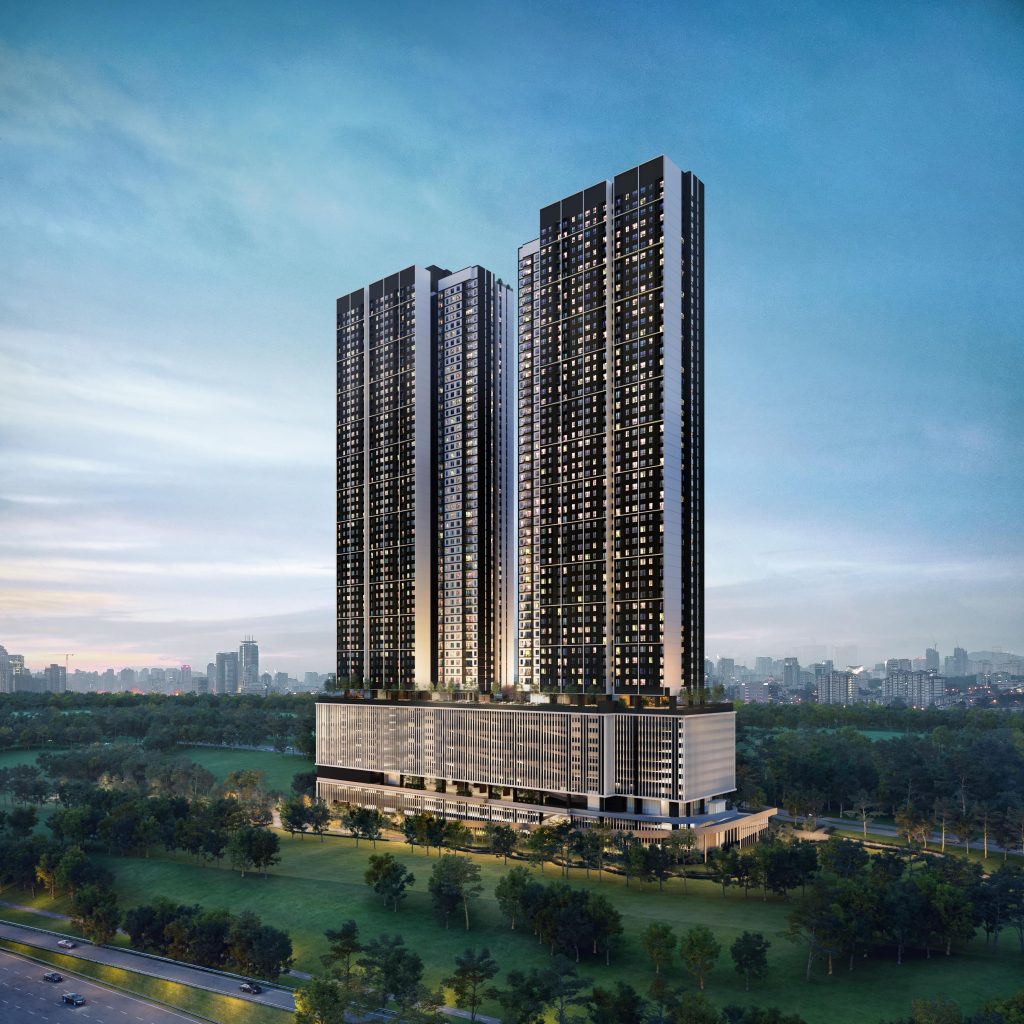
- Dark blues and blacks: Dark, moody exteriors have gained popularity in modern industrial architecture. However, excessive black or overly dark grey facades can be perceived as heavy, oppressive or drawing negative energy (Yin) under traditional feng shui principles.
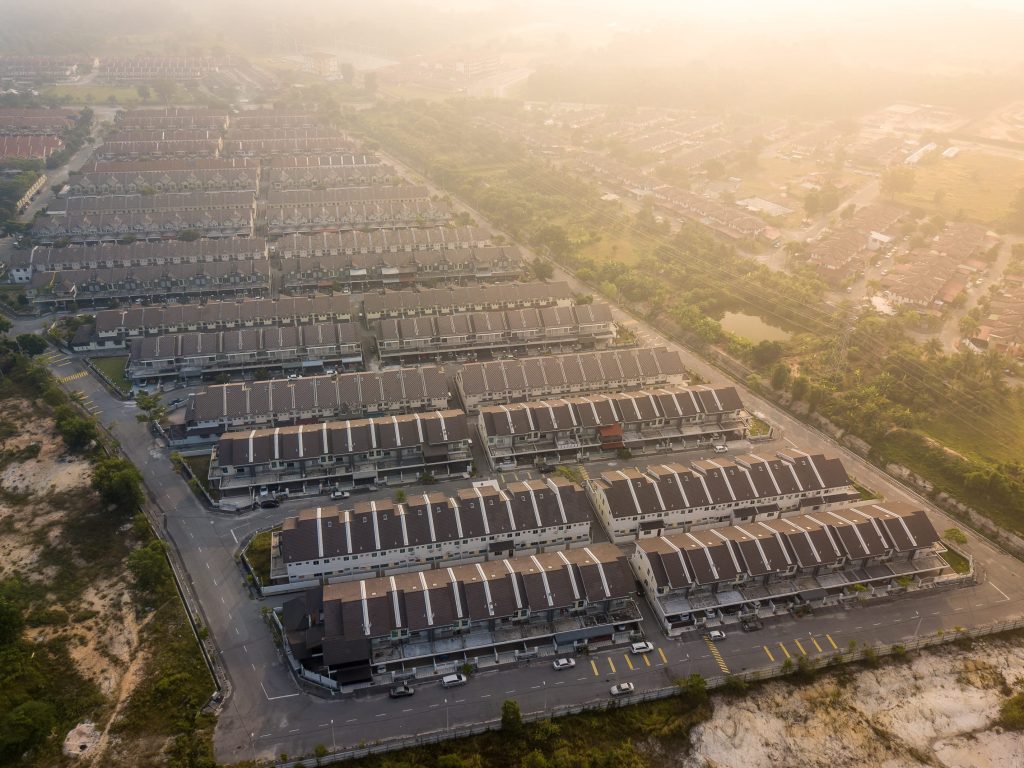
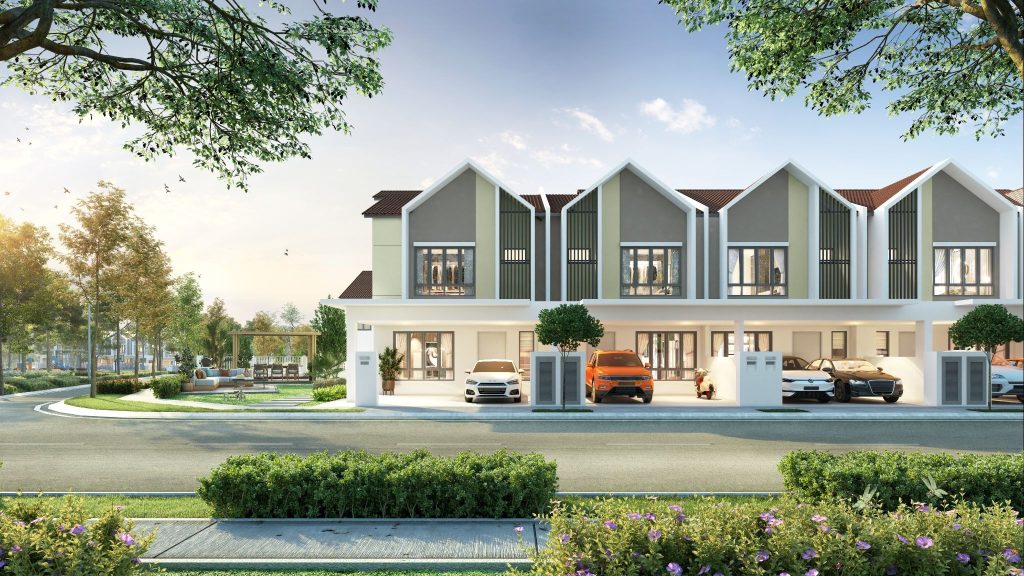
For developers launching major residential projects, adopting balanced, universally welcoming palettes such as warm stone, off-white, olive and earthy taupe helps mitigate cultural objections and maintains broad buyer appeal.
The low-cost housing association risk
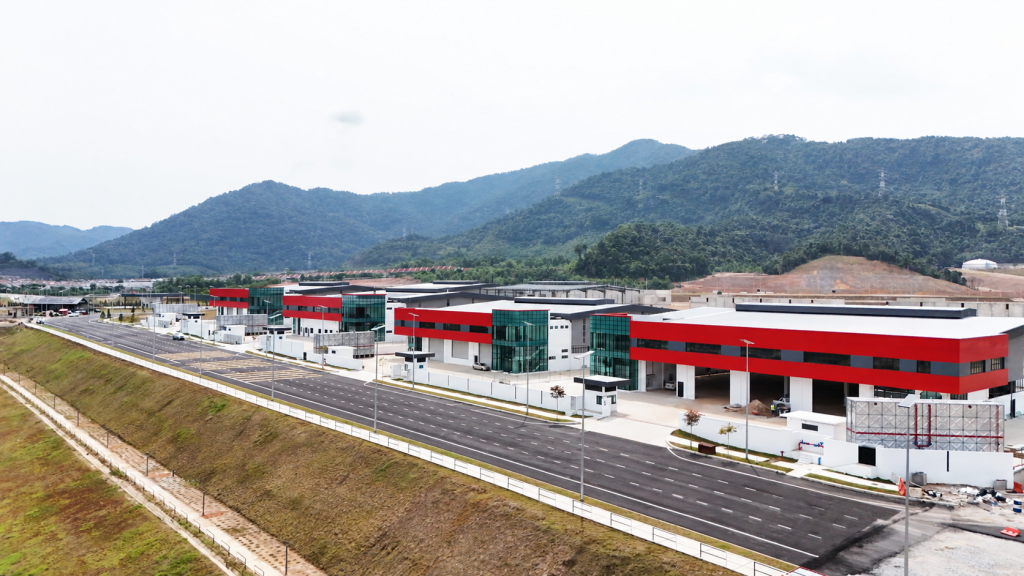
A common pitfall in exterior property management is accidentally mimicking the visual language of low-cost housing or outdated public flats, police or army barracks or firemen’s apartments.
Historically, municipal authorities and low-cost housing schemes used specific high-contrast primary colours such as harsh mustard yellows, bright cobalt blues or stark teal greens primarily because cheap, unpigmented industrial paints were readily available in those shades.
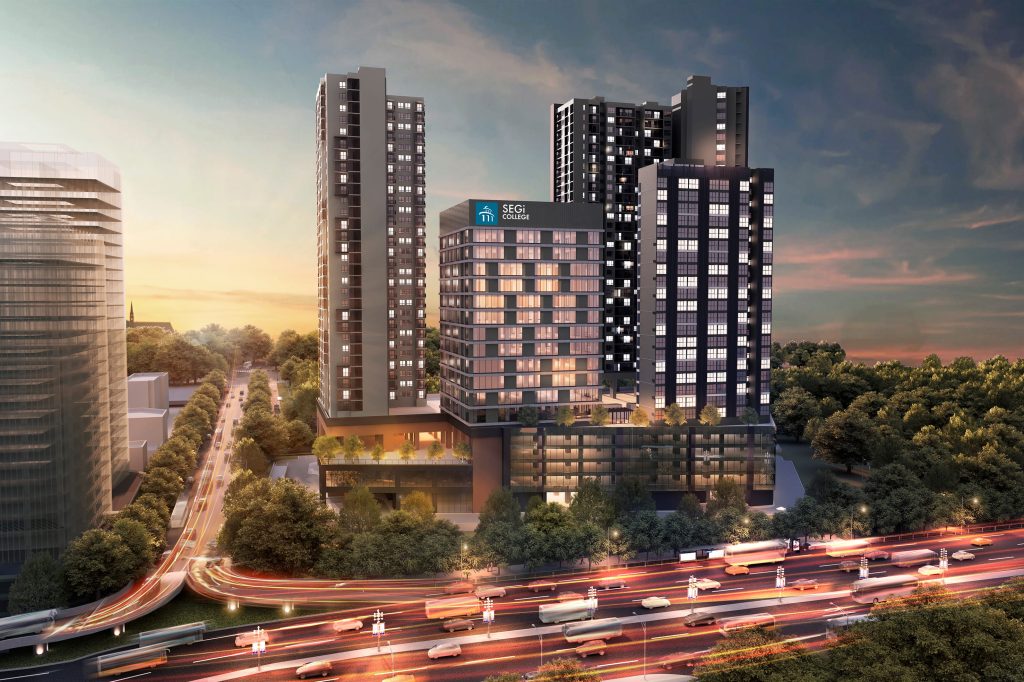
When a middle-tier or luxury residential project incorporates unrefined, highly saturated colour blocks, buyers subconsciously associate the building with lower-grade public housing. This perception directly undermines developer pricing power, lowers appraisal values and reduces rental yields for buy-to-let investors.
The thermal factor
Beyond aesthetics and branding, facade colours play an active role in a building’s thermodynamic performance and energy efficiency. Darker shades absorb up to 80% to 90% of solar radiation, transferring excessive thermal energy directly into the concrete or masonry envelope. In tropical environments, this heat transfer dramatically increases indoor temperatures, forcing cooling systems to work harder and driving up electricity bills for residents.
Light-toned facades, conversely, function as solar reflectors. By utilising High Solar Reflectance Index (SRI) paints and pale palettes, property owners can lower exterior wall surface temperatures by as much as 10°C. This passive cooling effect reduces air conditioning consumption, aligns with modern ESG standards and enhances overall living comfort—a compelling selling point for eco-conscious home buyers and institutional investors alike.
The hidden costs of cheap paint
Choosing an exterior finish is not merely a matter of initial application cost, as it carries long-term operational and maintenance consequences for homeowners and Joint Management Bodies (JMBs).
Opting for low-grade exterior paint to save on initial capital expenditure (CapEx) frequently results in substantial long-term operational costs (OpEx):
- UV degradation and pigment fading: Low-cost paints lack UV-resistant binders and high-grade titanium dioxide pigments. Under harsh tropical sun and rain, dark or bright cheap paints fade unevenly within 18 to 24 months, making the facade look aged and neglected.
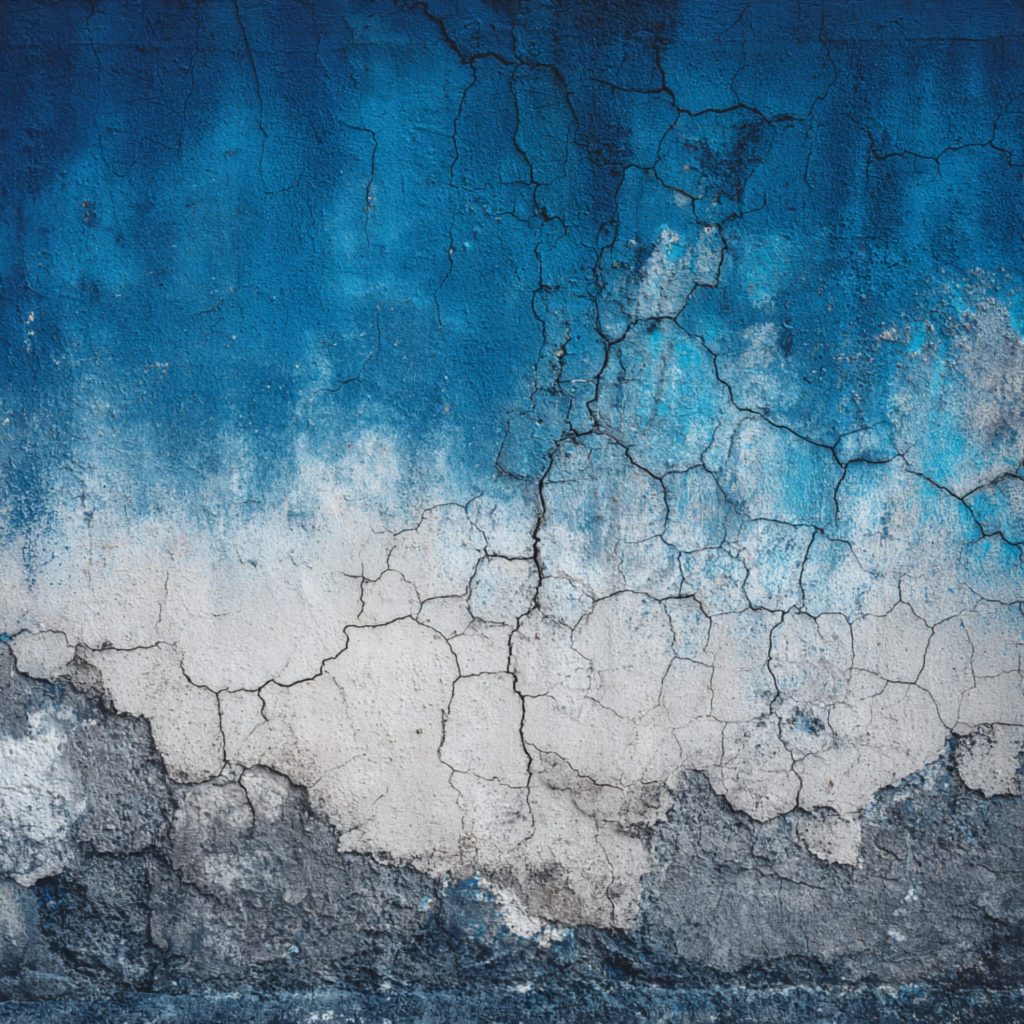
- Moisture trapping and peeling: Quality exterior coatings utilise elastomeric or siloxane-based formulations that allow the building envelope to breathe while repelling rainwater. Cheap acrylic paints trap atmospheric moisture behind the film, leading to unsightly blistering, chalking and peeling.
- Algae and fungal growth: In humid climates, cheap paint formulas quickly succumb to dark streak lines caused by black algae (Gloeocapsa magma) and fungal spore growth, requiring frequent pressure washing and repainting every three years instead of every eight to ten years.
Does the colour of a property's facade matter? Absolutely. It impacts buyer psychology, cultural acceptance, thermal efficiency, maintenance expenditure and overall market liquidity.
To maximise property value and ensure sustained curb appeal, property owners and developers should follow three core guidelines:
- Prioritise muted, natural tones: Utilise neutral foundations (warm greys, soft whites, sandstone) with natural timber or stone accents to ensure timeless appeal.
- Respect local market demographics: Ensure exterior colour selections honour local cultural preferences and avoid high-risk colour combinations that signal poor maintenance or resemble municipal public flats.
- Invest in premium weatherproof coatings: Specify high-performance, dirt-pickup-resistant (DPUR) and elastomeric exterior coatings to extend repainting cycles and preserve building capital value over the long term.
This article was first published in StarBiz 7.
Stay ahead of the crowd and enjoy fresh insights on real estate, property development and lifestyle trends when you subscribe to our newsletter.