
Expensive serviced apartments at the RTS-CIQ node have front-loaded their price appreciation
By Yip Wai Fong
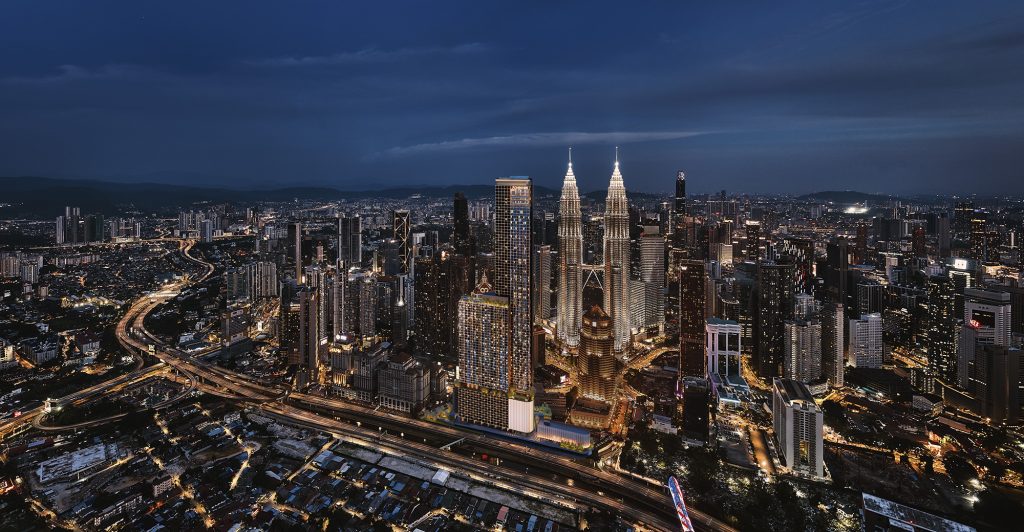
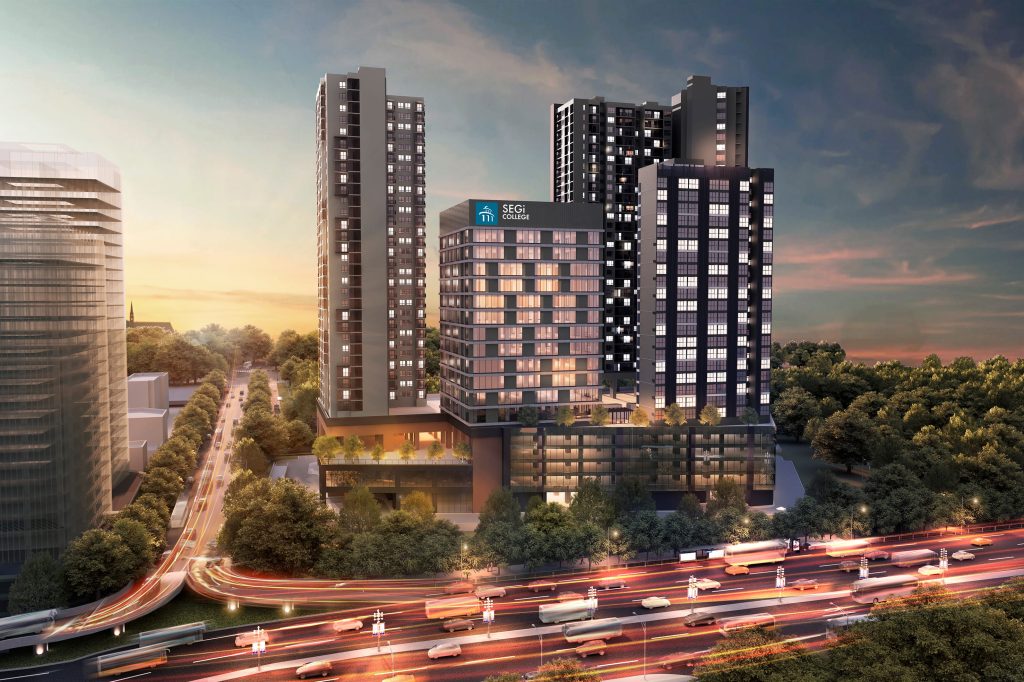
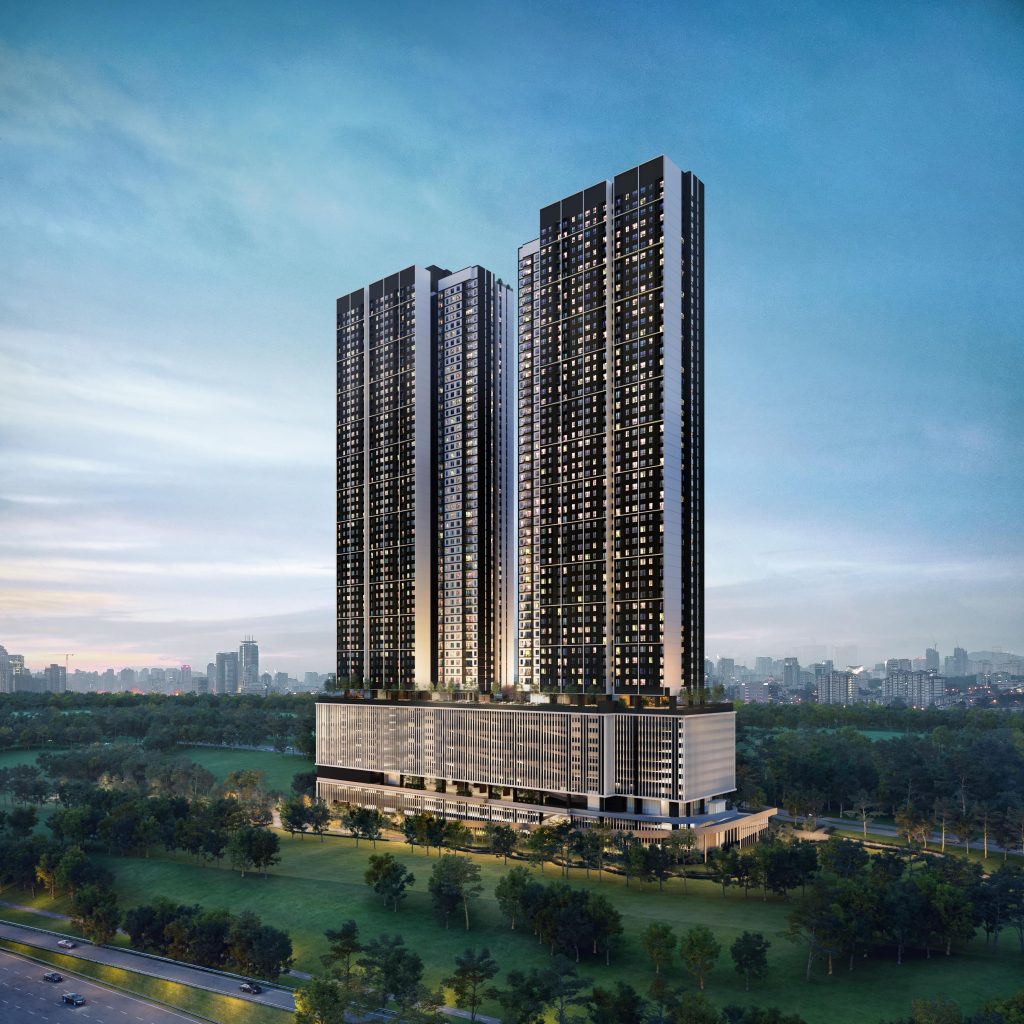
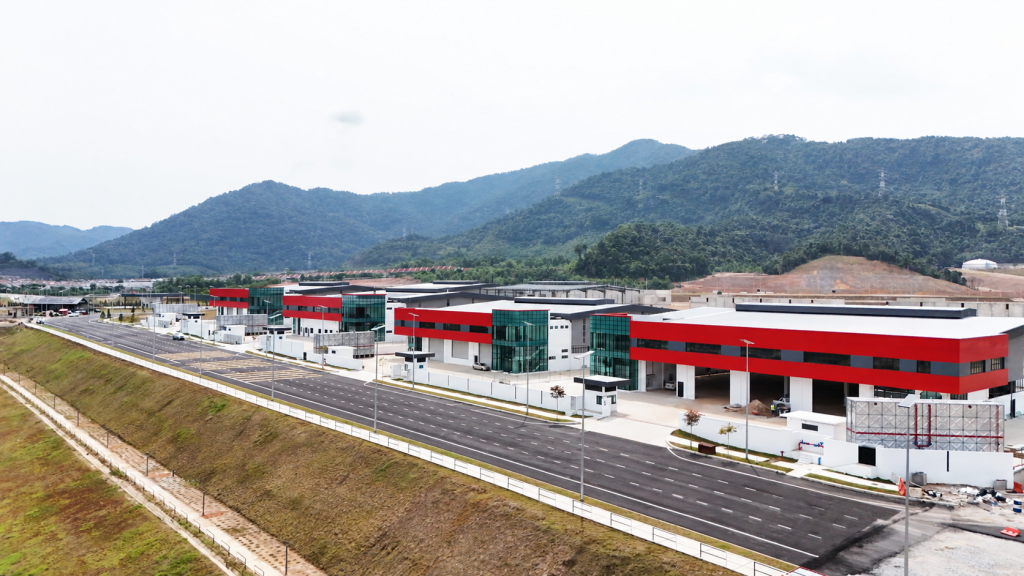
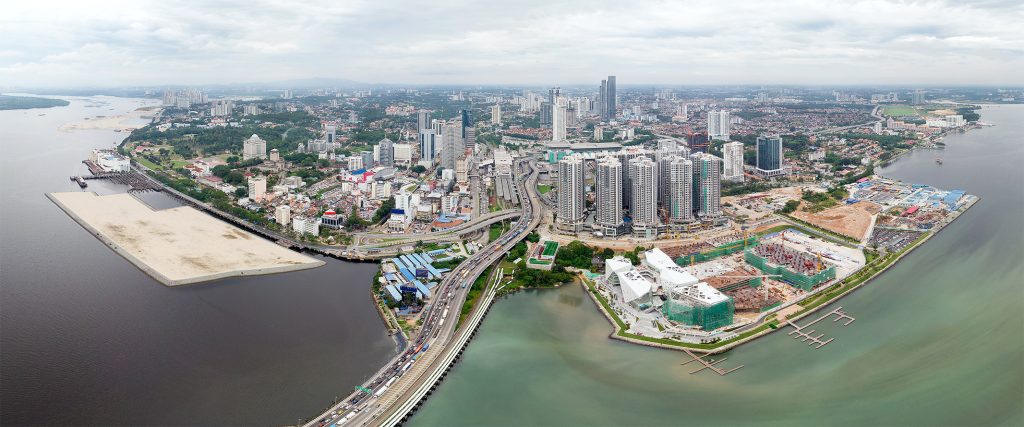
With only 12 months left before Rapid Transit Link (RTS) in Bukit Chagar, Johor Bahru, is completed, properties in the surrounding area are seeing a meteoric rise in prices. A long line of serviced apartment launches, from developers such as Majestic Gen, Astaka Kimlun, R&F Development and Tropicana Corp, has reached about RM1,500 psf. Market observers noted that while property prices have seen upward movement of late, thanks to the positive sentiment of the Johor-Singapore Special Economic Zone (JS-SEZ), the Bukit Chagar-Customs, Immigration and Quarantine (CIQ) Complex node is seeing a price momentum not seen elsewhere.
Are the bright days sustainable in the long run, reflecting the true potential of the southern region? Can it prove itself as not a repeat of the previous boom cycles marred by oversupply?
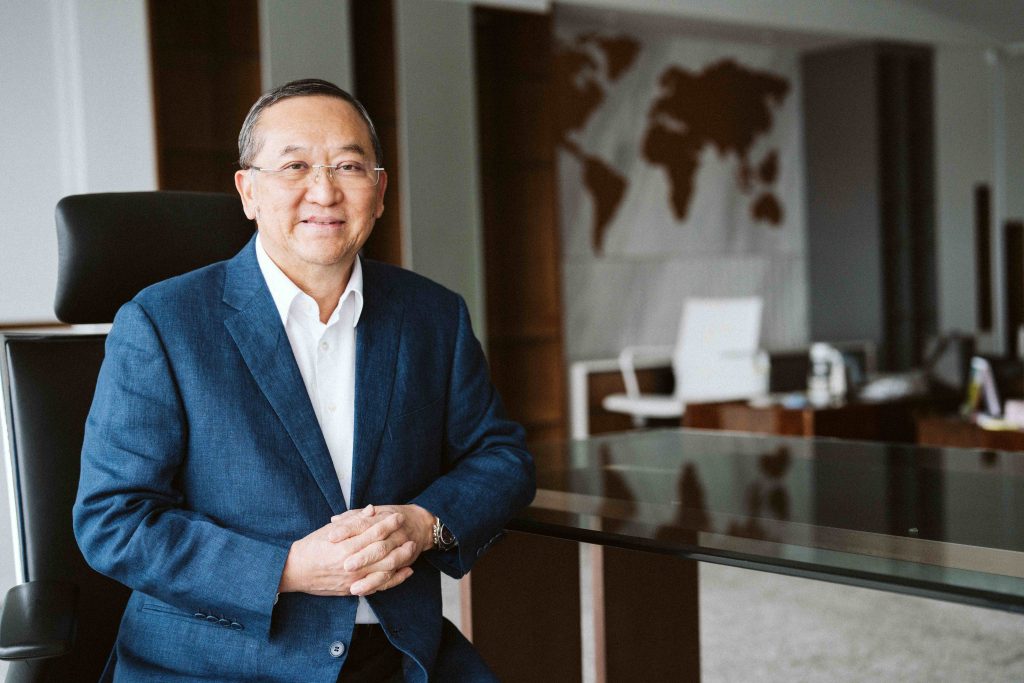
Acknowledging that the enhanced connectivity to Singapore brought about by RTS is a true game changer, Olive Tree Property Consultants founder and chief executive officer Samuel Tan, however, is cautious of the level of exuberance, noticing that the trophy asset mentality is also present as one of the drivers.
“Proximity to the CIQ is the top factor as it unlocks specific demand segments. As for the trophy asset mentality, this dominant demand currently is investment-driven, fuelled by the RTS narrative. Buyers are acquiring units as a trophy asset before the RTS completion, as a symbol and as a high-potential investment, betting on future capital appreciation and rental yields,” he told StarProperty.
“The trophy asset mentality can lead to a disconnect between purchase prices and achievable rental yields, potentially resulting in an investment yield gap,” he added.
Rahim & Co International research and consultancy services director Sulaiman Saheh, noting that the current price jump is unique to the Bukit Chagar-CIQ node, also concurs that the trophy asset mentality and speculative purchase factors are present. However, Sulaiman said the market in the area also enjoys strong fundamentals.
“The proximity to Singapore, the sheer population size of Malaysians working in Singapore as well as the properties’ appeal to High Net Worth Individuals (HNWIs) remains a strong narrative for property demand in the area,” he said.
CBRE WTW Johor Bahru director Jonathan Lo opined that the significant gaps in property prices between Singapore and Malaysia are a more potent driver behind the serviced apartment supply and demand. During the presentation of the CBRE WTW 2026 Market Outlook report, Lo said the serviced apartment sector in Iskandar Malaysia as a whole is entering the year on a firm footing, supported by stable yields that reflect occupiers’ demand.

“Proximity of access to Singapore, combined with a significant price gap compared to comparable Singapore city-fringe products, essentially creates a strong demand trigger. This demand is driven by both investment and owner-occupation, fuelling the mushrooming of serviced apartments in the area,” he said.
What happens post-RTS completion?
According to CBRE WTW data, the future supply of high-rise units in Iskandar Malaysia after the RTS completion remains strong, peaking in 2029 with 32,783 units. Lo is cautiously optimistic about the market’s capacity to absorb the supply.
“The key risk lies in a large volume of projects completing just after the RTS and JS-SEZ narrative has already been priced in. This means the news and expectations are capitalised into launch prices before actual demand materialises, which could pressure absorption during the 2027-2029 period,” he said.
Tan, however, warned of significant risk at the Bukit Chagar-CIQ node.
“The sheer volume of new serviced apartments concentrated in a small area poses a significant absorption risk. Success will depend on the actual volume and efficiency of cross-border commuters, rental affordability (vis-a-vis Singapore rents) and diversification of demand.
“The latter includes attracting businesses to set up offices in Johor Bahru and drawing more local upgraders as well as attracting first-time homebuyers to invest in the smaller units,” he explained.
“The market will absorb supply in phases, with prime projects closest to the RTS station thriving while poorly located or lower-quality projects may struggle with occupancy and downward pressure on rents/prices,” he added.
Sulaiman said the continuation of a strong labour market in Singapore will be one of the keys to the absorption of future supply; another key is whether Johor is successful in creating sufficient numbers of high-paying jobs.
“The floodgate of high-end properties needs to be controlled by looking into whether it matches the demand and whether we have enough high-paying jobs locally to support the market,” he said, advocating for prudent market studies to be undertaken by developers and end-financiers. For the state authority, Sulaiman proposed that it should look into area-specific property supply and demand in order to come up with a targeted measure, as well as improving the last-mile connectivity for genuine occupiers who commute to Singapore but cannot afford to live in close proximity to the RTS.

Observing that the current property boom is uneven and is hyper-sensitive to cross-border relations, immigration policies and tax regulations from both Malaysia and Singapore, Tan warned against over-reliance on a single narrative.
“Johor’s current boom, particularly at the CIQ, is rational in its drivers but carries significant speculative risk. The RTS is a genuine game-changer but the market may have front-loaded too much of its price appreciation in anticipation.
“Investors should focus on projects with real occupier fundamentals, sustainable yields and not just the RTS proximity tagline. The lessons from the previous boom caution against unchecked exuberance and highlight the importance of diversified, organic demand or basically market fundamentals,” he said.

Stay ahead of the crowd and enjoy fresh insights on real estate, property development and lifestyle trends when you subscribe to our newsletter and follow us on social media.