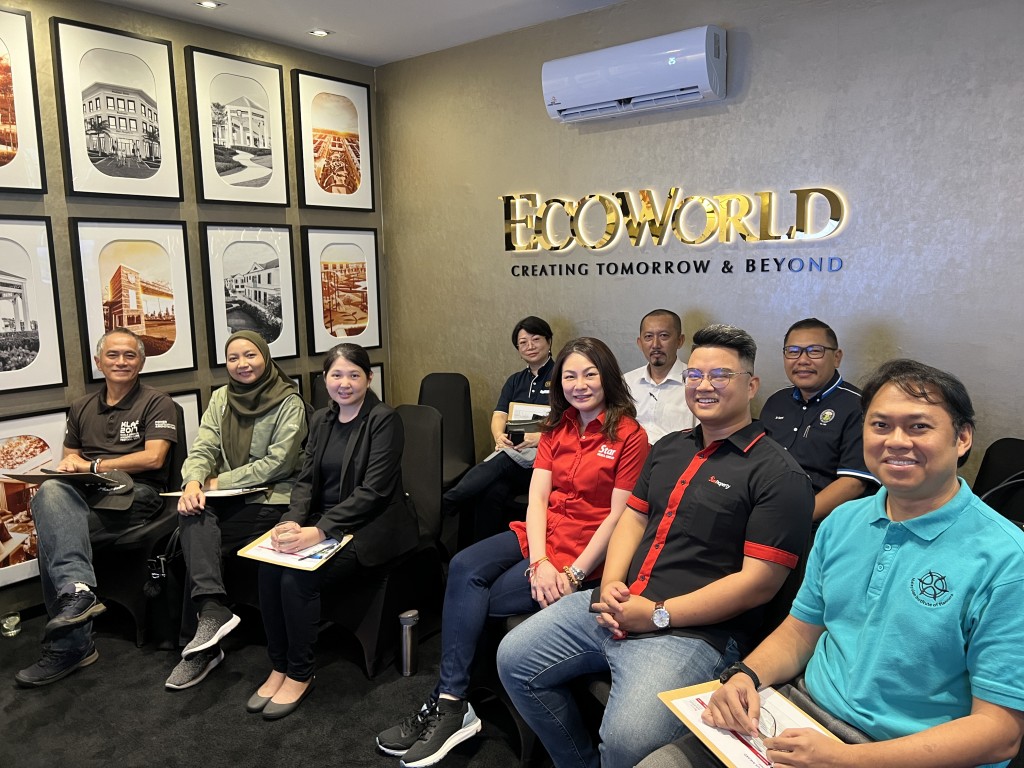


The health of Malaysia’s property sector is more than just buildings. Behind every high-rise and residential project, there is a delicate balance between local authorities, private developers and the public. How well these groups work together determines not only the sector’s growth but also whether Malaysians can afford to live in safe, sustainable and well-planned homes.
In recent years, policymakers have been pushing for better collaborations as the backbone of Malaysia’s housing industry. The Ministry of Housing and Local Government (KPKT) has been at the forefront, trying to have closer engagement with developers to ensure that policies, market realities and public needs are all aligned and met. Their areas of focus both recently and long-term include affordable housing, urban renewal, innovation, smart city initiatives and reducing construction waste. These are not abstract concepts. They have real consequences for homebuyers, developers and communities alike.
Affordable housing a national priority
One of the clearest examples of public-private collaboration is Malaysia’s push for greater homeownership. As of 2025, 76.5% of Malaysians own their own homes, according to KPKT data. This is a significant milestone because it reflects years of government policy and reform aimed at making housing more accessible. Yet the government acknowledges there is still much work to do, especially for younger families and first-time buyers.
Budget 2026 allocated RM40bil for government-guaranteed housing schemes, including the Syarikat Jaminan Kredit Perumahan (SJKP). First-time buyers purchasing homes below RM500,000 will continue to enjoy stamp duty exemptions and bank interest rebates. These measures are designed to reduce barriers to homeownership, particularly for middle and lower-income households, signalling the government’s commitment to inclusivity in housing.
But affordability is only one piece of the puzzle. Delivery, trust and transparency all play equally important roles in ensuring that housing initiatives actually reach the people who need them.
Sick and abandoned projects
The issue of sick and abandoned housing projects has been a consistent thorn in the side of authorities. The public loses trust when they feel undermined and it has a snowball effect. To tackle such projects, KPKT established the Task Force on Sick and Abandoned Private Housing Projects (TFST) in 2023.
It was a significant move to enhance the housing landscape, with the task force successfully reviving 1,289 abandoned projects across the nation. That translates to approximately 159,638 residential units. With a total gross development value (GDV) of RM126bil, this development brings hope to both interested homeowners and investors alike. As part of the ongoing efforts, Budget 2026 has also allocated RM25.84mil specifically for rehabilitating these abandoned projects, showcasing their commitment to restoring confidence in the market.
Local authorities are stepping up as the middle ground as well, playing a crucial role in reassuring buyers and facilitating the revival of these projects. Their interventions are not only aimed at reviving abandoned developments but also at preventing such issues from destabilising the housing market. This proactive approach is crucial for building trust and encouraging potential homeowners to actively engage with the property sector.
BTS and STB
As the industry reflects on traditional practices, there is an interesting case for rethinking how homes are delivered. The sell-then-build (STB) model exposes buyers to considerable risk and authorities are advocating for the more secure Build-Then-Sell (BTS) model. This framework ensures that homes are completed before they are sold, amping up buyer protection. Developers embracing BTS can benefit from exemptions on deposit payments to the Housing Development Account and enjoy priority in development approvals. These steps aim to improve buyer confidence and restore trust in the market.
However, the shift to the BTS model does present its own financial challenges, particularly for small and medium-sized developers. Overcoming these hurdles is crucial for regional growth balance without stifling any innovation within the sector. By supporting smaller developers, the housing market can flourish properly and inclusively, benefiting communities across the nation.
Sustainability collaborations
Sustainability has stayed a critical focus, highlighting the shared responsibilities among authorities, developers and the public. The adoption of modern construction technologies such as the Industrialised Building System (IBS) and Building Information Modelling (BIM) is improving the industry by enhancing efficiency and minimising waste.
Back in October 2025, Malaysia was even awarded the Global Zero Waste Special Citation Award in Istanbul, Turkey, which reflects the country’s progress in construction waste management and circular economy practices. Efforts so far have significantly paved the way for more sustainable development, and there is more to come.
Engaging with KPKT’s National Circular Economy Council (NCEC) invites developers to participate in collaborative efforts aimed at making sustainability more than just a simple checklist item. It is about a shared commitment and undertaking sustainable construction practices that lead to lower costs, faster project timelines and healthier living spaces for everyone.
Looking at the bigger picture, the performance of the ringgit and investor confidence play a big role in the property sector. Malaysia’s growing reputation on the global stage is drawing in foreign investment for large-scale projects while local authorities keep a close eye on supply and demand to maintain market stability.
Unsold units trends
Fortunately, the country is also seeing a decline in unsold completed units, which suggests a better alignment within the market. The number of unsold housing units in Malaysia has decreased since reaching its peak, especially in the residential sector. Positive trends also emerged in 2023 and early 2025. However, challenges remain especially when it comes to mismatches in affordable housing availability and an oversupply of serviced apartments in certain regions. What this suggests is that while the market is showing signs of stabilising, it still needs plenty of adjustments.
It is important to remember that housing policies exist to benefit people, not just the interests of developers or regulators. By focusing on affordability, families get access to homes that truly meet their needs. Delivery models like BTS prioritise buyer protection while sustainable practices keep community well-being and environmental health high.
Strong collaboration among authorities, developers and the public is key to building trust and resilience in the housing market. If these relationships are broken in any way, the risk of abandoned projects and a breakdown in confidence grows once more, which can significantly threaten the sector’s stability.
In the end, experts say that Malaysia is said to be shifting from reactive measures to proactive planning. Authorities are developing frameworks to minimise the risk of future abandoned projects. Developers are innovating and embracing modern construction techniques while buyers enjoy greater transparency and protection rights. With an eye towards sustainability moving forward, balancing the needs of urban and rural areas continues to be a challenge as the property sector evolves. However, through solid collaboration and data-driven policies, there are solutions that benefit everyone involved.
This article was first published in Starbiz7.
Stay ahead of the crowd and enjoy fresh insights on real estate, property development and lifestyle trends when you subscribe to our newsletter and follow us on social media.