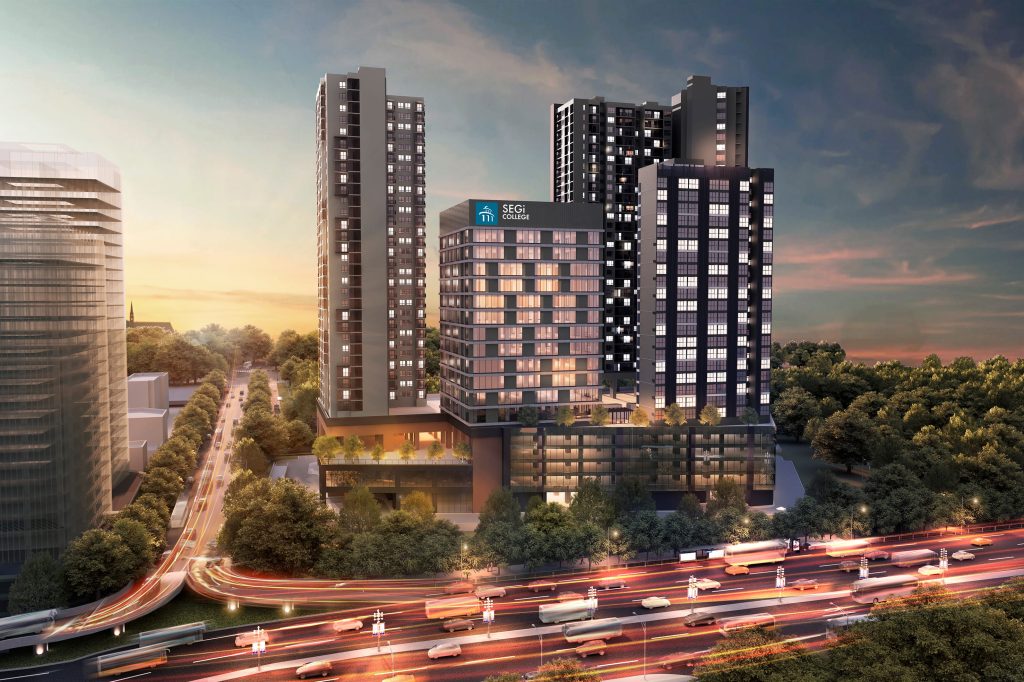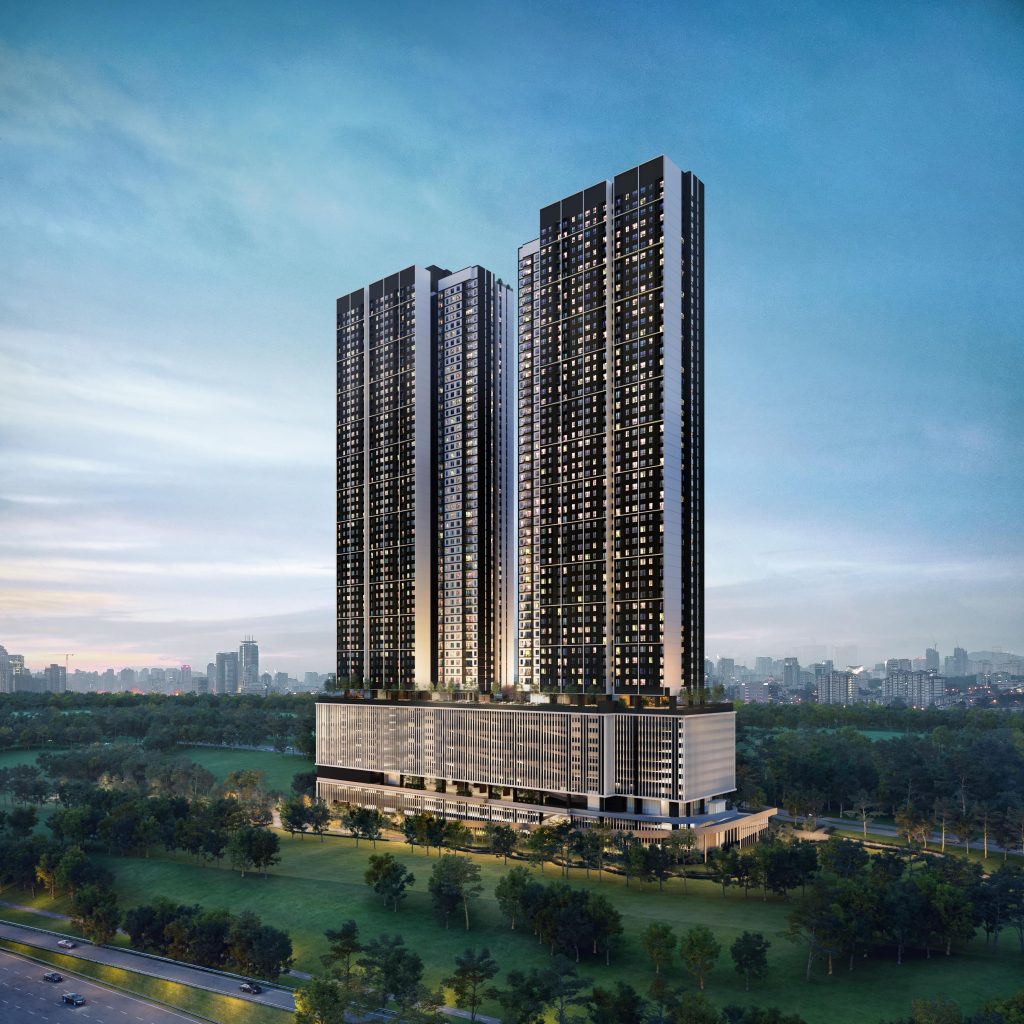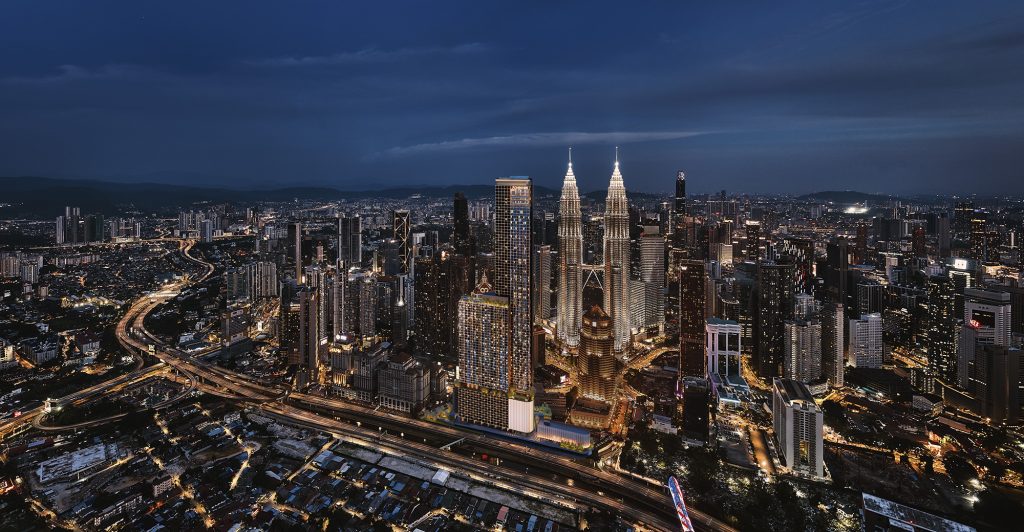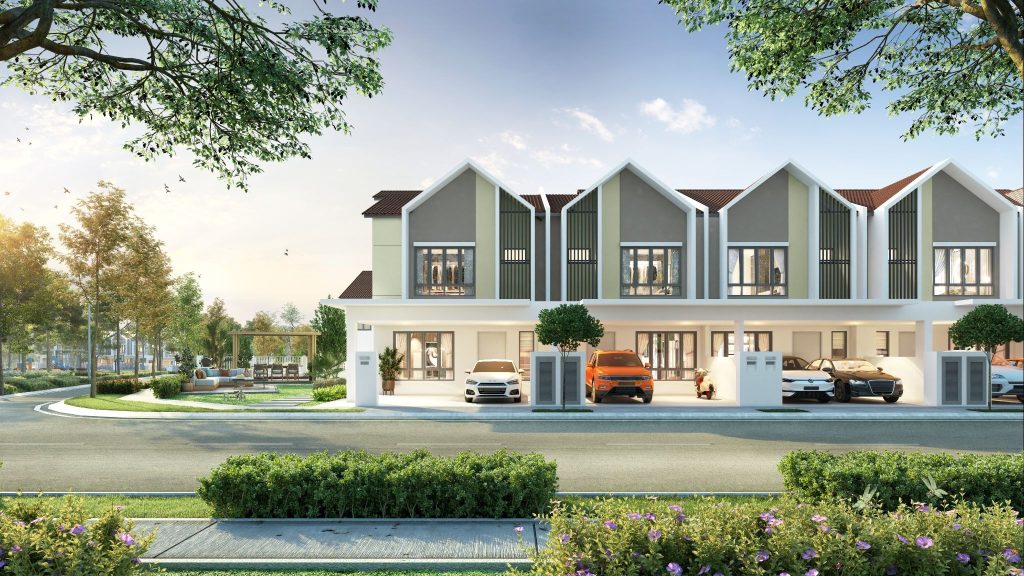

For decades, new property launches have dominated Malaysia’s real estate market. Shiny showrooms, early-bird rebates and the promise of brand-new finishes made them irresistible to buyers and investors alike. Government incentives and township developments further fuelled their appeal, shaping trends and price expectations for more than 20 years. But in recent years, the story has slowly been shifting. Buyers and investors are increasingly looking past the new launch label and turning to older, established properties for better value, space and returns. From prime locations to bigger units, from renovation opportunities to stronger rental yields, older homes are proving that sometimes, age really does bring advantage.
Location remains the top priority
Location, as always, has remained king. Older properties in mature suburbs like Taman Tun Dr Ismail (TTDI) and SS2 sit on Tier-1 land that developers can no longer replicate. Unlike many new fringe launches, these units have benefitted from decades of organic growth, with established schools, hospitals and popular eating spots already in place. Recent infrastructure developments, such as the MRT3 in Kuala Lumpur and the Mutiara LRT Line in Penang, have breathed new life into these older areas. An ageing apartment built in the 1990s that once felt disconnected may now be within walking distance of top-tier transit hubs, which is something new fringe developments can only promise in the distant future. A prime location is impossible to build overnight and the scarcity it creates is becoming a major driver of demand for older properties.
Density and footage fatigue
Size fatigue among buyers is another reason older homes are winning. To keep new launches affordable amid rising construction costs, developers have increasingly pushed density and compressed layouts. Older developments, by contrast, were built when land was much cheaper, allowing for larger units and more generous layouts. Two- to three-storey terrace houses in Sarawak and Penang remain highly favoured for the space and privacy they offer, features that high-density new launches often struggle to match.
In terms of value, new launch prices in prime areas can cost more than double that of a well-maintained secondary unit nearby. In the case of the overpriced Klang Valley, local buyers are still gravitating toward properties priced at RM1mil and below, a segment where the secondary market offers significantly more house for the money.
The resilient renovation industry
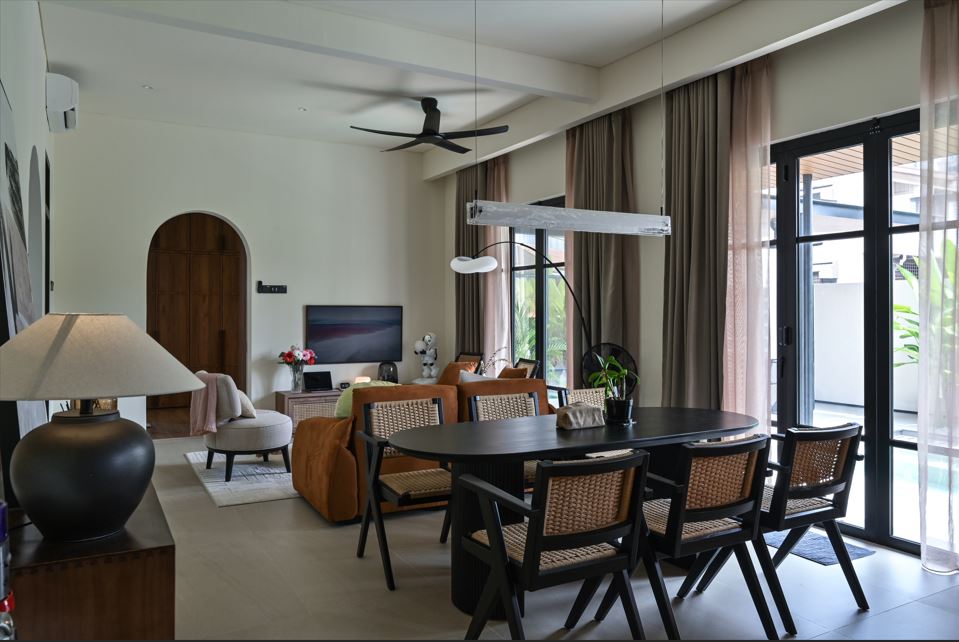
Modern buyers are also increasingly design-savvy and renovation arbitrage is gaining traction as a strategy. Rather than paying a premium for a small new unit, many are choosing to purchase older, larger units and invest in custom renovations. For example, buying a 1,500 sq ft older unit at RM500,000 and spending RM200,000 on a premium magazine-worthy renovation can be more cost-effective than splurging RM900,000 on a new 900 sq ft unit.
Renovation allows homeowners to tailor layouts and finishes to personal tastes, create instant equity and inspect the existing building and community firsthand before committing. For many, this approach offers a smarter way to combine value, space and individuality in a single property.
Bypassing the waiting period
Investors, too, are drawn to the secondary market for strong rental yields and faster cash flow. Well-located older units in mature suburbs routinely yield 5% to 6%, whereas new launches in prime areas like KLCC struggle to reach 4% or 5%, partly due to high maintenance fees. However, older units do suffer from higher and more frequent capital outlays for maintenance, repairs and modernisation.
But on the bright side, older units can be rented out immediately, avoiding the three- to four-year waiting period common for new launches. This shields investors from the vacancy risks often seen in newly completed mega-projects. The secondary market has evolved from being a budget alternative to a strategic investment choice.
A common misconception is that older buildings are automatically dilapidated. The reality is that governance often matters far more than age. Experts constantly point out that a 20-year-old building with a healthy sinking fund and proactive JMB can be more reliable than a new high-density project grappling with management issues.
According to the 2026 Property Outlook Report by Henry Butcher Malaysia, some new completions have already added unsold units to the national unsold property statistics, putting a strain on maintenance funds early on. This is because buyers in 2026 are increasingly paying attention to the quality of management and the community they are joining, rather than the year on the deed. Market signals also point to a shift toward older properties. The national residential overhang rose to 28,627 units by Q3 2025, representing about 19% of the total new residential units launched and up 30% compared to the 21,968 units as at Q3 2024. In Kuala Lumpur, sales of new launches fell sharply from 37% in 2024 to just 23% in 2025. Buyers are voting with their wallets, moving away from premium new launches toward a more affordable and predictable secondary market. The cooling of the primary market reinforces that older, well-located properties are increasingly seen as the smarter choice.
Consistent long-term value
Scarcity and urban renewal add further appeal to older properties. Low-density developments in prime areas are becoming collectors’ items. Government-led urban rejuvenation projects and the potential for en bloc sales provide a framework for breathing new life into ageing units, increasing their long-term value. Price indexes show this trend in action clearly. In Negeri Sembilan, terrace house prices climbed from 100 points in 2010 to 268.3 points in 2025, demonstrating that mature landed properties can serve as a good and reliable hedge against inflation. Investors and homeowners alike are realising that older units offer a combination of location, size and future potential that new launches often cannot match.
In 2026, older properties are proving that they are more than just nostalgic choices. They are practical, strategic and lucrative. Larger units, prime locations, strong rental yields and renovation opportunities give buyers the flexibility and value that they crave while smart investors enjoy immediate cash flow and long-term capital appreciation. Far from being a disadvantage, old has become an asset. For buyers and investors alike, older homes are not just surviving but they are the backbone that is keeping Malaysia’s property market steady amid new innovative property launches nationwide.
This article was first published in Starbiz7.
Stay ahead of the crowd and enjoy fresh insights on real estate, property development and lifestyle trends when you subscribe to our newsletter and follow us on social media.