

A modern guide to feng shui and choosing the right practitioner
By Yip Wai Fong
As Chinese New Year approaches, the mystical doors of feng shui swing open, releasing a flood of masters, tips and guides. While ordinary Joes scroll through simple to-do lists for wealth, health and love on TikTok and Instagram, serious believers seek out practitioners for comprehensive audits and destiny blueprint readings. On an even larger scale, corporations engage feng shui experts to refine their annual business plans. But does feng shui actually work? And in a sea of masters, how does one identify who is reliable?
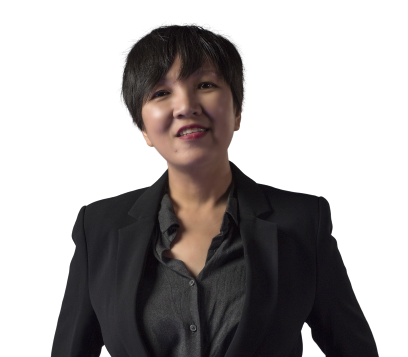
Speaking to StarProperty, metaphysics consultant Paulynne Cheng stressed on relying on one’s sense of individual agency. Cheng, who founded a consultancy business in feng shui and destiny reading using the Bazi system in 2020, said the sense of agency has been the guiding star in her journey into the arts of metaphysics.
“For me, I couldn’t accept that wearing certain colours can change my life. I resonated with the action-based and strategic application of metaphysics. I believe in taking action and meeting the energy halfway,” she said.
Cheng explained that the primary goal of feng shui is to tap into and align with the right energy.
“The first concept in feng shui is pulling in energies from the environment. As practitioners, we observe the surroundings to determine the quality of energy the property can access. We do that by employing feng shui formulas, which are mathematical, despite their often mythical names,” she said.
Cheng emphasised that feng shui is not a magic remedy. Tapping into energy must be met with corresponding action to yield results.
“We don’t do magic; we align existing energies. When human energy meets environmental energy, that is where positive results happen. For example, I set up my home to tune into energy for brand presence and recognition. But I still have to put myself out there and respond to invitations. Action must align with activation.”
Rational approaches
The rational approach also applies in feng shui audit for properties, sought by home owners looking to enhance their place of living,
“A feng shui audit is a structured assessment of the energy in the outside environment as well as what is inside the property,” Cheng shared. “The audit should give a clear understanding of what the house can do, what are the blessings that come with the house and what lessons are there. Every house comes with its lessons that you can’t mitigate, they have to be faced and overcome.”
Prescriptions and recommendations should also be practical and make sense to the property owners, Cheng said.
“For example, at properties where there is land formation that suggests difficulty in money-saving, we would advise clients to convert liquid cash into illiquid assets. Giving clients awareness of what they could face helps them take the right course of action. I also advise clients to declutter, especially near the front door as that is where energy enters,” she said.
Even when elements are prescribed, Cheng kept it functional. “If we need metal or earth, we recommend practical objects—like pebbles or even a gym weight. If a client prefers something more decorative, we might suggest a pewter piece. It’s important to tell the client why they are doing it,” she continued, adding that a major renovation is sparingly recommended: “Renovations should only happen if structural issues are very significant. If your desk is under a beam, which causes pressure and restlessness, can you renovate the room? If you can’t, can you move the office to another room? The cost-benefit must make sense.”
Who are the masters?
Gauging the effectiveness of the master’s recommendations isn’t something discussed often but Cheng believes clients should be educated on what to track.
“Clients should expect an uptick in opportunities. For working professionals, this means meeting mentors or supportive leaders. In business, it results in more leads and chances to showcase products. Feng shui doesn’t guarantee a sale but it creates the opportunity for one. The client’s own capabilities must do the rest,” she shared.
Choosing the right consultant can be tricky, as there are no formal licenses. Potential customers often judge from the consultants’ social media presence and personal recommendations.
“The general rule of thumb is a match of world views of the client and practitioner. Whose interpretation makes the most sense to you?” Cheng said. “If a client is conservative and has deep veneration for tradition, then a progressive and liberal consultant will be a mismatch.”
She also warned against red flags, specifically fear-based language.
“Warnings about accidents, being sacked or falling sick are often precursors to selling expensive services or objects. Instead, look for someone who explains the logic, offers options rather than ultimatums and respects your autonomy.
“Most practitioners these days are open to a 30-minute preliminary meet-up to discuss client’s requirements and whether those can be fulfilled. Don’t engage one just because it is recommended by friends. Make sure what the practitioner says makes sense both logically and intuitively,” Cheng advised.
Stay ahead of the crowd and enjoy fresh insights on real estate, property development and lifestyle trends when you subscribe to our newsletter and follow us on social media.