From a few pioneer property developers, the nation now sees hundreds of nation builders
By Joseph Wong
As Malaysia approaches the dual milestones of its 69th Merdeka Day on Aug 31 and the 63rd anniversary of Malaysia Day on Sept 16, the nation naturally pauses to reflect. As it traces its journey through historical speeches, political transitions and cultural milestones, behind each step of our vibrant nation lies a quieter, deeply human story—the hands that built and those continuing to build the physical foundation of our homeland.
Long before high-rise condominiums redefined our horizons and master-planned townships spanned thousands of acres, the land was a tapestry of quiet towns, unpaved roads and modest wooden shophouses. In those early days, transforming a fledgling country into a thriving nation required more than political will. It called for individuals who could see beyond the mud and dust to imagine streets filled with light, hotels capable of welcoming the world and stadiums where a young population could roar as one.
The story of Malaysia's real estate sector is not merely an account of commercial transactions or balance sheets. It is a heartwarming chronicle of human ambition, quiet sacrifice and a deep, enduring love for the land.
The pre-Merdeka prelude
To understand how far Malaysia has come, one must look back to Kuala Lumpur in the mid-1950s. Designated as the federal capital in 1896, the city was still a modest commercial outpost on the eve of independence. Qualified contractors were few, machinery was scarce and building materials often had to be sourced through sheer resourcefulness.
Yet, as Aug 31, 1957 drew near, an undeniable wave of national purpose swept through the capital. The impending declaration of Merdeka was not just a political ceremony; it was Malaysia's debut on the global stage. Foreign dignitaries, journalists and world leaders were preparing to arrive. The young nation needed infrastructure and it needed it immediately.
In this high-stakes environment, a handful of local visionaries answered the call. They did not possess modern technology or multinational backing. What they had was an unshakeable faith in their country's future and the courage to take immense risks.
A race driven by pride
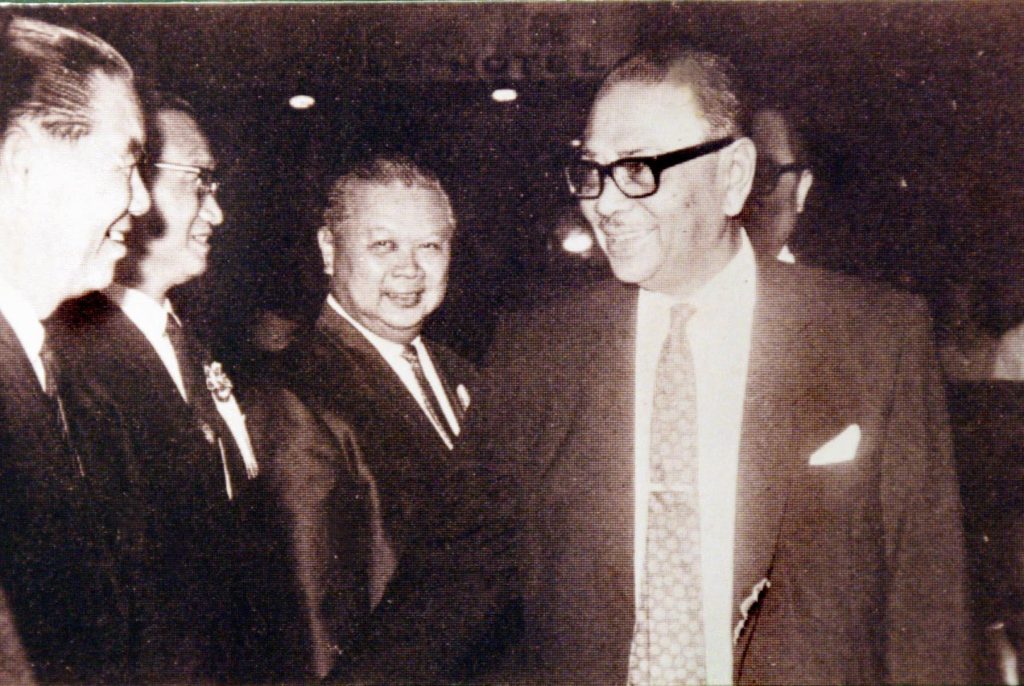
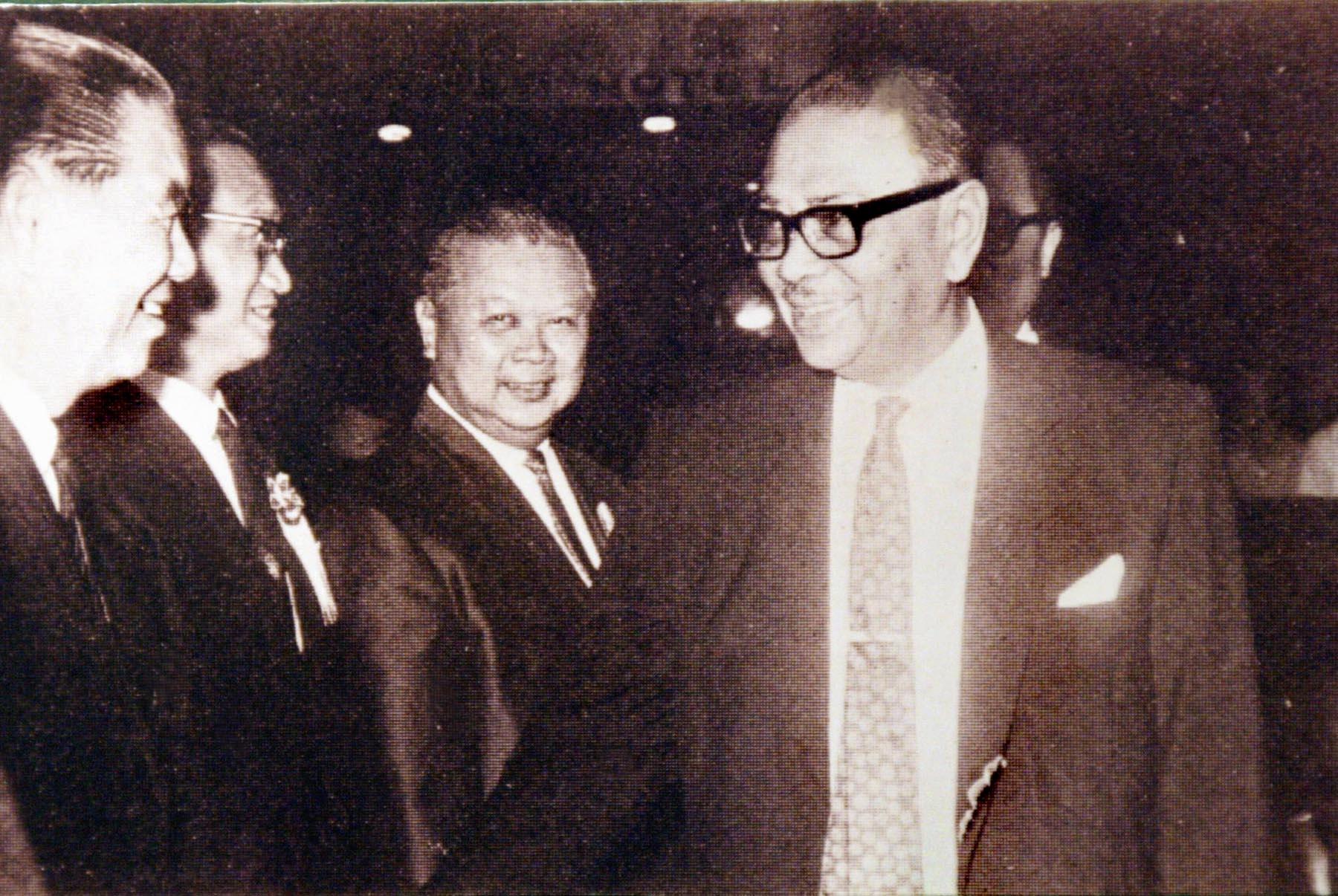
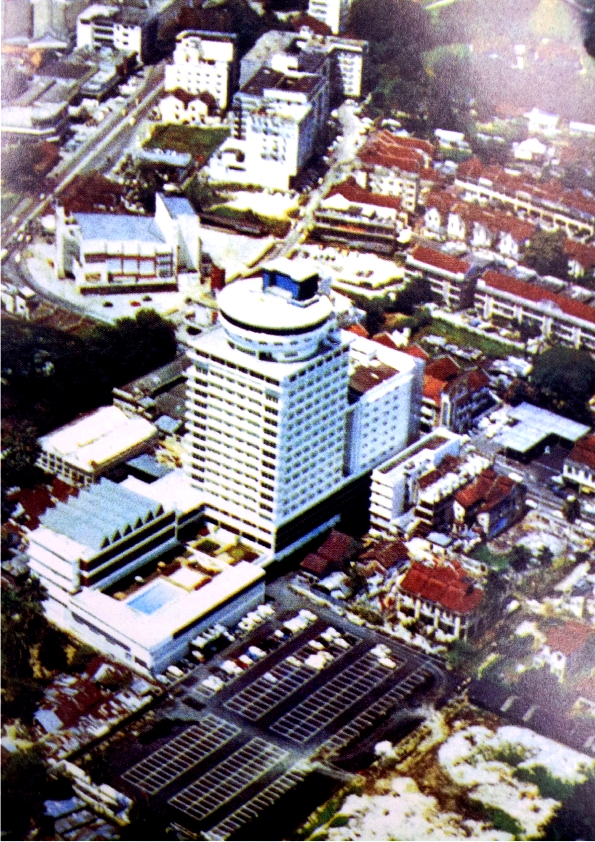
Among these early pioneers, few stories resonate as warmly as that of the late Tan Sri Low Yat, the founder of the Low Yat Group. Tasked with building the nation’s first international-class hotel, the historic Federal Hotel, Low Yat and his dedicated crew embarked on an extraordinary race against the clock.
Work ran around the clock. Workers, craftsmen and engineers poured their hearts into every room and hallway, knowing that their labour was directly tied to the nation's dignity. When the hotel opened its doors just days before the declaration of independence, it was far more than a business success. It was proof that local builders could meet global standards when united by a common dream.
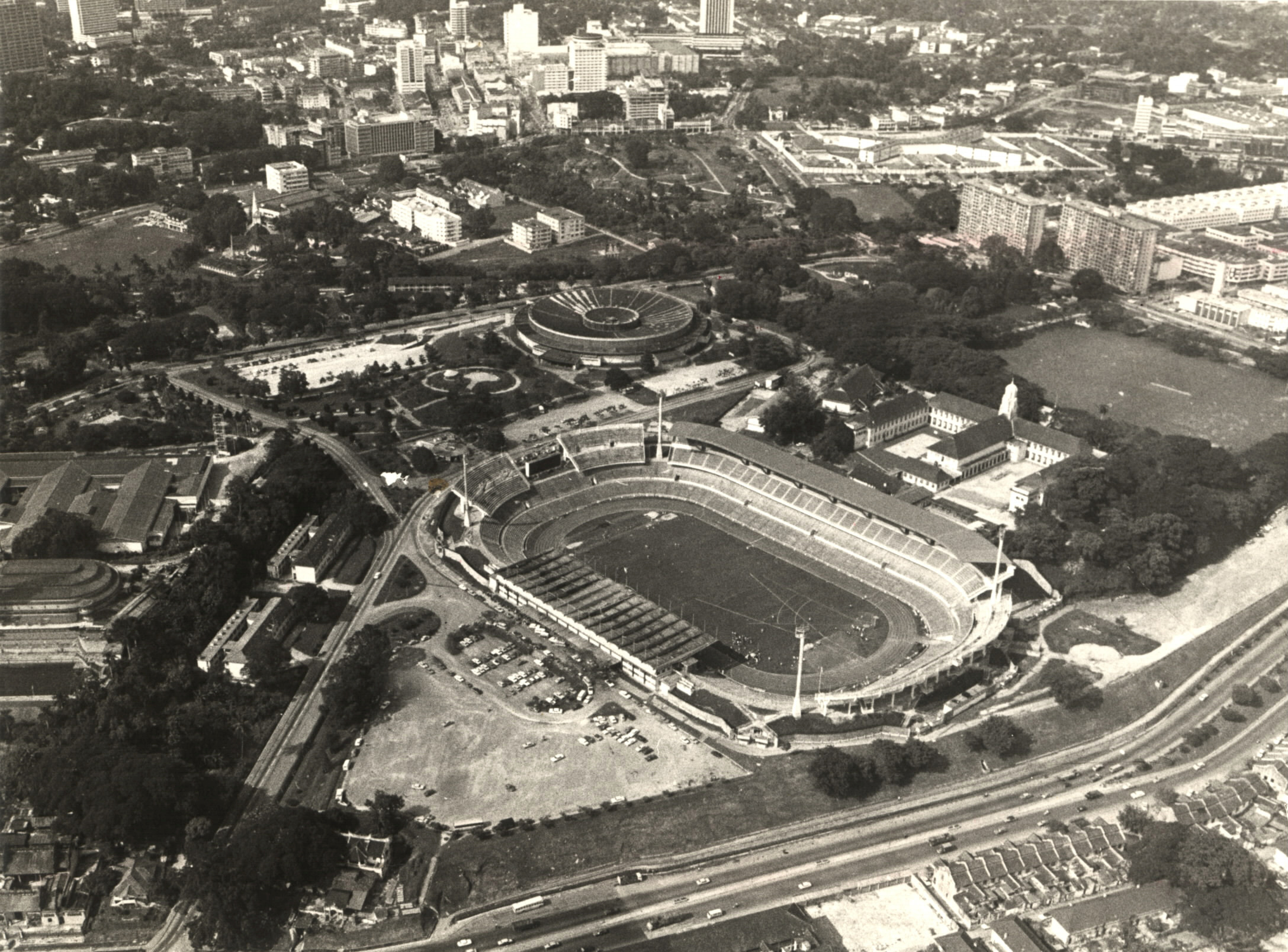
Simultaneously, another landmark was rising near Bukit Petaling. The Public Works Department (PWD), guided by the vision of the late architect Stanley Edward Jewkes, accomplished what many thought impossible: constructing Stadium Merdeka within a single year.
Featuring what were then the world's tallest pre-stressed floodlight towers and Southeast Asia's largest cantilever shell roofs, the stadium became a marvel of engineering. But its true majesty lay in its purpose. On Aug 31, 1957, thousands gathered within its amphitheatre as the late Tunku Abdul Rahman raised his hand to proclaim Merdeka! seven times.
That sacred structure remains standing today. Even as the grand Merdeka 118 tower rises into the clouds beside it, Permodalan Nasional Bhd (PNB) has committed to preserving Stadium Merdeka as a permanent historical monument, ensuring that the physical footprint of our national birth remains untouched for generations to come.
From merchants to developers
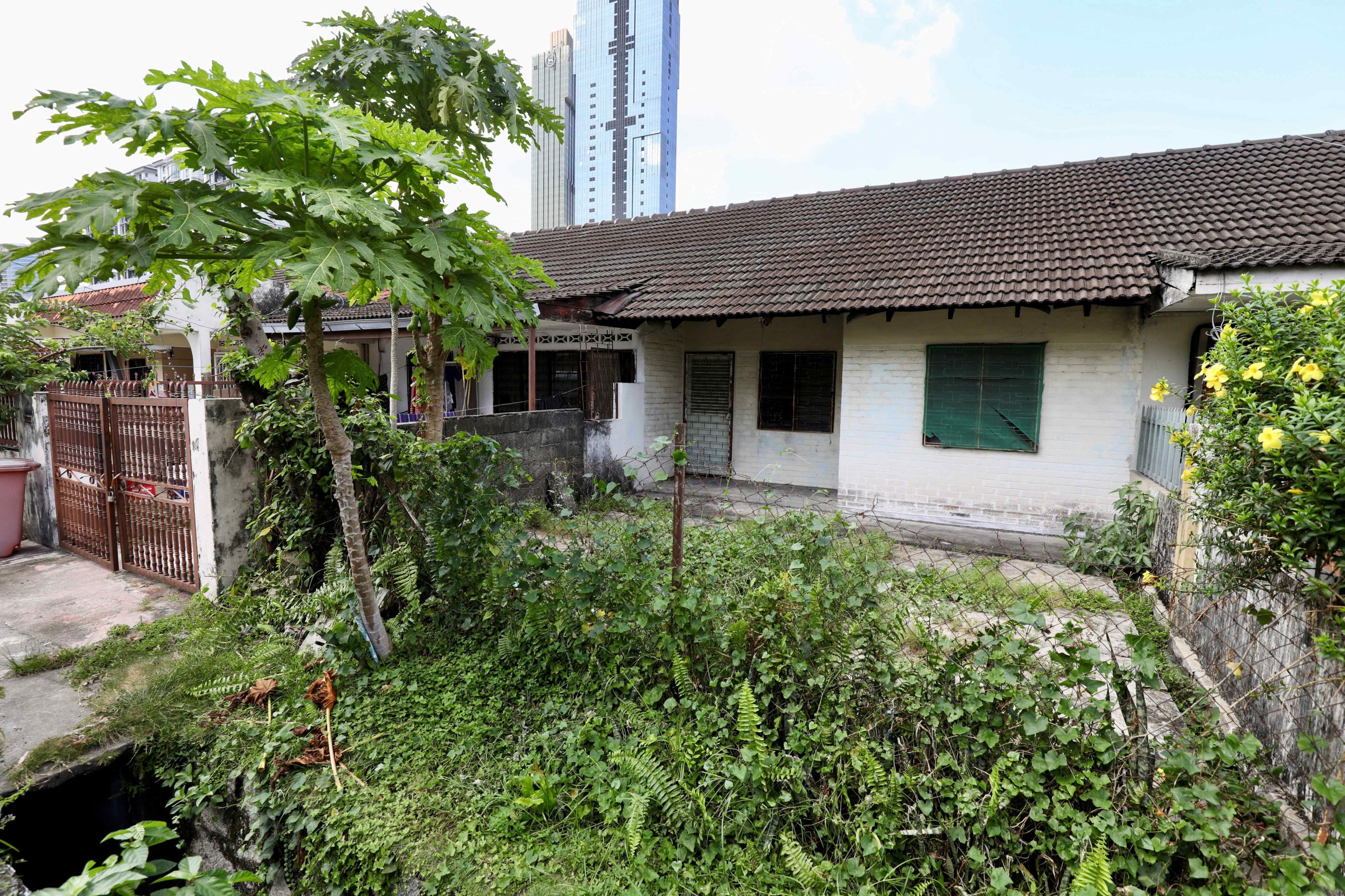
The evolution of Malaysia’s property sector is unique because many of its founding giants did not begin as real estate developers. Instead, they were local traders deeply embedded in the everyday lives of the people. They sold essential goods, understood the pulse of local neighbourhoods and gradually realised that their true calling lay in building homes and commercial spaces for their fellow citizens.
As these pioneers diversified into real estate, they grew hand in hand with the nation. Companies like Selangor Properties Bhd and SBC Corporation Bhd laid down the physical framework for suburban neighbourhoods, turning virgin land into vibrant communities where families raised children, started businesses and built lifelong memories.
The East Malaysian story
The spirit of early real estate development was equally vibrant across the South China Sea in East Malaysia. In Sarawak, formal urban development began with organisations like the Borneo Development Corporation (BDC), established in 1958 to foster economic growth and The Borneo Company Limited, a trading firm whose history stretched back to the 19th century.
Together, these entities established the initial urban framework of Sarawak, erecting the early shophouses that defined regional commerce. A cherished milestone of this era was the opening of Electra House in Kuching in August 1965. Built on the historic site of the city’s first electrical power station, it became Malaysia’s oldest surviving purpose-built shopping centre. For decades, Electra House served as the warm social heartbeat of Kuching—a bustling destination where families gathered on weekends and young people shared ice creams under bright store lights.
Weathering storms with unyielding courage
The journey of these early developers was far from smooth. Over the decades, Malaysia experienced profound economic cycles, including major regional downturns. Surviving required more than financial capital; it demanded strategic foresight and personal sacrifice.
During the economic recession of the 1980s, the Low Yat Group, under the leadership of the Low family, faced unprecedented financial pressure. In a courageous act of consolidation, the family made the decision to sell off valuable holdings in financial institutions and industrial manufacturing, including Southern Bank Bhd and Pan Malayan Cement.
This was not an act of defeat, but a deliberate move to protect the family's core passion: hospitality, tourism and housing construction. By focusing on what they understood best, they preserved the business, rejuvenated Kuala Lumpur's tourism hub and ensured that their legacy would endure into the 21st century.
The centenarian companies
Interestingly, some companies even predate Malaysia’s independence. These centenarian entities—businesses that have successfully navigated over a century of economic shifts, technological revolutions and cultural changes—offer a rare masterclass in resilience and long-term adaptability.
As Malaysia reflects on its journey toward independence this Merdeka, few corporate stories run as parallel to the nation’s history as that of Ayer Holdings Bhd.
Founded in 1907—half a century before the proclamation of Merdeka at Stadium Merdeka—Ayer Holdings stands as one of Malaysia’s rarest corporate lineages. The group has weathered two World Wars, survived the Great Depression and navigated the monumental transition from British Malaya to an independent, modern nation.
Yet, as Ayer Holdings approaches its 120th anniversary, the group views its long history not merely as an achievement to look back on, but as an ongoing responsibility toward Malaysia’s future, says its group chief executive officer Joanne Lee.
"History gives us credibility. Responsibility determines whether we deserve to become part of Malaysia's future," she said. While Ayer Holdings has evolved from its early agricultural roots into major integrated township developments like Bandar Bukit Puchong, three enduring principles have guided the group through over a century of economic cycles: long-term thinking, prudent governance and building communities, not just buildings.
Honouring a nearly 120-year heritage does not mean remaining static, Lee added, noting that today’s Malaysian homebuyers are more discerning than ever, prioritising spatial connectivity, environmental sustainability and holistic quality of life.
For Ayer Holdings, Merdeka is a timely reminder that nation-building and community-building are constructed on the exact same foundation: resilience, accountability and an unyielding commitment to leaving something better for the next generation of Malaysians.
The inheritors
Building on the foundations laid by these early visionaries, a new era of developers emerged across the nation to shape modern skylines and master-planned townships. In Sarawak, developers such as Ibraco Bhd and Naim Holdings Bhd expanded urban living standards across the state, while in Penang, pioneers like Eastern and Oriental Bhd (E&O), Ideal Property Group and Ivory Properties Group Bhd transformed the island's coastline and architecture.
In Greater Kuala Lumpur, the sector saw unprecedented expansion through an array of master builders. Industry giants including BRDB Developments Sdn Bhd, Bukit Kiara Properties Sdn Bhd, EcoWorld Development Group Bhd, Gamuda Land, IOI Properties Group Bhd, Paramount Corporation Bhd, SBC Corporation Bhd, Selangor Properties Bhd, Sime Darby Property Bhd, SP Setia Bhd and Tropicana Corporation Bhd, among others, collectively elevated the region's urban footprint. Together, these inheritors of the nation-building spirit continue to drive Malaysia's built environment to world-class standards.
Legacies built for generations
Today, Malaysia's real estate market is powered by institutional investors, international capital and cutting-edge engineering. Yet, if we look beyond the sleek glass facades and digital smart homes, we find the enduring imprint of those early pre-Merdeka pioneers.
They were dreamers who risked their livelihoods to build hotels before tourists arrived, built stadiums before national teams were formed and laid roads into empty fields believing that communities would follow. Their legacy lives on not just in corporate boardroom records, but in the very brick and mortar of the neighbourhoods we call home today.
Stay ahead of the crowd and enjoy fresh insights on real estate, property development and lifestyle trends when you subscribe to our newsletter and follow us on social media.