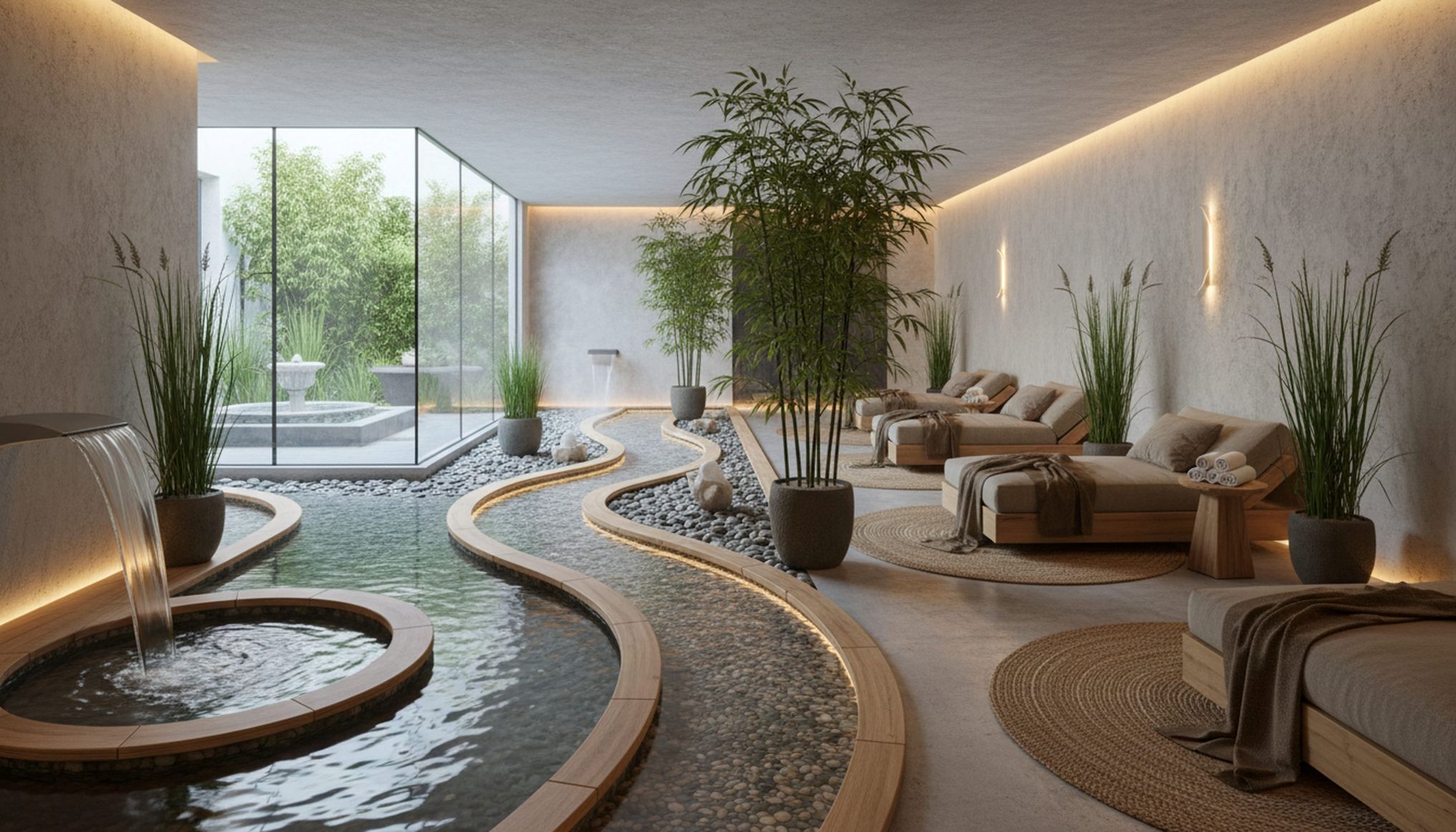
Developers and hospitality giants team up to redefine residential sanctuaries in Malaysia
A relaxing massage after a long day, a fitness session before work or a quiet afternoon surrounded by nature. These experiences are usually associated with a holiday at a luxury resort where guests can temporarily leave their daily routines behind. But what if the experience did not have to end at checkout?
For hospitality brands extending their expertise into residential developments, this question is becoming increasingly relevant. Wellness, traditionally delivered through hotel spas, fitness centres and recreational programmes, is finding its way into privately owned homes.
The distinction lies in how these offerings are incorporated into residential living. A conventional luxury condominium may provide an impressive collection of facilities but a hospitality-branded residence can potentially draw upon the operator’s expertise to introduce curated experiences, professional wellness services and established well-being philosophies.
In Malaysia, developments associated with top hotel chains such as Westin, Banyan Group, Anantara and Mandarin Oriental illustrate the different approaches being taken, although the extent of services available to homeowners varies.
From hotel experience to residential living
The growing emphasis on well-being is part of a wider evolution in property development.
The Global Wellness Institute’s (GWI) Build Well to Live Well: The Future, released in June 2025, identifies how wellness real estate is moving beyond recreational amenities towards environments designed and operated to support different aspects of human well-being.
Its research considers physical health alongside mental, social and environmental factors, highlighting the growing importance of how people experience their surroundings.
GWI senior researchers Katherine Johnston and Ophelia Yeung observed: “There is no going back to ignoring wellness.”
The institute’s subsequent research in May 2026 valued the global wellness real estate market at US$876bil (RM3.548 trillion) in 2025, reflecting the expansion of health-oriented concepts across different property categories, including residential developments.
While wellness real estate encompasses a much broader market than branded residences, the findings provide context for how hospitality operators are reconsidering the experiences associated with their residential offerings.
For these brands, the opportunity lies in translating services developed for temporary hotel guests into experiences that complement regular day-to-day living.
Different brands, different approaches
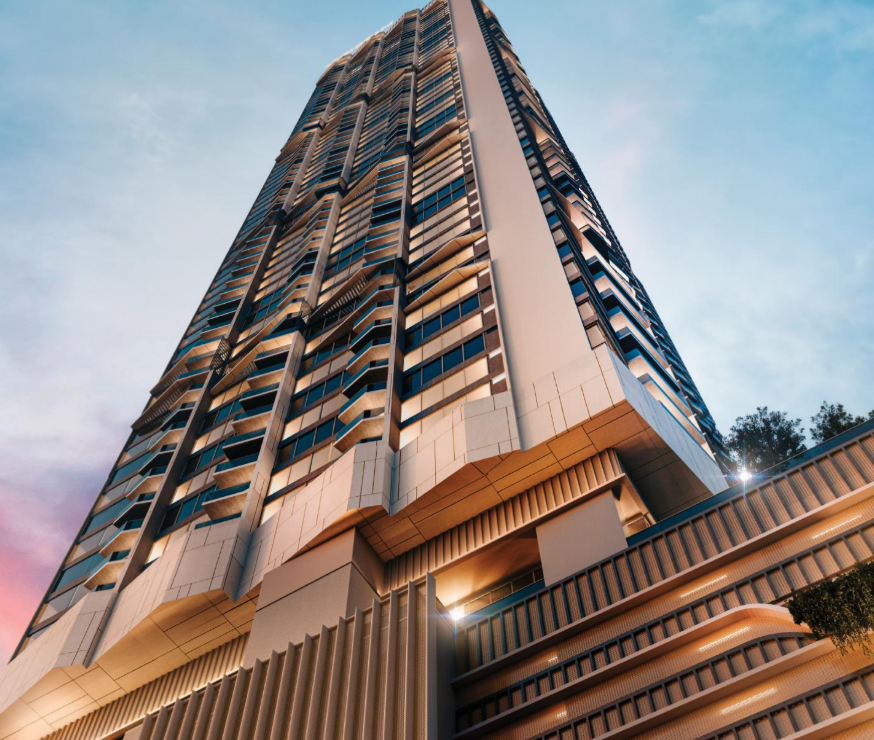
The Westin brand provides an example of how a well-established hospitality philosophy can influence residential positioning. Its approach centres on six pillars of well-being: Sleep Well, Eat Well, Move Well, Feel Well, Work Well and Play Well. These guide various hotel offerings, from the signature Heavenly Bed and nutritious dining options to fitness programmes and restorative spa experiences.
In Penang, Westfield Global Sdn Bhd’s collaboration with Marriott International brings this brand identity to The Westin Residences Penang, a 69-storey residential tower along Gurney Drive.
The project forms part of a larger development that includes a separate 28-storey Westin hotel. Hotel facilities include a WestinWORKOUT Fitness Studio and Heavenly Spa, reflecting the brand’s established emphasis on well-being.
When the hotel partnership was announced in April 2024, Westfield Global group managing director Datuk Yeoh Yih Sean highlighted the company’s goal of providing a world-class wellness hospitality experience.
For the residential component, the key consideration is how Westin’s philosophy will translate into experiences available to homeowners. While the planned hotel facilities have been announced, the specific wellness programmes and owner usage arrangements have not been fully detailed publicly.
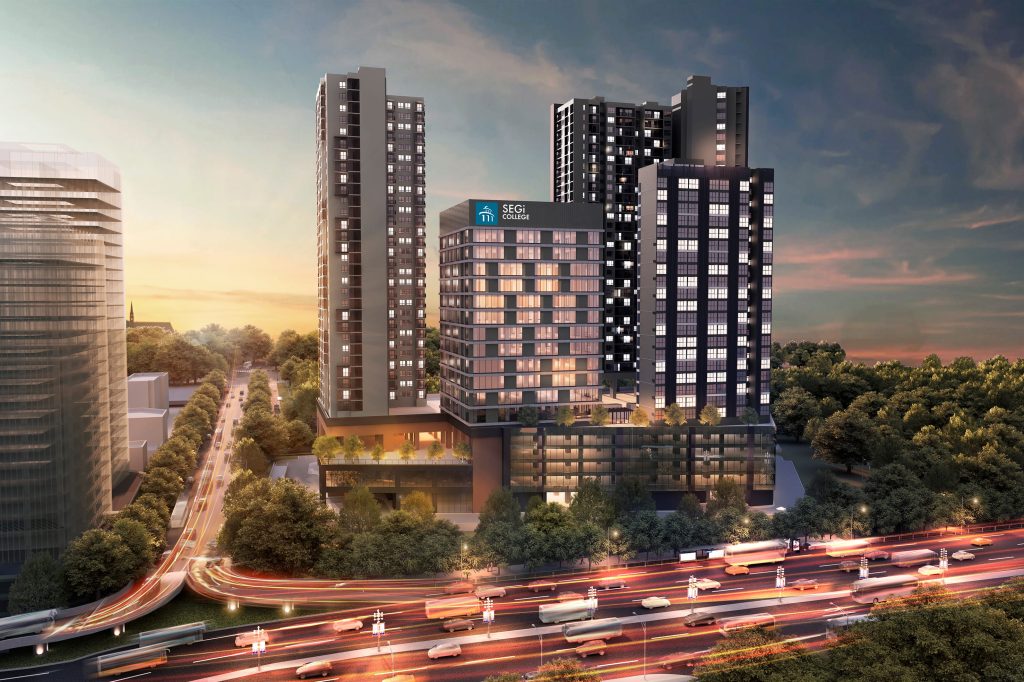
A different interpretation is emerging at Skypark Kepler in Johor Bahru, developed by Tropicana Corporation Bhd in collaboration with Banyan Group.
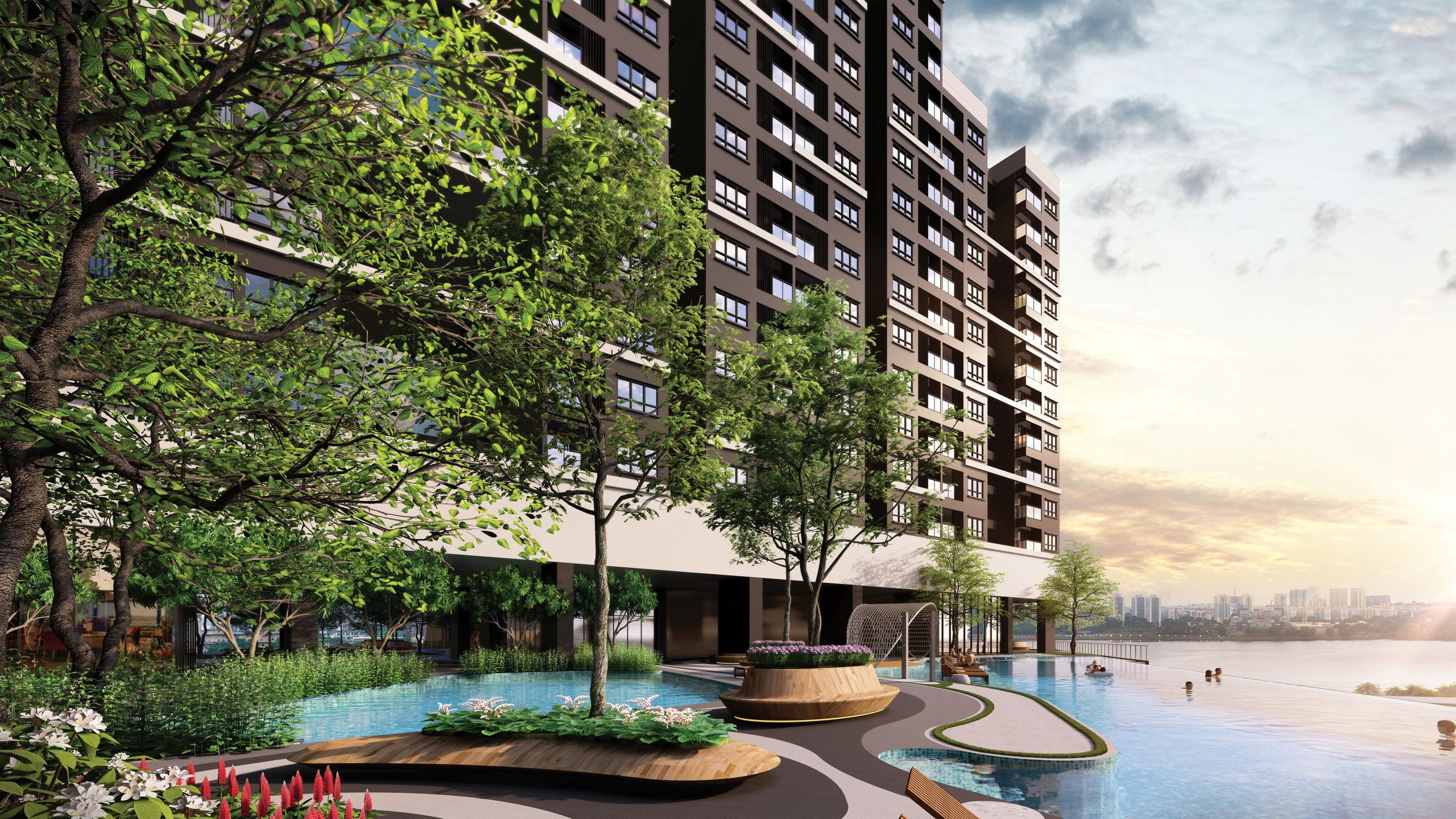
According to Tropicana, Skypark Kepler makes history as Johor Bahru’s first branded residence by the prestigious Banyan Group. Designed for the modern cosmopolitan, the development comprises 1,596 fully furnished, luxury serviced residences, with unit sizes ranging from 463 sq ft to 803 sq ft.
Located within Lido Waterfront Boulevard, the project incorporates 43 planned lifestyle facilities, including wellness zones, landscaped recreational decks, fitness areas and spaces for social interaction. Banyan Group’s involvement introduces the influence of a hospitality operator recognised for its resort and spa experiences.
During the partnership announcement in December 2024, Banyan Group managing director of property development Stuart Reading outlined homeowners’ entry into the Sanctuary Club, an exclusive programme offering privileges across the group’s hotels, resorts, spas and other lifestyle experiences.
The arrangement illustrates how branded residential ownership can connect residents with a hospitality group’s wider wellness network, even when the development itself concentrates primarily on recreational facilities.
Nature-integrated lifestyle hubs
The relationship between hospitality brands and residential environments is also expanding beyond traditional luxury developments into master-planned eco-townships.
A prime example is the Malaysian debut of ASAI Hotels—the lifestyle brand under Dusit International (a leading Thai multinational group) at Gamuda Land’s 1,530-acre Gamuda Cove township in Selangor.
The 280-room ASAI Gamuda Cove serves as an anchor for the township’s broader living environment, connecting hotel-style lifestyle programming directly with nature-based activities.
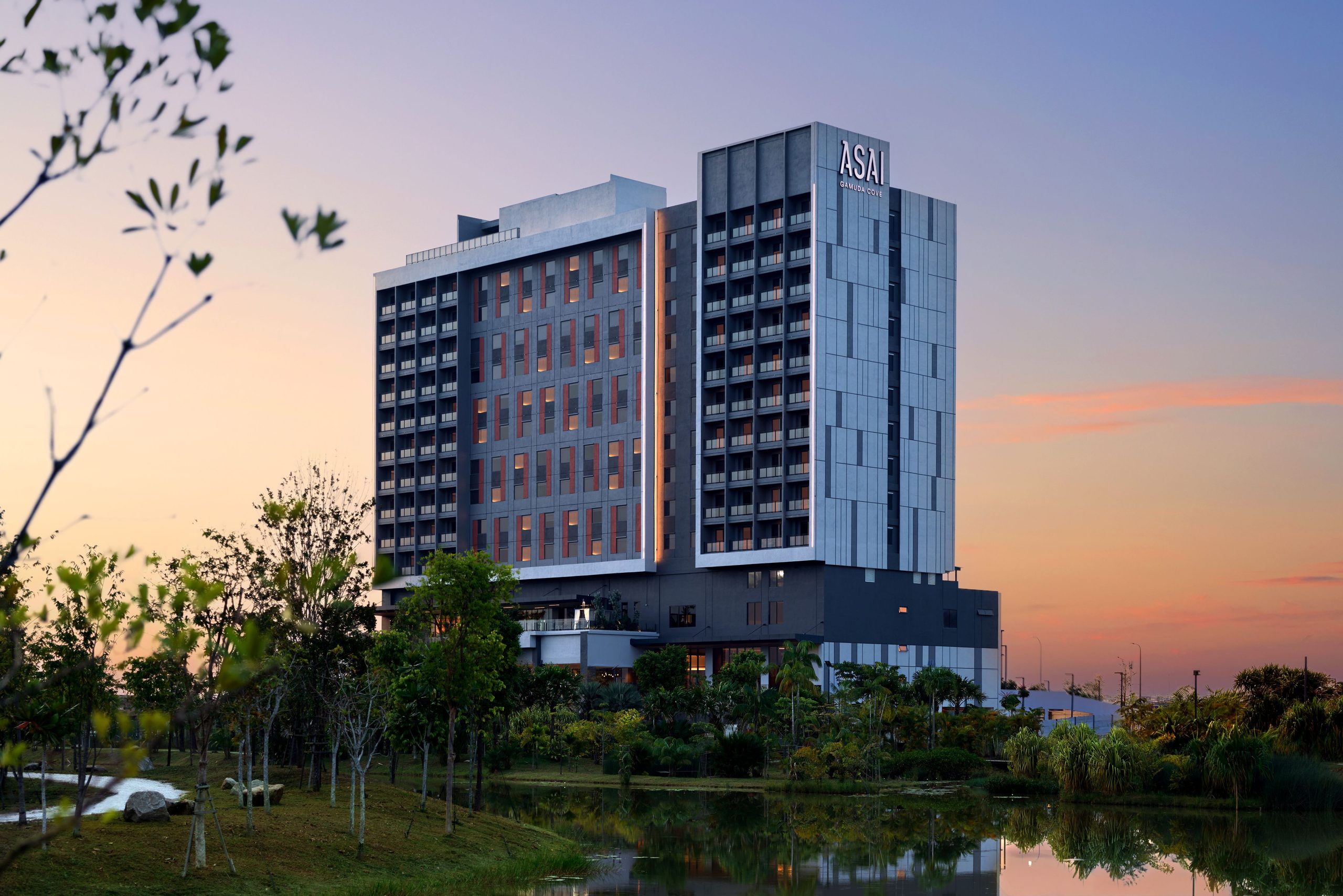
Rather than confining well-being to dedicated spa rooms or indoor gyms, the development embeds wellness into the surrounding environment. Residents and guests are linked directly to the Paya Indah Discovery Wetlands and the Wetlands Arboretum Centre, combining community spaces, shared co-working areas and outdoor recreational availability to promote physical and social well-being.
This approach illustrates how hospitality operators are adapting their wellness philosophies for lifestyle-focused master developments where long-term health is shaped by immediate outdoor exposure, active recreation and community gathering spaces.
Bringing wellness into private spaces
At Anantara Desaru Coast Residences in Johor, the relationship between hospitality and residential wellness takes a more personalised form.
Developed by Minor International in partnership with Themed Attractions Resorts & Hotels, the development comprises 20 three- and four-bedroom residences supported by the adjoining Anantara Desaru Coast Resort & Villas.
Owners and residents can utilise the resort’s spa and leisure facilities, alongside private services delivered by hospitality and wellness practitioners.
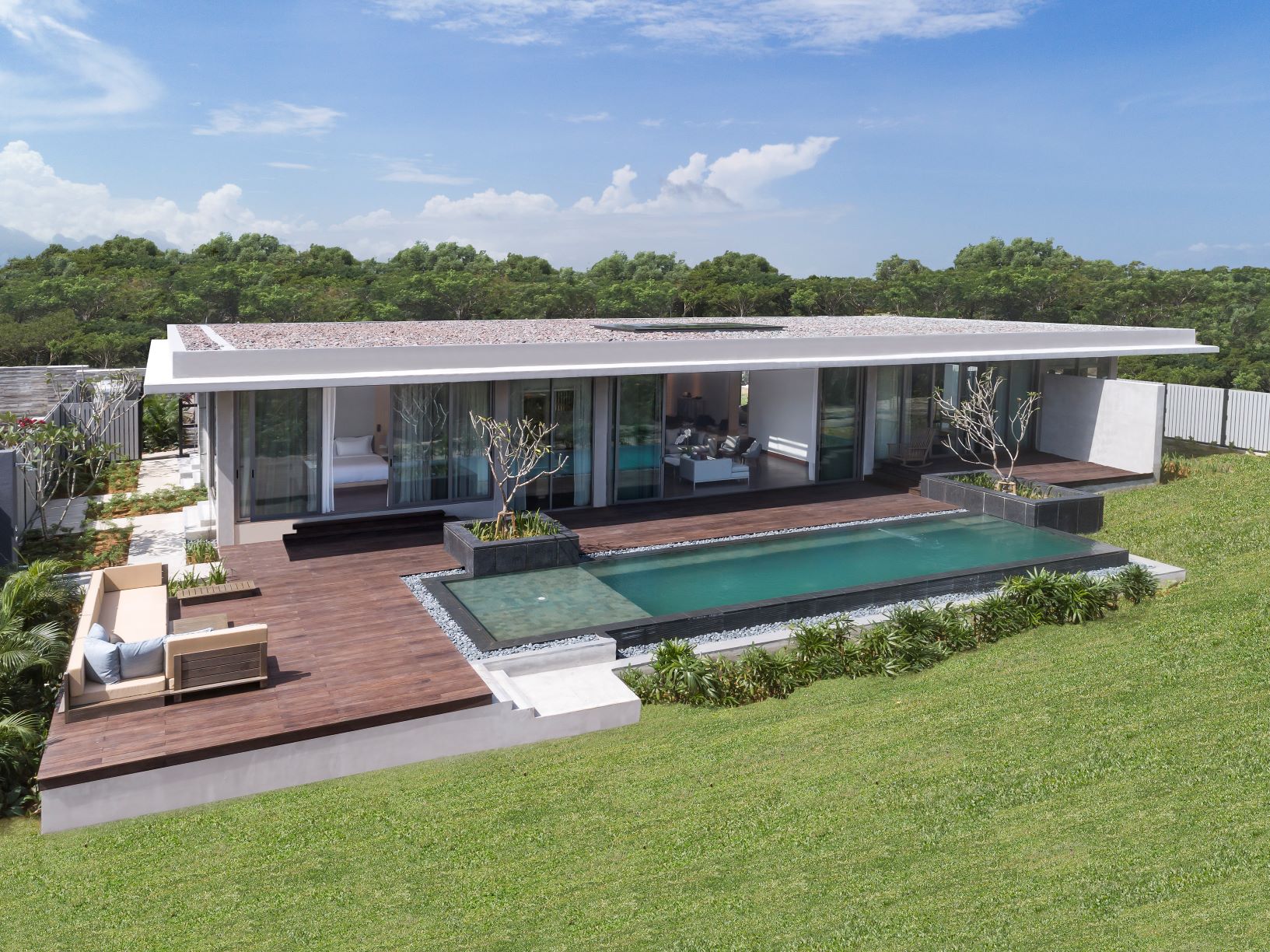
Selected four-bedroom duplex villas incorporate dedicated wellness rooms equipped with a treadmill and spa-grade massage bed. These rooms can also be converted for other uses, providing flexibility according to residents’ preferences.
Anantara’s official residential offerings include spa treatments within the privacy of the accommodation, bringing professional therapies directly into the home.
The operator also offers curated coastal wellness retreats incorporating guided movement, spa treatments, wellness-focused dining and nature experiences for guests staying at the residences.
Minor International’s Micah Tamthai, then vice-president of real estate, previously identified nature, space and well-being as important lifestyle considerations influencing interest in Anantara-branded properties.
The development demonstrates how a resort operator’s established expertise can extend beyond shared facilities to provide wellness experiences within individual residences.
There remains, however, a distinction between services available to homeowners and packaged experiences offered to short-term guests. The frequency, inclusions and charges associated with these services depend on the applicable residential arrangements.
Next expression of branded wellness
Another development to watch is the forthcoming Mandarin Oriental Residences, Desaru Coast, Johor.
Announced in February 2026, the residential collection will be associated with Mandarin Oriental, Desaru Coast where the resort’s wellness philosophy draws upon the surrounding rainforest, coastal environment and local traditions.
Its existing spa offerings include signature treatments incorporating Malaysian ingredients, alongside fitness facilities, yoga spaces and outdoor recreational activities.
Mandarin Oriental’s announced residential plans indicate that homeowners will be able to enjoy the resort’s signature spa and hospitality offerings.
According to Destination Resorts and Hotels group chief executive officer, the highly anticipated residences would allow owners to experience Mandarin Oriental’s established service standards.
The project adds another dimension to Malaysia’s emerging residential landscape, although details of its dedicated homeowner wellness programmes have yet to be announced.
For developers, the challenge is ensuring that such offerings remain meaningful within a residential setting.
A holiday spa experience can be enjoyed occasionally but regular participation in wellness programmes requires convenient access, appropriate facilities and services that fit residents’lifestyles. Personalised offerings also depend on trained professionals and clearly defined responsibilities between developers, operators and service providers.
Not every branded residence needs sophisticated health programmes or clinical facilities. The appeal may instead lie in the ability to draw upon familiar hospitality experiences more conveniently, supported by professionals who understand the brand’s approach to well-being.
As international operators introduce their established wellness identities into Malaysian residential developments, the emphasis is gradually broadening from the facilities provided to the experiences residents can tap into.
The true measure of success may ultimately lie in how seamlessly these brands translate the pleasures of a hotel stay into something that feels natural, practical and worthwhile within the permanent comforts of home.
Stay ahead of the crowd and enjoy fresh insights on real estate, property development and lifestyle trends when you subscribe to our newsletter and follow us on social media.Want to contribute articles to StarProperty.my? Email: editor@starproperty.my