

Butler services and accessible homes could lend a helping hand in the golden years
Something is appealing about picking up the phone and having someone help sort things out. Whether it is arranging housekeeping, booking transport or getting a maintenance issue attended to, everyday tasks become a little less troublesome. For buyers considering branded residences with butler and concierge services, that extra helping hand could be part of what makes the price tag worthwhile.
But as life progresses and the years pass, the kind of help people need can evolve. Getting someone to arrange a delivery is one thing, needing help to move around the home or having someone nearby should an accident happen is another. Could a branded residence, where service is a call away, remain a suitable home through the golden years?
For owners, staying put would mean keeping the home and routines they are used to, with help just a phone call away. But what happens when their requests are more than simple housekeeping or booking a ride? Some would say it depends on whether the service staff go above and beyond for residents. That is where the scope of the service matters.
More years at home
Malaysia’s changing population makes this a timely discussion. According to the Department of Statistics Malaysia (DOSM), people aged 65 and above accounted for 8.4% of the population in 2026, up from 8% in 2025.
DOSM’s Abridged Life Tables Malaysia, 2026 also estimated that men reaching 60 could expect to live another 18.9 years while women of the same age could expect another 21.7 years. These population averages suggest that a home chosen around retirement may need to serve its owner for another two decades or more. That does not mean everyone will require care throughout those years. However, it does raise the question of whether a property can accommodate the changing needs.
The discussion comes as branded residences explore a bigger role in well-being. Knight Frank’s The Residence Report 2026/27 describes developments incorporating longevity facilities and access to wellness programmes into their offerings. It identifies a longevity centre being developed at Four Seasons’ Abu Dhabi residences on Saadiyat Beach, United Arab Emirates.
The report quotes that “wellness is migrating from amenity to infrastructure.” For older buyers, the next question is how this translates into everyday support. Access to wellness programmes does not by itself establish what assistance will be available when living independently becomes more difficult.
What comes with the service?
In Malaysia, there are already examples of services that could ease household responsibilities. Several branded residences in Malaysia list assistance with transport arrangements, grocery shopping, laundry and cleaning. Housekeeping offerings include changing bed linen, washing dishes and cleaning bathrooms. For residents who would welcome help with chores, such conveniences could make staying in their own homes more manageable.
The convenience could also lie in having one point of contact. Instead of keeping track of different cleaners, repairmen and transport providers, residents could approach the concierge to help coordinate requests, where this falls within the service offered. For family members living elsewhere, knowing whom to contact could make arrangements easier too. Still, everyone would need to agree on what can be communicated to relatives, with the resident’s consent and preferences guiding how that support is organised over time.
However, the development’s website notes that some services are charged separately and performed by third parties. Having access to help does not necessarily mean it is included in the monthly bill or available at a moment’s notice. Buyers would need to establish what is included, what requires advance booking and which requests fall outside the team’s responsibilities.
When needs change
Growing older does not necessarily mean having to give up what makes a home comfortable. It simply requires adding an extra service or two to aid in day-to-day functions.
Take Sunway Sanctuary in Sunway City for example. The integrated wellness resort is a luxurious senior care hotel resort perched atop a rehabilitation centre, annexed to Sunway Medical Centre in Subang. Its Care Stay package includes daily meals, housekeeping, recreational activities and assisted living support, bringing several everyday needs together in one setting.
Of course, a concierge who arranges transport should not automatically be expected to help a resident bathe, manage medication or move from a bed to a wheelchair. These needs require separate consideration when planning how an older person will be supported at home.
Likewise, having staff in the building around the clock does not establish that someone is monitoring each resident’s well-being. What happens if an owner falls inside the apartment and cannot reach the phone? Who should be contacted? What arrangements exist for access during an emergency? If outside carers become necessary, owners should ask how they would enter the building, whether overnight assistance can be accommodated and whether the apartment has enough space.
The home itself deserves attention too. Could a resident use a walking aid comfortably? Are there steps between the car park and the front door? Could grab rails be added later and would the bathroom have room for someone to assist? These details may attract less attention during a viewing but they could become important years down the road.
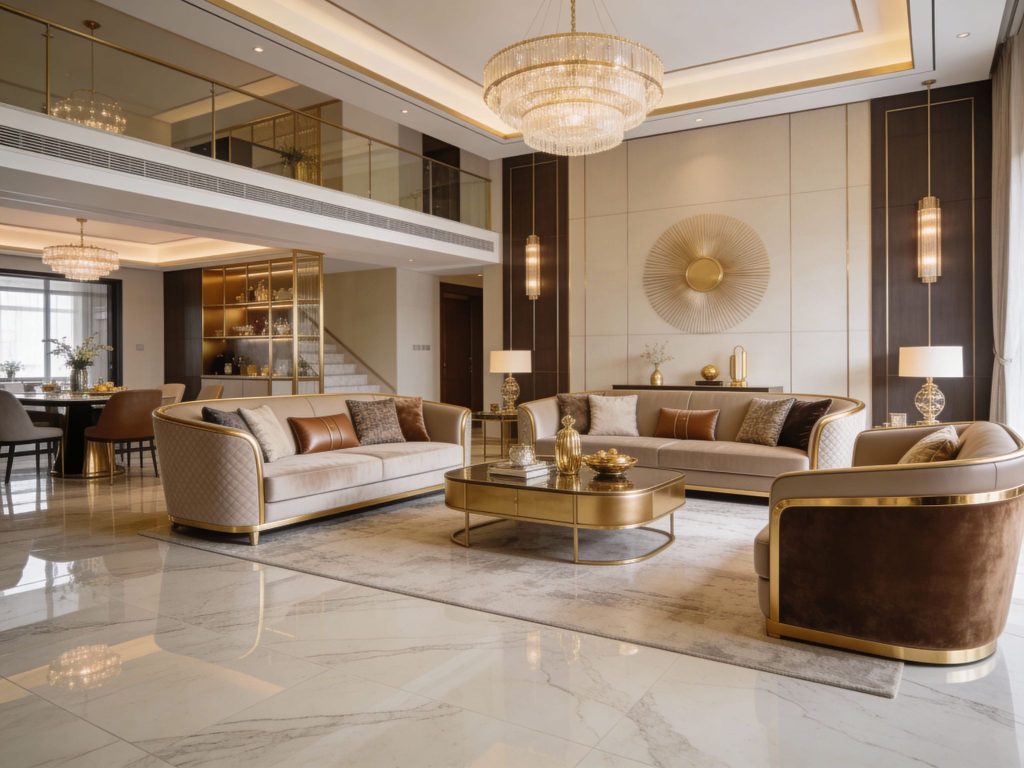
For instance, private lifts may appeal to buyers for their exclusivity. But someone with limited mobility may judge them differently. The walk from the lift to the bedroom in these types of luxurious, spacious units could be a journey on its own. Is there enough room for a wheelchair and an accompanying carer? What happens when the lift is being serviced? A feature that looks luxurious in a brochure still needs to work on an ordinary day, including when something goes wrong.
Beyond the apartment door
There is also the matter of feeling at home among other people. In its discussion of community, the Knight Frank report highlights the view that shared spaces alone do not create belonging. Building those connections requires ongoing engagement and commitment. A residents’ lounge may look inviting but are there opportunities to get to know neighbours? For someone spending more time at home, having familiar faces around could be part of the appeal.
Then comes the bill. Maintenance charges, separately billed services and any future care expenses need to be considered together, particularly when an owner is relying on retirement income. Buyers should ask what happens if charges rise or a service they rely on changes.
Branded residences could offer a useful helping hand to older owners who value convenience and independence. Whether they remain suitable will depend on the home, the services and the individual’s changing needs. After all, having someone answer the phone is reassuring. Knowing what help will follow is what matters.
Stay ahead of the crowd and enjoy fresh insights on real estate, property development and lifestyle trends when you subscribe to our newsletter and follow us on social media.