State government partnership with private sector goes beyond chasing a blanket target
By: Yip Wai Fong
Making housing affordable for the lower-income group remains persistently high on government agendas, costing the Federal budget hundreds of millions annually to provide various government housing schemes, notwithstanding each state’s separate budgets for the same.
On top of this, the private sector, comprising listed and private property developers, is also roped in with mandatory affordable housing quota requirements in their developments. Thousands of units of affordable housing have been developed (511,544 units delivered, under construction or approved in 2025, according to the Housing and Local Government Ministry). However, year after year, the National Property Information Centre (Napic) counted the affordable housing numbers as the highest among unsold completed units.
Clearly, this raises questions, such as how best to balance demand, cost, resources and affordability of house buyers. Private developers have argued that free market forces should prevail in the supply and demand of affordable housing, instead of stakeholders trying to meet a blanket target.
On the other hand, the government is insisting on delivering affordable housing as a social obligation. To bridge the agendas on both sides, the nation needs a model capable of identifying the housing demands of the needy accurately and delivering their needs in a financially sustainable way.
Win-win partnership
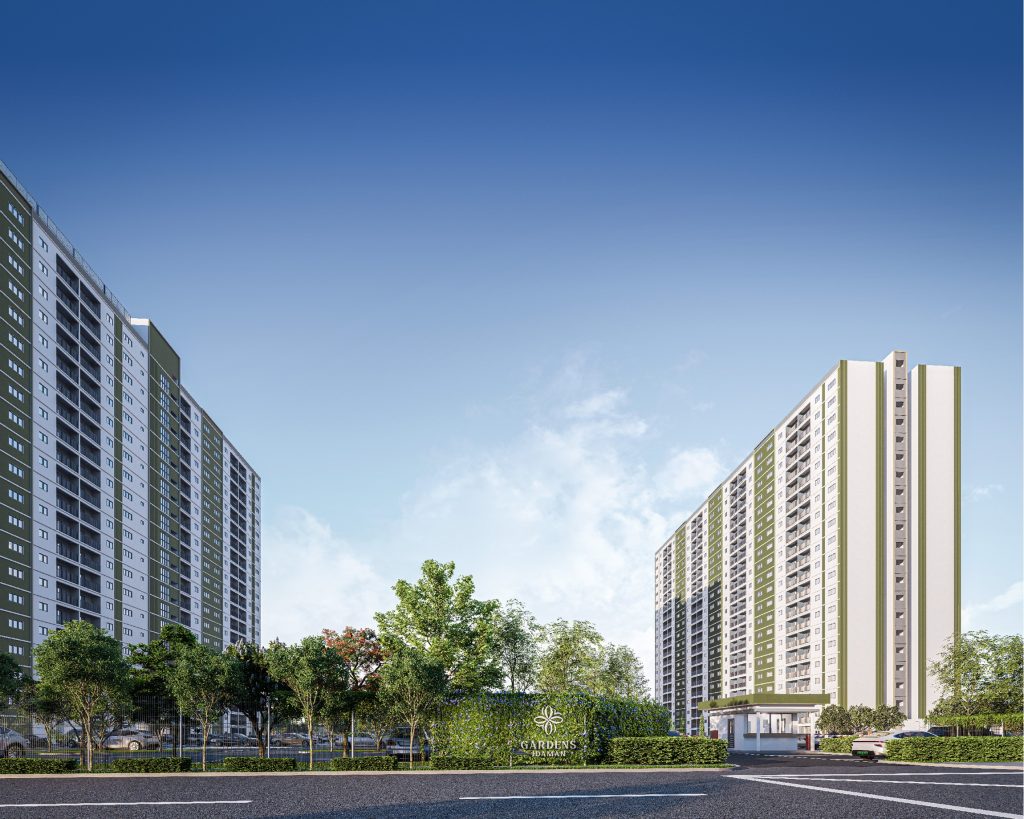
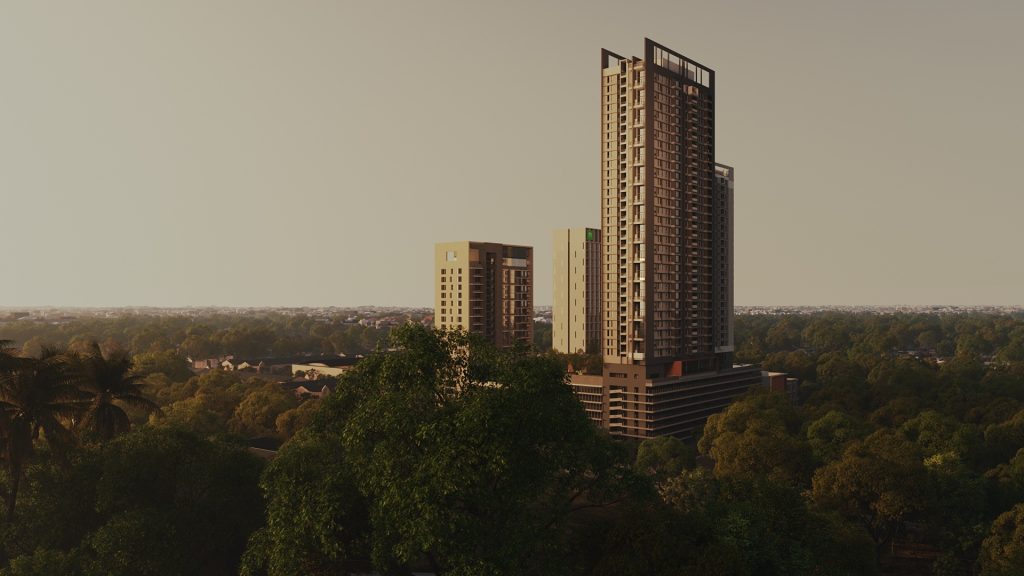
Enter Selangor, a state that offers Rumah Idaman, a high-rise housing scheme for Malaysians with a household income of less than RM14,500. With unit prices capped between RM250,000 and RM290,000, Rumah Idaman projects are developed through partnerships between Permodalan Negeri Selangor Bhd (PNSB) – a subsidiary of the state’s statutory corporation, Menteri Besar Selangor Incorporation (MBI) and private developers such as MGB Bhd, Gagasan Nadi Cergas Bhd and Oriental Interest Bhd (OIB).
The success of Rumah Idaman speaks for itself. Since its introduction in 2020, 7,702 units spanning six developments have been delivered by March 2026, according to PNSB. Selangor also maintains one of the lowest stocks of unsold, completed affordable housing (defined by KPKT as units with a ceiling price of RM300,000). In 2025, Selangor had only 584 completed and unsold residential units in this category, compared to the national total of 11,502.
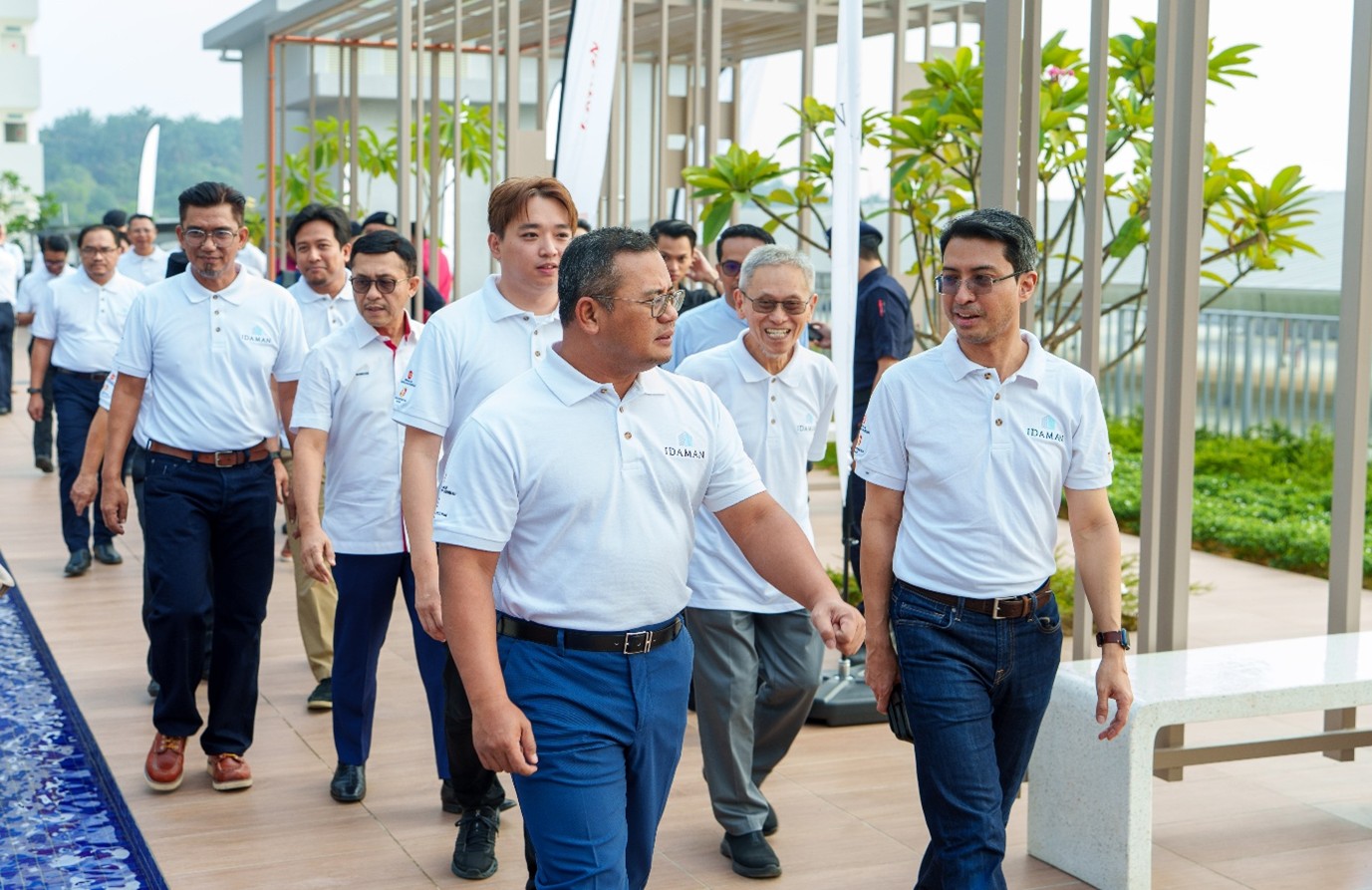
PNSB chief executive officer Raja Ahmad Shahrir Iskandar Raja Salim told StarProperty that Rumah Idaman is a model where the state government facilitates private developers to fulfil the mandatory requirements without affecting the project's feasibility.
He explained that as the state imposes a 40% affordable units quota in township developments, PNSB would negotiate with the township developers to acquire the tract of land designated for affordable housing and delegate its development to its partner developers. This model takes away the question of feasibility for township developers to undertake affordable housing, allowing them to focus on their developments.
“The bigger developers cannot do it because their cost is high. We purchase (the land) from the township developers, so they don’t have to be associated with the risk of developing it such as construction risk and sales risk,” he said.
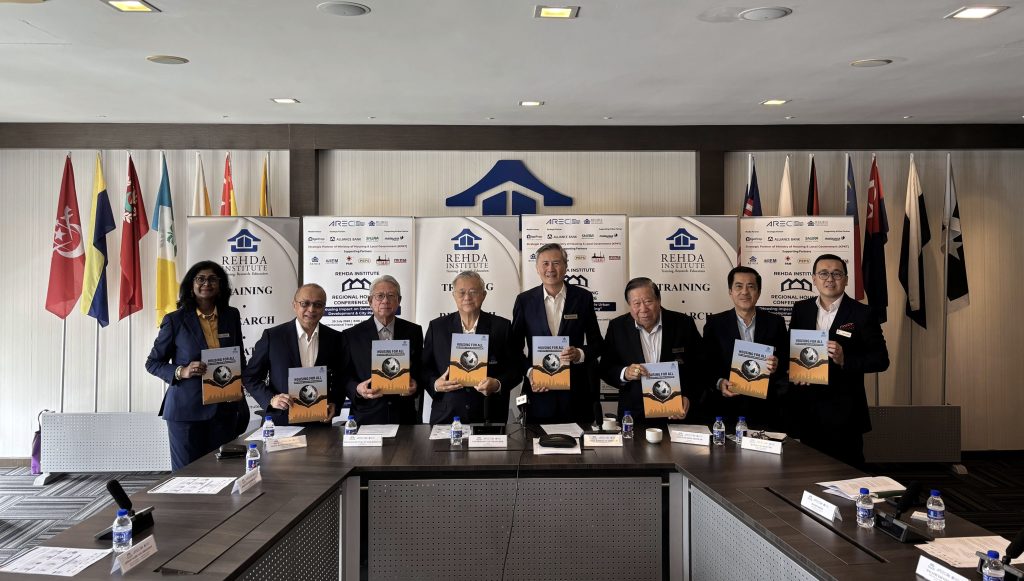
Preliminary development costs comprising expenses for land acquisition, development charges, conversion of premium, regulatory fees and other expenditures, can take up to over 20% of gross development value, according to a Rehda Institute study. When asked whether PNSB is able to enjoy preferential rates when acquiring the land parcels, Raja Ahmad Shahrir Iskandar Raja Salim said PNSB negotiates on a cost-efficiency basis for both parties.
“The land is designated for affordable housing. Perhaps for the township developer, it (the development) is a negative feasibility. So we have to negotiate with the developers how much they want to sell. Typically, it is at a certain price,” he said.
Engagement with local authorities
Raja Ahmad also said PNSB plays its role in smoothening approval processes to ensure a lower compliance cost for Rumah Idaman developments while maintaining that every developer goes through the same processes.
“We try to support and expedite the process where we can. Maybe the local councils or the land office have certain conditions and we help push for faster approvals. (But) I wouldn’t say that it is very different from other development processes. You still have to get feedback from different stakeholders and it takes time. The processes aren’t different (for Rumah Idaman),” he said.
“The model does not eliminate compliance costs but enables developers to manage them more effectively through better execution and scale,” he added.
Lowering cost
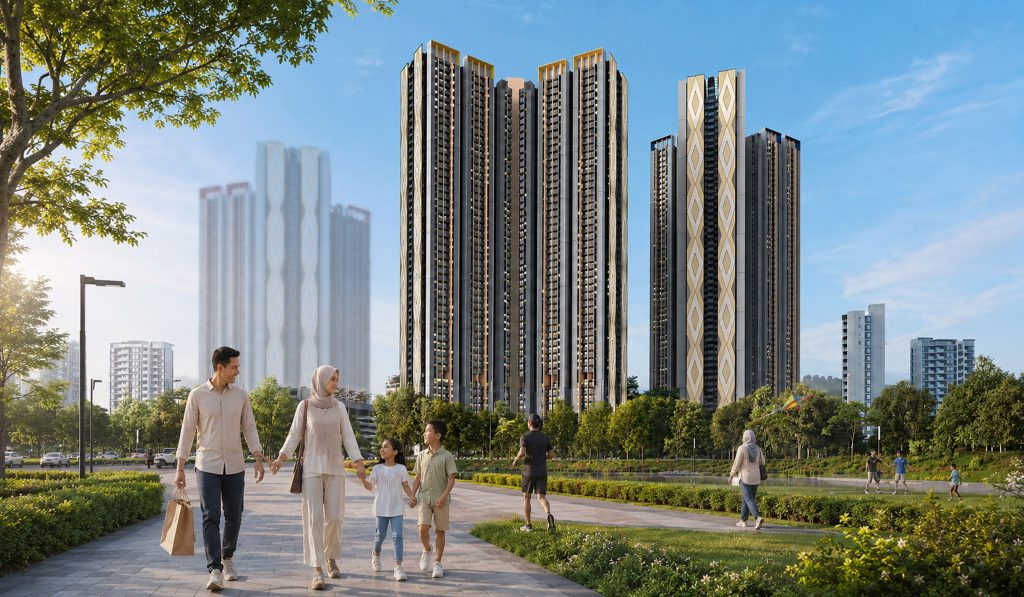
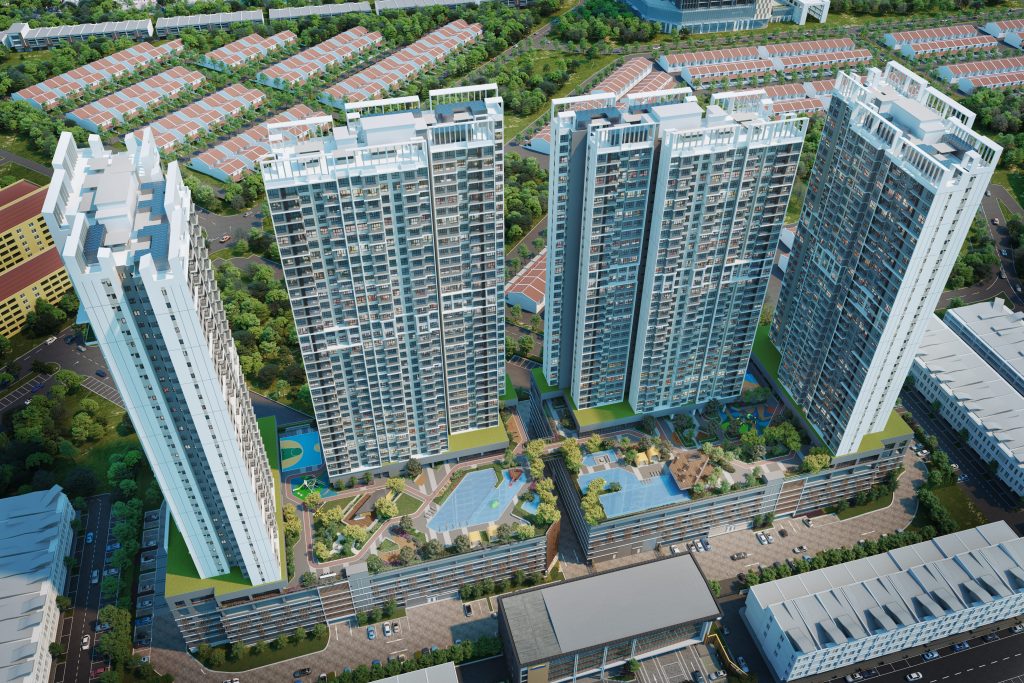
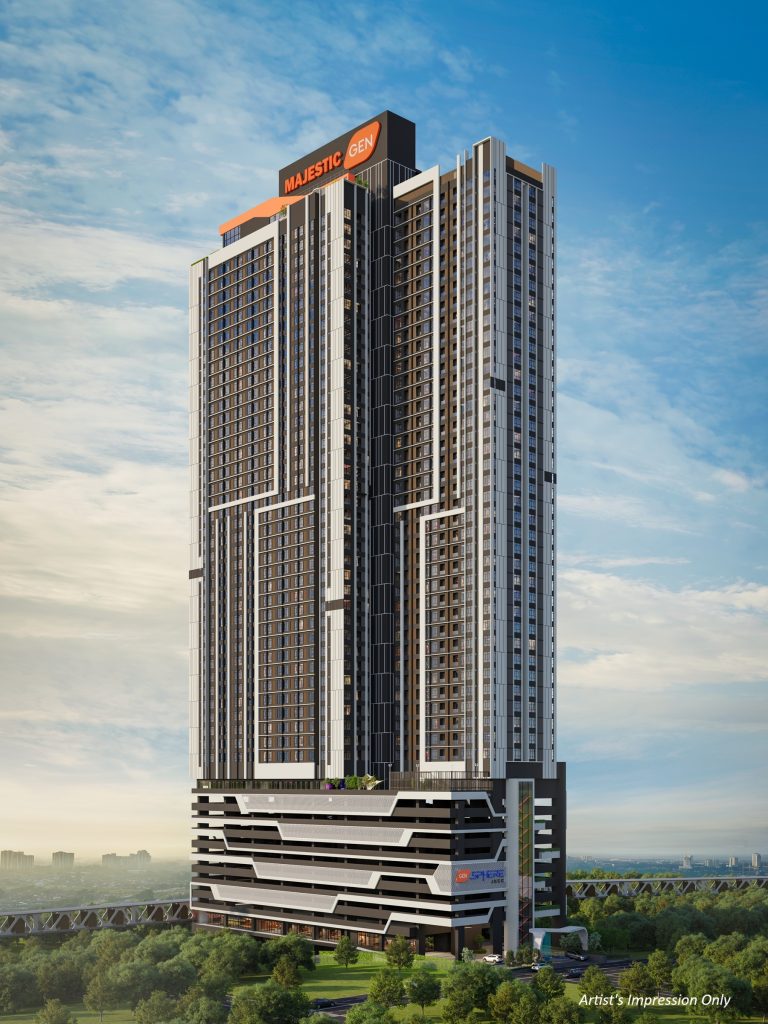
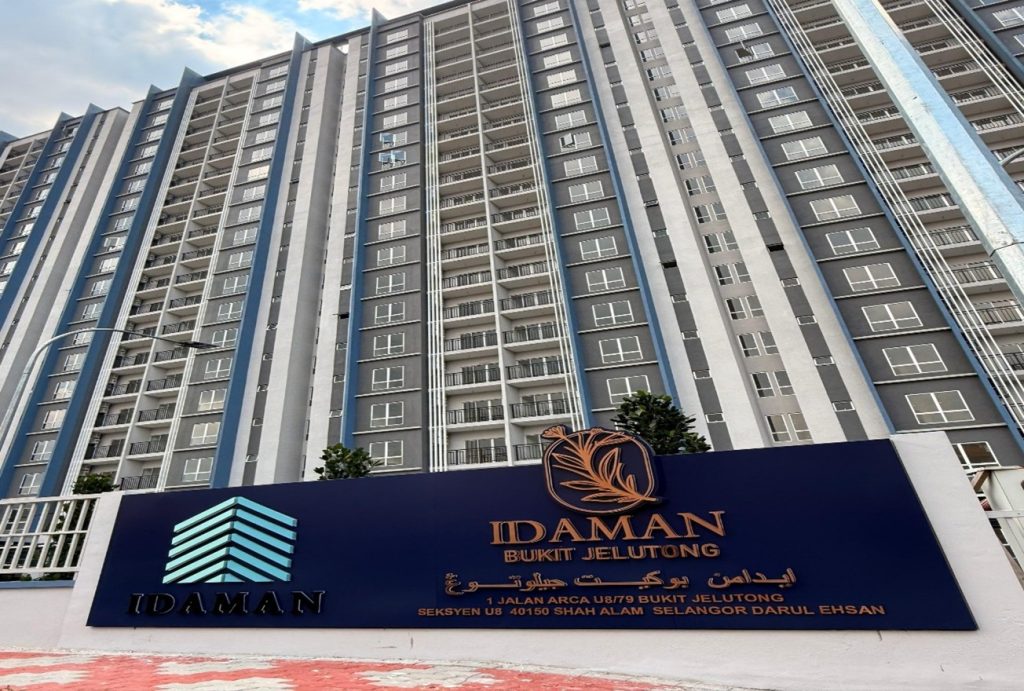
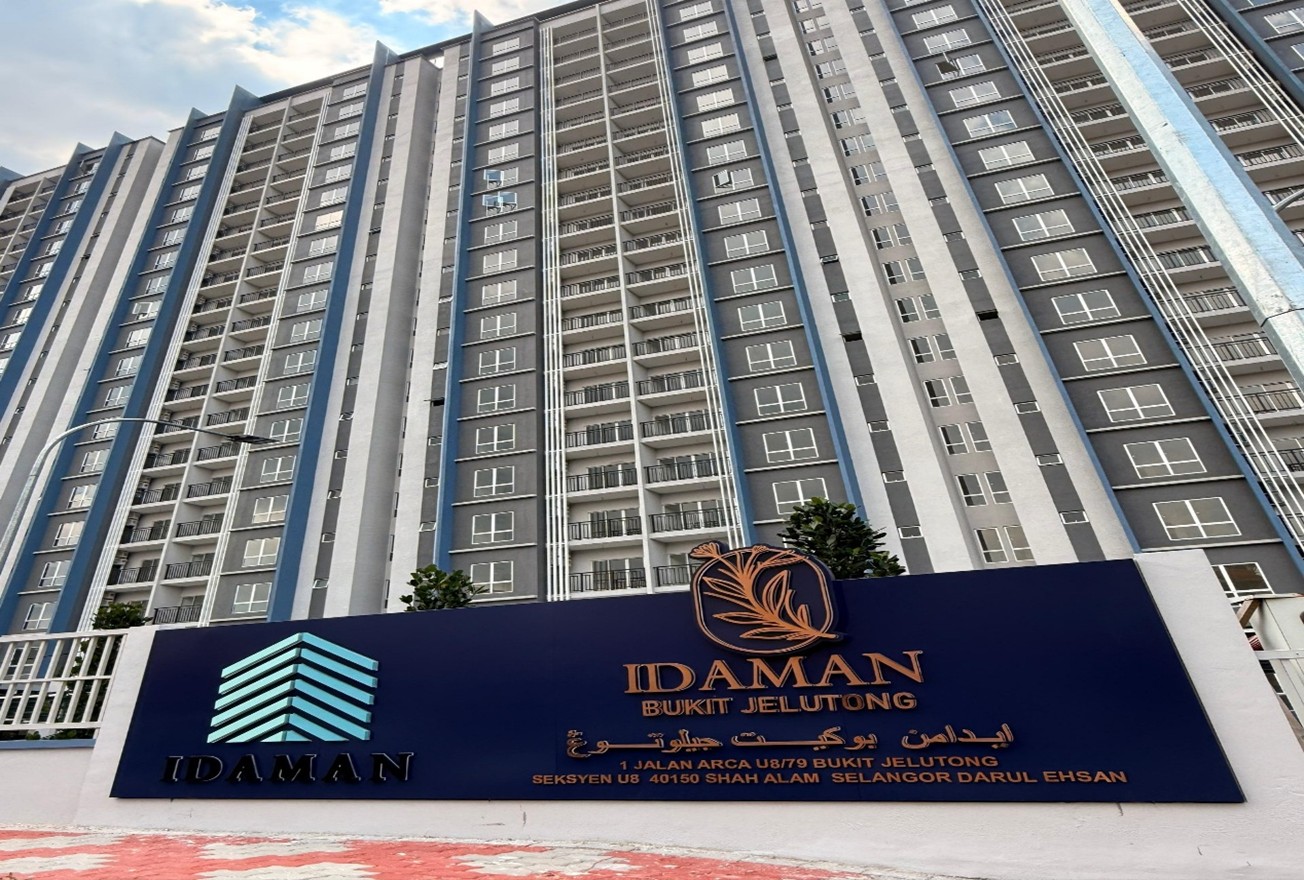
More than just providing a basic project, Rumah Idaman developments resemble a condominium. Idaman Bukit Jelutong, for example, includes facilities such as a swimming pool, gym, jogging track and rooftop garden.
While it raises eyebrows on the long-term maintenance costs, PNSB said livability and affordability are balanced through high-density planning where the facilities are shared across many units, reducing the cost impact per household. In addition, the units are also partially furnished with electrical appliances.
“We want to provide homes that are comfortable. We provide air conditioning, water heaters and two parking bays (for each unit), and we ask, what else? We look at the whole ecosystem. All we do is a little bit more thinking,” Raja Ahmad said.
He added that cost-effectiveness is an embedded criterion among its partner developers. MGB Bhd and Gagasan Nadi Cergas both utilise Industrialised Building System (IBS) to achieve economies of scale. Additionally, Gagasan Nadi Cergas said it leverages the design-and-build approach to optimise cost. This allows the developer to deploy a full scope of in-house expertise from development planning and architectural design to quantity surveying, procurement and project management.
“The design and build model is complementary to affordable housing development, where cost effectiveness and efficient execution are critical to delivering value-driven products on a large scale,” managing director Datuk Wan Azman Wan Kamal told StarProperty, adding that design-and-build contributes to a cost-saving rate of up to 10% in its development projects.
Reception for Rumah Idaman has been strong due to the project’s proximity to vibrant economic hubs, attractive pricing and the inclusion of furnishings.
MGB's 2024 annual report said that it had phenomenal sales success for Idaman Melur and Idaman Cahaya. Gagasan Nadi Cergas said Idaman Bukit Jelutong, its first completed Idaman project, is fully taken up while Idaman Kwasa Damansara, launched in 2024, has achieved a take-up rate of 81% and Idaman Amani, launched last year, recorded a take-up rate of 23% as of Dec 31, 2025.
“Our average ratio of interested buyers to available units stands at more than two times. Should a purchaser be unable to secure bank financing, a substantial pool of qualified buyers remains available to take their place, although the process of reviewing the list can be tedious,” Wan Azman shared.
Meanwhile, Raja Ahmad said that PNSB is in talks with banks to facilitate better financing access for homebuyers.
“We are also talking to banks in order to provide loans at a certain percentage, (as) sometimes homebuyers need more than 100%. We have been working on this for a couple of months,” he said.
The Rumah Idaman model has hit several sweet spots that position it as a viable blueprint for affordable housing. It lowers, or potentially bypasses the need for developers to employ cross-subsidies, which often result in price distortions in the open market. As a state agency, PNSB does not directly subsidise costs but instead provides support in project coordination, assisting with stakeholder engagement and providing consistent project pipelines to reduce uncertainty for its partners.
Finally, the standardisation of units, which allows for large-scale development, is key to cost efficiency. With a six-year track record and 10,264 units under construction, its continued success would merit adaptation across the country.
Stay ahead of the crowd and enjoy fresh insights on real estate, property development and lifestyle trends when you subscribe to our newsletter and follow us on social media.