

Contributed by Brig Gen Datuk Goh Seng Toh
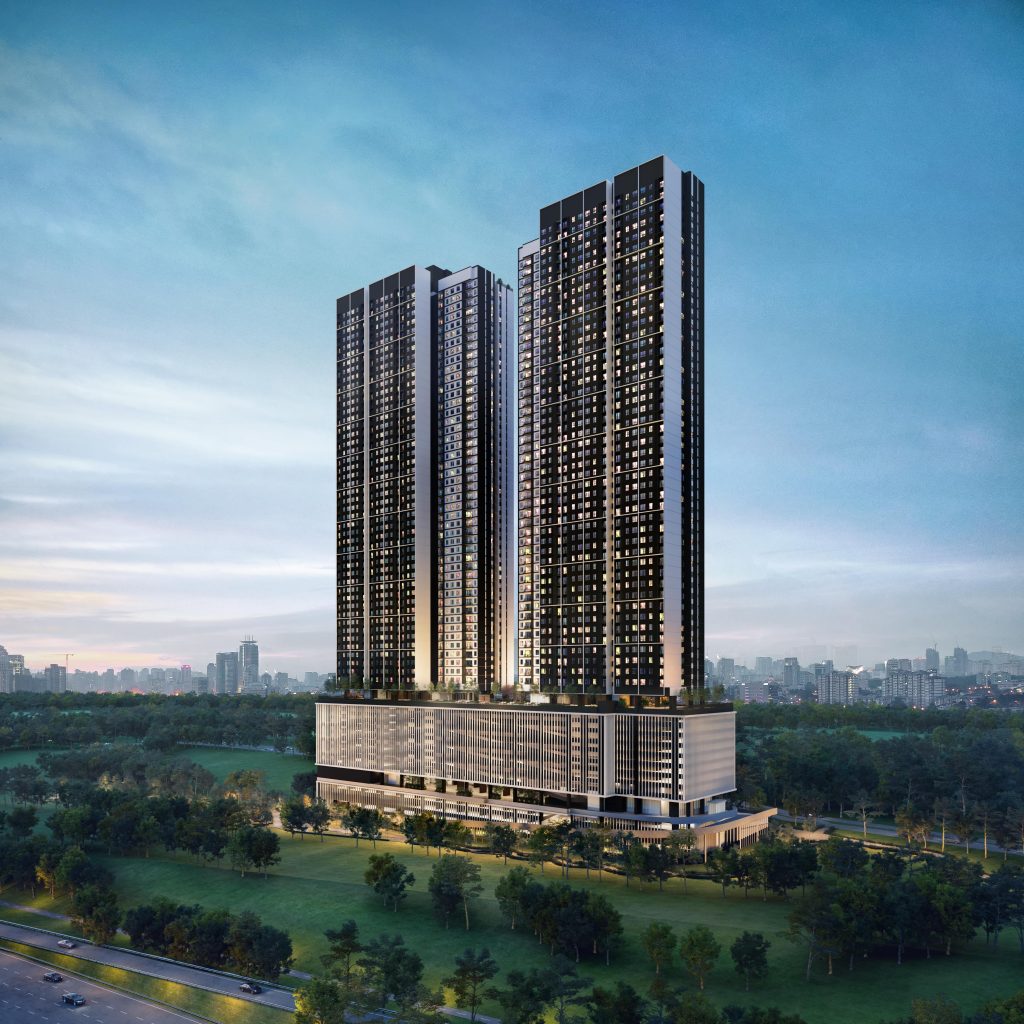
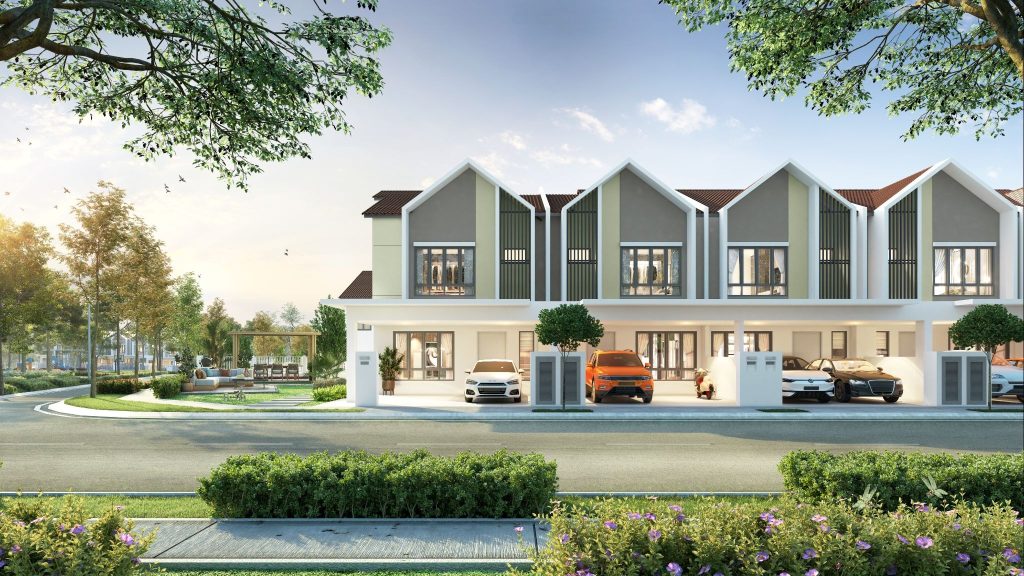
For decades, Malaysia has introduced numerous affordable housing programmes under various banners like Rumah Mampu Milik, Rumah Selangorku, Residensi Madani and PR1MA. Regardless of branding, their core objective remains identical, that is, to make home ownership attainable for first-time buyers. Yet, a fundamental question remains unresolved: How should affordable homes actually be priced?
Currently, affordable homes are often priced relative to prevailing market values rather than their true development cost. If these developments serve a social purpose, allowing speculative market forces to dictate their pricing undermines their fundamental intent. Malaysia must adopt a new philosophy - one that replaces speculative pricing with a transparent, cost-plus-profit model that pairs verified development expenditure with a regulated profit margin.
Housing differs fundamentally from general consumer goods. Families can defer purchasing vehicles, electronics or luxury items but the need for shelter is immediate and absolute. A home provides dignity, security and the foundation for family stability.
While market-driven pricing functions effectively within the broader private property sector, affordable housing exists precisely because free-market mechanisms fail to deliver homes within reach of ordinary citizens. Continuing to price public housing based on market expectations destroys the purpose of these interventions.
Under a cost-plus framework, developers would be entitled to earn a fair, predictable return. Property development involves entrepreneurial risk, significant capital and complex management. Developers deserve equitable compensation for these risks but affordable housing must never serve as a vehicle for speculative profit maximisation.
Capping profits and maximising public incentives
To balance commercial viability with social necessity, the government should establish a profit ceiling for affordable housing projects. A regulated profit margin of 10% to 15%—determined through consultation with industry stakeholders, economists and consumer advocate groups—would provide a fair framework.
Regulated pricing is neither unusual nor anti-business. Essential public sectors such as utilities, public transit, water and healthcare operate under regulatory oversight to protect the public interest. Housing requires similar recognition.
This approach becomes essential when developments receive government support. Many affordable projects benefit from subsidised state land, higher plot ratios, tax incentives, reduced development charges and expedited planning approvals. Because taxpayers fund these concessions, the resulting benefits must translate directly into lower purchase prices rather than expanded corporate margins. Public assistance must yield public benefit.
When local authorities grant higher development densities, developers construct more units on the same footprint, reducing land cost per unit. These economies of scale should lower purchase prices rather than inflate corporate returns.
Institutional transparency and international precedent
Transparency must anchor affordable housing policy. Developers participating in state-supported programmes should submit comprehensive cost statements—covering land acquisition, civil works, financing, professional fees and statutory contributions—to an independent body before price approval.
Global precedents prove that cost-based public housing is both practical and sustainable:
- Singapore (HDB): The Housing and Development Board prices flats based on development costs, household income capacity and targeted subsidies, deliberately insulating public housing from speculative private markets.
- Vienna, Austria: Recognised globally for housing quality, Vienna combines strong planning oversight, regulated developer returns and strict cost controls to ensure long-term affordability.
- European housing associations: Multiple European jurisdictions enforce regulated return frameworks, ensuring public assistance directly benefits residents.
Malaysia does not need to replicate these systems entirely but it must adopt their core principle: when public resources support housing, true affordability—not market speculation—must dictate the final price.
An independent commission proposed
To execute this policy effectively, the National House Buyers Association (HBA) proposes establishing an Independent Housing Price Review Commission (IHPRC) under the Ministry of Housing and Local Government.
Comprising representatives from the Ministry, the Valuation and Property Services Department (JPPH), HBA, professional bodies (valuers, quantity surveyors and accountants), economists and industry delegates, the Commission’s core responsibilities would include:
- Cost verification: Independently auditing submitted development expenditures.
- Price certification: Approving maximum allowable selling prices and profit margins before project launch.
- Market reporting: Publishing an annual Affordable Housing Pricing Report tracking construction costs, land values and incentive effectiveness.
- Margin calibration: Adjusting allowable margins periodically to reflect economic shifts, inflation or material cost fluctuations.
- Post-completion audits: Conducting compliance audits to ensure developers adhere to approved cost structures, penalising deliberate cost inflation through financial sanctions or disqualification from future public programmes.
Protecting end-users and national economic health
Affordable housing policies must also prevent secondary speculation. Homes built through public support must serve owner-occupiers rather than investors seeking short-term capital gains. Resale moratoriums must be strictly enforced. Where substantial subsidies are provided, shared-equity models can ensure public funds remain within the affordable housing ecosystem rather than turning into private windfalls upon resale.
The ultimate metric of housing success is not the volume of units launched but whether working families can finance and inhabit their homes without bearing crippling debt. Excessive mortgage commitments drain disposable income, depress domestic consumption, delay family formation and erode retirement savings. Genuinely affordable housing strengthens household resilience and drives broader economic stability.
The Housing Development (Control and Licensing) Act is recognised by Malaysian courts as protective social legislation. That protective philosophy must extend to price determination. Protecting home buyers begins not when the Sale and Purchase Agreement is signed but when the purchase price is calculated.
A 5-pillar reform package
Affordable housing must not become market-priced housing wearing an affordability label. The government has an opportunity to introduce a structural reform package anchored by five key pillars:
- Cost-plus pricing: Determining selling prices from verified expenditures rather than speculative market comparisons.
- Regulated profit caps: Limiting developer margins to a fair 10%–15% range on public-interest developments.
- Mandatory cost transparency: Requiring open-book cost submissions before launch approvals.
- Institutional oversight: Establishing the Independent Housing Price Review Commission (IHPRC).
- Post-completion audits: Enforcing strict compliance penalties to maintain public accountability.
This framework does not penalise efficient developers; it rewards operational discipline, eliminates excessive profiteering and ensures that where public resources are deployed, the public remains the primary beneficiary.

This article was first published in StarBiz 7.
Stay ahead of the crowd and enjoy fresh insights on real estate, property development, and lifestyle trends when you subscribe to our newsletter and follow us on social media.