By Joseph Wong
If a person walks into any modern mall or shopping complex in the Klang Valley, Johor Bahru or Penang, he or she will find an environment explicitly designed to capture that person’s time. With over 1,000 malls and shopping complexes spread throughout Malaysia, shoppers are undeniably spoilt for choice.
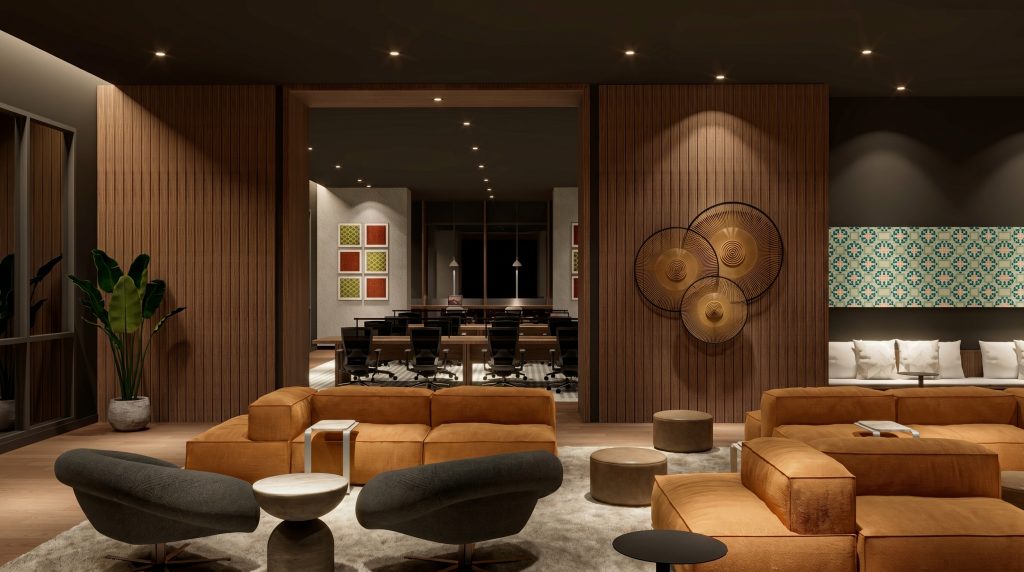
Step away from the traditional storefronts and one is immediately greeted by a sprawling ecosystem of lifestyle lounges, glass-fronted coworking zones, artisanal coffee shops and deeply cushioned seating alcoves. These are the modern iterations of the third space, that vital realm of social life distinct from both the domestic environment of the home (the first space) and the productive environment of the workplace (the second space).
Yet, beneath the polished marble floors and under the soft glow of designer lighting, a heated national debate is taking root. As Malaysian shopping malls become highly saturated with these commercialised rest zones, urban planners, sociologists and citizens are asking a fundamental question: Have we built one too many commercial third spaces at the expense of genuine, free and publicly accessible community infrastructure?
The air-conditioned sanctuary
To understand how Malaysia reached this saturation point, one must look at the country’s unique socio-climatic reality. Unlike temperate Western nations where the third space historically manifested as open town squares, public parks or walkable high streets, Malaysia’s geography demands a different architectural response.
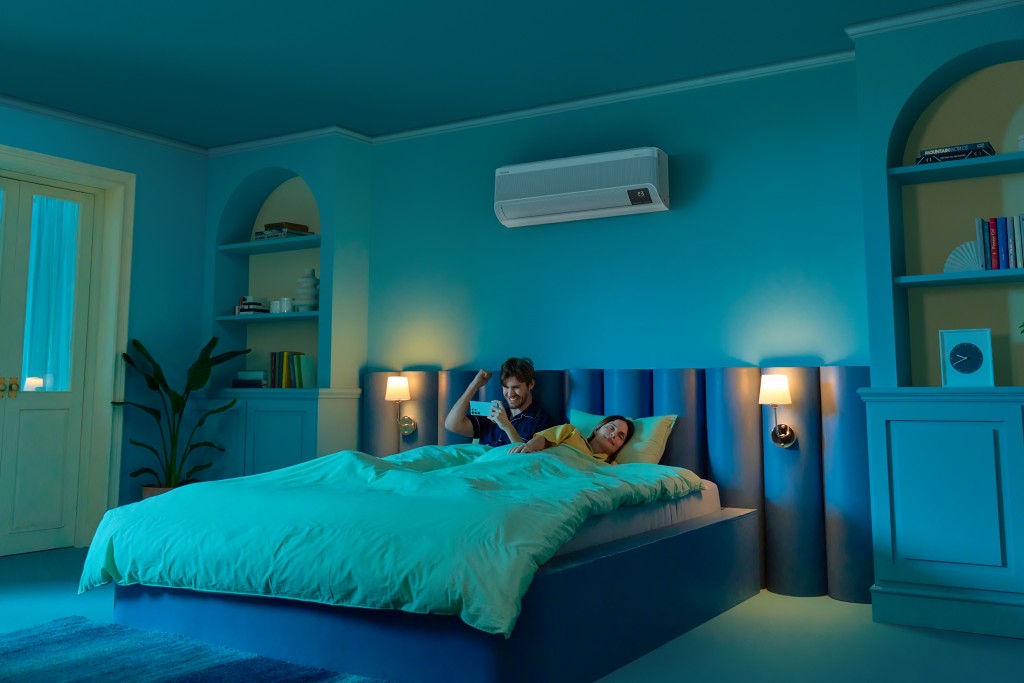
Faced with year-round high temperatures, oppressive humidity and sudden heavy downpours, the enclosed, air-conditioned malls naturally evolved into the primary public spaces and community gathering spots.
This climate dependency is reinforced by Malaysia’s car-centric infrastructure. In many suburban developments, residential neighbourhoods are structurally cut off from one another by multi-lane highways, making street-level walking impractical.
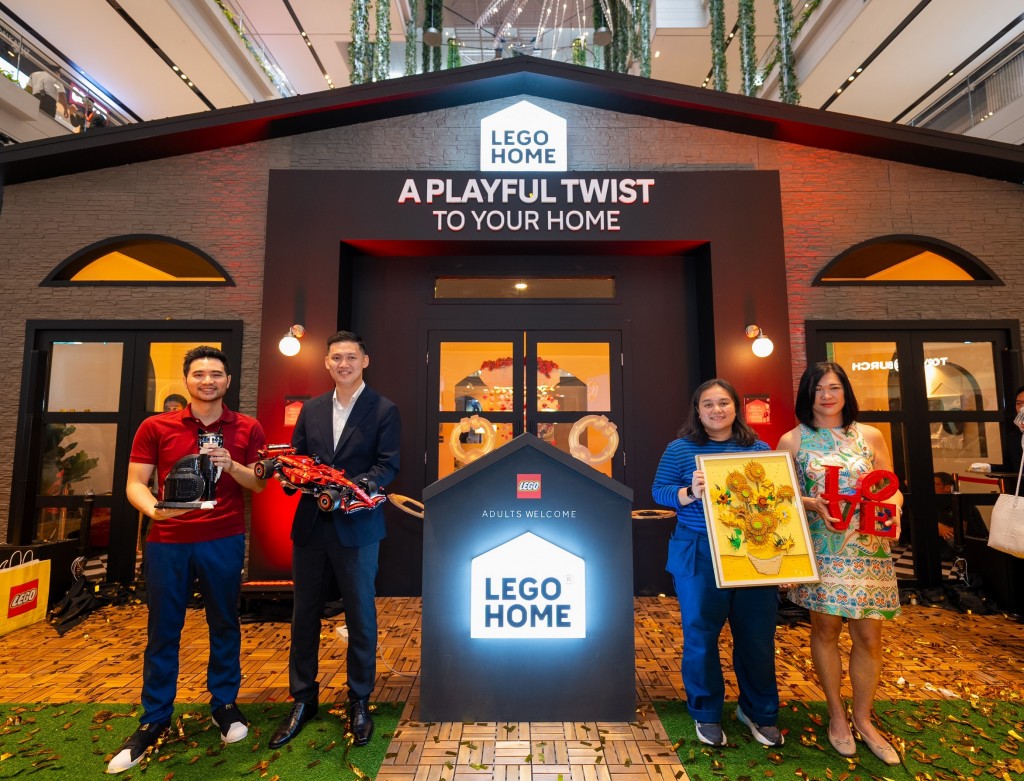
Consequently, the local shopping complex became the only viable destination where multi-generational families, teenagers and senior citizens could gather safely, exercise along indoor corridors and socialise without exposure to extreme weather. Recognising this, mall developers and operators spent the last decade shifting their portfolios away from pure product retail and toward retail-tainment and lifestyle integration, turning the concept of the third space into a central marketing anchor.
When experiential retail layouts and stylised lifestyle seating zones were first introduced to the Malaysian retail landscape, they were welcomed like manna from heaven. They offered a refreshing upgrade from the uninspired, rigid food courts and bare corridors of late-20th-century shopping centres. However, as virtually every major mall replicated this strategy, the concept began to run into a structural problem: absolute monetisation.
To funnel shoppers into these third places, many malls even started removing or minimising public seating. As this becomes more obvious, critics have been pointing out that the modern mall's third space is almost entirely transactional.
If a student wants to utilise a laptop lounge to finish or tidy up an assignment, a remote professional seeks a co-working zone to answer emails or a group of friends simply wants to sit and converse, they face an unwritten financial rule. To legitimately occupy the space, one must buy an overpriced iced latte, a pastry or pay an hourly gate fee.
This monetisation turns what should be a democratic public square into an exclusionary zone. Those who cannot or choose not to continuously spend money are subtly discouraged from lingering. Security guards, timed Wi-Fi logins and the deliberate reduction of public benches ensure that foot traffic keeps moving unless it is actively generating revenue.
This financialisation of common space leaves a significant gap in our urban fabric, depriving communities of spaces where individuals can exist, relax and connect without a transactional receipt.
The dilemma of ageing retail properties
While premium, centrally managed flagship malls continue to draw crowds with upscale lifestyle spaces, the story is entirely different for older malls and secondary shopping centres. Across the country, many of these ageing retail properties are struggling with high vacancy rates, quiet corridors and decaying infrastructure. They have fallen victim to oversupply and changing consumer tastes.
This structural decline has sparked progressive discussions within municipal planning circles regarding the legal and physical conversion of these dead spaces into non-commercial public assets.
Instead of letting a vacant retail wing sit empty, forward-thinking planners suggest converting these spaces into indoor community sports halls for badminton and futsal or creating climate-controlled indoor green facilities and public libraries.
The primary challenge to this conversion is the fragmented ownership structure typical of older strata titles. However, if local councils and property owners can establish legal frameworks to consolidate these spaces, retrofitting dying retail complexes into civic infrastructure could solve two problems at once: it would revitalise failing real estate and provide communities with the free public spaces they desperately need.
The solution to Malaysia's third-space dilemma does not require abandoning shopping malls or dismantling commercial cafes. Given our tropical climate, the mall will likely remain a central anchor of public life. Instead, the industry needs to push for a more balanced, inclusive approach to urban design.
Modern property developers and operators must realise that a mall's long-term health depends on genuine community integration. Incorporating free public seating, accessible community art spaces, indoor botanical pockets and unmonetised play areas for children creates an environment where people feel valued as members of the public rather than just consumers.
This civic goodwill naturally builds long-term loyalty, driving sustained foot traffic that ultimately benefits the surrounding retail ecosystem.
Reclaiming the public essence
Malaysia’s love affair with the shopping mall is a practical response to our climate and urban layout. However, our reliance on air-conditioned complexes should not force us to accept a completely financialised public life.
The saturation of hyper-commercialised lounges and pay-to-stay cafes proves that we have plenty of transactional spaces but remain starved for true community hubs.
By actively converting vacant commercial spaces into public amenities and designing newer developments with free, unmonetised social zones, Malaysia can rewrite its urban narrative. The future of our cities should not be measured merely by retail spending per square foot but by the health, inclusivity and freedom of our shared spaces.
This article was first published in StarBiz 7.
Stay ahead of the crowd and enjoy fresh insights on real estate, property development and lifestyle trends when you subscribe to our newsletter and follow us on social media.