

KUALA LUMPUR: Malaysia's property market is expected to remain resilient in the second half of 2026, supported by steady economic growth, infrastructure investment and resilient demand. However, Knight Frank Malaysia says the market is becoming increasingly selective, with occupiers and investors prioritising quality and specialised assets over conventional space.
The consultancy's Real Estate Highlights (REH) 1H 2026 report found that while economic fundamentals are still supportive, demand is increasingly centred on properties that are purpose-built, well-connected and future-ready.
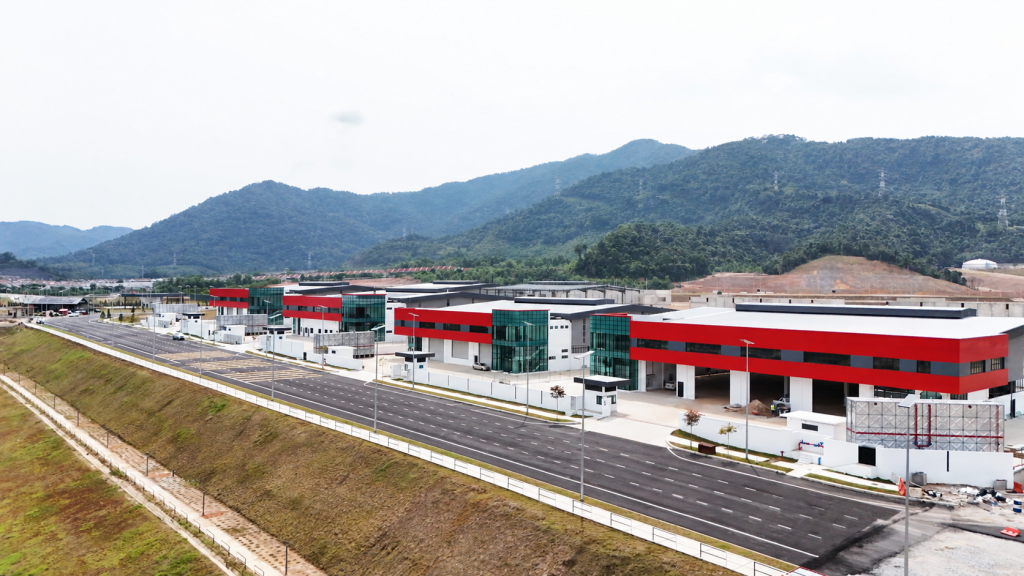
One of the clearest trends is the growing preference for specialised real estate. In the industrial sector, occupiers are seeking facilities such as data centres and workers' accommodation, especially cold chain logistics. Meanwhile, office tenants continue to favour Grade A buildings, transit-oriented developments and flexible workspaces while retailers are focusing on integrated lifestyle destinations that offer more than traditional shopping.
This shift is also pushing for quality. Limited new office supply has supported occupancy with newer Grade A buildings continuing to outperform older offices. In retail, well-positioned malls with curated tenant mixes and experiential offerings like the new Godzilla store in Lalaport are expected to remain more competitive as new supply enters the market.
Beyond Klang Valley, Knight Frank noted that growth opportunities are emerging across other regions. Industrial activity continues to strengthen in Kulai and Seberang Prai while Sabah locations such as Kudat, Kota Belud and Beaufort are attracting greater attention. In East Malaysia, tourism and energy-related industries are also supporting demand for hotels, short-term accommodation and office space.
The data centre sector remains another bright spot, although future developments are expected to become more selective. Knight Frank said around RM1.43bil worth of disclosed land transactions involving 293 acres were recorded in Banting and Kapar during the first half of the year. However, factors such as power availability, water resources and infrastructure readiness are becoming increasingly important in determining where new projects can be developed.
Retail and hospitality also continue to benefit from resilient consumer spending and recovering tourism. Knight Frank expects that Visit Malaysia 2026, expanding air connectivity and continued growth in international arrivals will be able to support demand. However, operators will need to differentiate themselves through stronger customer experiences and service quality.
Ultimately, global trade tensions, geopolitical uncertainty and rising logistics costs remain risks but Knight Frank believes Malaysia's property market is well-positioned to weather these challenges. The report suggests that investors and occupiers are placing greater emphasis on quality, resilience and long-term value instead of focusing on expansion alone.
Stay ahead of the crowd and enjoy fresh insights on real estate, property development and lifestyle trends when you subscribe to our newsletter and follow us on social media.