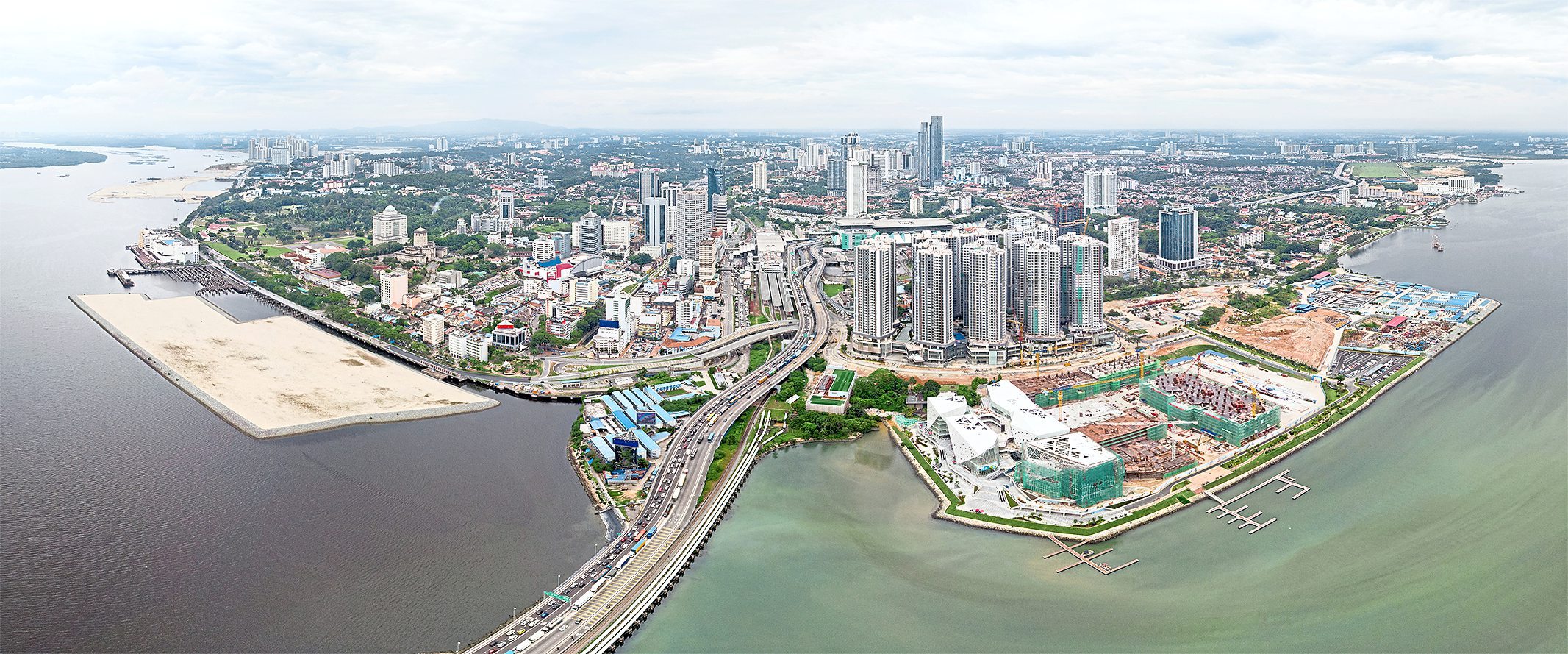
The southern horizon becomes Malaysia’s prime investment apex
By Joseph Wong
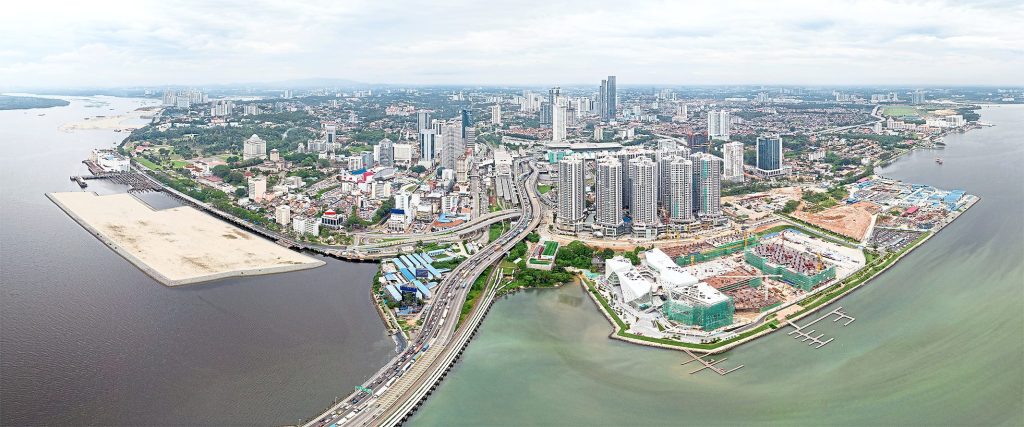
For decades, the narrative surrounding Johor’s property market was one of unfulfilled potential, treated as a sleeping giant resting quietly in the shadow of Singapore’s skyline. However, moving through 2026, that narrative has fundamentally shifted. Johor has officially decoupled from the rest of the national market, transforming from a speculative territory into a high-velocity, structurally sound real estate powerhouse.
Driven by unprecedented governmental focus, critical infrastructure delivery and geopolitical shifts, Johor has emerged as the undisputed regional hotspot for transaction activity, capital appreciation and foreign direct investment (FDI).
The catalysts for structural transformation
Johor’s economic ascent is not a speculative bubble but the result of a convergence of massive infrastructure projects and targeted economic policy re-rating the state's long-term value.
The primary engine of this growth is the Johor-Singapore Special Economic Zone (JS-SEZ). Designed to seamlessly blend Singapore’s financial capital with Johor’s land and labour resources, the JS-SEZ is a massive economic stimulus. Juwai IQI estimates that the special economic zone could add up to RM19.8bil to Malaysia’s GDP within the next ten years, creating high-value jobs and driving massive domestic and cross-border demand for quality housing.
Complementing this zone are the Forest City Special Financial Zone (SFZ) which targets high-value service industries and the imminent completion of the Rapid Transit System (RTS) Link. The RTS Link functions as a literal bridge to higher valuations, connecting Johor Bahru directly to Singapore’s transit network. Once operational, it will allow cross-border workers to effortlessly earn in SGD while enjoying the more affordable, high-quality lifestyle on offer in Johor.
Furthermore, amid ongoing global instability in the Gulf, international capital is increasingly viewing Johor as a safe haven. Boasting robust infrastructure resilience, secure energy pricing and a workforce ready to support hyperscale digital footprints, Johor has become a preferred destination for global tech investments, particularly in secure, attack-proof data centres.
Unprecedented market outperformance
While the rest of the country maintains a steady, healthy baseline supported by Bank Negara Malaysia’s prudent monetary policy, as evidenced by the Overnight Policy Rate (OPR) stabilising at 2.75%, Johor's residential metrics have shattered expectations.
Data from the National Property Information Centre (Napic) reveals that while the national average for house price appreciation sat at a modest 0.7%, Johor recorded a 5.3% annual surge in overall pricing. According to real estate firm JLL Malaysia, specific high-end segments left national averages far behind:
- Serviced apartments: Exploded by 25.4% in price growth (led by prime developments like R&F Princess Cove).
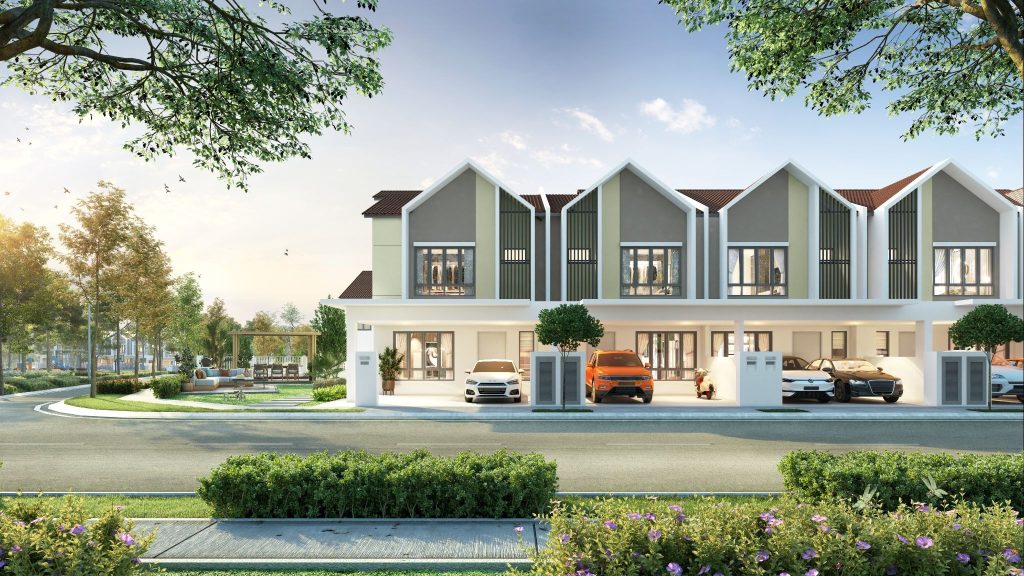
- Two-storey terrace houses: Climbed by a robust 11%.
- Standard apartments and condominiums: Rose by 7.5%.
Even though overall transaction volumes saw a temporary, healthy consolidation of 17% following a massive wave of pandemic-delayed project completions, the underlying demand remains incredibly strong. Real estate experts point out that because Johor Bahru's residential market started from a much lower base compared to the Klang Valley or Penang, there remains significant room for price growth throughout 2026, especially for transit-oriented developments (TODs) and properties adjacent to commercial hubs.
The mathematics of positive carry
For property investors, the most compelling aspect of the 2026 Johor narrative is the rare mathematical advantage of positive carry.
In most premium property markets, high financing costs frequently eat into rental profits. Johor, however, offers a lucrative disconnect. Gross rental yields in Johor Bahru are currently averaging between 5.0% and 6.5% while standard mortgage rates for a typical 30-year loan float comfortably around 4.5%. Effectively, tenants are paying off the investor's mortgage while the owner reaps the rewards of aggressive capital gains. At the current trajectory, a RM400,000 property purchased today is projected to appreciate to more than RM530,000 by 2031, promising a massive return on equity for early buyers.
Demographics and placing the sniper bets
Johor’s economic boom has turned it into a powerful demographic magnet, capturing nearly 75% of Malaysia’s interstate migration. With an annualised population growth rate of 12.5%, Johor’s residency is on track to double in just six years, signalling a looming shortfall in housing supply that will continue to push prices upward.
This trend is reinforced by Malaysia's youth-heavy demographics. Over 25% of the population is under 29 and another quarter is aged 30 to 44 which are the prime years for first-time home purchases and property investments. As these individuals migrate toward the high-value job opportunities created by the JS-SEZ, purchasing power will concentrate heavily in the south.
However, analysts warn against a buy-anything approach, advising a targeted strategy focused on the Top 3 power zones: Iskandar Puteri, Tebrau and the RTS Corridor.
The foundations are laid, the infrastructure is arriving and the investment wave has officially reached the shore. Driven by the infrastructure integration of the RTS Link and the macroeconomic powerhouse of the JS-SEZ, Johor has successfully transformed its real estate market from a landscape of potential into Malaysia's definitive investment apex.
However, the early entry window for investors is closing fast. As full economic integration with Singapore nears reality, the affordable entry points of today will soon become a distant memory. For those looking to capture elite yields and explosive capital growth, all eyes must remain firmly fixed on Johor.

Stay ahead of the crowd and enjoy fresh insights on real estate, property development and lifestyle trends when you subscribe to our newsletter and follow us on social media.