By Datuk Stewart Labrooy
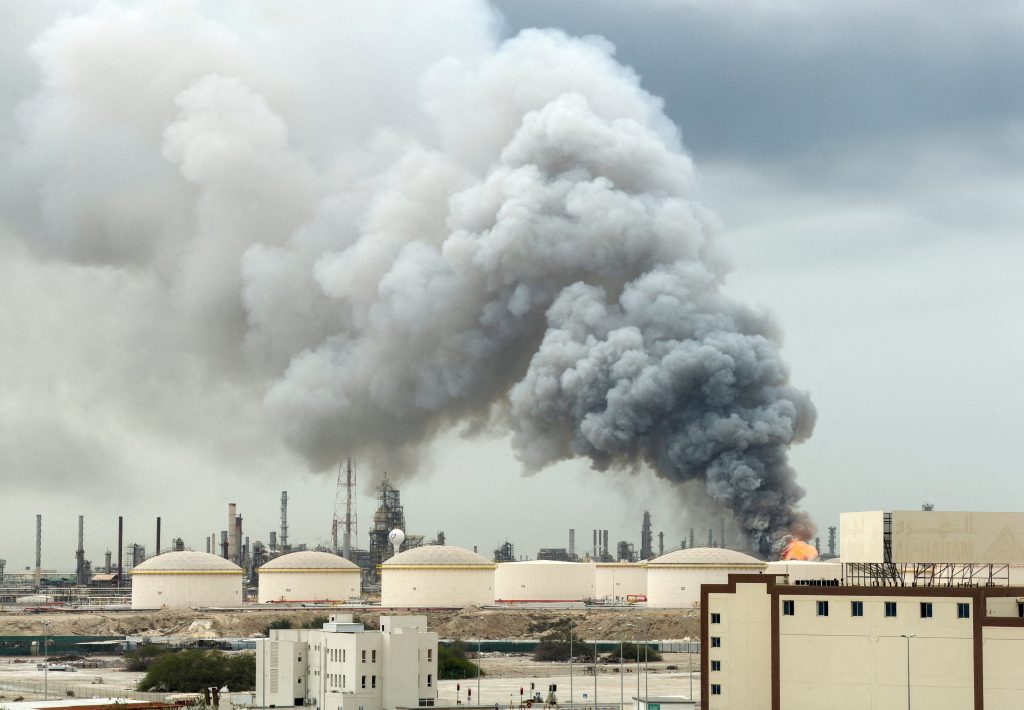
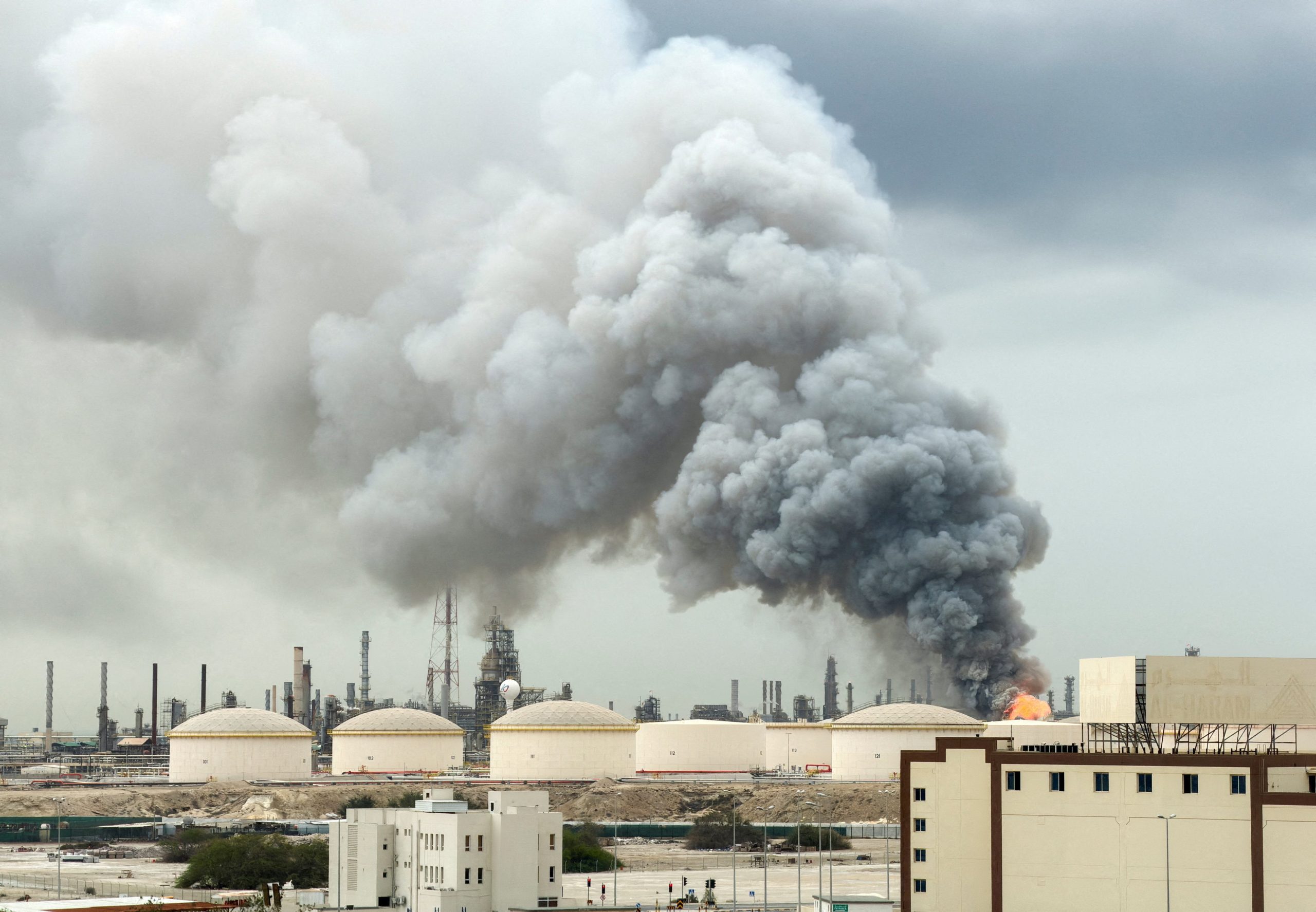
At 3:47 am on March 2, 2026, the fundamental rules of global infrastructure investment shifted. Kinetic strikes on three Amazon Web Services (AWS) data centres in the UAE and Bahrain proved that the cloud is vulnerable to physical warfare. For hyperscalers like Microsoft, Google and Amazon, which had committed tens of billions to Gulf digital infrastructure, the image of the Middle East as a stable haven evaporated in, pardon the pun, a cloud of drone-fired debris.
As capital values predictability above all else, the focus has pivoted toward Southeast Asia. Malaysia, specifically, finds itself at a historic crossroads. Can it capture the massive tide of digital and real estate investment fleeing regional volatility?
The destruction of Gulf facilities has introduced a chilling new variable into the risk registers of multinational corporations. For years, hyperscalers treated data centres as neutral, invisible infrastructure. The March attacks sent a clear message: if servers can be targeted in Dubai, they are a legitimate theatre of war anywhere.
This realisation has fundamentally altered how digital investments are assessed. Every cloud provider is now asking questions that, weeks ago, would have seemed alarmist:
- What is the air defence coverage surrounding our facilities?
- How close are we to high-risk geopolitical targets?
- Can we shift workloads to Southeast Asia within weeks rather than months?
In this new calculus, the property industry is no longer just about floor space and cooling; it is about sovereign security.
The Malaysian advantage: Security and scale
Geography has become Malaysia’s greatest asset. Unlike the Gulf, Malaysia sits astride no strategic military chokepoints and has no hostile neighbours with ballistic capabilities aimed at its industrial zones. Its data centre hubs, particularly in Johor, which now rivals Singapore in capacity, are seen as secure, boring (and therefore desirable) assets.
The country offers a buffer that few regional peers can match. Beyond physical safety, Malaysia provides:
- Proven infrastructure: Existing hyperscale investments from Google, Microsoft and ByteDance have already stress-tested the local grid and connectivity.
- Cultural and legal comfort: It remains an attractive destination for Middle Eastern funds seeking a Muslim-majority environment that operates under predictable legal frameworks.
- The safe distance factor: In a world where digital infrastructure has become a theatre of war, being far from the Middle Eastern tinderbox counts for more than any tax incentive.
The property industry’s new blueprint
The influx of fleeing capital is not limited to server racks as it extends to the broader property ecosystem. The industrial real estate sector is seeing an uptick in inquiries from Gulf-based companies and international funds looking to diversify their portfolios rapidly.
However, this transition is complicated by the US$100+ Barrel Conundrum. As a net energy exporter, Malaysia benefits from higher oil prices through Petronas’s increased contributions to state coffers. Finance Minister II Datuk Seri Amir Hamzah Azizan has emphasised that this status provides a buffer against global volatility. Yet, the domestic cost of maintaining fuel subsidies creates fiscal pressure.
The arithmetic is brutal (see Table 1). If oil remains at US$100 for just three weeks, the government could face an additional RM3bil to RM5bil in subsidy expenditure within a single quarter. For the property industry, this raises a critical question. Will the government absorb the cost to keep the investment climate vibrant or will it pass it through, impacting the operational costs of energy-hungry data centres?

The strategic window
The opportunity for Malaysia to become a global digital vault is real but finite. To transition from a passive welcome mat to an active capturer of capital, the government must address the long-term sustainability of its energy pricing. Data centres are energy-intensive; investors need certainty that power costs will remain stable even if global oil markets remain in turmoil.
As AWS warns clients that the Gulf’s operating environment remains unpredictable, Malaysia’s stability looks increasingly like a premium product. The country offers diversification without decoupling. In short, it serves as a halfway house for capital that needs to maintain access to Asian growth without the direct geopolitical risks associated with the Middle East or the supply chain complexities of mainland China.
The Visit Malaysia Year 2026 campaign may face headwinds due to global travel jitters and rising jet fuel costs but the industrial sector tells a different story. While tourism confidence is the first casualty of conflict, industrial permanence is the ultimate goal for fleeing capital.
The China factor
There is another dimension to this crisis and it involves the elephant in every Southeast Asian room. Beijing depends heavily on Iranian and Venezuelan crude, and disrupting those supplies constrains China's economic growth. If that is indeed part of the strategic logic behind American actions in the Gulf, then the conflict's economic aftershocks will reverberate most powerfully through supply chains linking China to its Southeast Asian neighbours.
For Malaysia, which is deeply integrated with Chinese manufacturing and demand cycles, this is both a threat and an opportunity. A slowing China would dampen export growth and investment flows. But capital seeking to reduce its exposure to Chinese risks while maintaining access to Asian growth could find Malaysia an appealing halfway house. The country offers diversification without decoupling, proximity without dependency.
Can Malaysia bear the weight?
The window of opportunity is real but finite. Investors fleeing the Gulf will want certainty on energy pricing, on regulatory stability and on infrastructure resilience. They will want reassurance that Malaysia's own data centres are secure from the kind of attacks that crippled AWS's Gulf operations. They also want to see a workforce ready to support hyperscale digital investments.
The country has many of these pieces in place. Its energy export position provides genuine insulation that few regional peers can match. Its data centre infrastructure is proven and scalable. Its political stability in a region suddenly defined by its absence is a competitive advantage that cannot be overstated.
But the subsidy question still looms. If oil prices remain elevated for months rather than weeks, the government will face an agonising choice of absorbing the cost and watching the deficit balloon or pass it through and risk social discontent. Either option carries consequences.
The most sensible path, as Centre for Market Education chief executive officer Dr Carmelo Ferlito argued, is to accelerate the transition toward targeted subsidies and protecting the vulnerable while allowing price signals to function. However such reforms take time and capital is moving now.
For the first time in a generation, the Gulf's loss could genuinely be Southeast Asia's gain. Malaysia has the foundation to receive it. What it needs now is a coherent strategy to capture capital that is suddenly, urgently, looking for a new home. The phones are ringing. The question is whether anyone in Kuala Lumpur is ready to answer.

This article was first published in StarBiz 7.
Stay ahead of the crowd and enjoy fresh insights on real estate, property development and lifestyle trends when you subscribe to our newsletter and follow us on social media.