The heart and heritage of Sarawak architecture
Courtesy of Datuk Augustine Wong
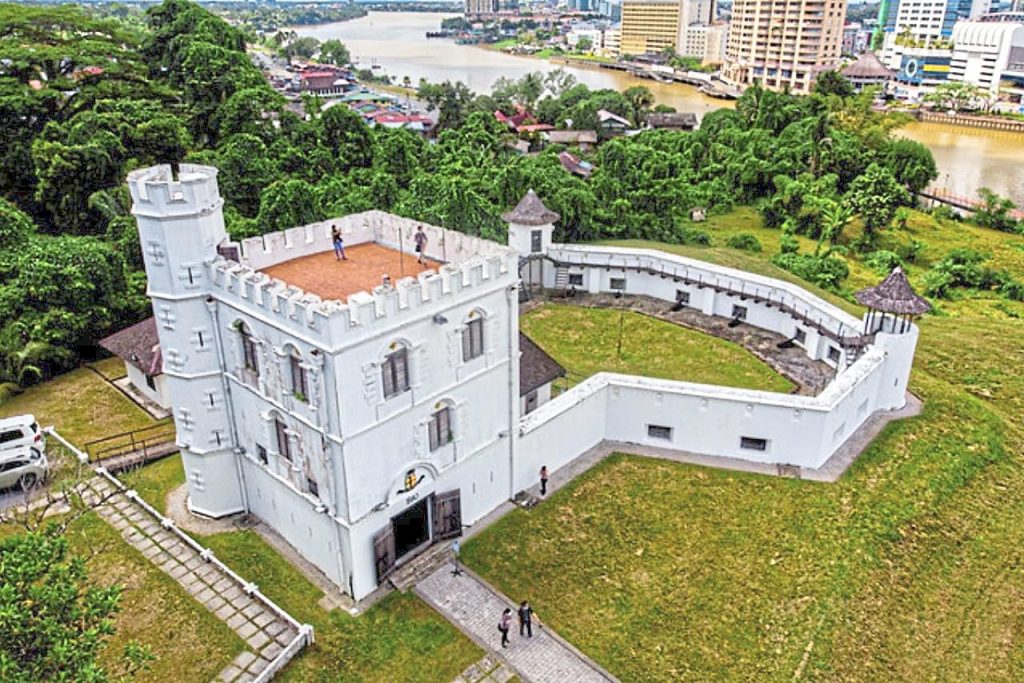
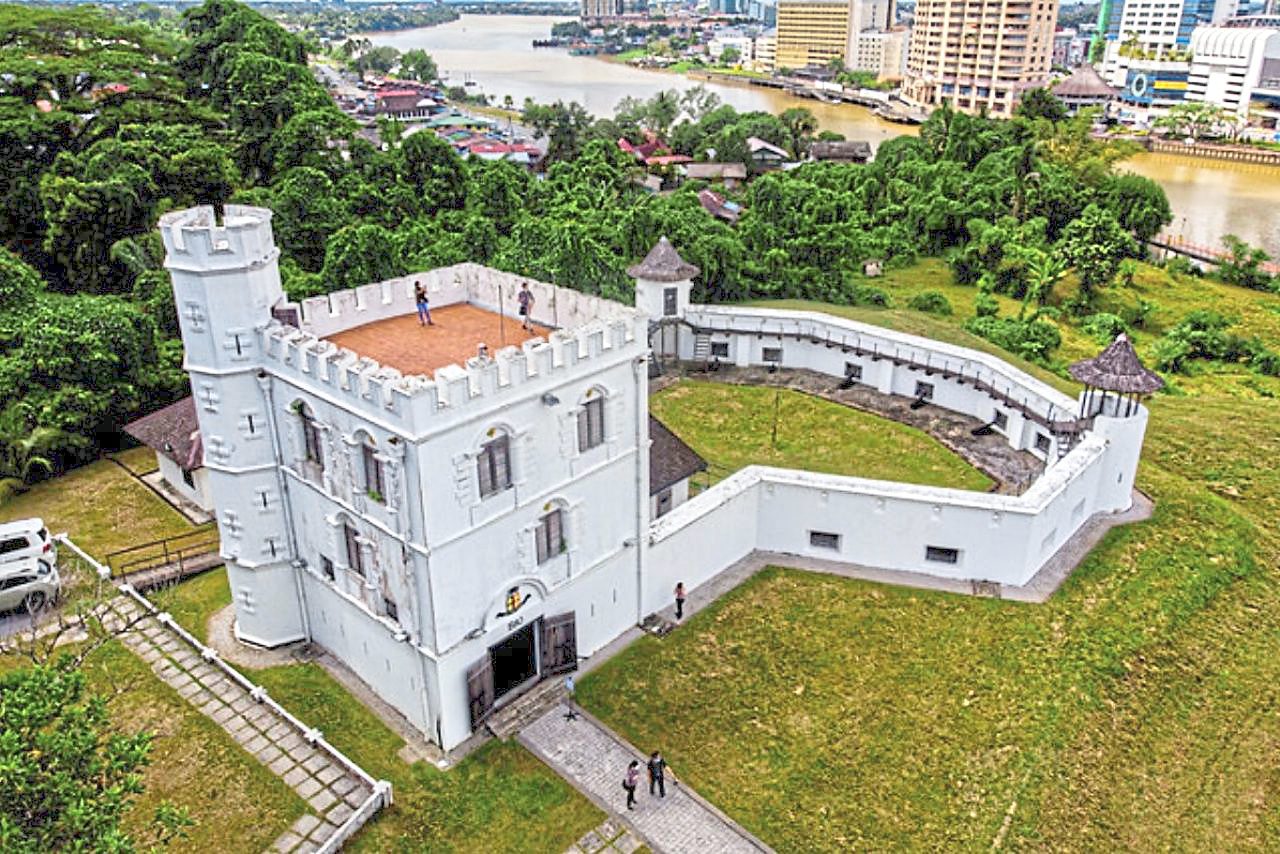
Some of our earliest landmarks such as Tua Pek Kong (1770), the Old Court House (1874), Fort Margherita (1879), sections of St Thomas’ Secondary School (1885) and St Joseph’s Secondary School (1894), respectively, Fort Hose (1899) and in later years, the General Post Office and Central Police Station (both 1931) possess a certain je ne se quoi about them.
What makes these buildings even more impressive is their steady embodiment of essential characteristics of sustainability – thoughtful design, timeless quality, durable construction and low environmental impact – all fashioned without the benefit of artificial intelligence, robotics or green technology.
The beauty of our heritage buildings is that they express knowledge, intelligence and wisdom, from both their country of origin as well as the country in which they are sited, standing as visual and physical interpretations of different worlds, united and wonderfully unique, incorporating influences such as thatched roofs of Malay houses, Chinese-style courtyards and air wells and European-inspired masonry.
In many ways, this pluralistic union is also reflected in the way Sarawakians relate to each other. The culture of sharing diverse local ethnic cuisines under one roof, as notes of satay, kampua and jani pansuh hum alongside rojak kucei, char kueh teoy and ikan pari bakar with extra sambal belacan is no uncomfortable pandemonium to be silenced but a familiar harmony, a heart song sewn into our social fabric, mirrored by our buildings which hold memories of communities evolving together.
Just as cross ventilation was a natural answer in a world with no available electricity-powered air-conditioning, working with the environment instead of against it is the cornerstone of discernment in design. The siting of structures, aligning function and strategy to topography and the adaptation of British architecture to local building materials from ironwood (belian) to mosaic floor tiles, demonstrates active consideration by our industry’s pioneers in making climate-sensitive decisions with eco-conscious resources.
It is impossible to overstate the genius of belian. The official trees of Sarawak, its capacity as a natural load-bearing structure is unrivalled; almost every shophouse in the old quarter of all major cities throughout Sarawak owes its foundation to this exceptionally dense and pest-resistant black gold. In the same pre- and post-war shophouses, a precursor to today’s mixed-development projects, we will also be able to find nostalgic, speckled mosaic tiles lining floors in an assortment of hues from blue, green and grey. In addition to providing charm, the recognisable geometric tiles were practical, cool to the touch, anti-slip and durable, altogether ideal in supporting prolific trading and footfall.
Understandably tedious to implement, they soon faded from mainstream in favour of larger, glossier tiles. Recently, however, we have seen an increased interest in restoring these traditional surfaces with innovative methods to meet the modern market.
More importantly, it is our great hope that leaders will encourage the same extraordinary commitment to detail, precision craftsmanship and project ownership in their teams with an aim to continually balance enhancing standards of living with market affordability and project feasibility. The principles of sustainability are fundamental to people and project developments, and yet along the way, we have somehow, as a global community, managed to reduce its core nature to a carrot-and-stick certification checklist.
We have allowed our communication and vernacular to compartmentalise sustainability as a corporate obligation when the reality is far more embedded, from national economies to individual lifestyles.
That is not to say that certifications are irrelevant or that ESG policies are undesirable; they are in fact measurable signposts, guiding us towards reducing energy consumption and applying less invasive environmental methods within the context of this present age.
Yes, sustainability is seen through the way we preserve and repurpose our buildings into gastro-tourism hotspots and community centres, delivering incredible regional socio-economic impact, one example being the transformation of the old Sarawak Legislative Assembly building into Sarawak’s first designated Performing Arts Centre.
The push for environmental accountability drives rainwater harvesting initiatives, urban renewal programmes, carbon tax and exploration of green and blue energy. On a home front, the desire to provide efficient and dignified urban living in a way that meets the needs of evolving communities has led to changes in minimum setbacks, density ratios, retention ponds and other controls.
Through the ages of the White Rajahs, Japanese occupation and British colonisation to our early independence and merger as the Federation of Malaysia, our industry’s early pioneers, many of them immigrants, demonstrated resourcefulness, resilience and responsiveness to cultural, climate and construction challenges.
After two major fires razed Sibu town (1889 and 1928), the decision to use more durable materials and employ improved town planning provided impetus for modernization.
Whatever technological advancements may come, however the principles of construction may be packaged, even as trends rise and fall, Sarawak’s abiding heritage is the way her people relate to each other in community and the way in which we steward our land.
Development projects, regardless of scale, should seek to honour these values inherent to our society. May their own benchmarks of excellence and enduring legacy be anchored to this multi-faceted and nuanced commonality,

Stay ahead of the crowd and enjoy fresh insights on real estate, property development and lifestyle trends when you subscribe to our newsletter and follow us on social media.