By Prof Dr Ting Kien Hwa
Urban renewal has garnered much attention and debate of late on the Malaysian built environment. Currently, urban renewal projects are focusing primarily on old dilapidated high-rise strata properties in urban areas. Whilst the nation is relatively young, the majority of high-rise buildings are still relatively new and of low building age.
However, the urban renewal debate has missed out completely on the lifespan of individual buildings. During the life cycle of a completed building, building adaptation plays a significant role by providing various building use and occupation solutions and strategies at different phases of a building.
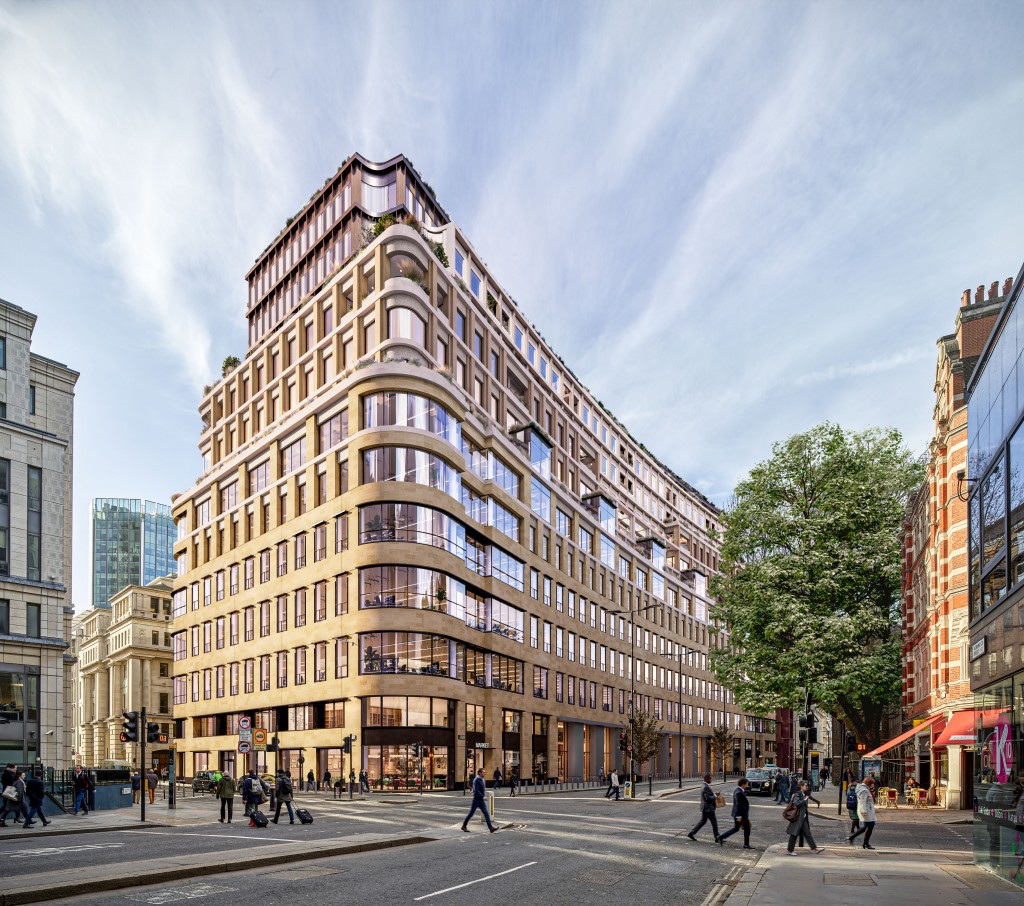
Generally speaking, building adaptation improves the physical building conditions to extend the life of a building. Specifically, building adaptation refers to a broad range of construction activities and interventions that modify existing buildings to improve their condition, extend their lifespan, change their function or enhance their performance in response to new requirements, challenges or opportunities. It is essentially about making an existing building suitable for evolving needs, rather than choosing to demolish it and build anew.
The need for adaptation
The concept of building adaptation is becoming increasingly important due to several critical factors. Sustainability goals drive the need to reduce embodied carbon, which is the emissions from construction materials and processes, by reusing existing structures. Economic efficiency is another major driver, as adaptation is often more cost-effective and faster than pursuing new construction. Heritage preservation allows for maintaining the historical and cultural value of existing buildings. Furthermore, changing societal needs require adapting spaces to new living arrangements, work patterns such as hybrid work or evolving community demands. Climate change necessitates modifying buildings to be more resilient to extreme weather, higher temperatures or increased flood risks. Finally, technological advancements allow for the integration of new smart home technologies or energy-efficient systems into older frames.
Different approaches
There are different types of building adaptation approaches. While terms are often used interchangeably, there is a clear breakdown of common types. Extensions involve adding new physical space to an existing building such as a new wing, an additional floor or a basement conversion to increase its capacity or accommodate new functions. Many old buildings were built with low plinth ratios, densities and plot ratios, making extensions feasible by obtaining planning permissions from the local planning authorities.
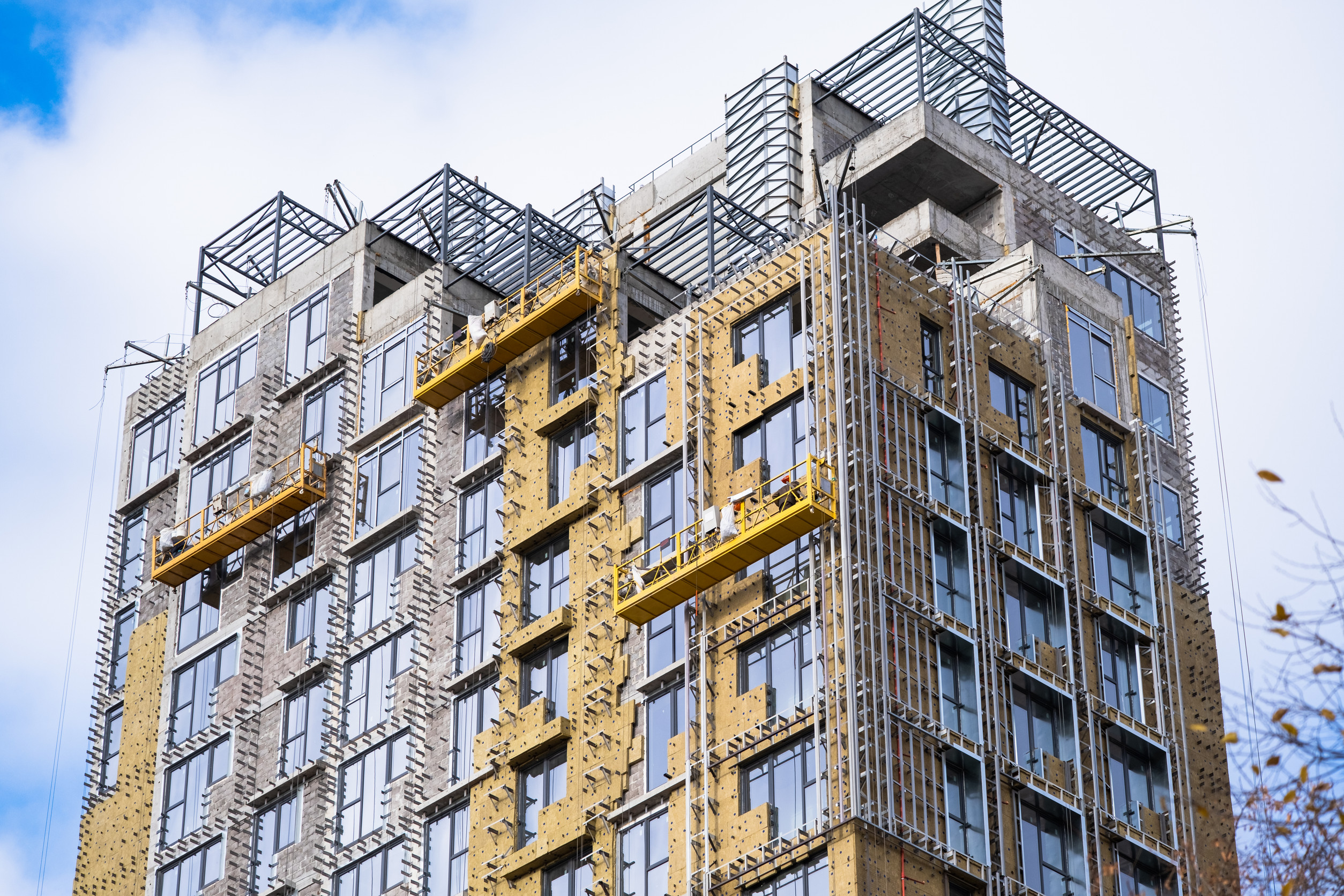
Refurbishment and renovation involve replacing or fixing outdated components, remodelling interior layouts or upgrading aesthetic appearances to modernise a building.
An example of this is the redesigning of a kitchen, updating bathrooms, changing floor finishes or improving a building's facade. Menara Standard Chartered, originally known as Menara Shahzan Insas on Jalan Sultan Ismail, has undergone major refurbishment to improve building appearance, update technology like high-speed lifts and security systems as well as modernise tenant spaces to remain a Grade A office building in the Golden Triangle.
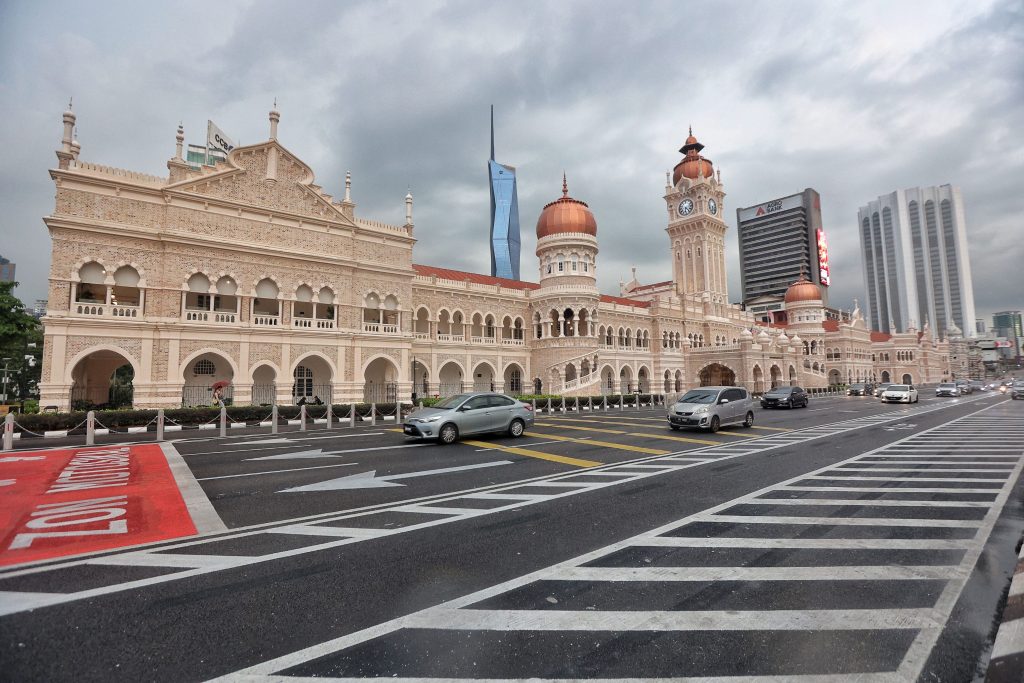
Rehabilitation focuses on improving failing structures or components to bring a building back to a functional and safe state, often involving repair, alterations or additions with the primary goal of extending the building's effective life. This includes repairing a damaged roof, strengthening a weakened foundation or updating an outdated plumbing system. The Keretapi Tanah Melayu Berhad (KTMB) Headquarters Building, a colonial-era heritage building, is currently undergoing a physical rehabilitation and restoration project.
Retrofitting specifically refers to adding new elements or technologies to an existing building that were not part of its original design such as installing new insulation, double-glazed windows, solar panels or smart HVAC systems to meet sustainability requirements.
Repurposing still usable buildings
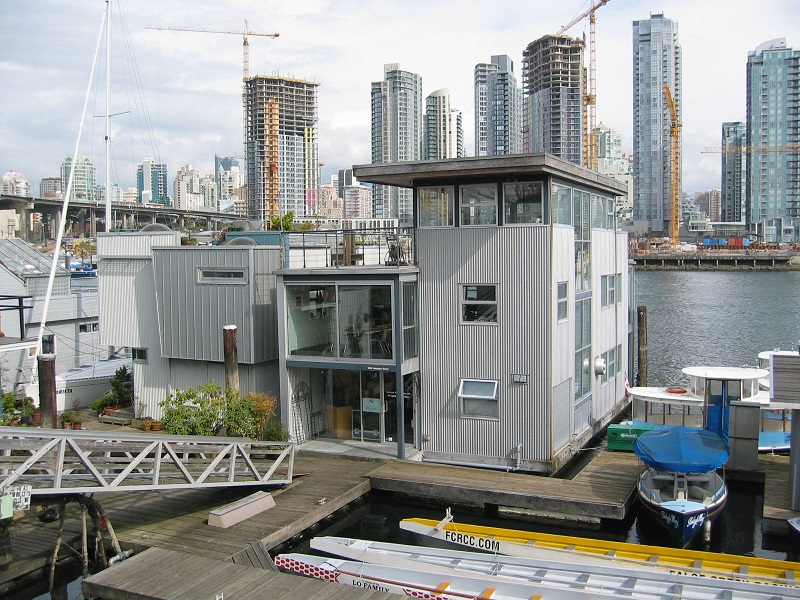
Adaptive reuse, also known as building conversion or repurposing, is a significant type of adaptation where a building's function is changed from its original purpose to a new one to prevent demolition. Examples include converting an old factory into loft apartments, a historic school into a community centre, or a commercial office building into residential units. Central Market Kuala Lumpur (Pasar Seni/Pasar Budaya) is a prominent and successful example of adaptive reuse where the original Art Deco facade was preserved while the interior was renovated to accommodate modern retail and food spaces. Similarly, REXKL, an old cinema in Jalan Sultan, was converted into a multi-use cultural hub involving structural changes to create new levels.
Modernisation is a broad term covering upgrades to bring a building up to current standards, such as Else Kuala Lumpur on Jalan Tun HS Lee, which was transformed from the old Wisma Lee Rubber into a luxury boutique hotel in 2022 through extensive preservation and integration.
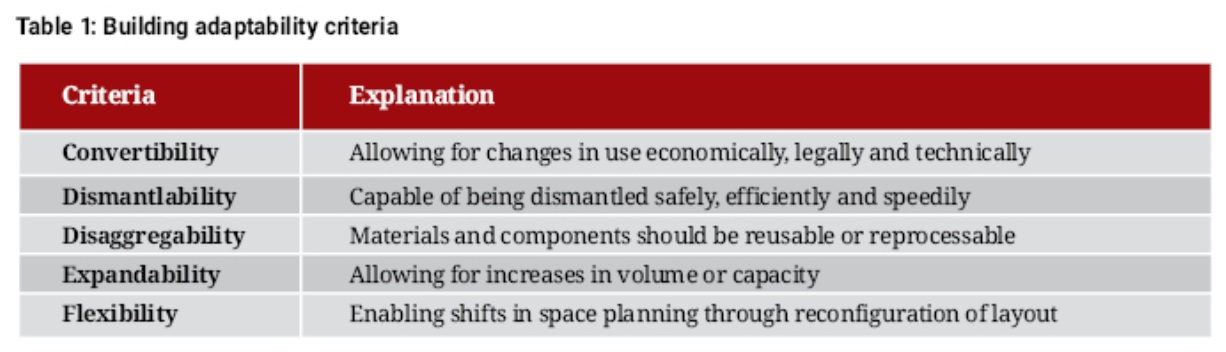
Not all buildings are adaptable and a building suitable for adaptation would generally meet certain key criteria (see table 1). It must possess convertibility, allowing for changes in use economically, legally and technically. It should have dismantlability, meaning it is capable of being dismantled safely, efficiently and speedily. Disaggregability is also required so that materials and components can be reused or reprocessed. Furthermore, it must offer expandability to allow for increases in volume or capacity and flexibility to enable shifts in space planning through the reconfiguration of layouts.
From assessment to execution
The building adaptation process typically involves several detailed steps. It begins with an assessment of the current condition, which is a thorough evaluation of structural integrity, mechanical and electrical systems, energy performance, historical value and potential for change. This is followed by defining adaptation goals to clearly outline what needs to be achieved, such as improving energy efficiency or enhancing aesthetics. The design and planning stage involves developing architectural and engineering plans that address these goals while complying with building codes. Implementation follows, executing the construction work which can range from minor upgrades to significant structural alterations. Finally, quality control and monitoring ensure the work meets standards and achieves the desired performance improvements.
Conservation and reducing waste
The benefits of building adaptation are extensive. Environmental sustainability is achieved by reducing waste from demolition and conserving embodied energy. Economic efficiency is realised through reduced material consumption and shorter construction times. Heritage preservation maintains the architectural and cultural significance of structures, contributing to community identity. It also reduces urban sprawl by revitalising existing infrastructure and promoting denser development. Faster project completion is possible because foundational work is often already in place. Additionally, it generates strong community appeal by preserving local character and creates flexibility and resilience against future changes in climate or technology.
In essence, building adaptation is a forward-thinking approach that acknowledges the value of existing building structures and seeks to maximise their utility and lifespan in a constantly evolving built environment. The buildings completed during the construction boom from the late 1980s to the mid-1990s are now ready for building adaptations to remain competitive in the property market and to meet the changing requirements of occupiers, tenants, users and investors.

This commentary is contributed by the Association of Valuers, Property Managers, Estate Agents and Property Consultants in the Private Sector, Malaysia (PEPS). This article was first published in StarBiz 7.
Stay ahead of the crowd and enjoy fresh insights on real estate, property development and lifestyle trends when you subscribe to our newsletter and follow us on social media.