
Industry players hope Budget 2027 can support repairs, public amenities and improvements that help ageing communities remain liveable.
An older neighbourhood may have plenty going for it. Shops are familiar, schools are nearby and residents have spent years building their lives there. Yet the lifts may need replacing, shared facilities may be deteriorating and surrounding roads may struggle with the traffic already passing through.
Deciding what to improve, what to retain and what to rebuild comes with a funding question. Residents need functioning homes today while larger plans for the area may take years to materialise.
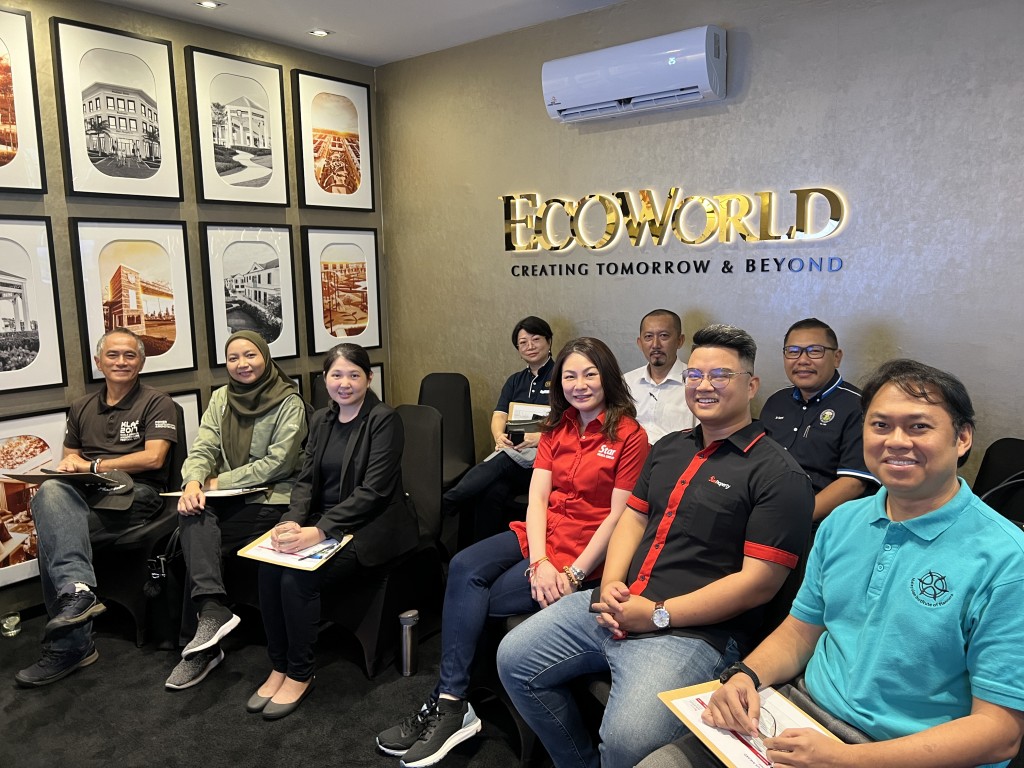
For Budget 2027, this places the upkeep of existing housing alongside the delivery of new homes. At the StarProperty Budget 2027 Roundtable, participants discussed whether renewal would bring the improvements communities need and how those improvements should be funded.
The accompanying memorandum proposes a dedicated Strata Maintenance and Renewal Grant for ageing low-cost housing schemes. It calls for funding towards structural upkeep, lift replacements and safety upgrades without placing further pressure on lower-income households.
What should renewal deliver?
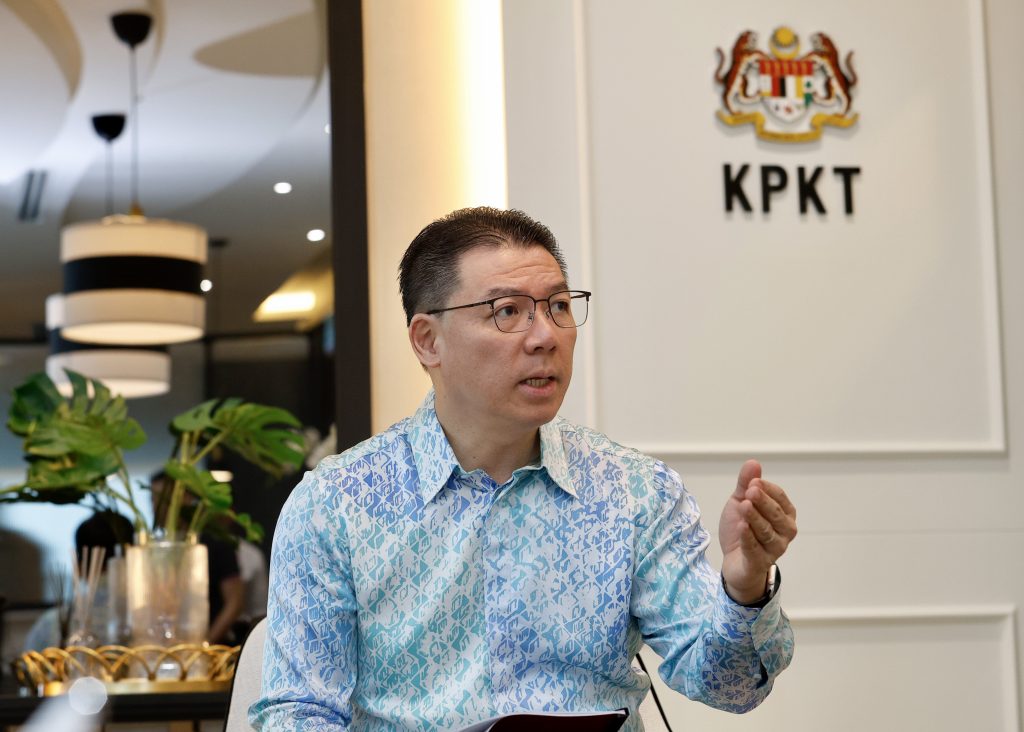
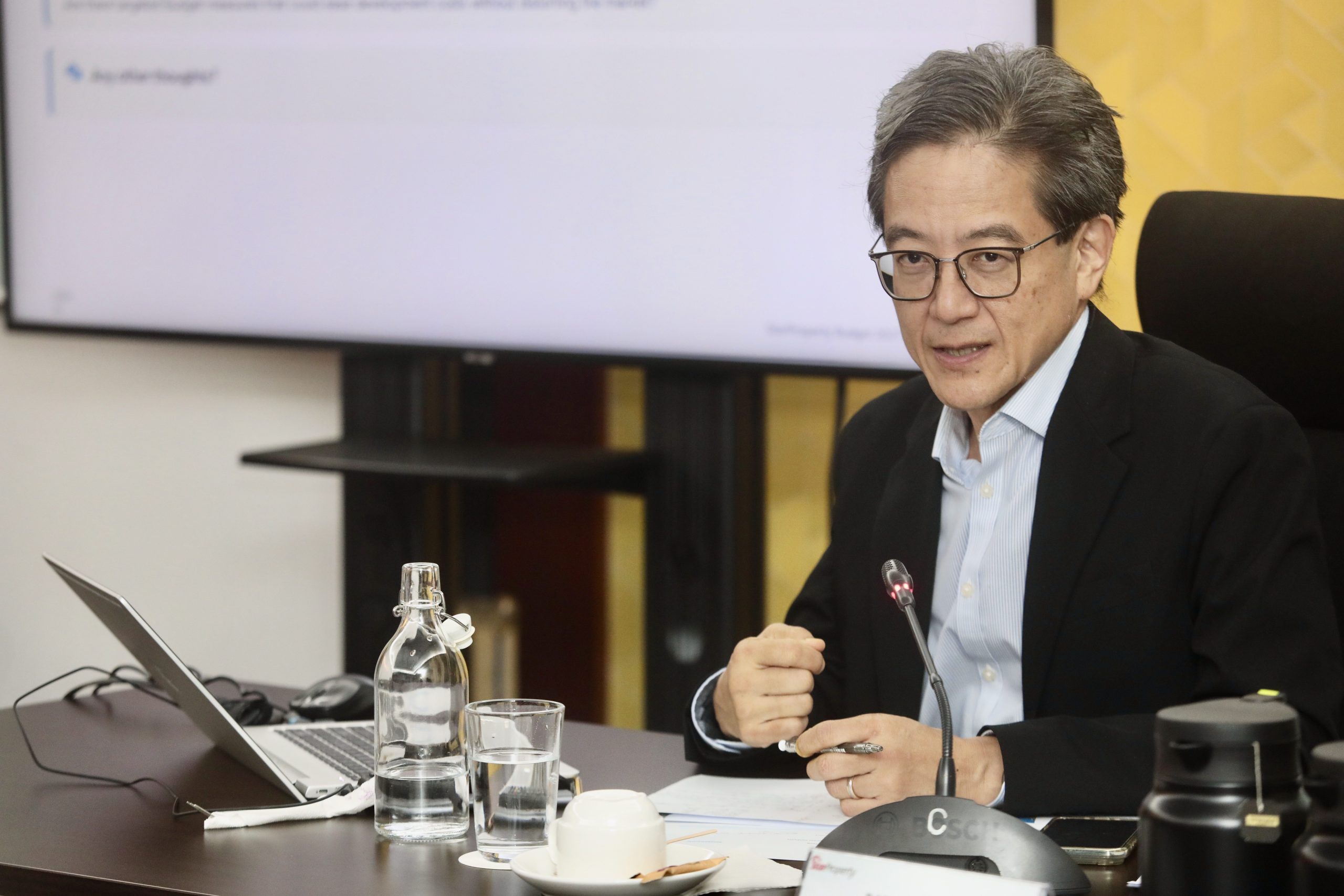
During the roundtable, Matrix Concepts Holdings Bhd property development and commercial co-chief executive officer Chai Keng Wai supported improving older housing areas but questioned whether redevelopment could become another exercise in concentrating more homes within an already busy neighbourhood.
“I think it’s a good approach to regenerate the value of the old housing development in town in terms of getting a more aesthetic outlook and whatnot. But I think things tend to get off track because the regeneration of these old areas…many chances that a redeveloper would take advantage to build another mass production of houses. And that would eat into the traffic burden,” said Chai.
“People want lifestyles. People do not want to live in pigeonholes in the city centre,” he said, suggesting that some areas could instead accommodate public amenities and greenery while better transport connections could give households more options to live outside the city centre.
His comments therefore raised a practical consideration for Budget 2027. Funding for renewal needs to account for the area surrounding a project, including the facilities and connections that residents depend on. Because additional homes almost always require improvements to roads, drainage, community facilities and public transport, the cost and timing of all those works need to be considered alongside the redevelopment.
To add a planning context, the Kuala Lumpur Structure Plan 2040, which took effect in June 2025, includes incentives for redevelopments, the amalgamation of lots and projects incorporating affordable housing. Budget support could help address the public infrastructure and amenities needed as established areas change.
Public spaces and who pays
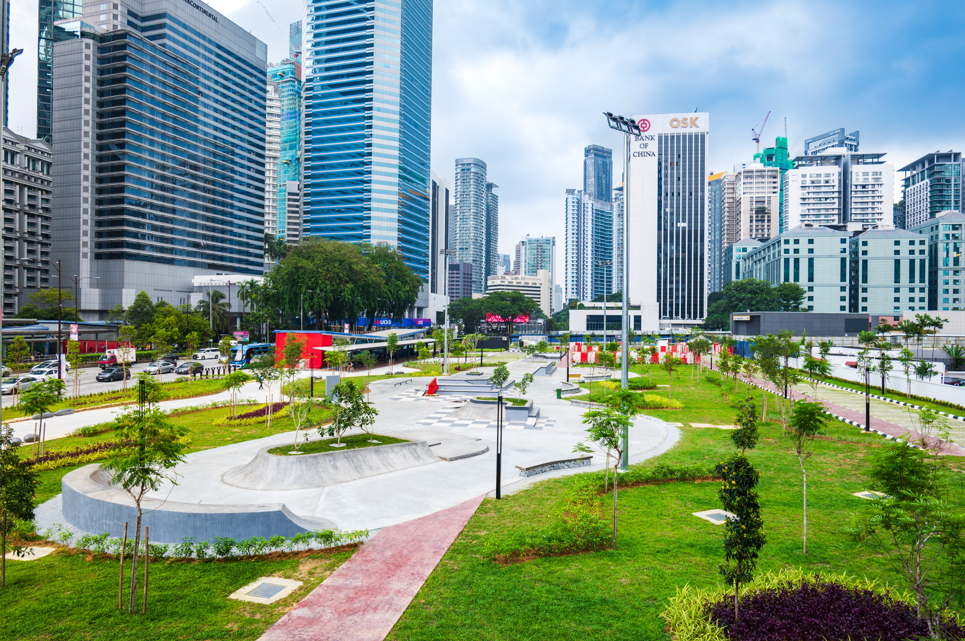
“The challenge is who is going to fund the green space?” Bukit Kiara Properties group managing director and roundtable moderator Datuk NK Tong brought the issue to funding and maintenance. The answer given was the government which highlighted one of the most difficult parts of renewal. A park, community facility or improved pedestrian connection may benefit a wider population, but the cost falls on a particular project or public authority.
Beyond maintenance, the memorandum proposes targeted Budget 2027 funding for utility infrastructure, proposing that off-site infrastructure expenditure be borne by state utilities and relevant government bodies alongside clearer and more transparent development fees.
Although these proposals address development generally, they also raise a funding question for urban renewal: who should pay for any road and utility upgrades needed to support a redeveloped neighbourhood? This is because existing roads and utilities cannot be assumed to have enough capacity for a larger development.
Sabah Housing and Real Estate Developers Association (Shareda) deputy president Benny Ng also described the difficulties of participating in open-space improvements involving local councils. “It’s not easy because there are a lot of different opinions,” he said. “They are not incentivised as well.”
His experience adds another consideration for Budget 2027 on how public authorities and private participants can work together on improvements whose benefits extend beyond an individual development. Clearer funding arrangements and responsibilities could help move such projects from discussion to implementation.
Keeping occupied homes liveable
For residents continuing to live in older buildings, repairs are often the more immediate concern. The memorandum identifies recurring maintenance payments as a financial difficulty for lower-income home owners. When collections are insufficient, essential repairs can be delayed and shared facilities can deteriorate.
Its proposed Strata Maintenance and Renewal Grant would direct support towards critical works, including lifts and safety upgrades. The proposal recognises that the condition of an affordable home matters long after its original selling price has been settled.
Maintenance also appeared in the preliminary industry survey presented at the roundtable. Developers such as Avaland Bhd called for support for urban regeneration and maintenance grants for older strata schemes to prevent urban decay.
There is an existing Budget foundation for this discussion. Budget 2026 allocated RM143mil for maintaining low- and medium-cost strata housing, including replacing ageing lifts.
For Budget 2027, the question is how that support can develop into a more consistent approach to caring for older housing. The proposed grant would need to work alongside existing programmes, with clear priorities for urgent repairs and arrangements for upkeep after funded works are completed.
The roundtable’s discussion leaves Budget 2027 with several interconnected priorities such as maintaining occupied homes, funding public amenities and ensuring that infrastructure can support changes in established areas.
For residents, the proposed grant could mean repairs that have been put off finally getting done. There is also the area outside their homes to consider. Better paths, public spaces and access to transport would help older neighbourhoods remain comfortable places to live.
For residents, the results would be felt through reliable lifts, safer surroundings and easier journeys to shops, services and public transport. Those everyday improvements would give Budget spending a lasting place in the neighbourhood.
Stay ahead of the crowd and enjoy fresh insights on real estate, property development and lifestyle trends when you subscribe to our newsletter and follow us on social media.